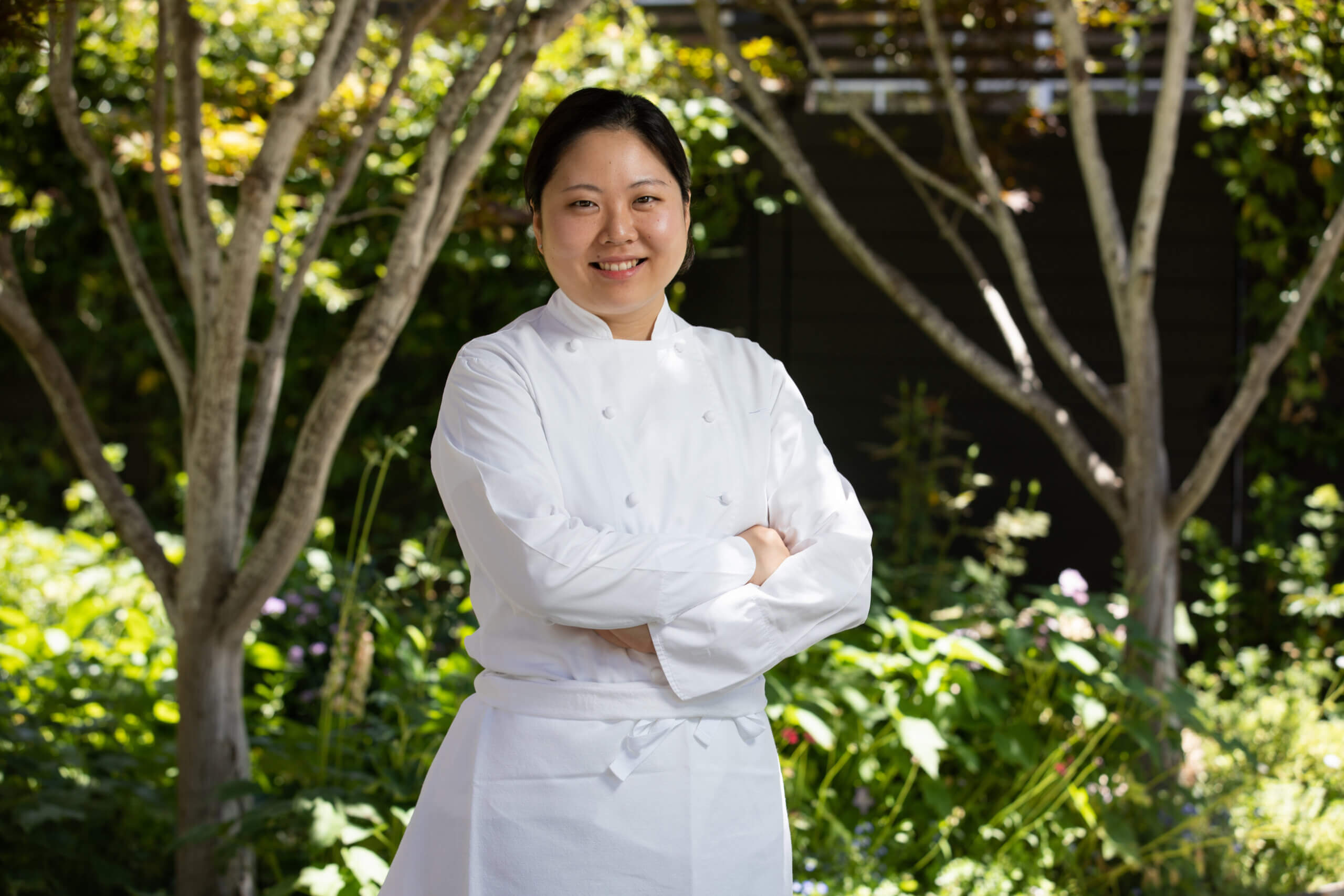
As a fourth-generation sushi chef, how do you carry tradition forward while making your own mark?
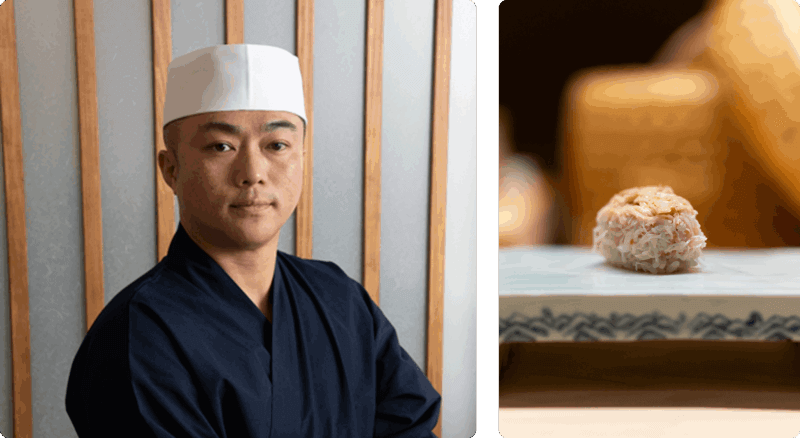
I’m originally from Osaka but did my formal training in Ginza, Tokyo. I take inspiration from my mentor, past experiences, and different cuisines and parts of the world that helps me shape my palate. I use this to come up with different dishes beyond sushi that I serve to my guests.
Do you feel a sense of responsibility to represent your family’s history through your food, and how do you hope guests experience that connection?
I definitely feel a sense of responsibility to represent my family as well as my master I formally trained under. I use two different types of sushi rice, one is reminiscent of what my family used in my father and grandfather’s sushi restaurant, the second is reminiscent of the rice used in my master’s restaurant in Tokyo. I carry their legacy into my craft and it is something that I want my guests to feel.
What does omotenashi mean to you?
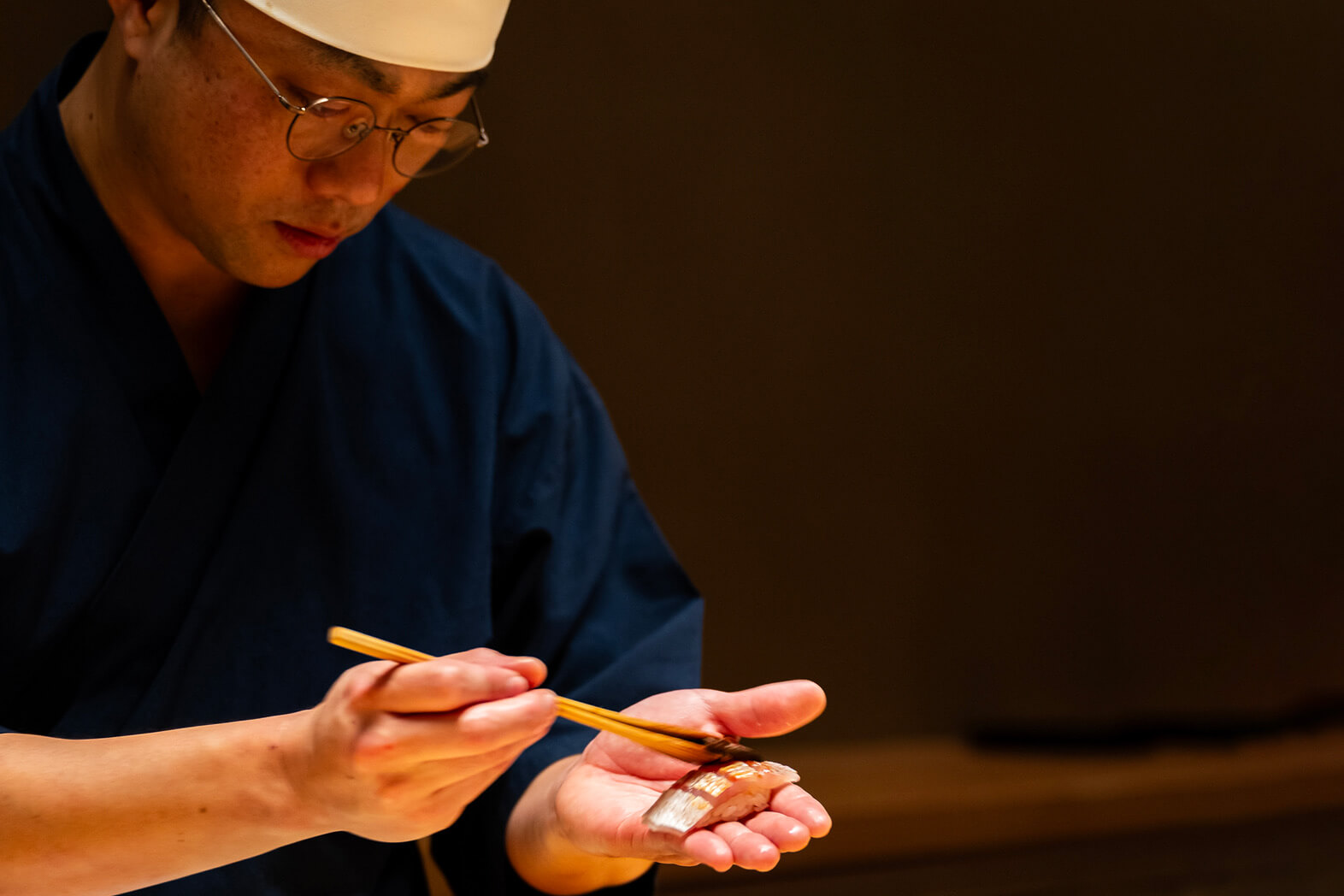
By definition, omotenashi is Japanese hospitality, and it means to do mindful things for people without expecting anything in return. What it means to me is keeping my guests in mind from sourcing, the way I handle ingredients, really doing everything prior to service and during with intention, precision, and care to ensure our guests ultimately have a personalized experience with us at SHINGO.
Why is restraint important to your craft?
I use only the best seasonal produce, fish, and products here at SHINGO. A large part of my trip when I go back to Japan annually is spent visiting farmers, fishermen, and fish market to learn more about their processes and to keep my relationship with the people who spend their life perfecting their product that they send to me in Miami. The art of restraint is important when showcasing these beautiful, seasonal products as I try my best to let the ingredients speak for themselves without getting in the way of their natural beauty or flavor.
How much does the menu at SHINGO change week to week?
The nigiri portion of the menu can change daily, as I learn of availability, and quality of products that are available. Sometimes we can receive items that do not arrive to the restaurant in top shape, which I will not serve and instead substitute for a different dish. The seasonal dishes of the menu are mainstays depending on the season.
What ingredient or dish is most exciting you at the moment?
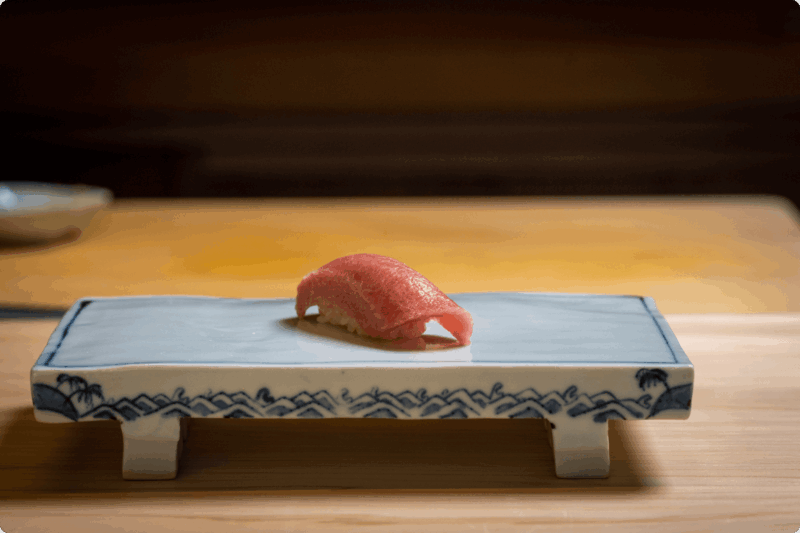
Tuna is always something that excites me, as the season influences where it comes from in the world. We always only use wild line caught, bluefin tuna. There are also more local shellfish that I have been eyeing and slightly using, as well as produce like matsutake mushrooms that are more hyper seasonal.
What does an average day look like for you?
I wake in the morning, take a walk and do a light work out. After that I have a coffee, then begin prep for that evening’s service, also receive orders, speak to my suppliers, and eat a healthy family meal before the evenings service. After service, we clean the restaurant and stage it for the following day, and when I arrive home I will relax by reading.
How important is regiment when it comes to operating the restaurant?
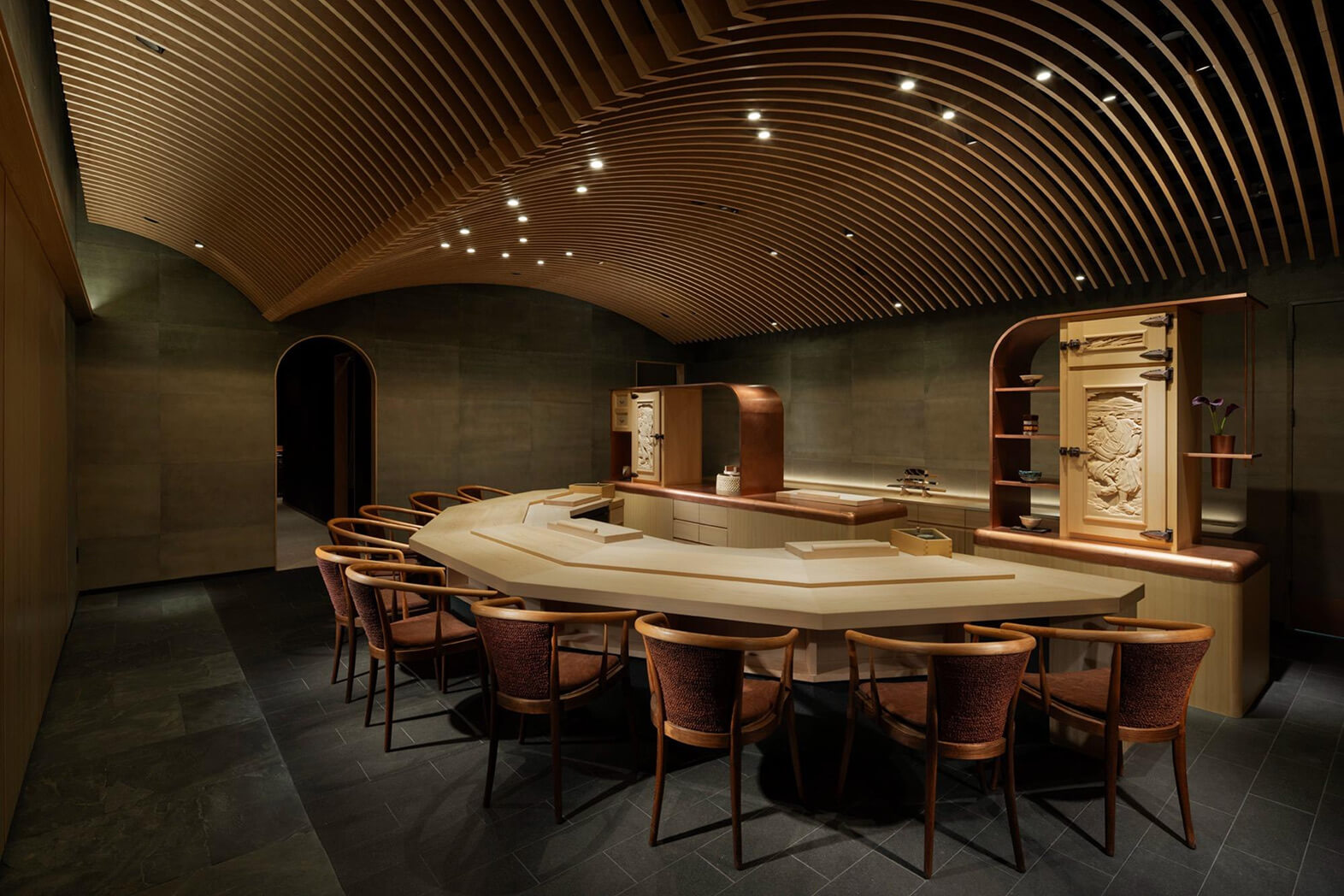
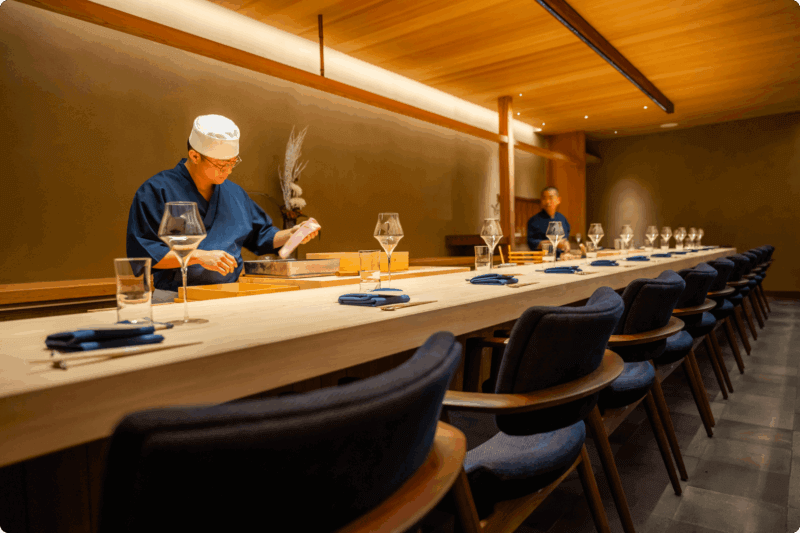
For us, it is everything because we have just two seatings a night, serving 28 guests. It is important for us to have consistency, and to make the preparations to make each guest have a special dining experience with us.
Is there anything you’re working toward at the moment that you’d like to share?
During Art Basel this year, we will be bringing an incredible ceramic artist, Hosai Matsubayashi to our restaurant for a two night event. He is a 16th generation ceramic artist from Uji, which is the tea capital of Japan. Our guests will be able to experience a tea ceremony by him, and interact with him and his tea wares which will be featured in our gallery.