Ogawa is described as rooted in the exquisite simplicity of Kappo sushi tradition. Why do you prefer this approach?
I make every effort to source the best possible ingredients. Each ingredient has its own unique character—texture, flavor, and aroma. I value and respect those individual qualities above all else. My role is to bring out the natural charm of each ingredient by polishing it through the simplest and most careful preparation. Once refined, the ingredient is lightly seasoned and immediately served to the guest.
That, to me, is the essence of simplicity in Kappo-style sushi. It’s not that I’m cutting corners. I’m simply offering the support each ingredient needs to bring out its full potential.
Ogawa focuses on Japanese ingredients served at the peak of seasonality, complemented by a highly curated beverage program. Do you have a current favorite pairing?
While I don’t have a single favorite pairing, I genuinely enjoy the Ogawa approach, which goes beyond the conventional notion that Japanese cuisine must be paired with sake. Instead, it thoughtfully incorporates wine, champagne, and sake.
One thing that surprised me was learning from our sommelier, Luis Martinez, that dry Riesling pairs unexpectedly well with raw fish. I had always assumed wine and sushi weren’t a good match.
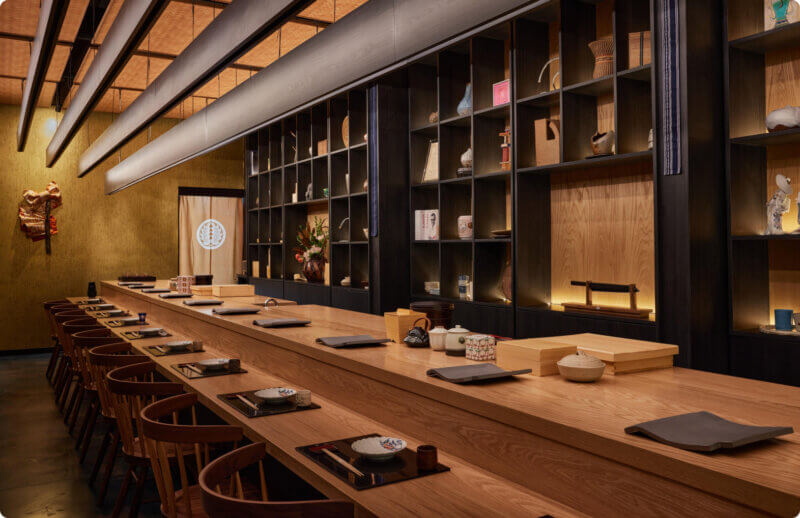
With only 10 seats, your intimate sushi bar takes pride in “kikubari,” the Japanese art of caring for others. Where did you learn this art?
I was raised with that mindset by my parents and teachers—it’s something quite common in Japan. They often asked me, “What would you do if you were in the other person’s position?” They taught me to always consider what the other person might want or need.
In 2024, Ogawa earned a MICHELIN Star. How does it feel to receive this recognition?
When we opened Ogawa, I wasn’t thinking about MICHELIN at all. I was simply focused on making our guests happy through my work. But having that work recognized by MICHELIN made me truly happy. I’m deeply grateful to my wife, my business partner, our staff, and our suppliers because I couldn’t have achieved this on my own.
In addition to critical acclaim from dining experts, Ogawa is a hit with its everyday guests. What sets Ogawa apart?
I’ve only focused on one thing: how to make our guests happy. That’s what drives everything we do. I believe that in hospitality, the guest should always be the main focus, not the chef. I constantly ask myself, ‘If I were the guest, what would I want someone to do for me?’ That’s something I always share with Chef Royce “Gaja” Appling, my right-hand man.
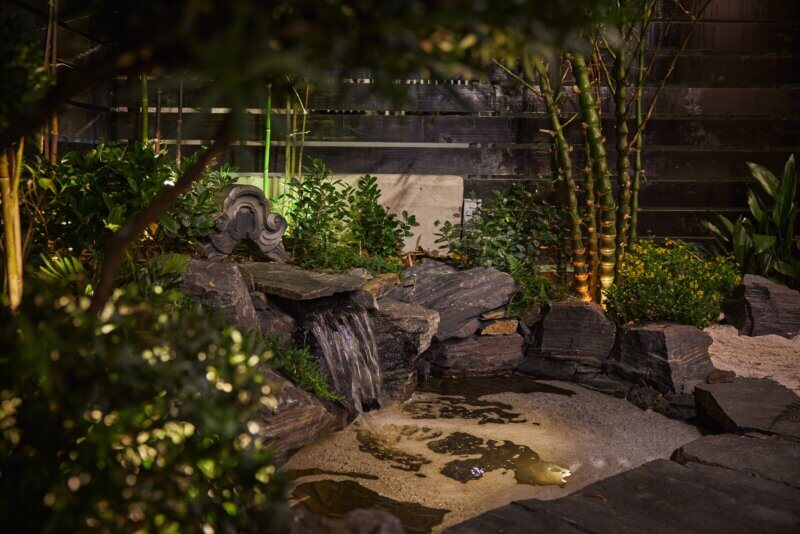
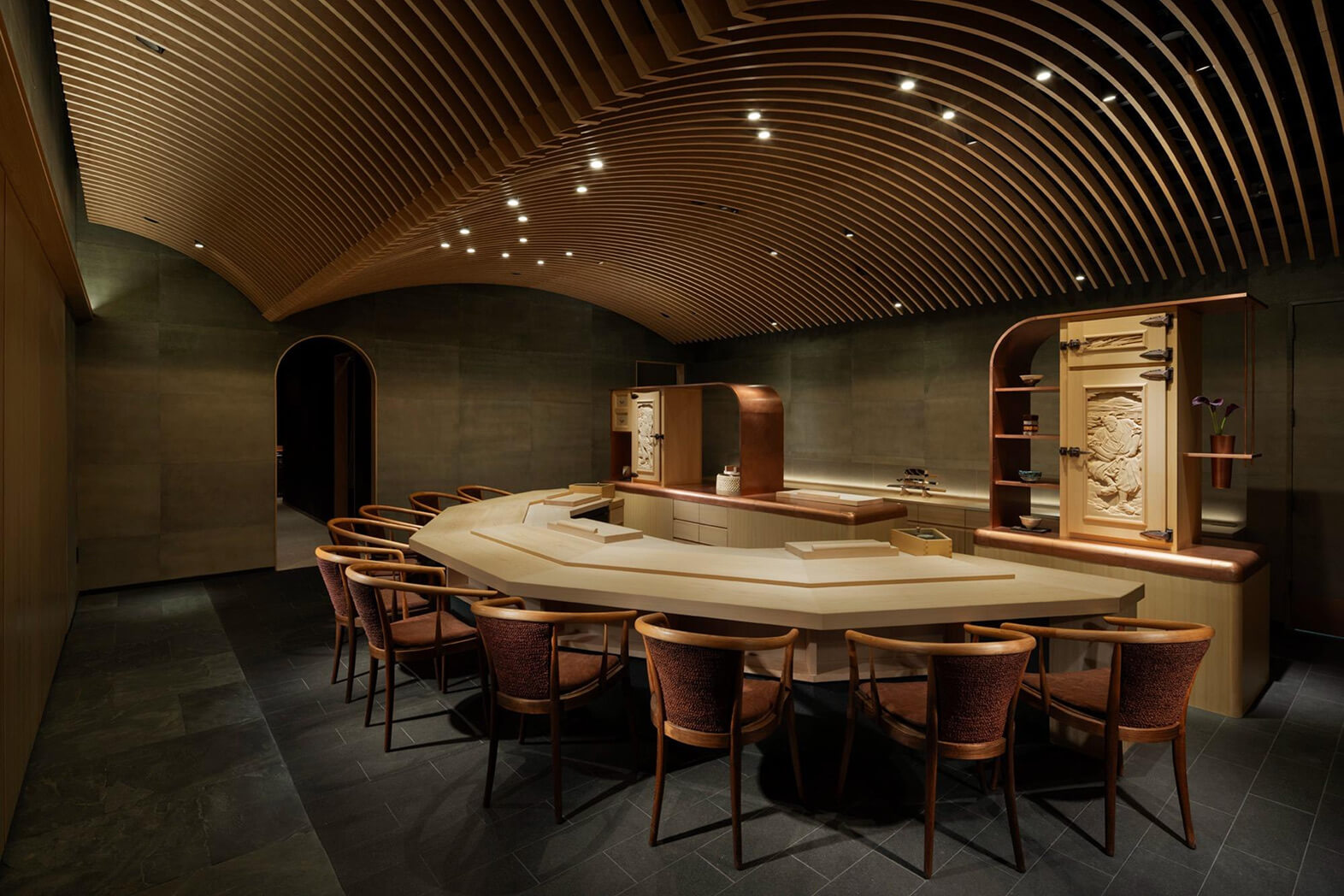
With a private Japanese garden carefully curated by a local Ikebana florist, traditional Japanese calligraphy scrolls, and modern nihonga art, Ogawa is as much a feast for the eyes as the stomach. What inspired the bar’s striking design?
The restaurant was designed by Alvaro Perez, who is also my business partner. He’s an art dealer as well and used to live in Japan, where he visited many restaurants. His concept was to create an omakase restaurant that feels like it’s inside an art museum. He also believed that Ogawa needed a Japanese garden, just like the high-end restaurants in Japan.
Additionally, we chose a location next to the railroad tracks on purpose. In Japan, many restaurants are located near train stations, so we wanted to recreate that authentic Japanese atmosphere here in Miami. Surprisingly, many of our guests really enjoy the experience of seeing and feeling the trains pass by the restaurant.
“I’ve only focused on one thing: how to make our guests happy.”
In recent years, Little River has become home to several sought-after restaurants. Where do you like to dine in the neighborhood?
Definitely Bar Bucce is one. Chef/Owner Michael Pirolo is my favorite chef since I enjoyed his sister restaurant, Macchialina, in South Beach.
How do you spend a day off?
I try to spend my time with my wife. But I also spend time thinking about the menu. Because one of Ogawa’s concepts is not to get tired of the menu. Our base menu would be changed monthly based on seasonally available ingredients. However, for guests who have already had the menu, I try to serve a different menu, and that is a big challenge for me. I don’t have much time to think about the menu after daily service. So, my day off is half off and also half work.