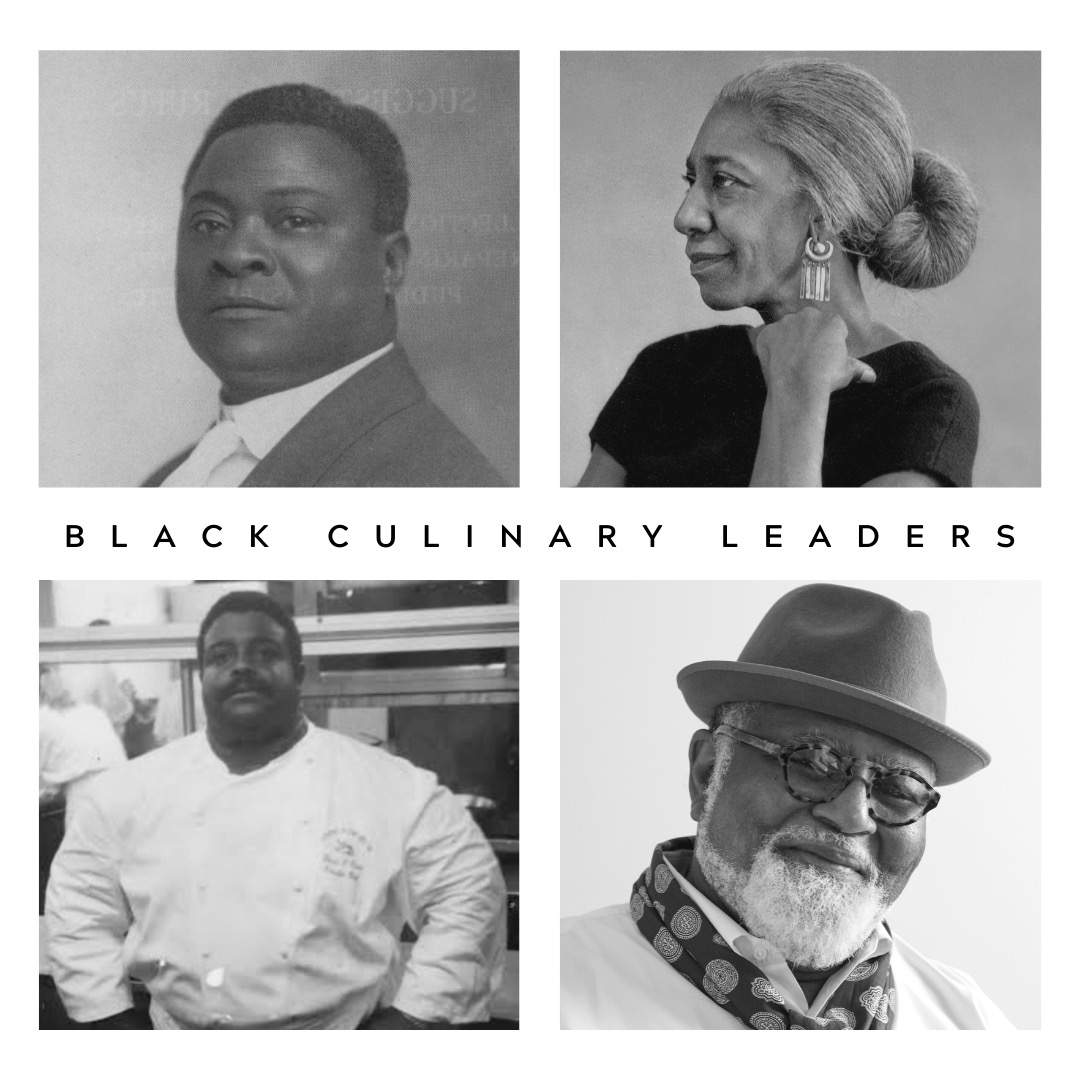

Week 1: Chef Rufus Estes – Feb. 5-6
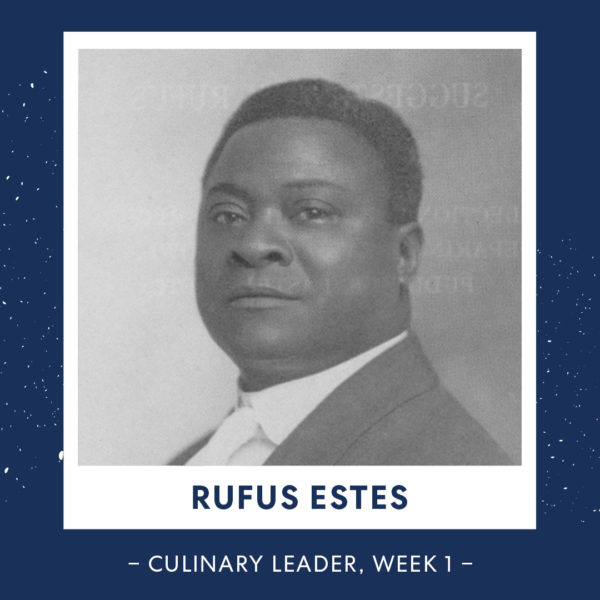
Why he’s important: Estes was a professional chef and one of the first Black cookbook authors. Good Things to Eat, as Suggested by Rufus: A Collection Of Practical Recipes For Preparing Meats, Game, Fowl, Fish, Puddings, Pastries, Etc. was published in 1911. According to Anne Bower’s African American Foodways, “Estes wanted to be known as an accomplished chef and former slave. To do both would be to demonstrate the professional heights to which he had climbed from the lowliest of beginnings.”
Why Jackson is dedicating a menu to him: “Because of his overall approach to food and the historic significance that his work is built on. His day-to-day influences on terroir, seasonality, and communal impact contributed to the foundation of classic French cuisine.”
Week 2: Edna Lewis – Feb. 19-20
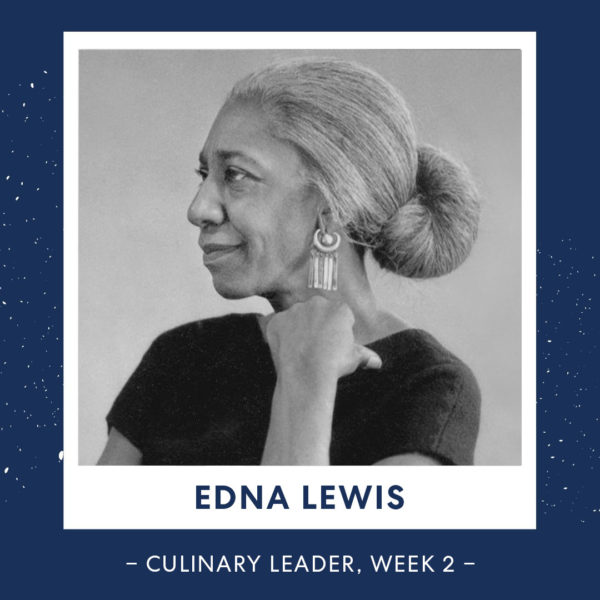
Why she’s important: Known as the “Grand Dame” of southern cooking, Edna Lewis was a celebrated chef, teacher, cookbook author, and pioneer of farm-to-table southern cuisine. In a 2015 profile for The New York Times Magazine, Francis Lam wrote, “‘The Taste of Country Cooking,’ published in 1976, is revered for the way it shows the simple beauty of food honestly made in the rhythm of the seasons—the now common but at the time nearly forgotten ethos of eating farm-to-table—and for the way it gave a view of Southern food that was refined and nuanced, going beyond grease, greens and grits.”
In Jackson’s words: “Edna, for her soulful intent of hospitality and passion.”
“I’m happy that we have a called out period to recognize all of the important people that have sacrificed, influenced, created, and built this society. There are so many faces and names that haven’t been recognized for their contribution to society.”
-Chef Russell Jackson
Week 3: Patrick Clark – Feb. 26-27
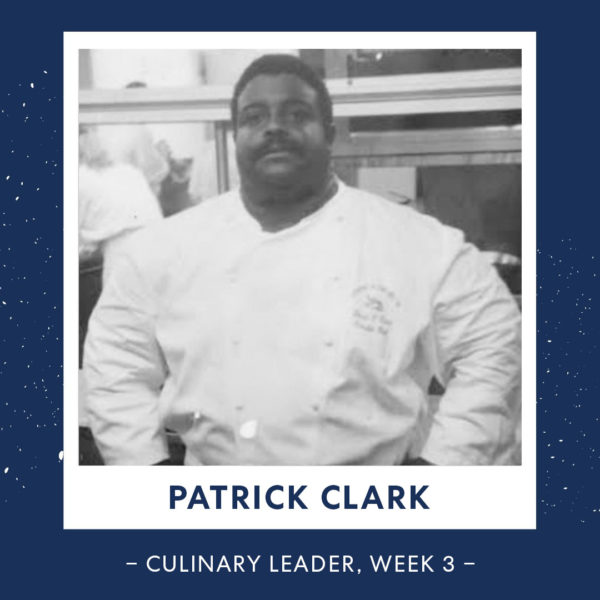
Why he’s important: Brooklyn-born Patrick Clark was a classically-trained chef known for pioneering New American cooking in the 1980s. Clark was the first African American chef to win a James Beard Award for his cooking at The Hay-Adams Hotel in Washington, D.C. In a recent Food & Wine article titled, Tracing the Footsteps of Patrick Clark, Korsha Wilson writes, “Clark’s cooking was energetic, attracting the attention of chefs, restaurateurs, writers of New York City, and beyond. His cooking showed a deft understanding of texture and temperature and a playful approach to tradition.”
In Jackson’s words: “Patrick, because he is the vanguard and has influenced multiple cuisines and crossed many cultural lines. I’m always most excited to cook around Patrick’s work. He’s been such an influence in my career. I was fortunate to have met him briefly in LA back in the ’80s.”
“Black Culinary History has been mostly lost like so many other categories. It’s part of my duty as an African American chef and owner to represent and help raise awareness for those that have led the way for me. There’s still so much more to do, and it’s not just African Americans that must do the work this time. It’s up to all of us to course-correct and do it with love and respect.”
-Chef Russell Jackson
Week 4: Alexander Smalls – Mar. 5-6
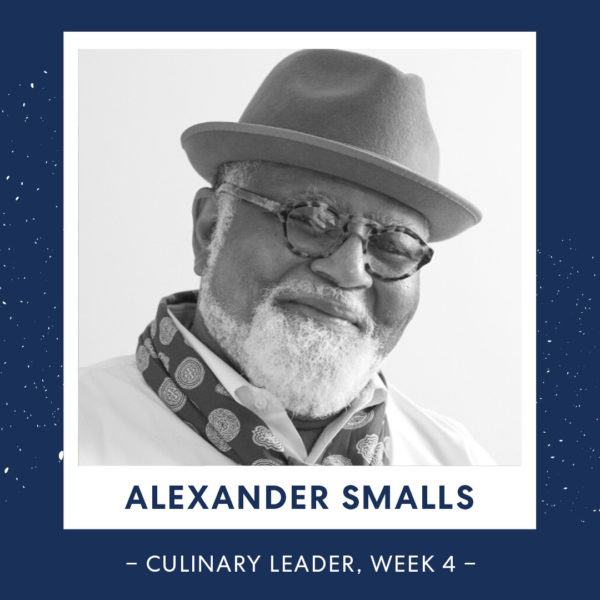
Why he’s important: Alexander Smalls is a modern-day Harlem chef and owner of The Cecil Steakhouse and Minton’s Playhouse. He’s a cookbook author, a James Beard Award winner, and as if that wasn’t enough, a world-renowned opera singer and recipient of a Grammy and Tony Award. Smalls is known for “Southern Revival” cooking. In a recent interview with Garden & Gun, he stated, “I am a culinary activist for the African diaspora—people of color who essentially had been pushed out and suppressed in the storyline of America’s great culinary tradition. But at the heart of it all I’m an artist—a raconteur. I love telling stories, no matter the medium.”
In Jackson’s words: “Alexander, he was a leader in the ’80s and ’90s and he’s still regarded as a leader today.”
_
Works Cited: