The Art Edition
These are the restaurants plating up more than sustenance. Where food is art, but art extends beyond food. From handmade ceramics to interactive galleries, contemporary dining is about curating an immersive experience.
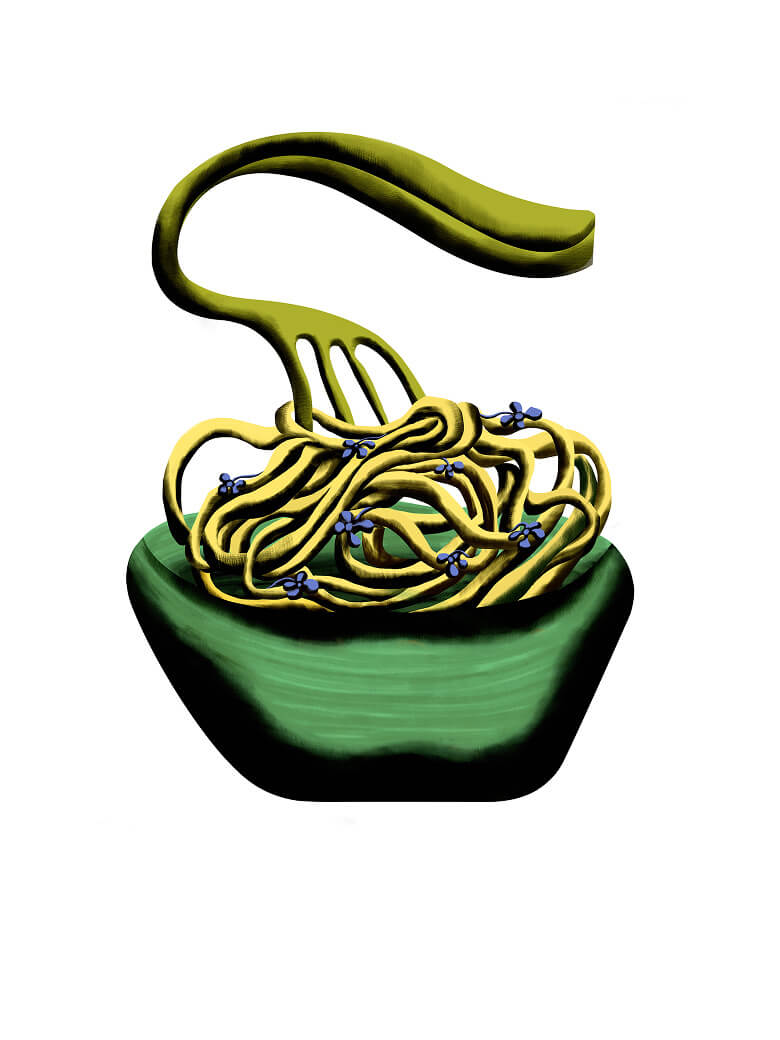
These are the restaurants plating up more than sustenance. Where food is art, but art extends beyond food. From handmade ceramics to interactive galleries, contemporary dining is about curating an immersive experience.
FREVO
New York City
The concept
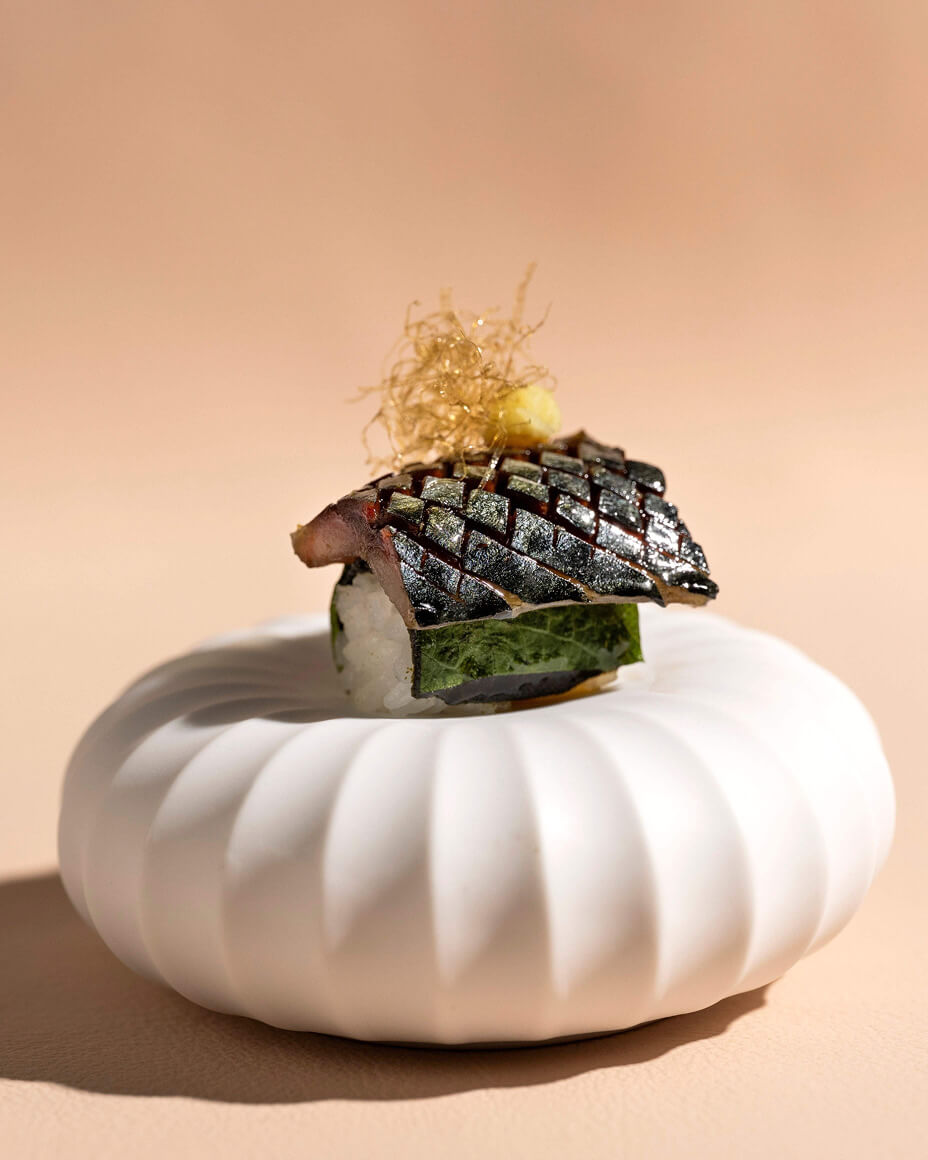
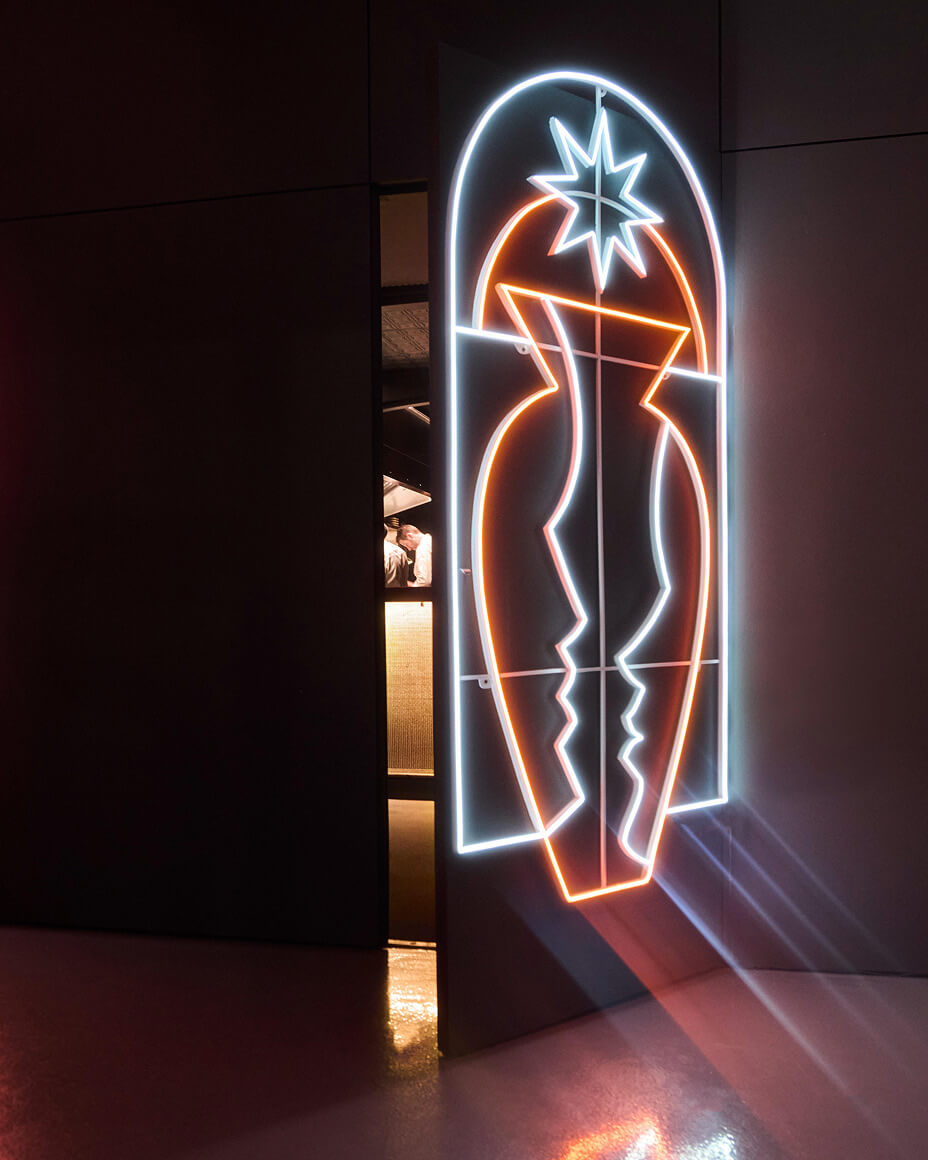
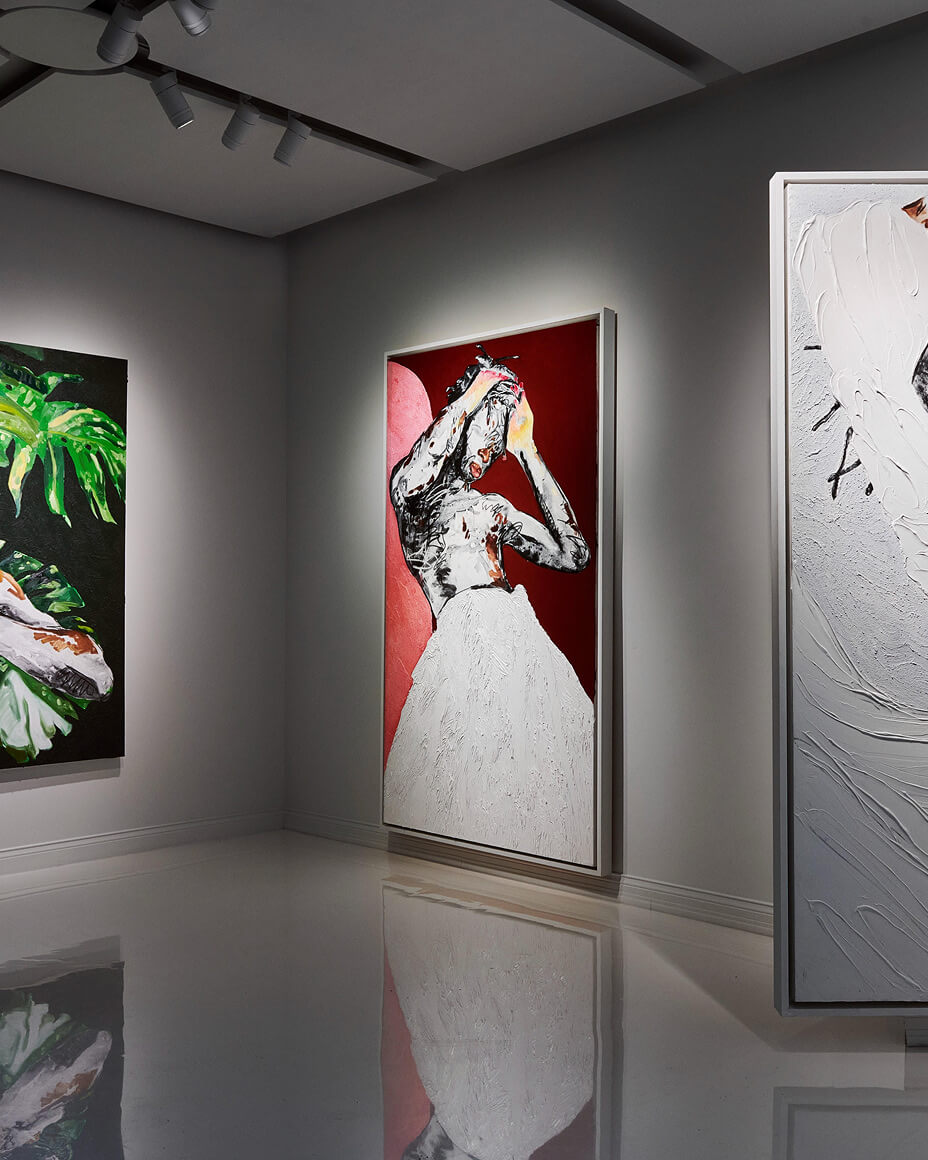
Your experience at this avant-garde restaurant begins in an art gallery. Enter through the front exhibition space before being ushered into the dining room through a discreet, art-covered door. The shift in atmosphere creates a dramatic transition as guests settle at the 18-seat chef’s counter. Brazilian-born and French-trained chef Franco Sampogna fuses visual storytelling with flavor, building each plate like an abstract work of art.
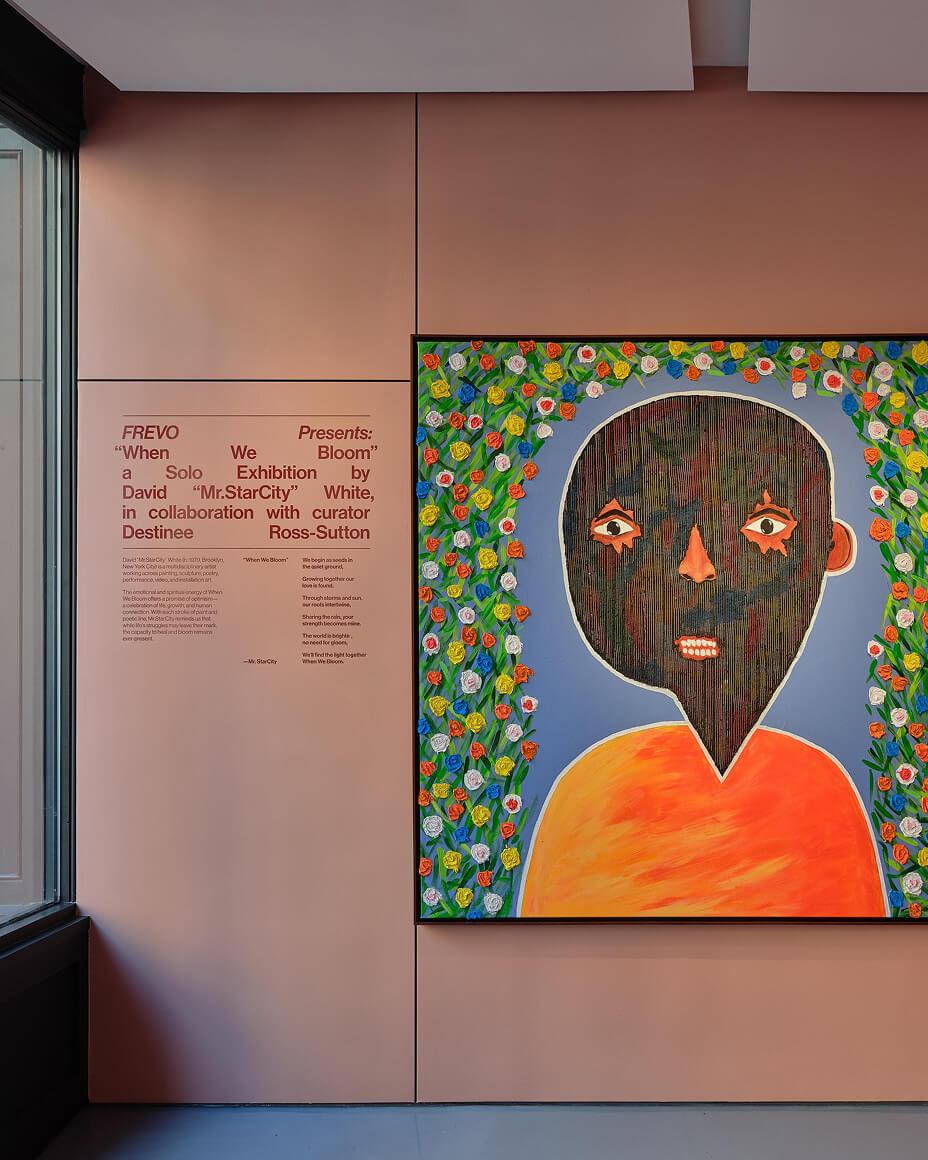
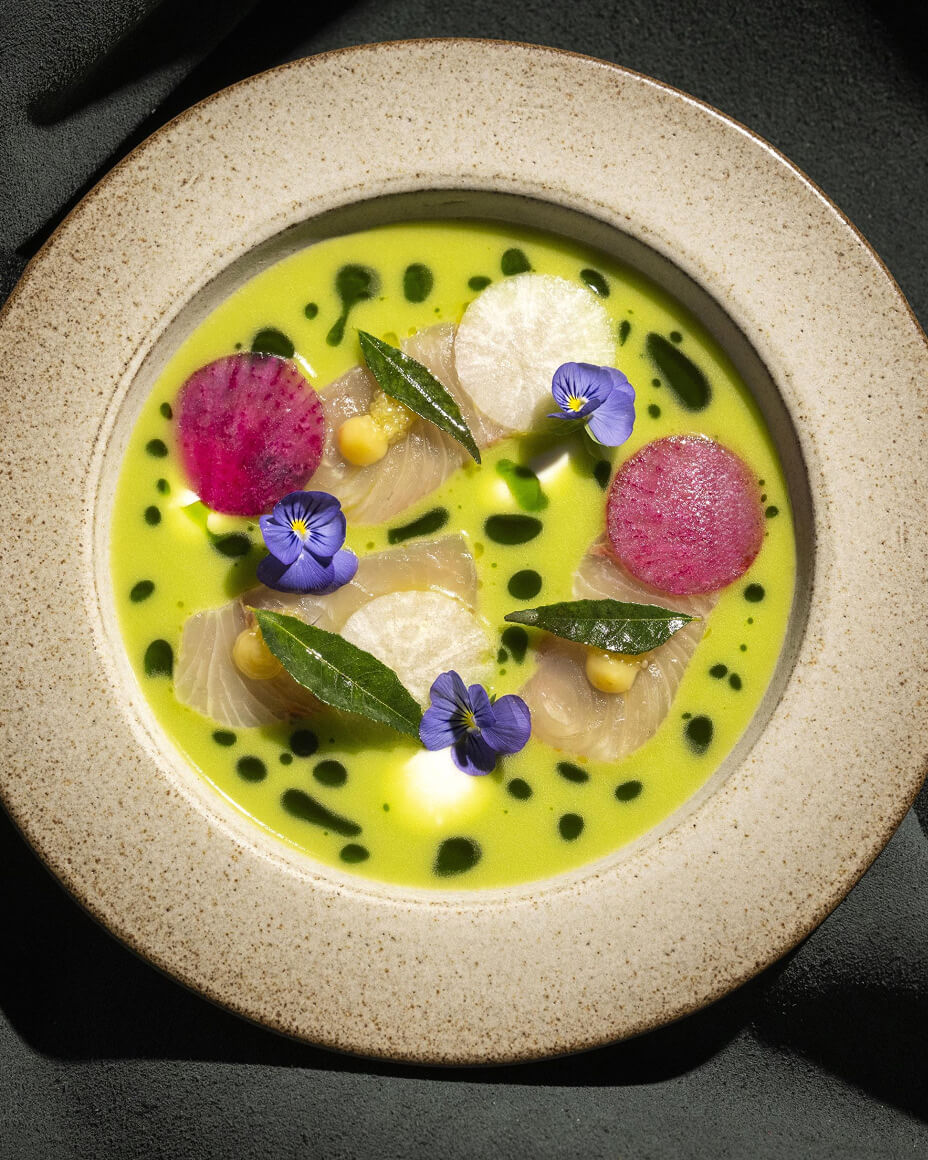
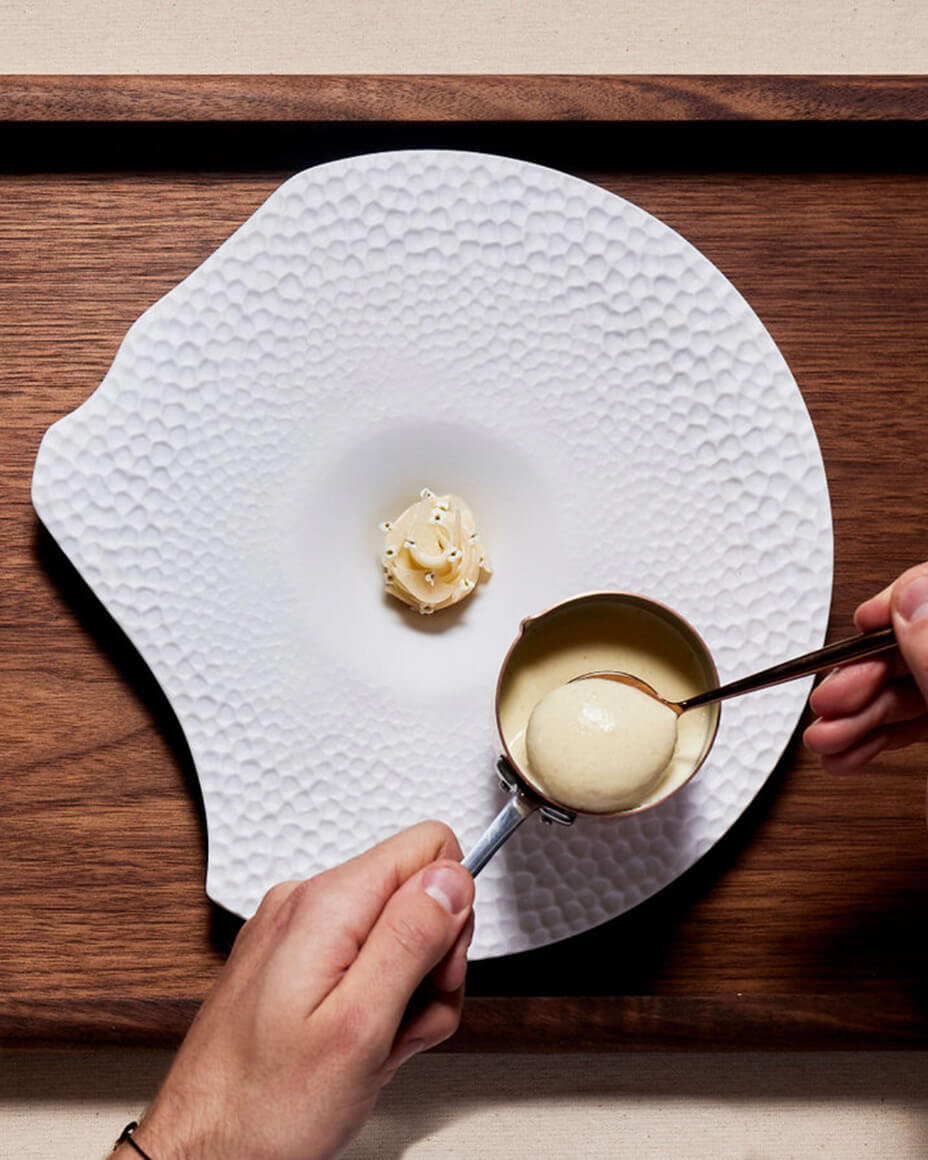
The art on display often inspires the tone or details of a dish. For example, a recent When We Bloom exhibition by Mr. Star City features bold florals and vibrant greens, inspiring Sampogna’s use of edible flowers and the integration of ingredients like jalapeño gazpacho and crispy curry leaf with amberjack for visual and flavor harmony. It’s a subtle but intentional exchange between mediums. Sampogna’s creativity results in unexpected riffs, like a pretzel served with smoked tofu—or 36-month aged Comté cheese shaved over honey ice cream with freeze-dried honeycomb.
For the drama. Book the counter, otherwise known as “the main stage” to watch the chefs preparing the menu live in front of you.
Merchant Roots
San Francisco
The concept
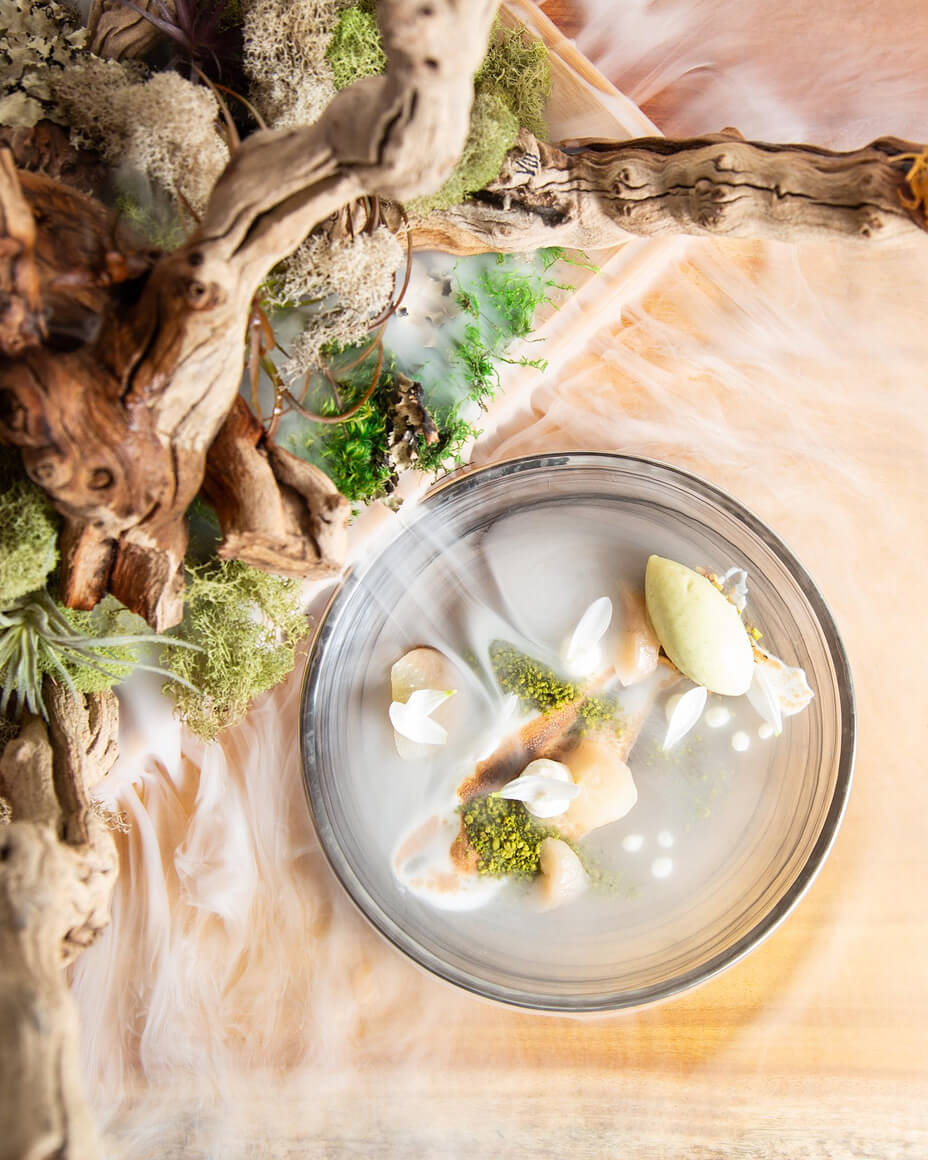
Before becoming a chef, Ryan Shelton studied color theory in art school, dissecting the way light is portrayed in ancient, classic, and modern painting. At Merchant Roots, Sheldon starts with recognizable and familiar flavors, makes them sharp and distinct, and presents them in a way that’s new and exciting. Projected artwork shifts throughout dinner, and theme-specific art installations, custom-made plates, lighting, and props are incorporated to immerse guests in the featured theme. For example, lights change to sync with the color of each course, and interactive tablescapes invite guests to forage for delectable treasures.
Every theme-based menu unfolds in edible, visual, and physical forms to tell a multi-sensory story. The summer menu, Sleepover: Bedtime Stories & Nursery Rhymes, evokes the nostalgia of childhood slumber parties with snack-filled backpacks, Peter Piper’s pickled pepper Caribbean escabeche, and cookies & milk. Each menu lasts three months before the team changes everything, including the service format, plateware, menus, and decor.
For the element of surprise. Press a button in the secret strawberry bubble room, for example, to unleash an avalanche of edible bubbles.
Esmé
Chicago
The concept
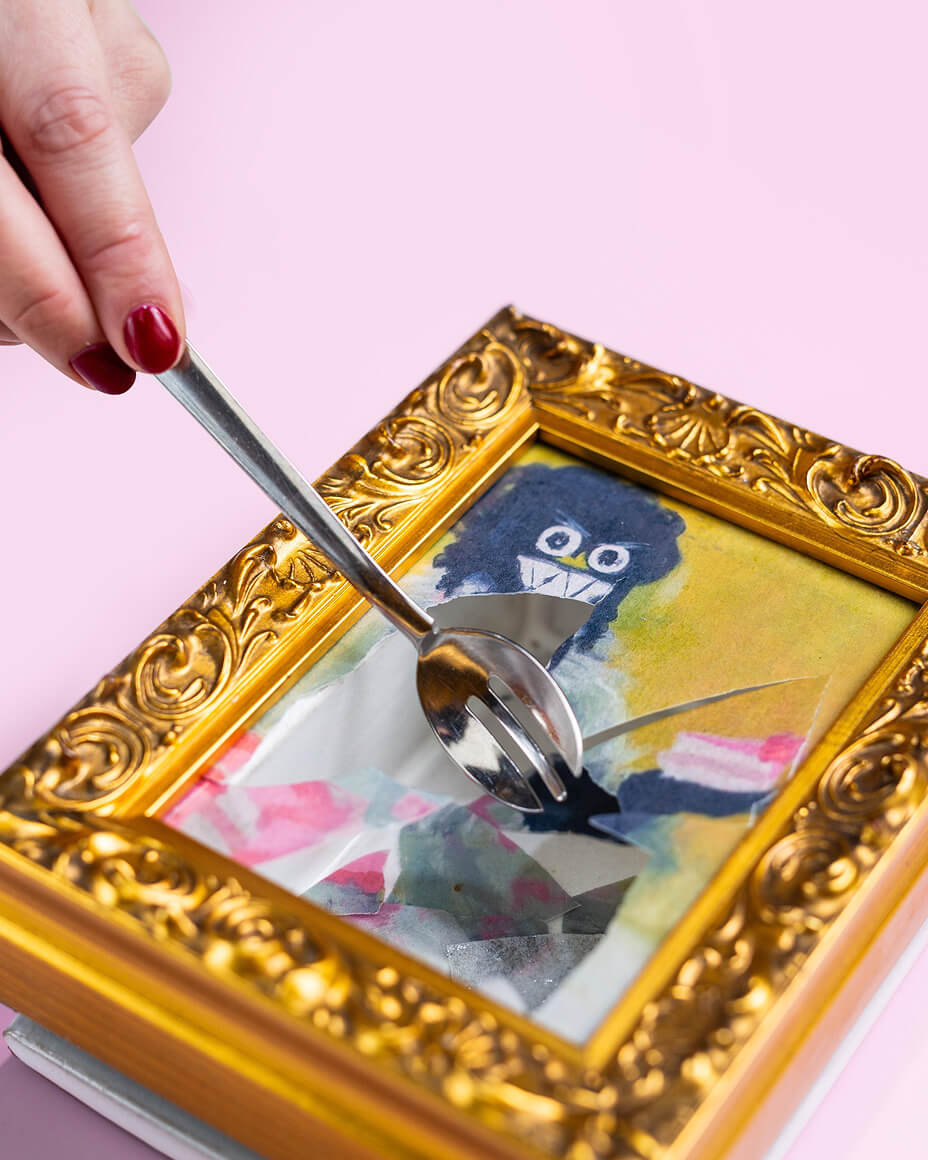
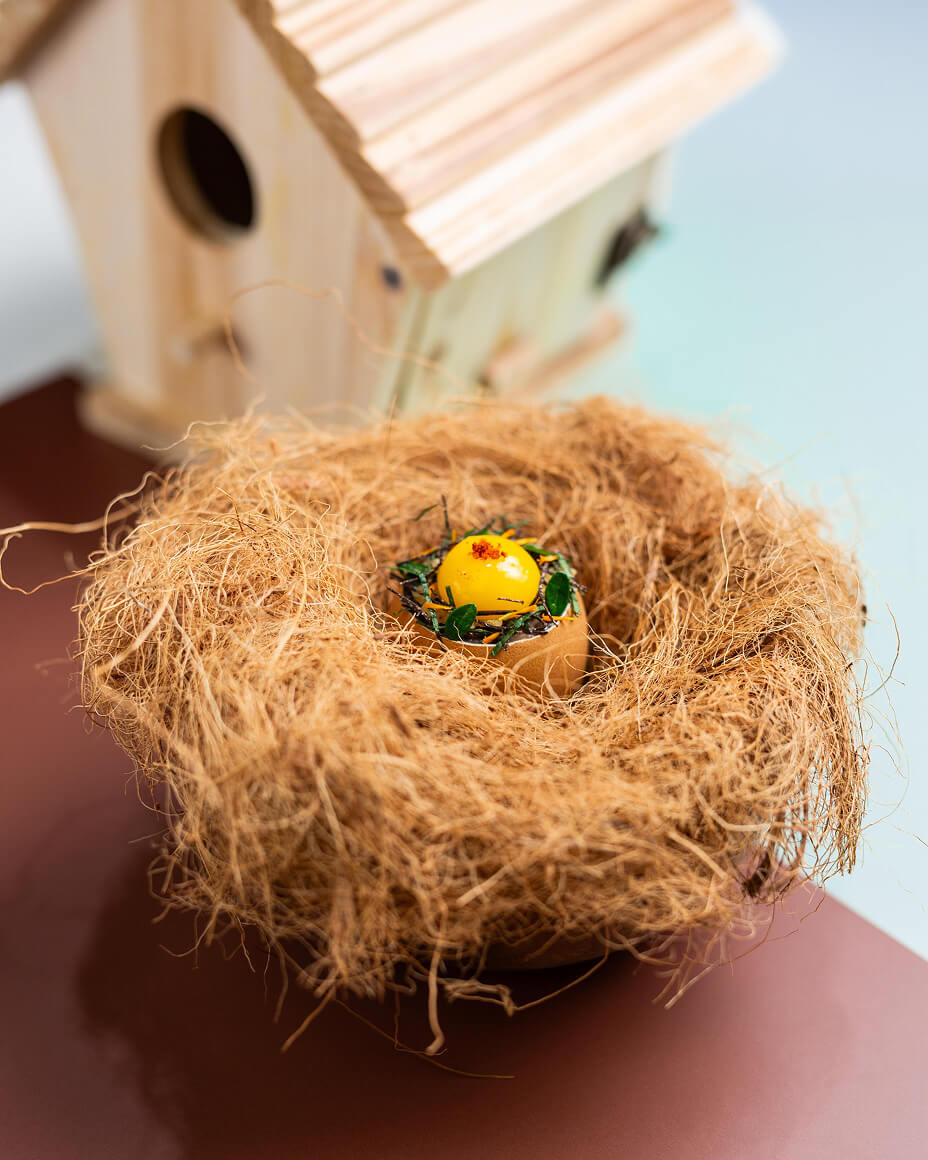
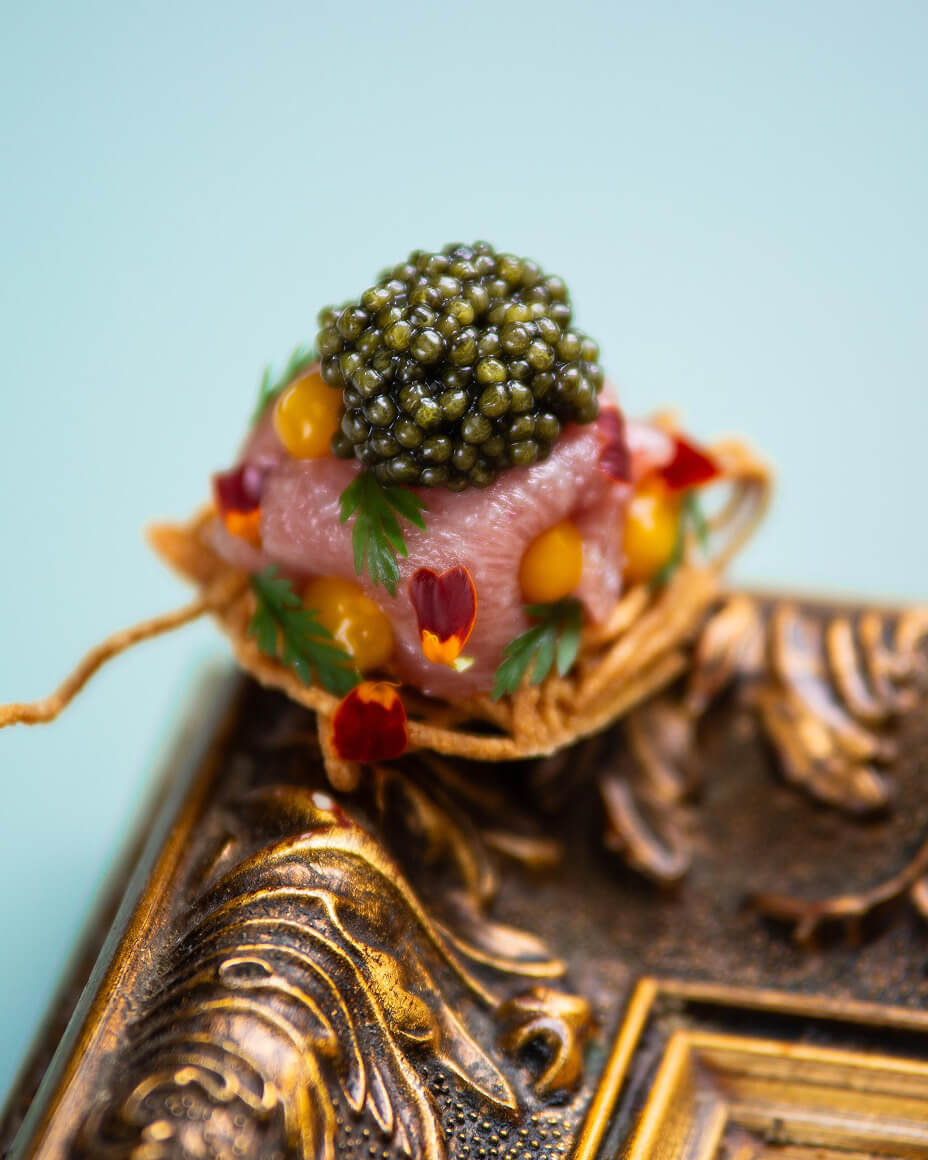
Art and food intertwine at Esmé, a husband-and-wife-owned restaurant that doubles as a platform for local artists to showcase their work. Each menu is a distinct collaboration with a unique artist or creative, extending to the plateware, décor, and uniforms. Guests begin with canapés in an art gallery, and servers share details about the featured artists with each course. All the artwork on display is for sale, and by the end of a menu rotation, most of it has sold.
Chef Jenner Tomaska draws inspiration from each new artist collaborator. Past menus have included a woven mosaic of white asparagus flavored with sea urchin and orange, or a salad bouquet that diners sweep through a painter’s palette of sauces. Tomaska and his team have perfected a tableside presentation of clay-baked proteins and produce, with the intricate, remarkably realistic clay sculptures for the following day carved each night after service.
You feel like a kid again, whether you’re licking Flamin’ hot Cheetos® dust off your fingers at the bar or cracking through a framed edible painting for a spoonful of dessert.
SSAL
San Francisco
The concept
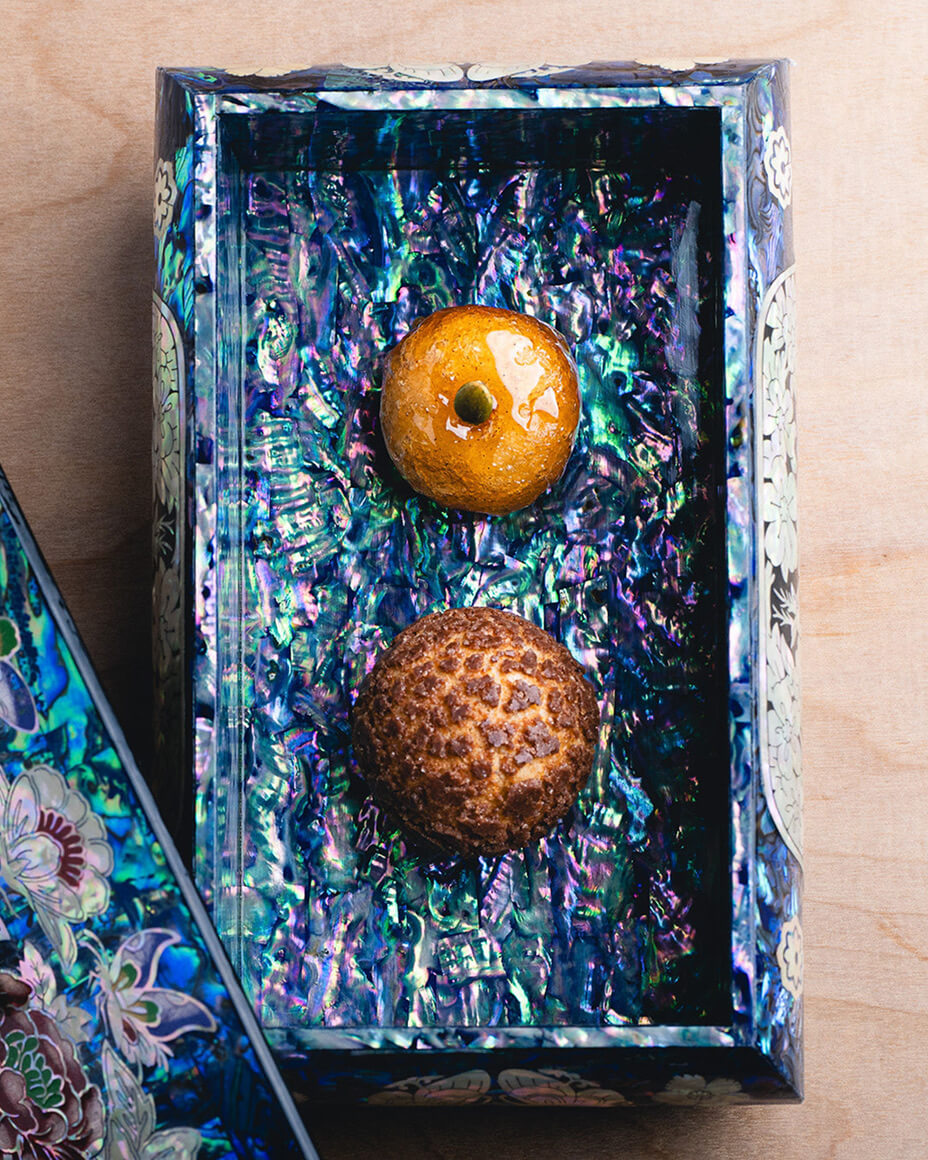
Junsoo Bae grew up in South Korea and knew he wanted to be a chef from a young age. After training at the Culinary Institute of America in Hyde Park, Bae worked at Gramercy Tavern and The Restaurant at Meadowood before opening his own restaurant in San Francisco. At SSAL, he crafts modern California tasting menus inspired by Korean ingredients, flavors, and techniques. The dining room is rooted in Korean aesthetics, showcasing various artisans through paintings, ceramics, table vases, brassware, and custom woodwork. All of these artisans are thoughtfully credited on the SSAL website with shaping every detail with care and dedication.
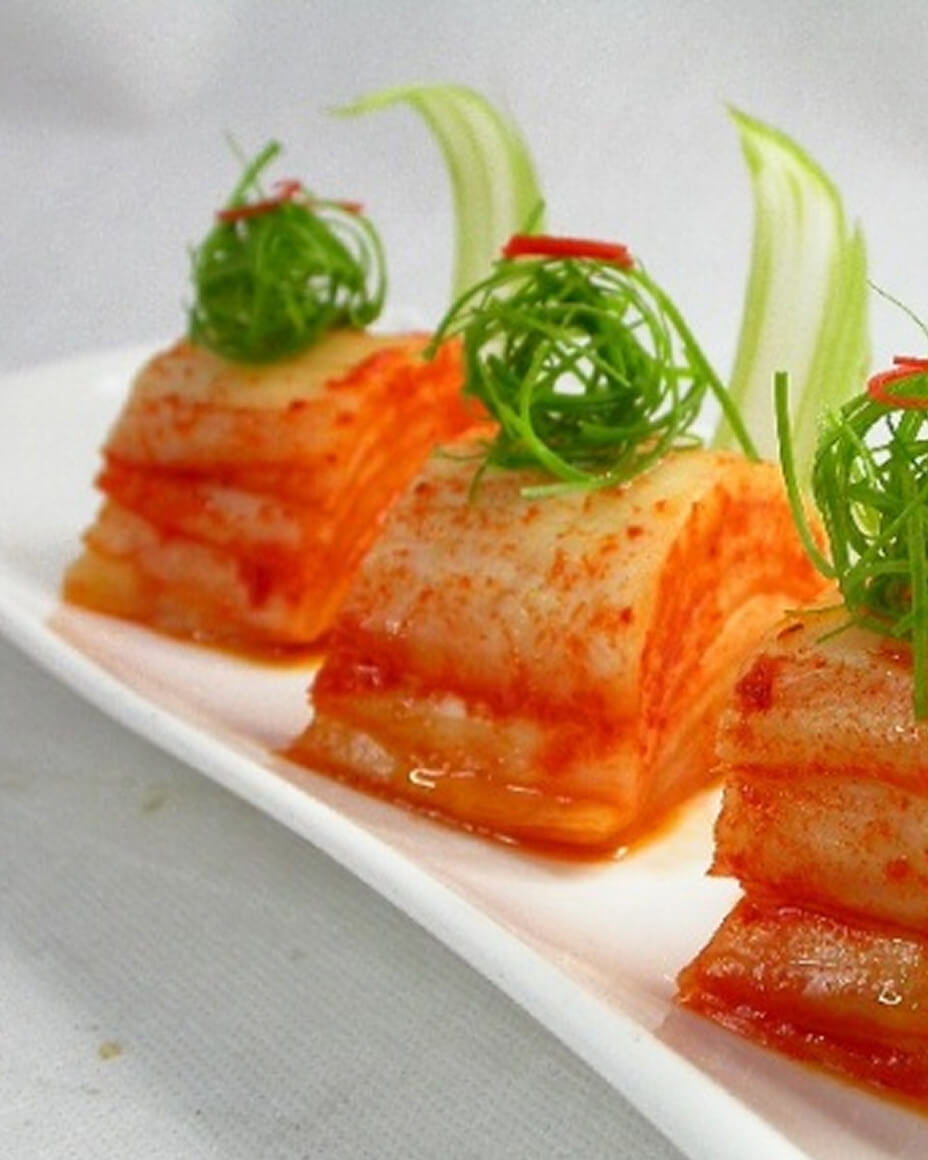
Bae views himself as a conduit of nature, presenting the best ingredients at peak flavor, including fresh picked fruit from the Ferry Plaza Farmers Market selected with help from his three-year-old son. You’ll recognize Korean ingredients like kimchi, but Bae stays away from super funky flavors, opting for non-spicy white kimchi to complement grilled Pacific mackerel jorim. One of the first snacks, a Wagyu tartare tartlet, is drizzled tableside with sesame oil made by Bae’s father in South Korea from heirloom seeds grown in his garden, and mailed across the Pacific. American eel from Maine (which the restaurant receives live) is charcoal grilled with soy marinade and wrapped with koshihikari rice in delicate, soft gamtae seaweed rather than crispy nori, showcasing a rare Korean delicacy with a twist on a sushi handroll.
For the deeply personal perspective on Korean food and culture.
UKA
Los Angeles
The concept
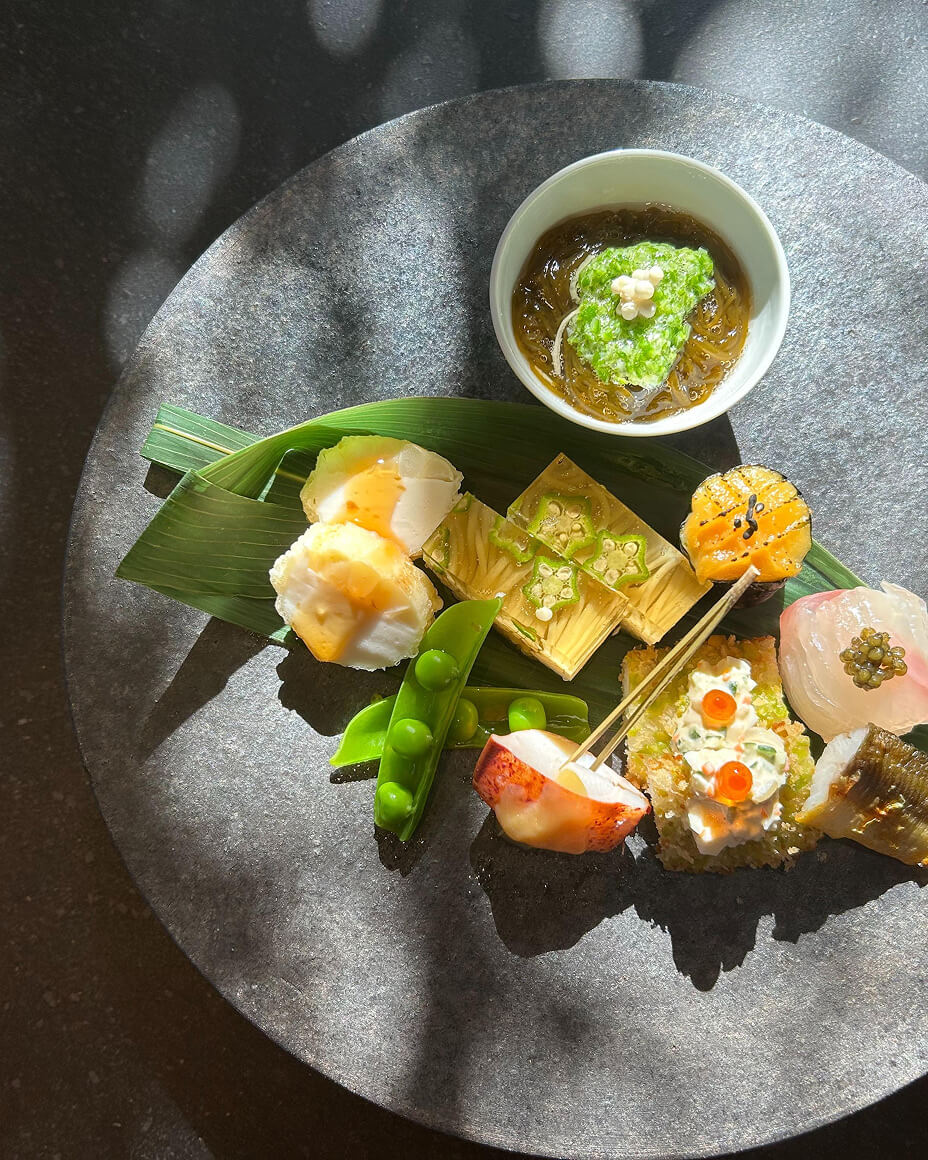
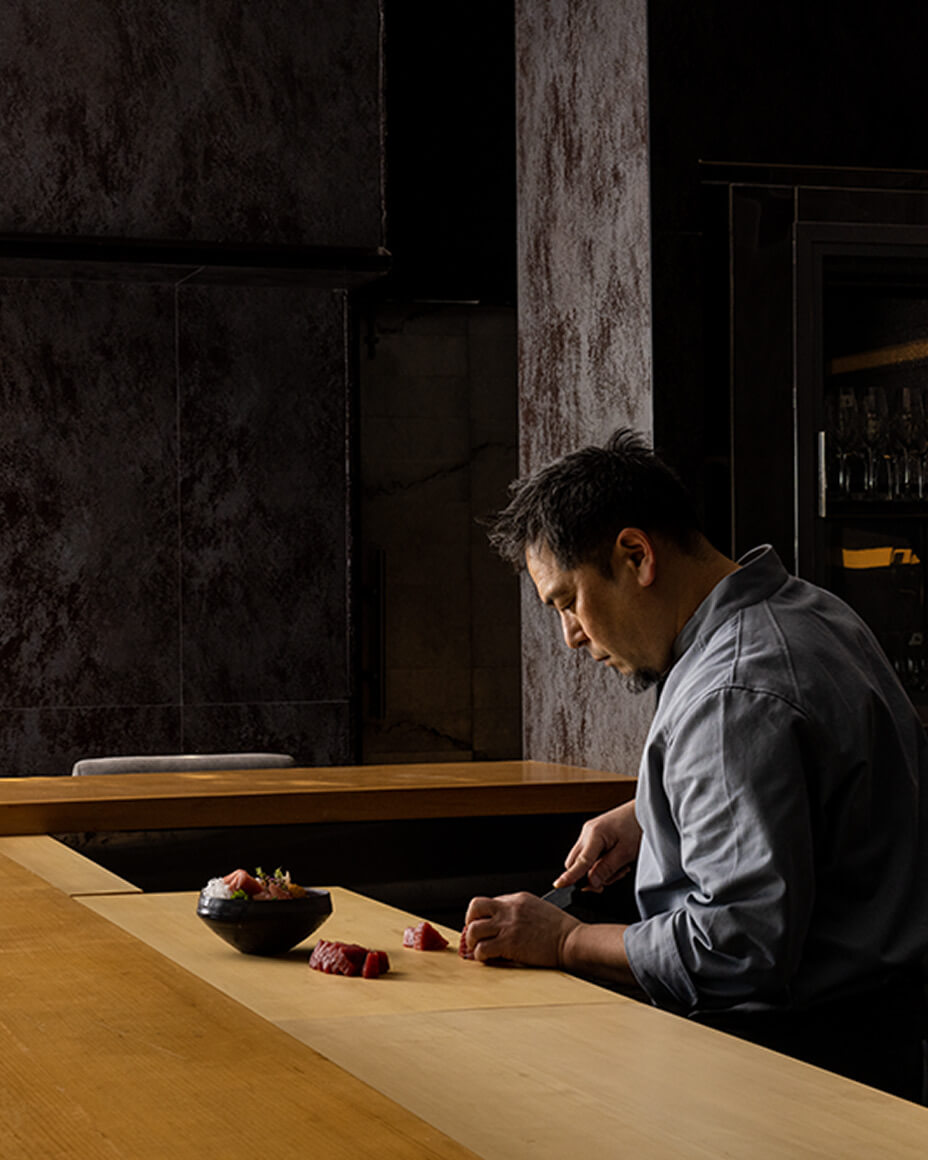
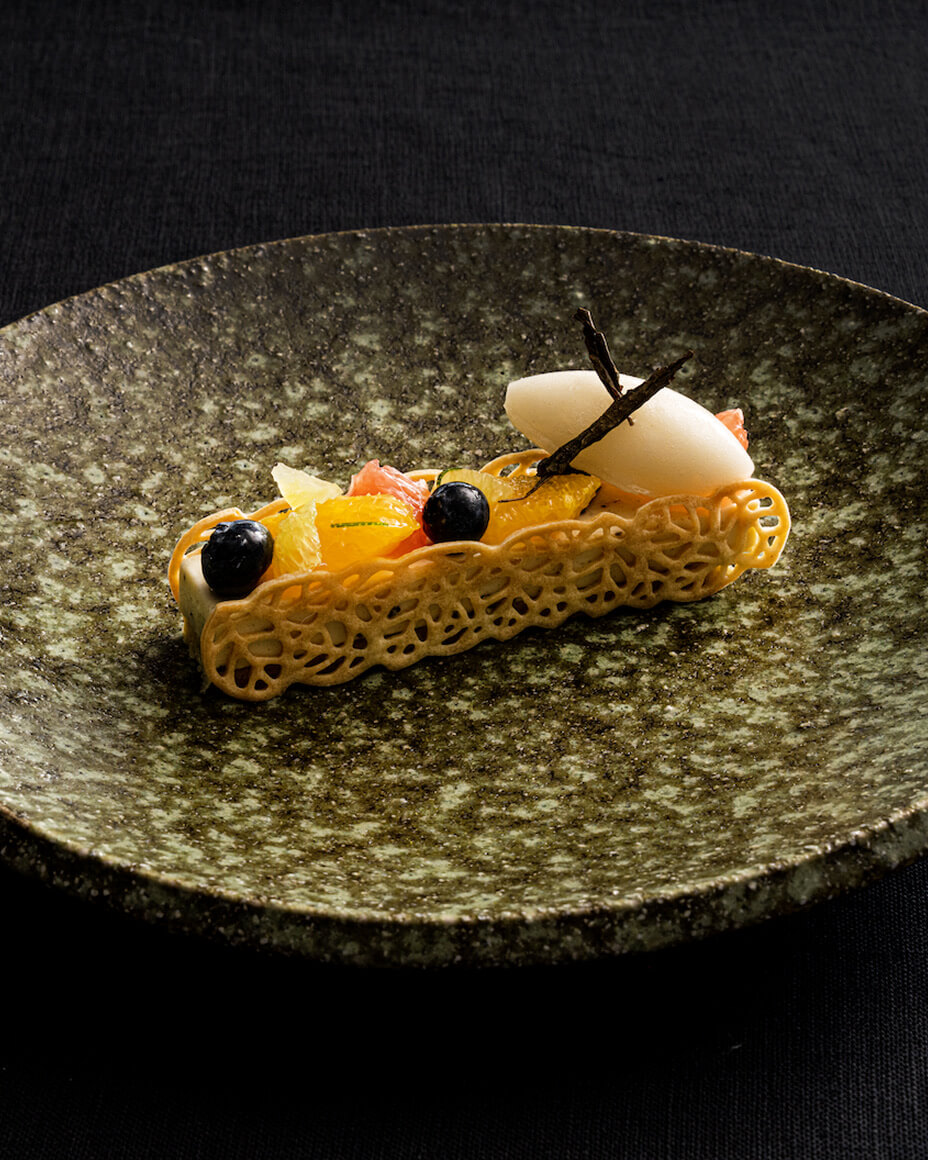
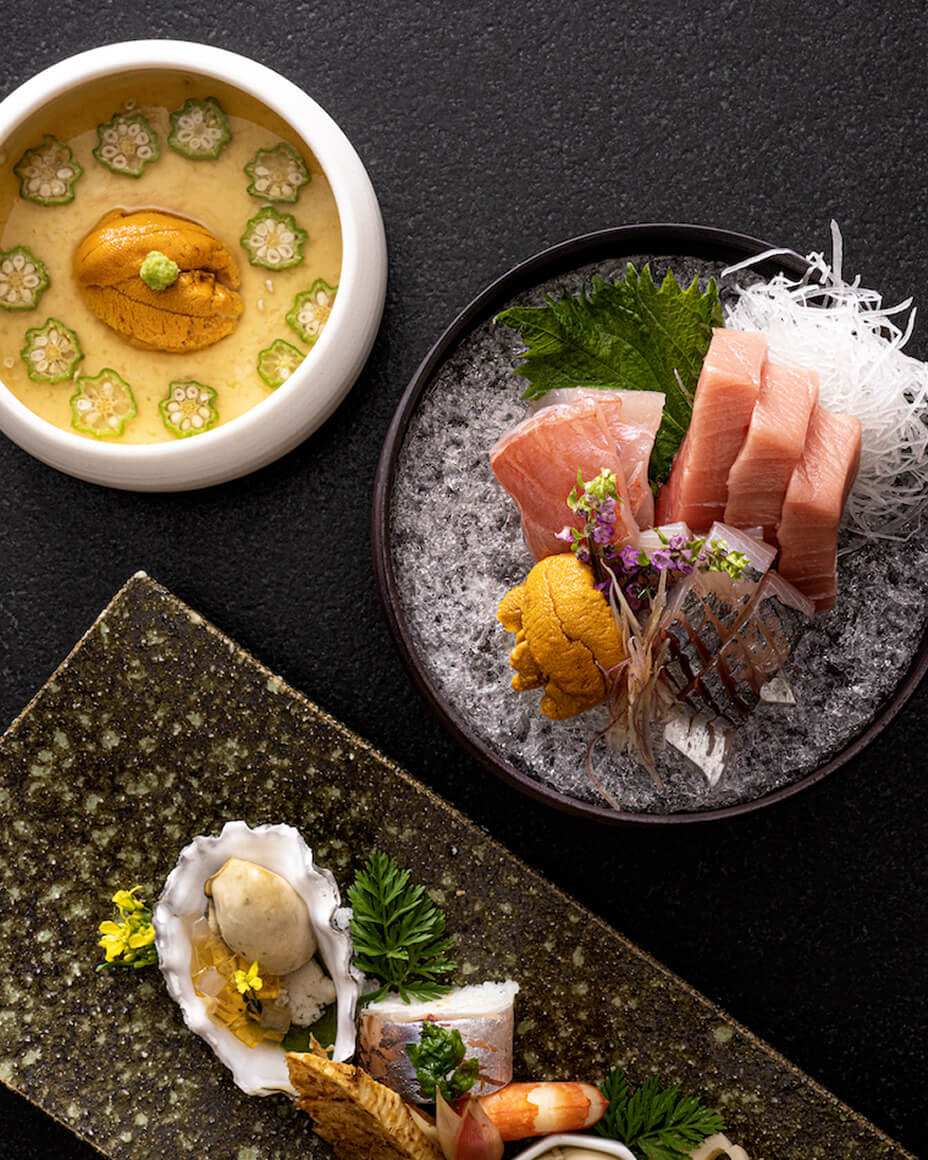
UKA draws inspiration from Ukanomitama-no-Kami, the ancient Japanese deity of grain and fertility who represents nourishment and abundance. The restaurant’s serene, minimalist design offers a moment of Zen in the heart of Hollywood, while Chef Yoshitaka Mitsue approaches each dish on his kaiseki menu as a work of art—guided by seasonality, harmony, and emotion. Dishes are served on specific Shigaraki ware or Echizen lacquerware that evokes the kaiseki tradition through its careful attention to detail, material, and pottery style. These pieces are thoughtfully sourced from Japan, underscoring Mitsue’s role as a true culinary ambassador.
The sakizuke, or seasonal appetizer course that opens the meal, reflects more than just the time of year—it is occasionally themed around Japanese national holidays, such as Children’s Day, to honor cultural traditions. Chef Mitsue prepares his katsuo dashi in-house, freshly grating bonito to create the delicate broth that forms the foundation of his owan, a refined soup course. Each fish featured in the sashimi selection is meticulously dry-aged in-house to deepen both flavor and texture.
For the omotenashi, an elegant and nuanced form of Japanese hospitality.
Atera
New York City
The concept
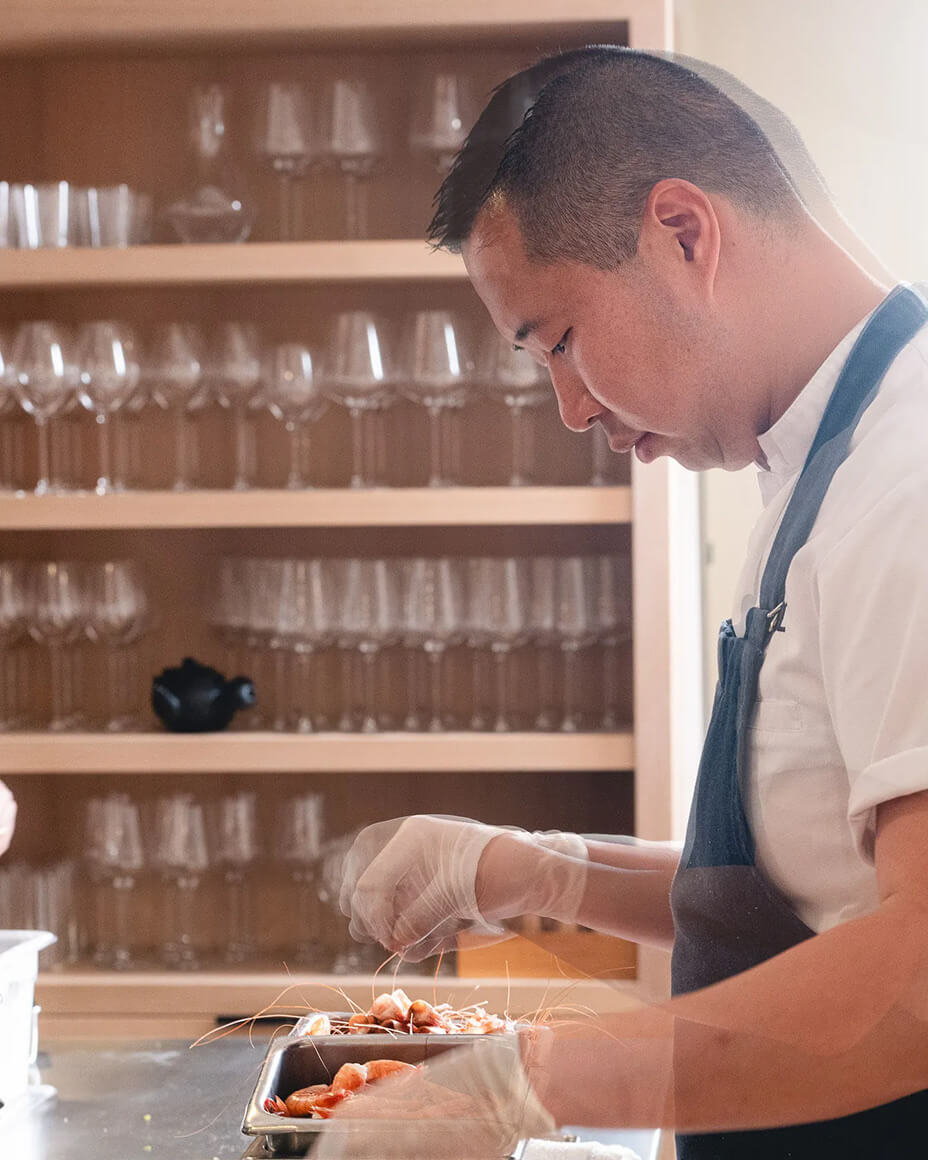
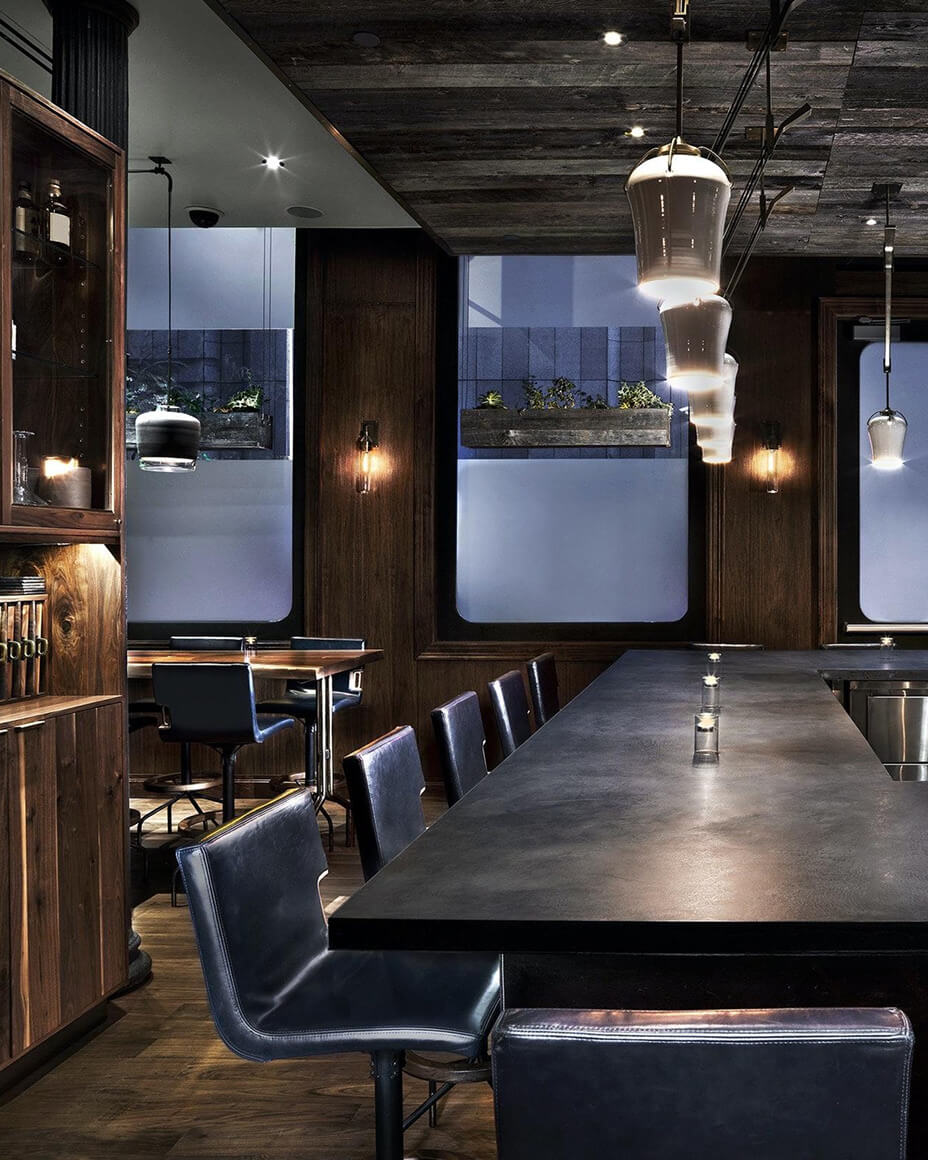
A chef’s counter in a dark and moody dining room sets the stage for a culinary performance by Danish chef Ronny Emborg, who has been leading the kitchen at Atera for a decade. Emborg honors the poetry of nature with a continuously evolving tasting menu, constantly tweaking dishes rather than sticking to a list of greatest hits. Dining here feels like watching a plein air artist at work. This is the rare New York tasting menu establishment open every day of the week, including lunch on Saturday.
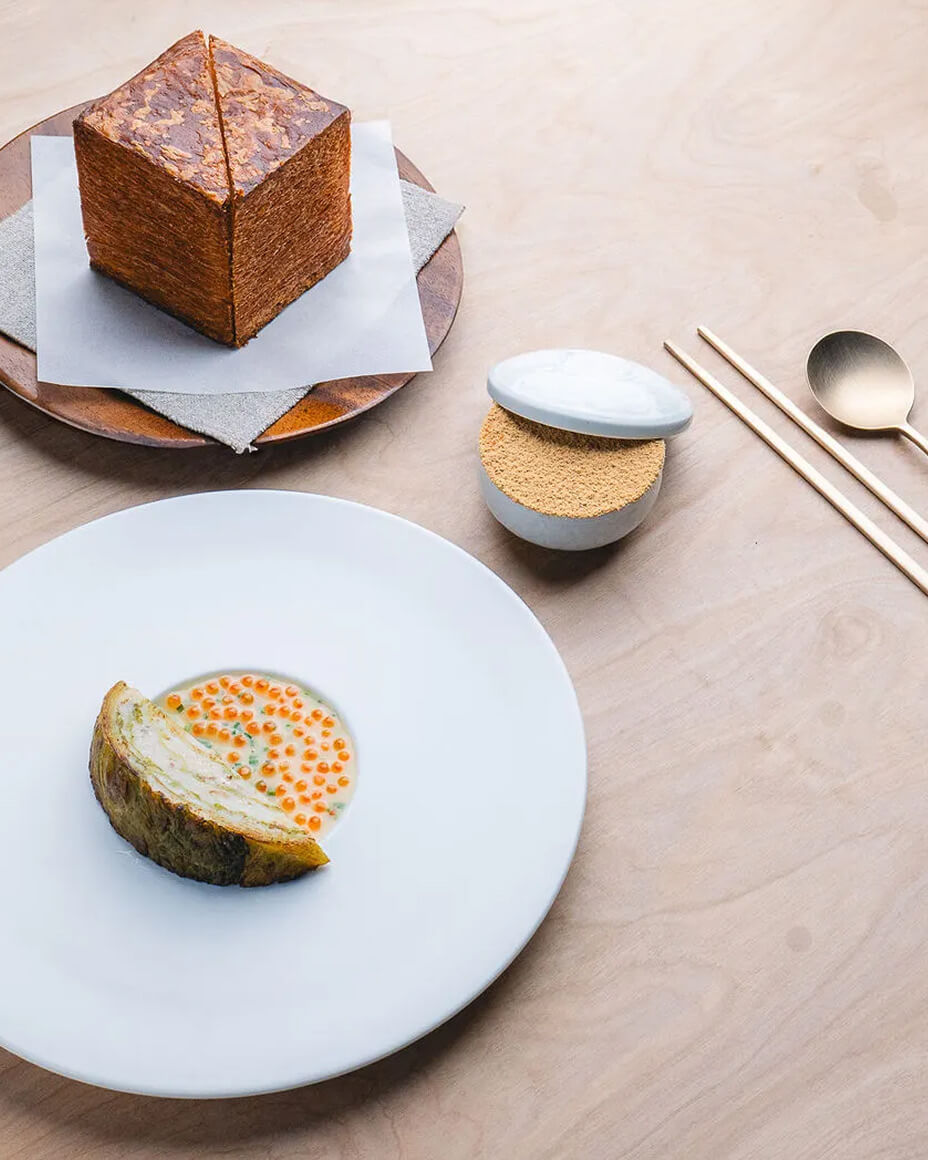
Æbleskiver with truffle and Comté cheese is an indulgent opening bite, with a nod to Emborg’s Danish roots. Weird and wonderful combinations might include a corn cappuccino with shrimp broth, heaps of Ibérico ham and saffron mushroom ravioli. Totemic luxury ingredients abound, from foie gras and Wagyu beef to ungodly amounts of caviar atop silky custard with smoked olive oil. Desserts end on a light note, including a trio of doll-sized mignardise.
A lively soundtrack of Rihanna, Snoop Dogg, and Kesha shatters any fine dining pretension.
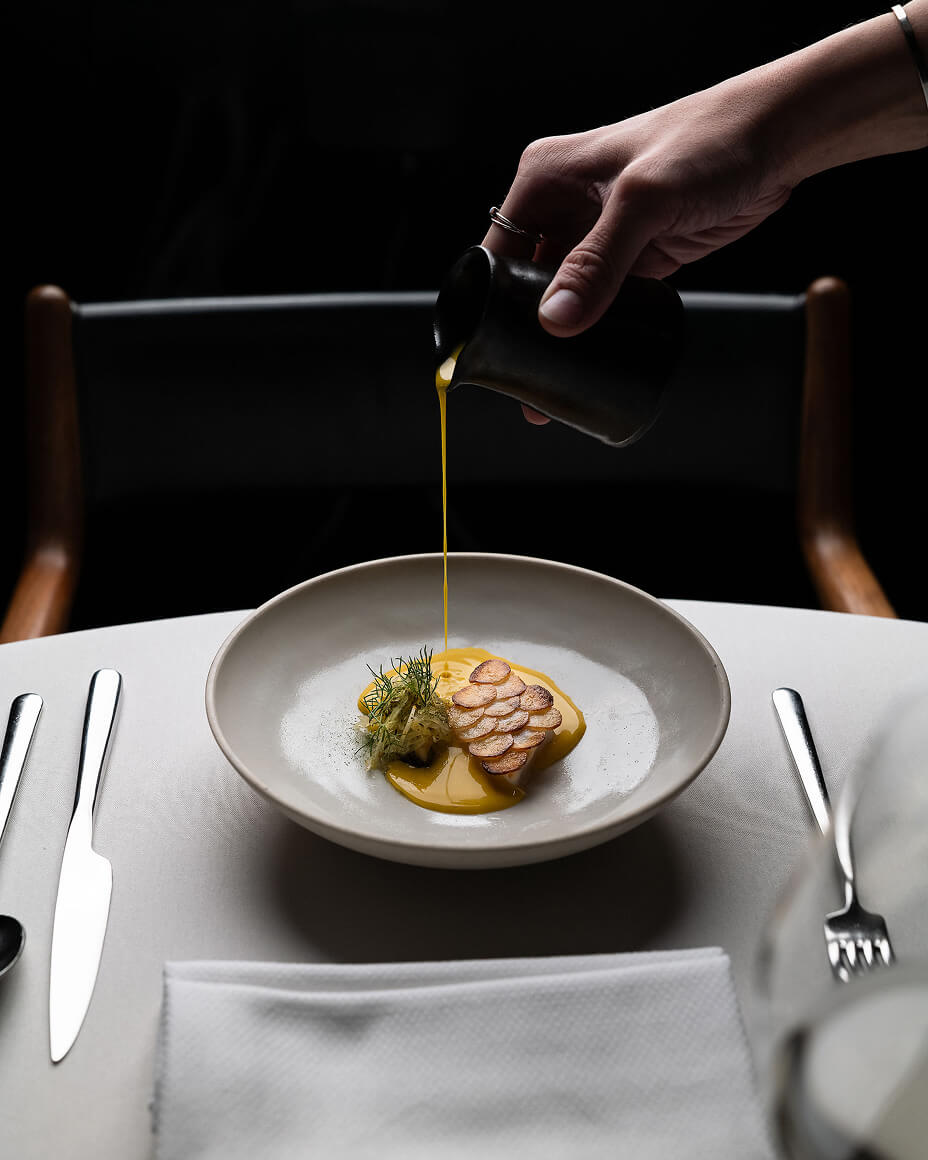
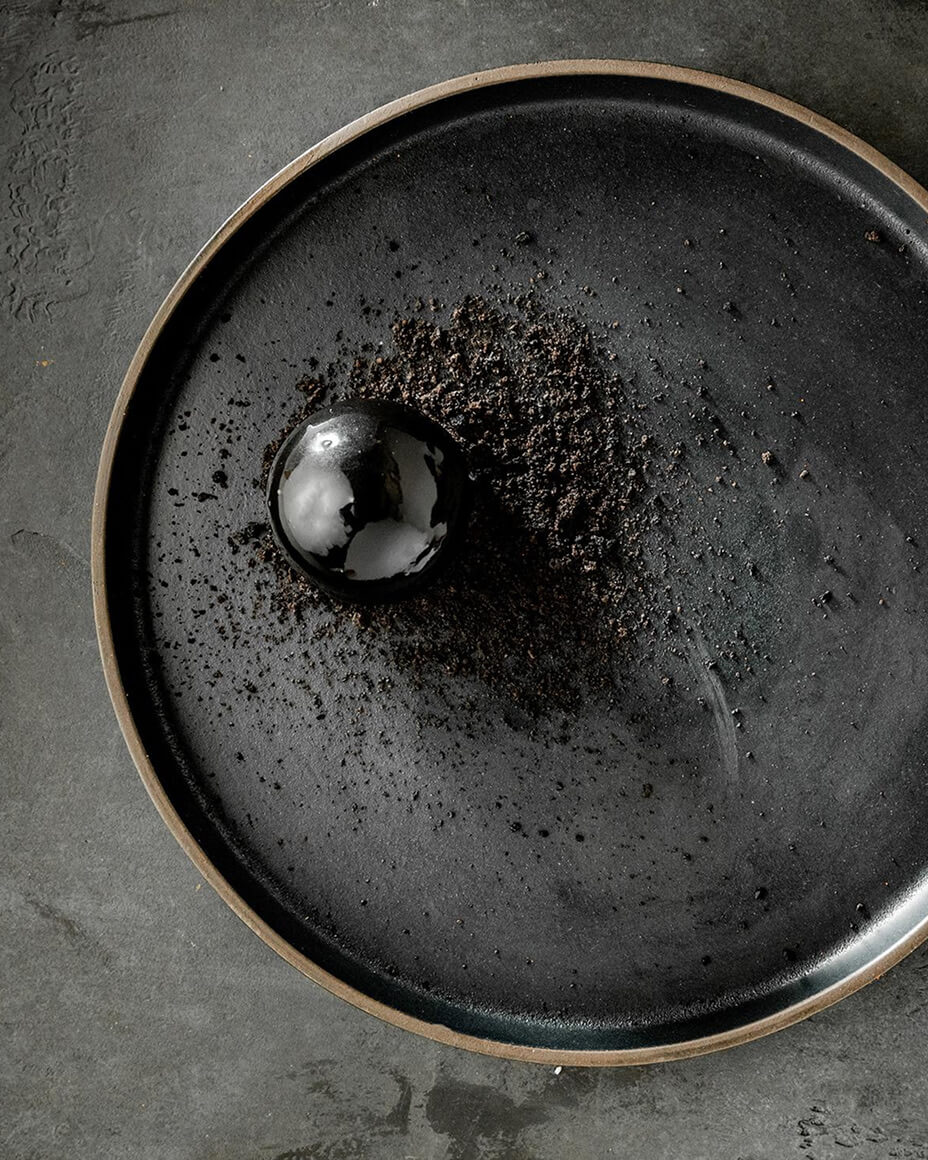
Photo by Jim Sullivan
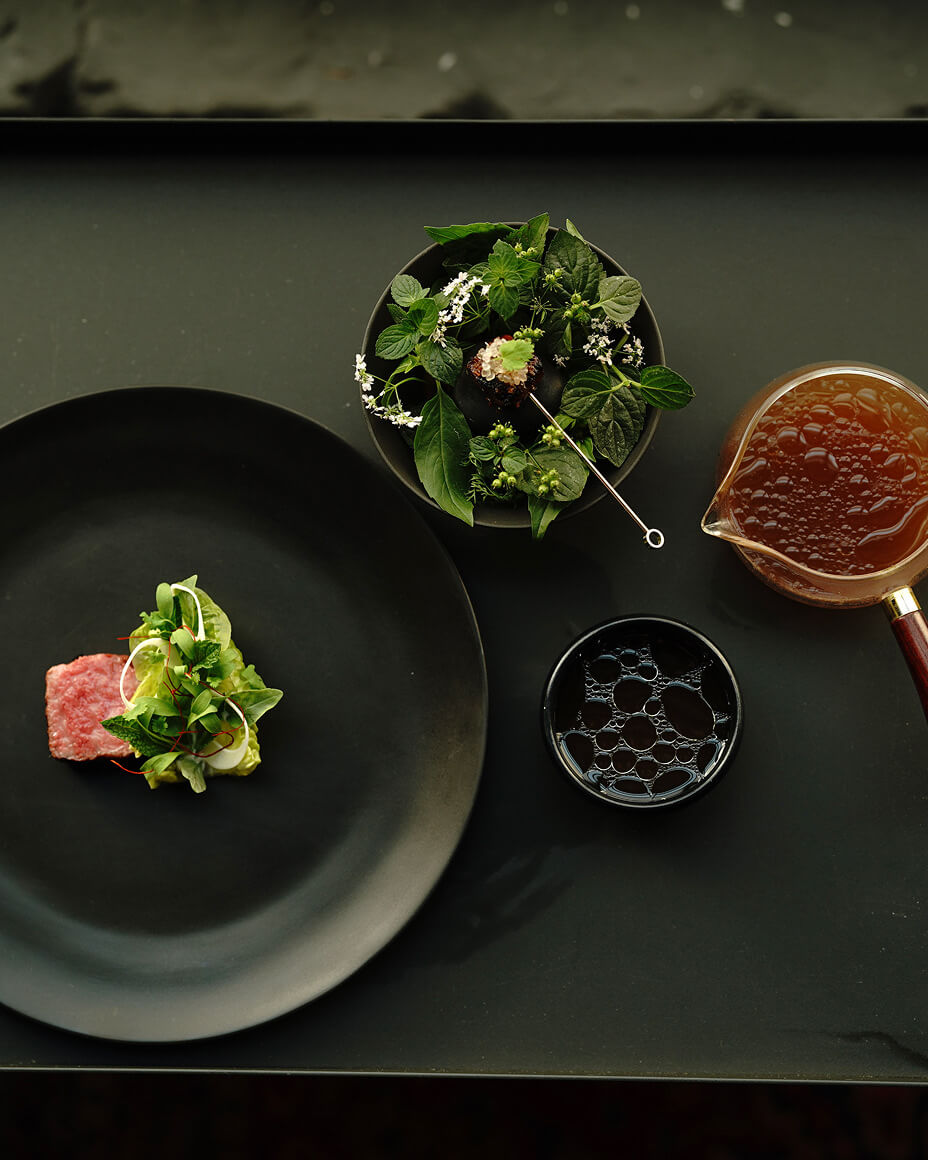
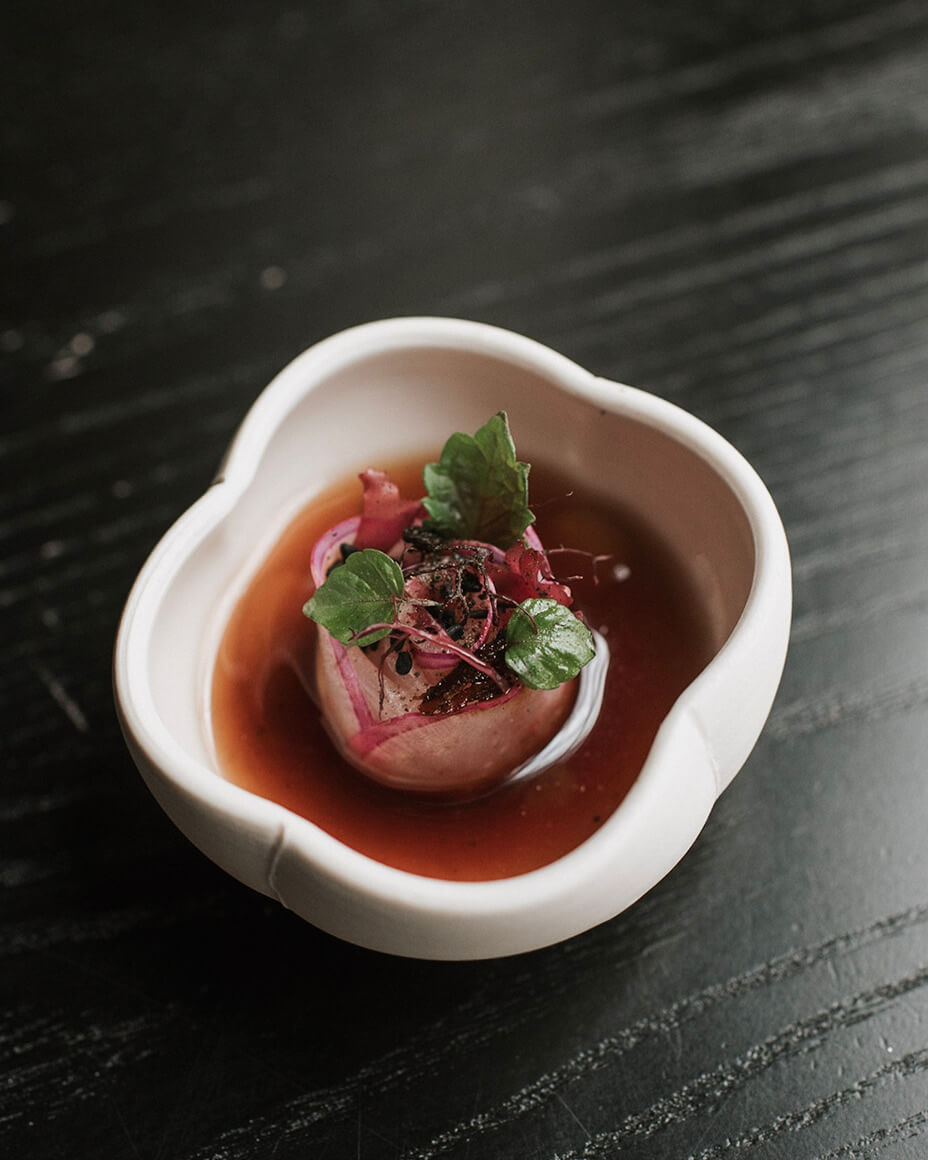
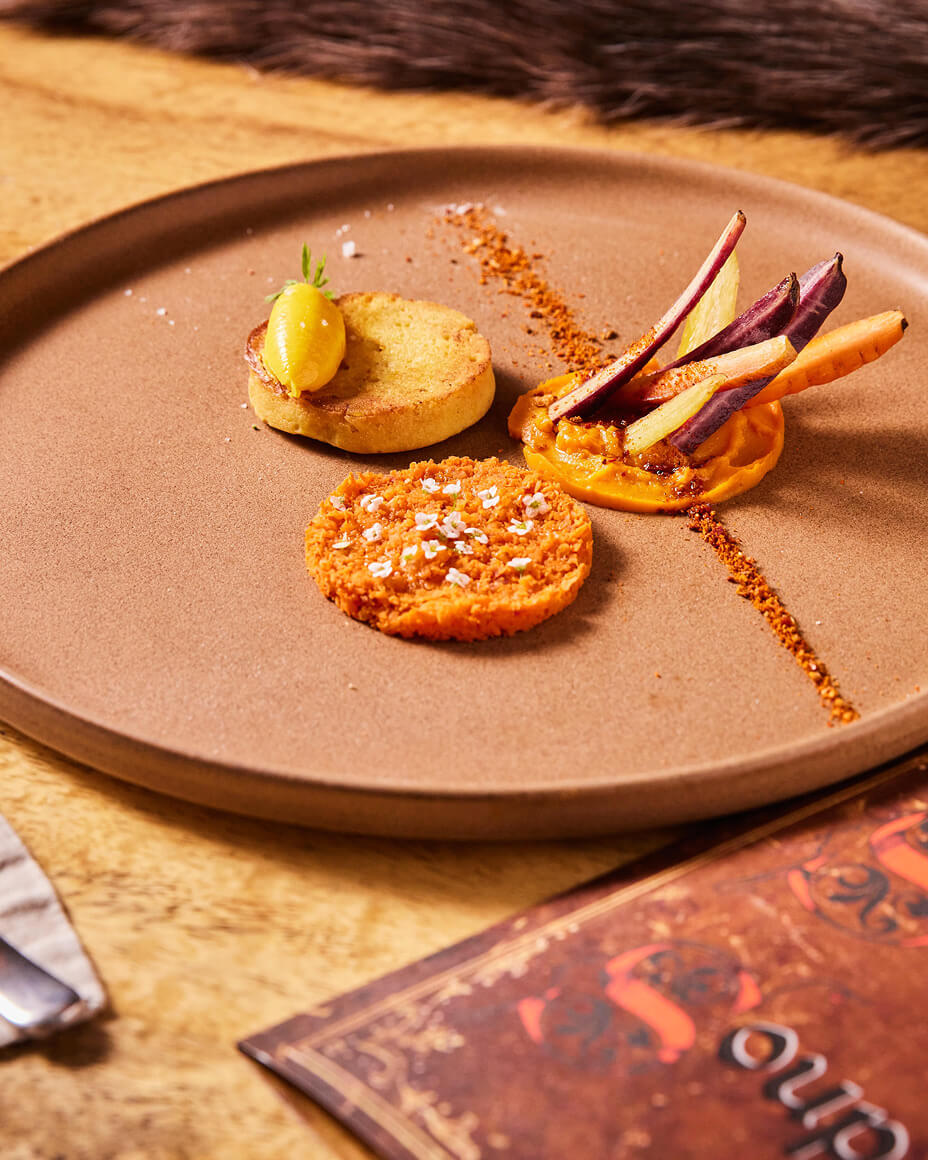
Photo by Alana Wang
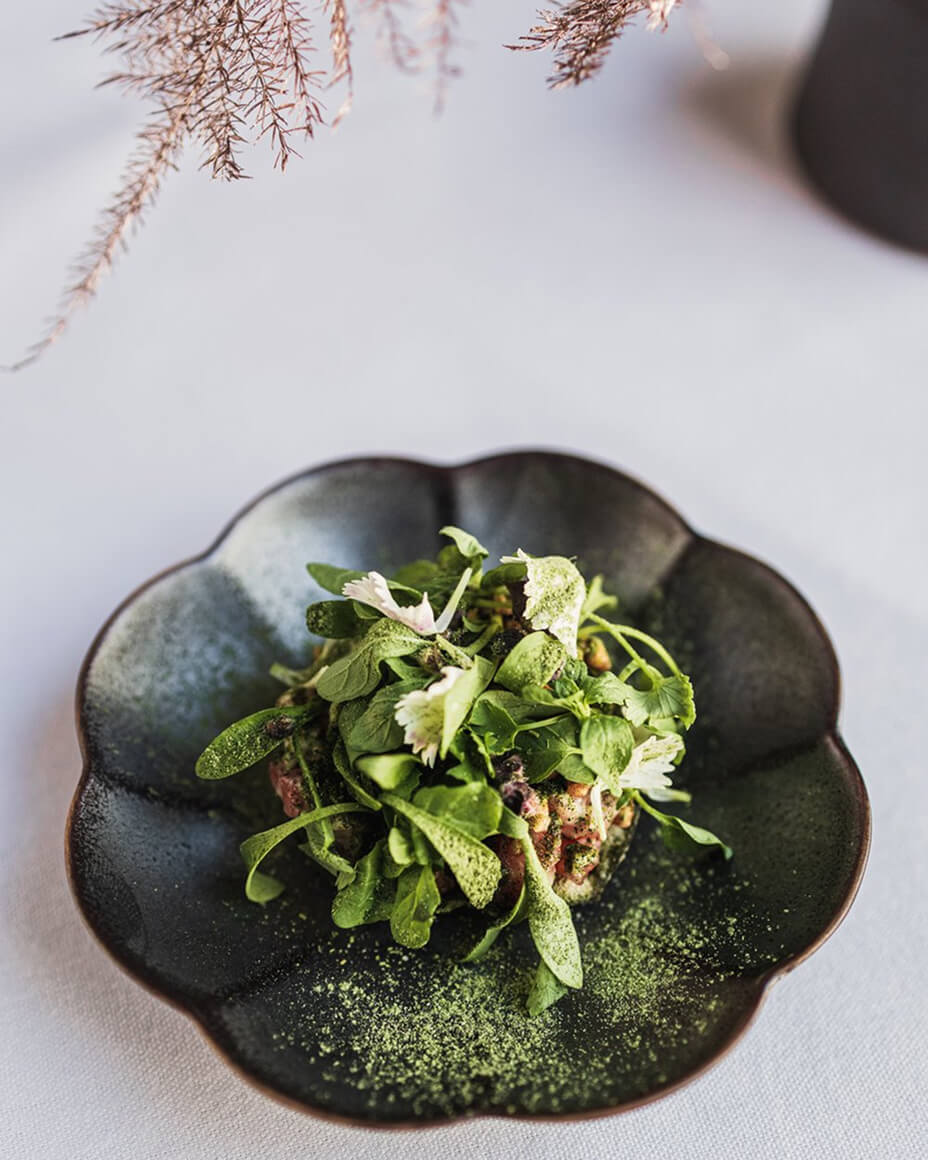
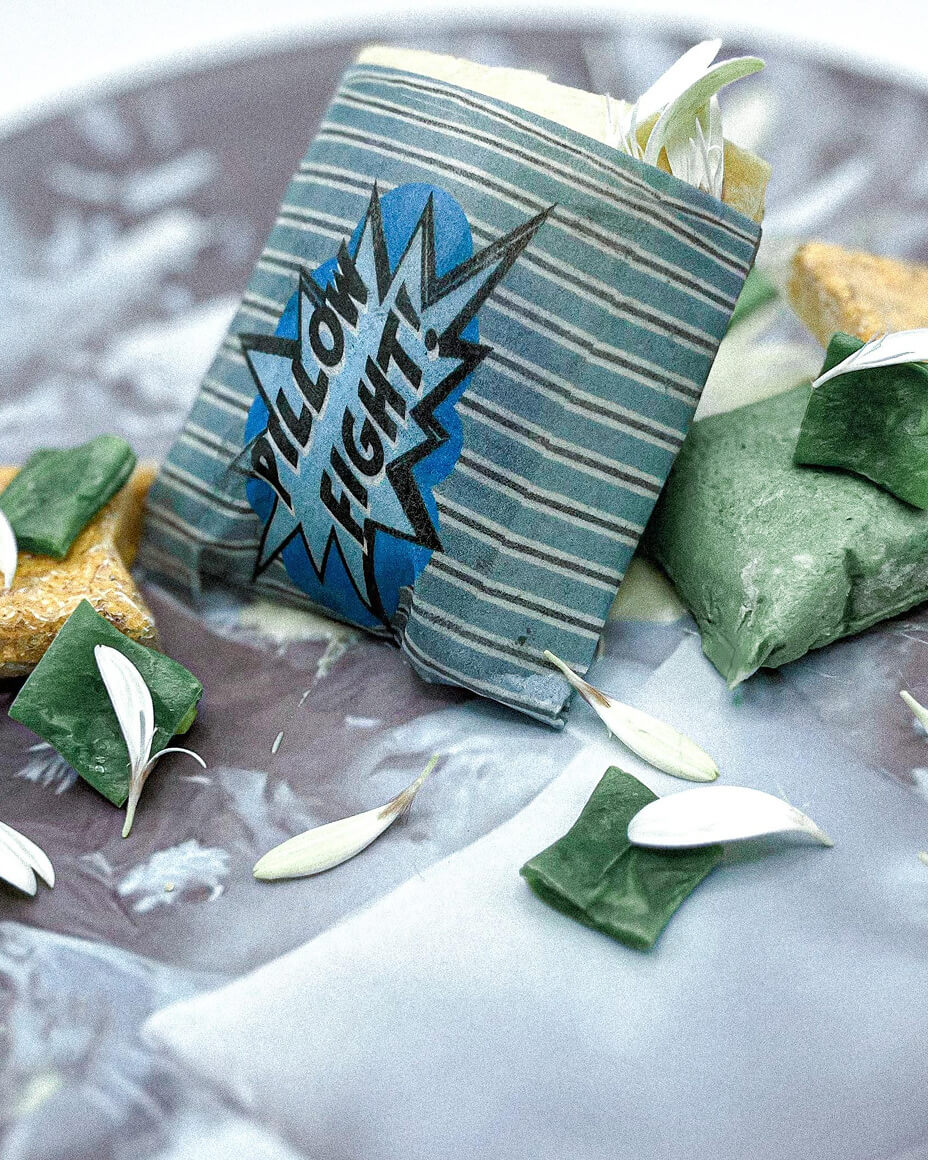
Photo by Garrett Sweet
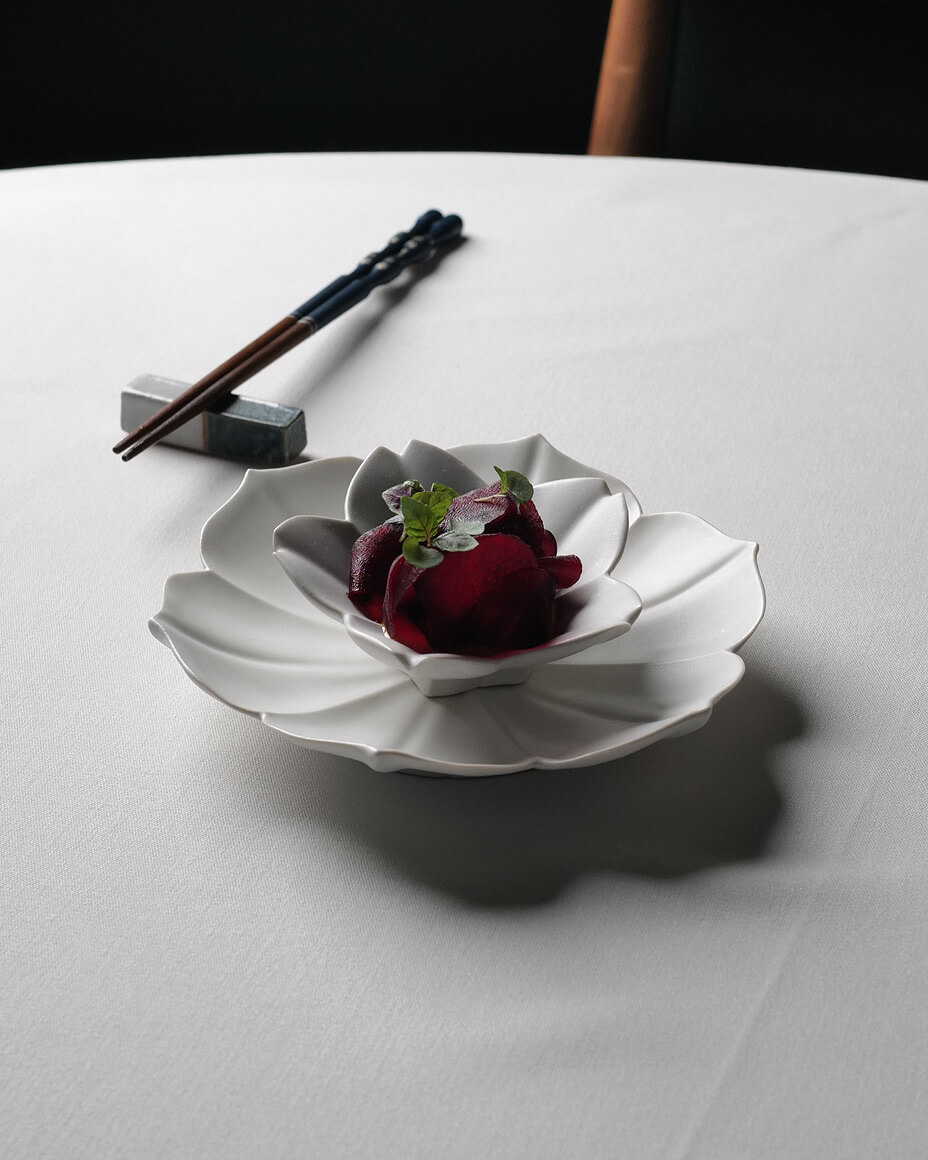
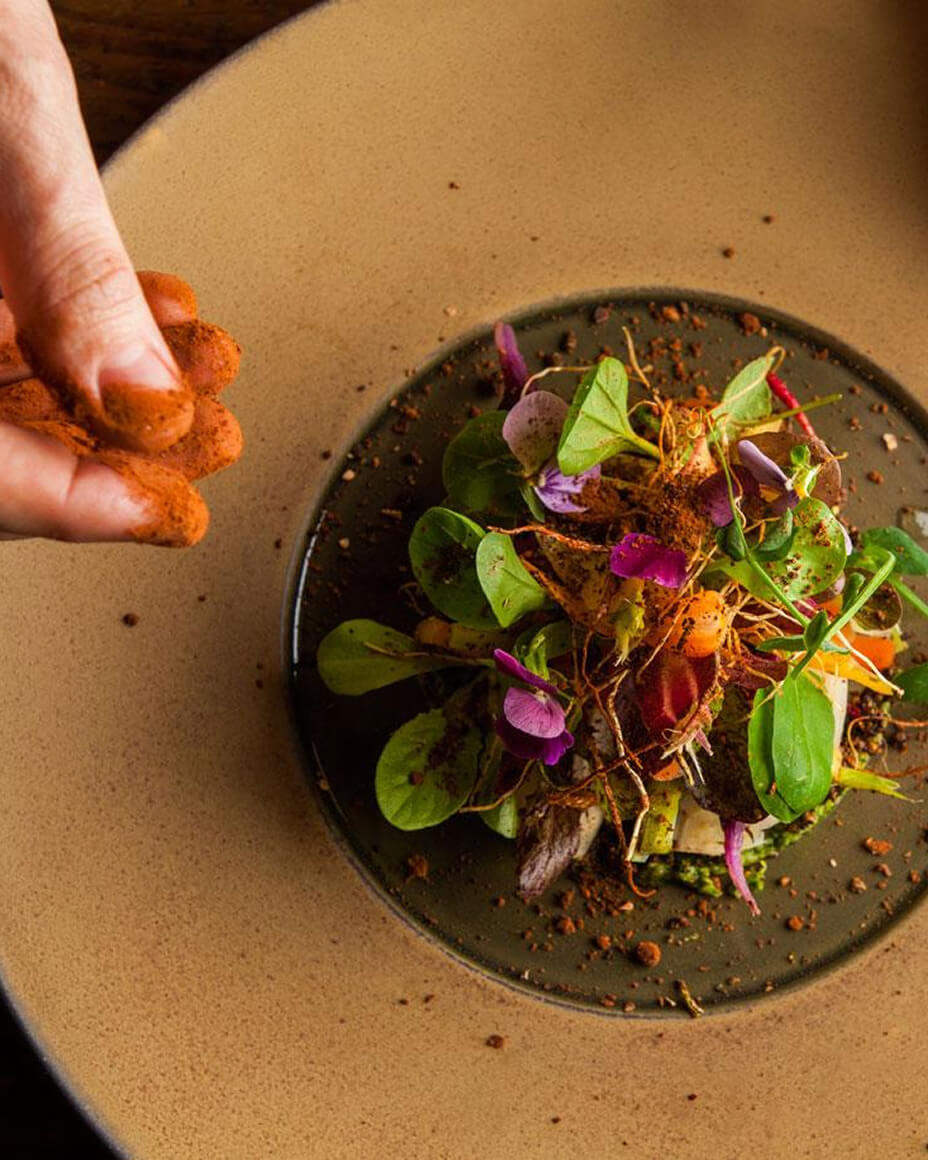
Photo by Emily Rosenfeld
Oriole
Chicago
The concept
The food is both visually-stunning and thought-provoking at Oriole, the former warehouse-turned fine-dining restaurant in Chicago’s West Loop neighborhood. Enter through a freight elevator into a minimalist dining room featuring a state-of-the-art open kitchen, of which the ceiling is plastered in vintage concert posters. Chef Noah Sandoval, a former punk rocker, brings artistic sensibilities to his cooking and plating, creating unique flavor combinations and never bending to industry trends.
Foie gras brioche toast with seasonal fruit jam and crème fraîche “Dippin Dots” is a signature course that guests are invited to enjoy in the kitchen. Feel free to ask questions, crack jokes, or just watch the chefs effortlessly moving, like a choreographed performance. Capellini pasta, generously topped with a flurry of fresh shaved Périgord or white truffle and nutritional yeast is another umami bomb classic that has been on the menu for nearly a decade.
For the irreverent devil-may-care juxtaposition of fine dining and punk rock.
Sons & Daughters
San Francisco
The concept
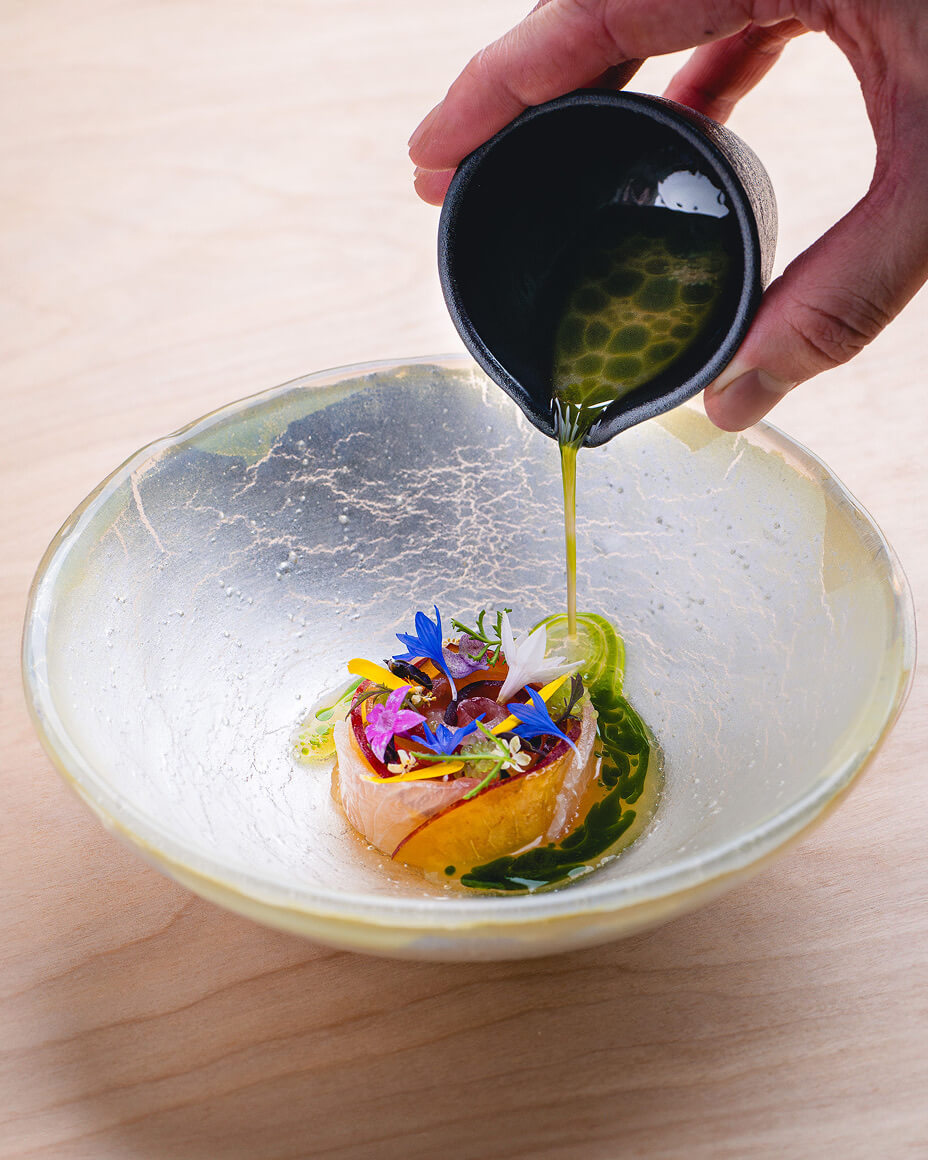
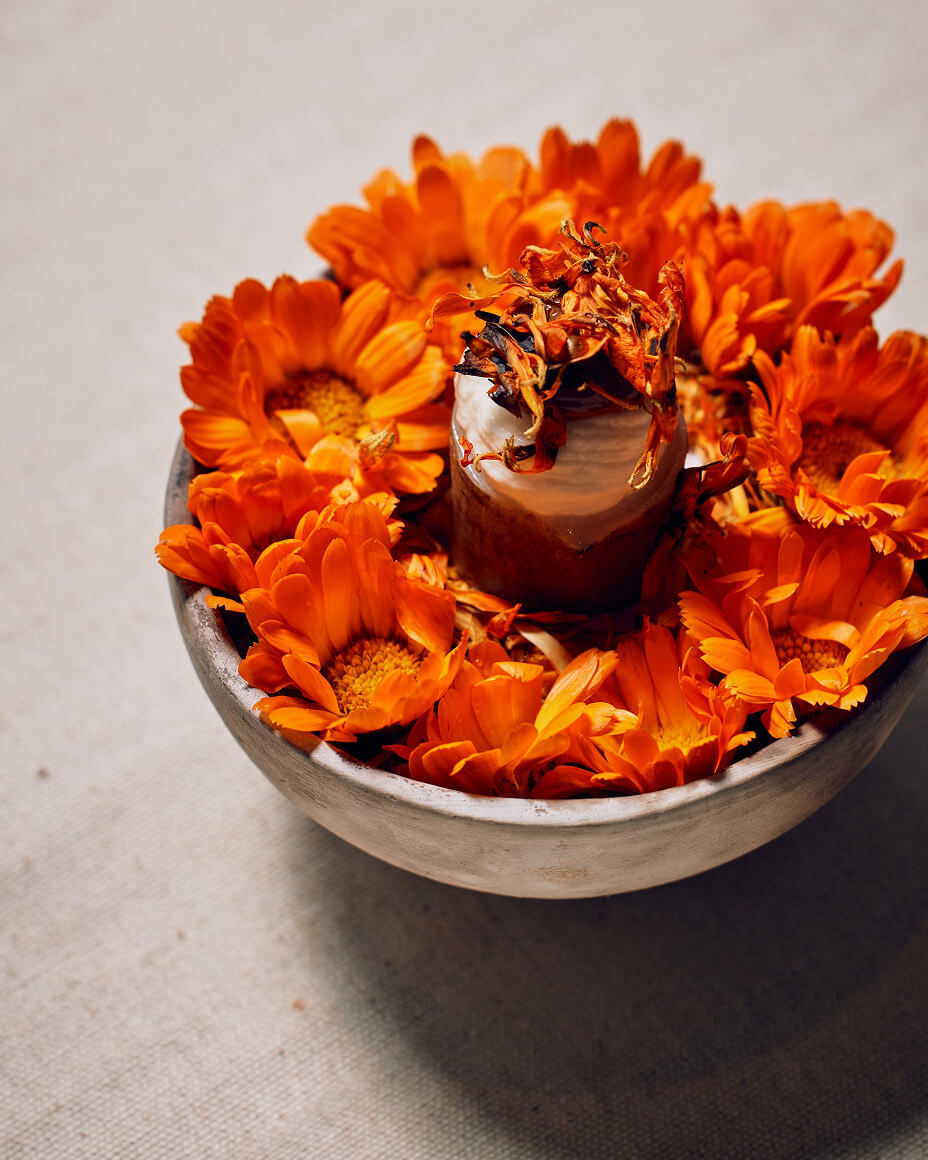
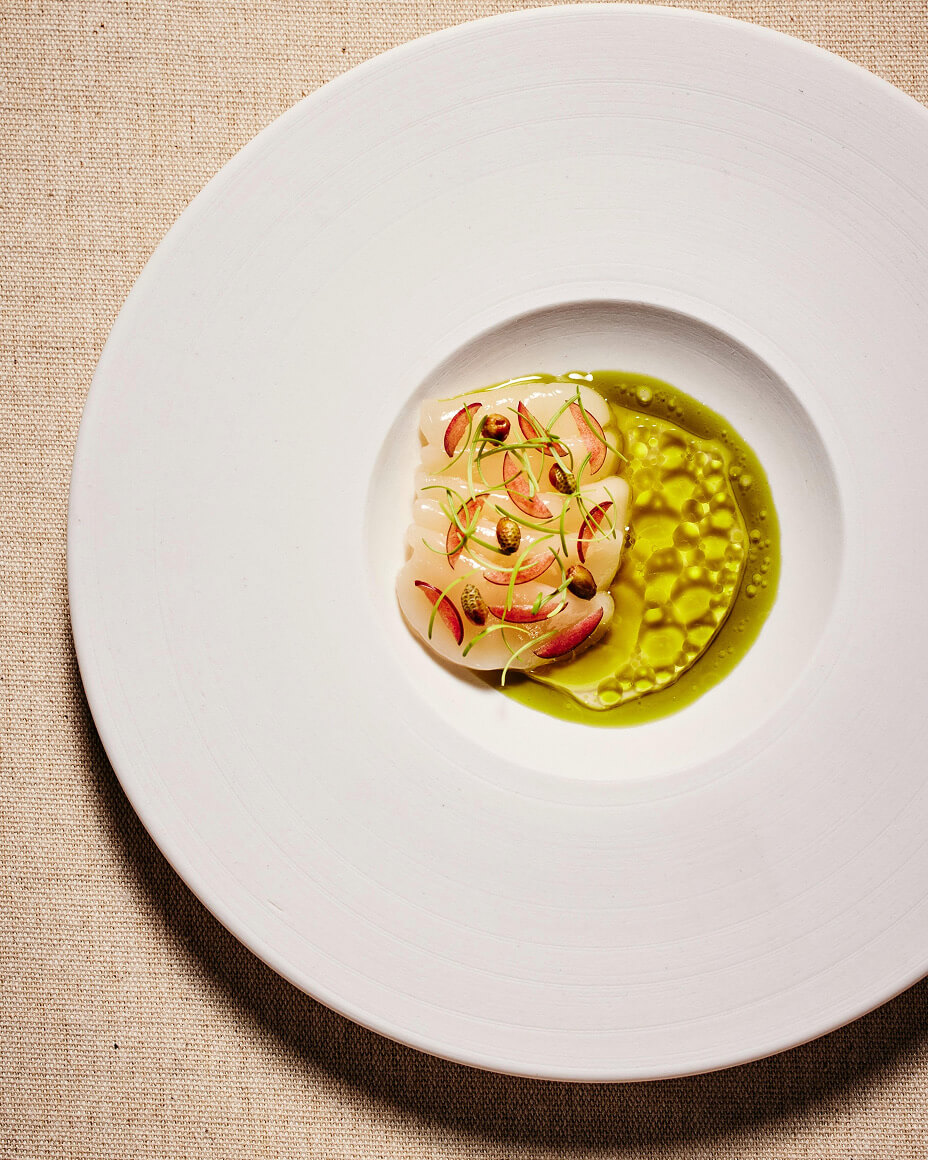
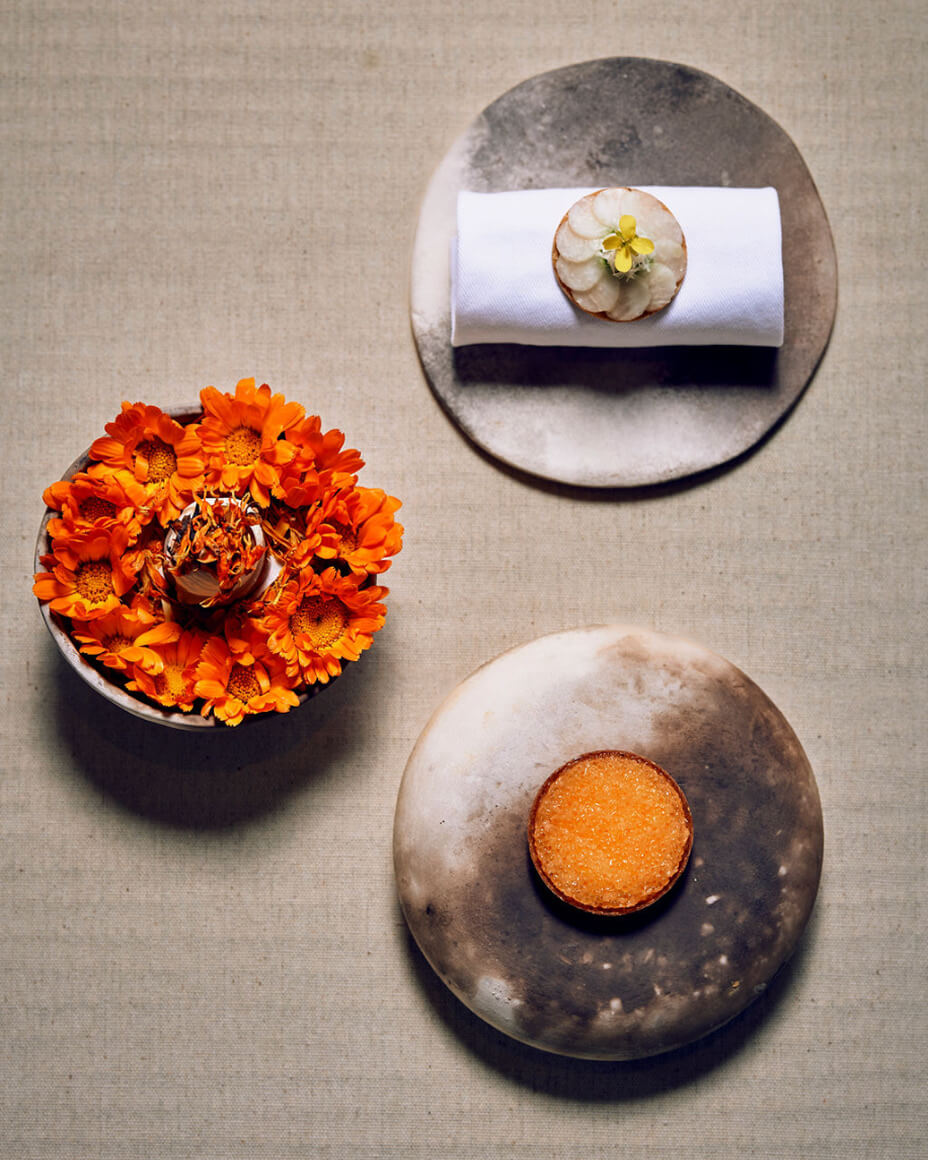
Zero-waste New Nordic minimalism with a California twist is the vibe at this cozy San Francisco restaurant. Originally from London, Chef Harrison Cheney credits his mother, an established ceramicist, for nurturing his creativity and artistic eye. At Sons & Daughters, he showcases local producers and classical techniques from an open kitchen, creating dishes that balance negative space, visual contrast, and, at times, delicate touches like edible flowers—all arranged in striking, artful compositions. According to Cheney, “Everything from the aprons that we wear to the plates and woodwork we use comes from local ceramicists and artists.” Fittingly, the opening snacks are served on custom ceramics handmade by his mother.
Cheney relies on fermentation to coax additional layers of flavors and preserve fleeting seasonal ingredients. Think 48-hour fermented white asparagus paired with sustainably sourced Osetra caviar—or 35-day dry-aged beef served with preserved wax beans, fresh garlic, and herbs from the farm at Meadowood.
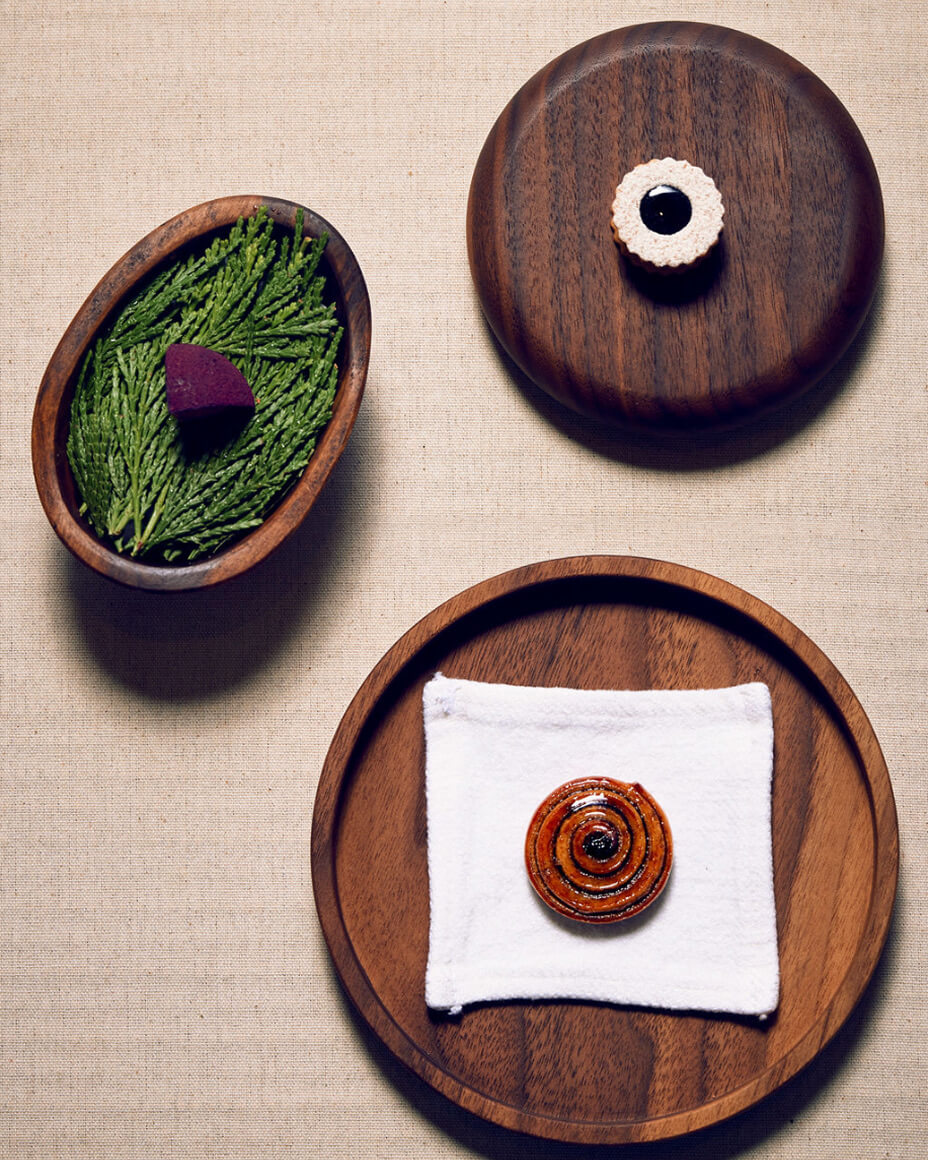
For the sense of place. Pickled pine pollen, Douglas fir, and smoked black cod from Half Moon Bay showcase the best of Northern California.
Hayato
Los Angeles
The concept
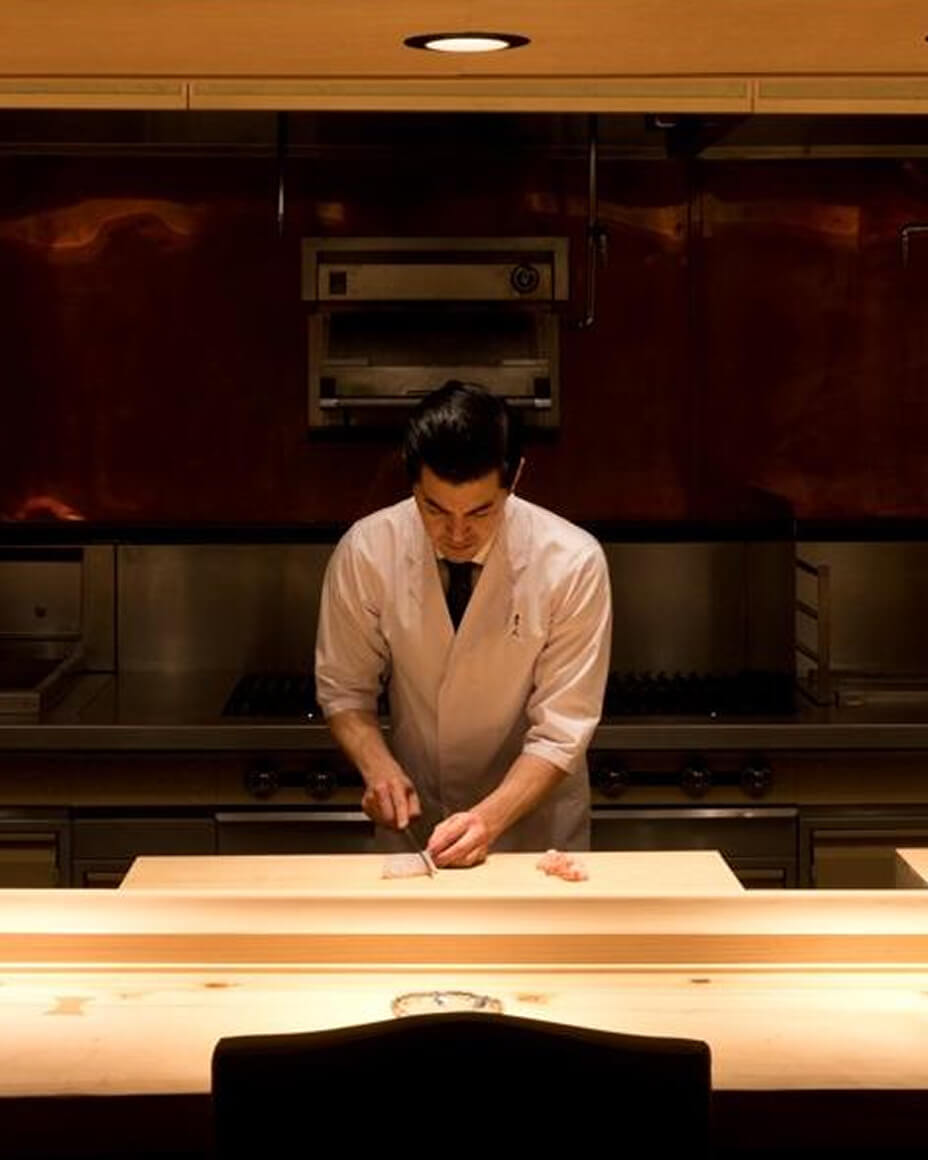
An intimate, seven-seat kaiseki counter in the Arts District of DTLA, Hayato fuses fundamental Japanese technique, seasonal ingredients, and carefully curated ceramics. Through the restaurant, Chef Brandon Hayato Go seeks to showcase the work of master craftspeople from many fields: potters, fishmongers, carpenters, kimono makers, tea masters, sake brewers, and countless others. The result is a highly-curated and personal experience that celebrates Japanese artistry across mediums.
Hayato Go’s cooking is akin to a jazz performance—fluid, spontaneous, and expressive. For example, if a farmer shows up with freshly picked vegetables, a new sweet corn and Hokkaido scallop kakiage tempura might appear on the menu for one night only. Courses progress more or less in kaiseki tradition, beginning with sakizuke appetizers, followed by light broth, sashimi-style seafood, grilled and simmered dishes, leading to a rice set main course before finishing with simple fresh fruit for dessert. The obvious beverage pairing here is sake, and they have some great bottles, but there’s an excellent selection of grower champagne as well, including Ulysse Collin and Cédric Bouchard.
For the restraint. Rather than putting his own signature on every dish, Chef Hayato Go focuses on highlighting pristine ingredients with minimal intervention.
Bodai
New York City
The concept
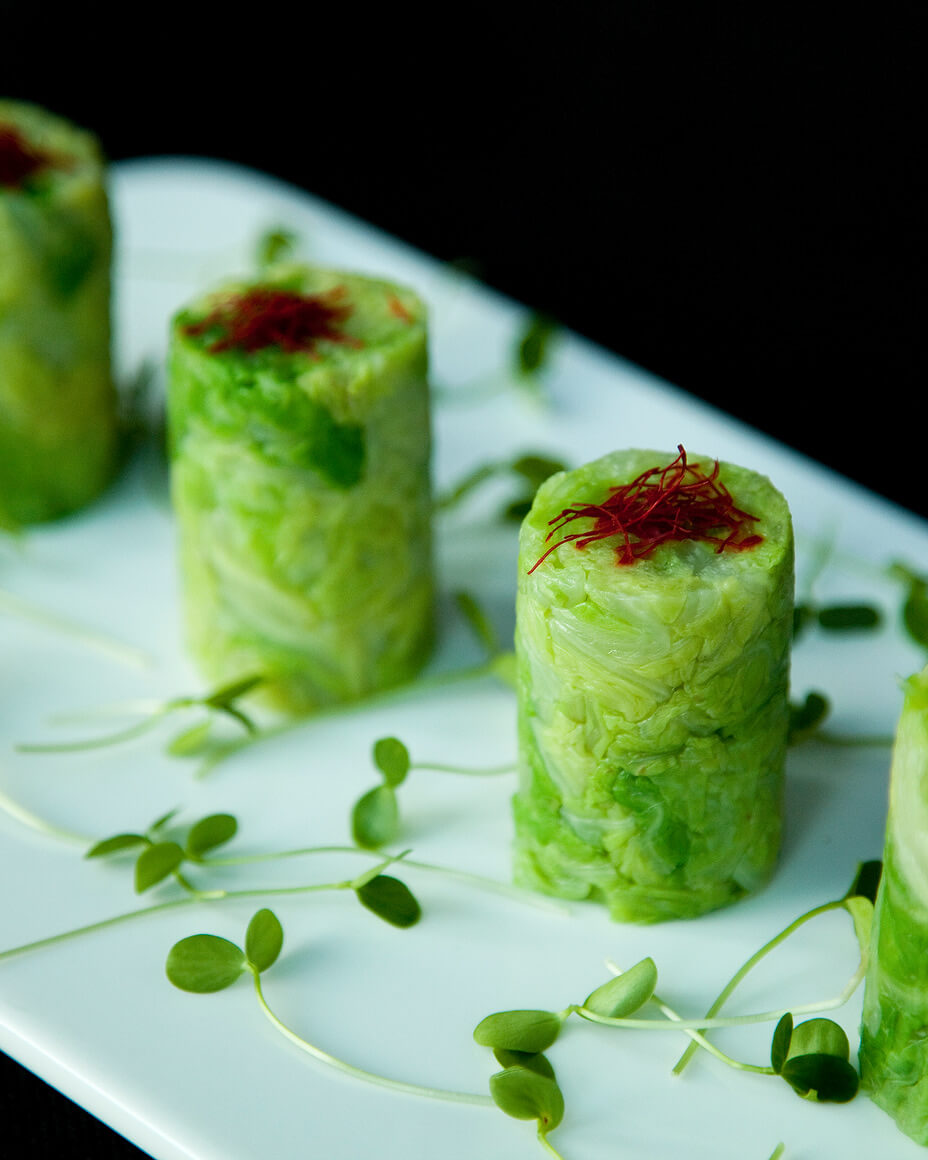
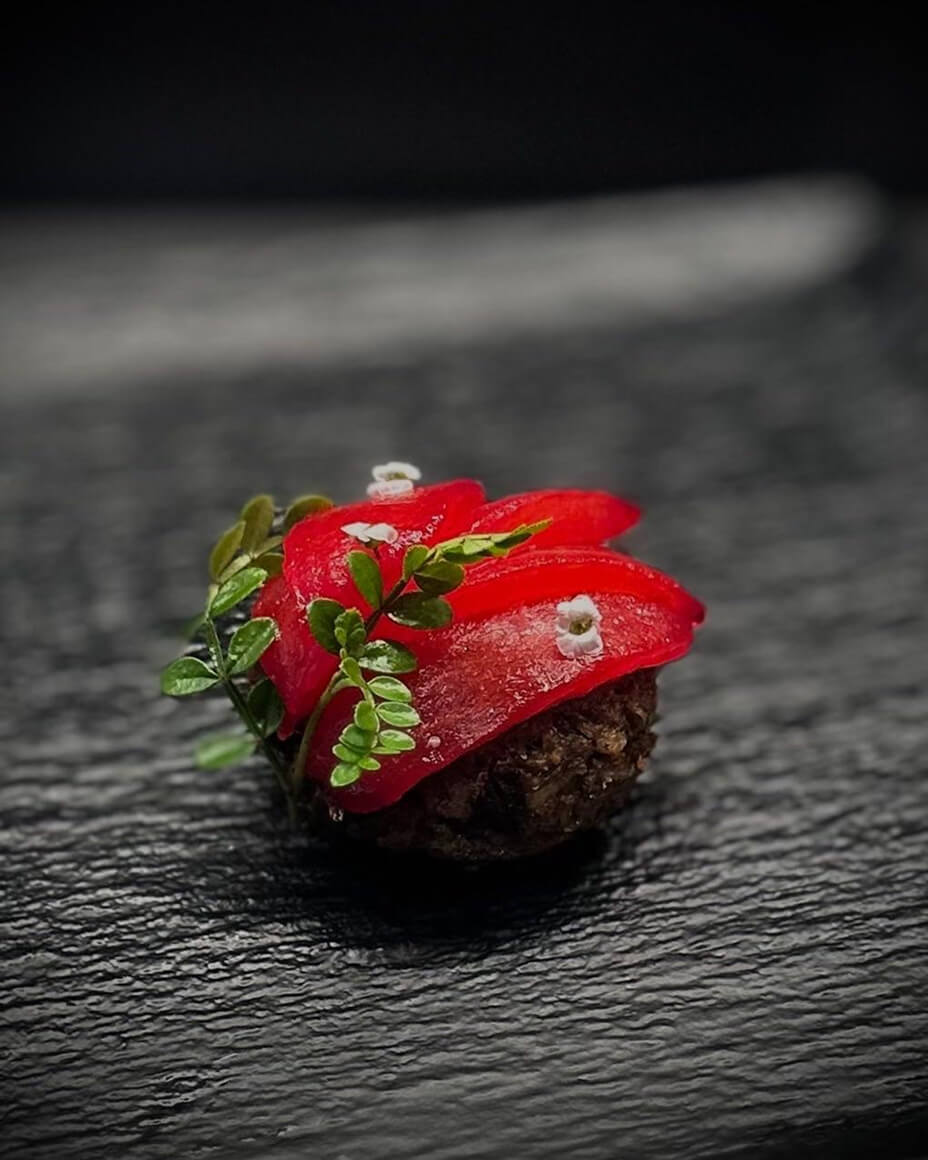
Chinese imperial dining with a vegetarian twist, Bodai is a tiny, plant-based temple nestled within the chef’s eponymous tasting menu restaurant. The name Bodai is derived from Sanskrit, signifying enlightenment and wisdom. Chef Guo Wenjun blends ancient Chinese traditions with natural ingredients to present modern cuisine that incorporates vivid hues and artistic sensibility. Vessels are chosen with harmony in mind. Even the sound of a dish is taken into consideration, as a way to narrate the stories behind each dish.
Buddha Jumps Over the Wall is a soup typically reserved for special occasions, chock-full of rare seafood ingredients like abalone, sea cucumber, and dried scallops. Here, the plant-based version features a plethora of mushrooms, baby bok choy, and plump goji berries instead. In fact, mushrooms appear in nearly every course, while the menu continuously evolves. Servers explain the nutritional benefits of each dish, including how it affects your qi and immune system.
For the strong sense of identity. Chef Guo hones in on a truly original vision he has been refining for decades.
Words by Amber Gibson
Amber is a nomadic journalist specializing in travel, food, and wine. Her work has appeared in The Wall Street Journal, Chicago Tribune, TIME, Condé Nast Traveler, and The Telegraph.
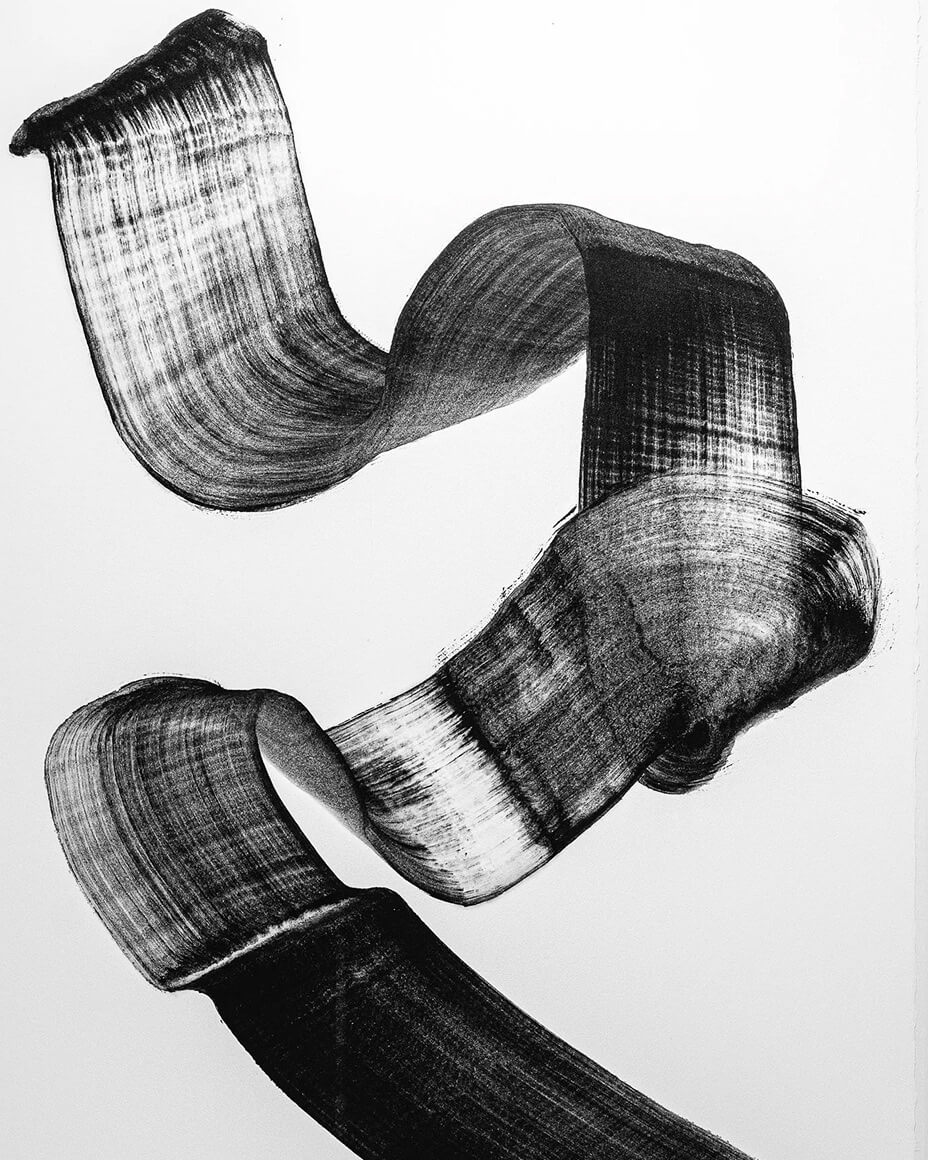
Illustration by Nick Dahlen
Nick Dahlen, based in Minneapolis, MN, creates empathetically with his environment. While his influences live on in his bold mark-making and intelligent spontaneity, he is able to produce striking originality in his pieces through the scenes he chooses to create and the lines he uses to compose them. Each piece seems to be a structured recollection of a place or idea while still achieving a malleable, dream-like quality for the viewer. Nick’s work evokes a nostalgia for the everyday. Through this, he hopes to help others in their own ability to translate complexities into a simple, elegant structure in any moment—to witness the beauty of how we occupy space, always existing perfectly in contrast to something else.