Open Fire
From wood-fire hearths to yakitori grills, cooking over flame spans traditions from all over the world. Whether it’s Korean charcoal, Argentine asado, or Missouri white oak, these are the restaurants that harness the primal power of fire.

From wood-fire hearths to yakitori grills, cooking over flame spans traditions from all over the world. Whether it’s Korean charcoal, Argentine asado, or Missouri white oak, these are the restaurants that harness the primal power of fire.
Leonore's
Rochester, NY
The concept
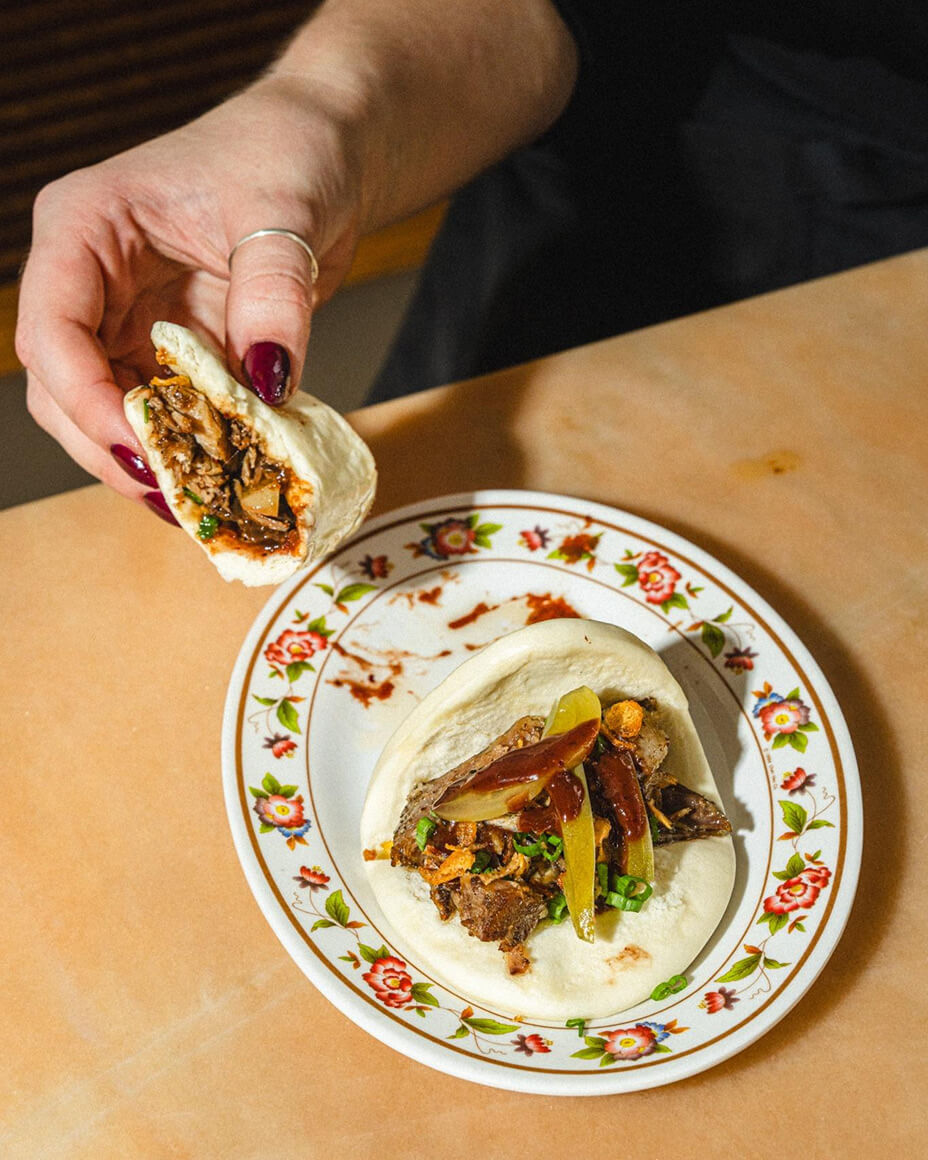
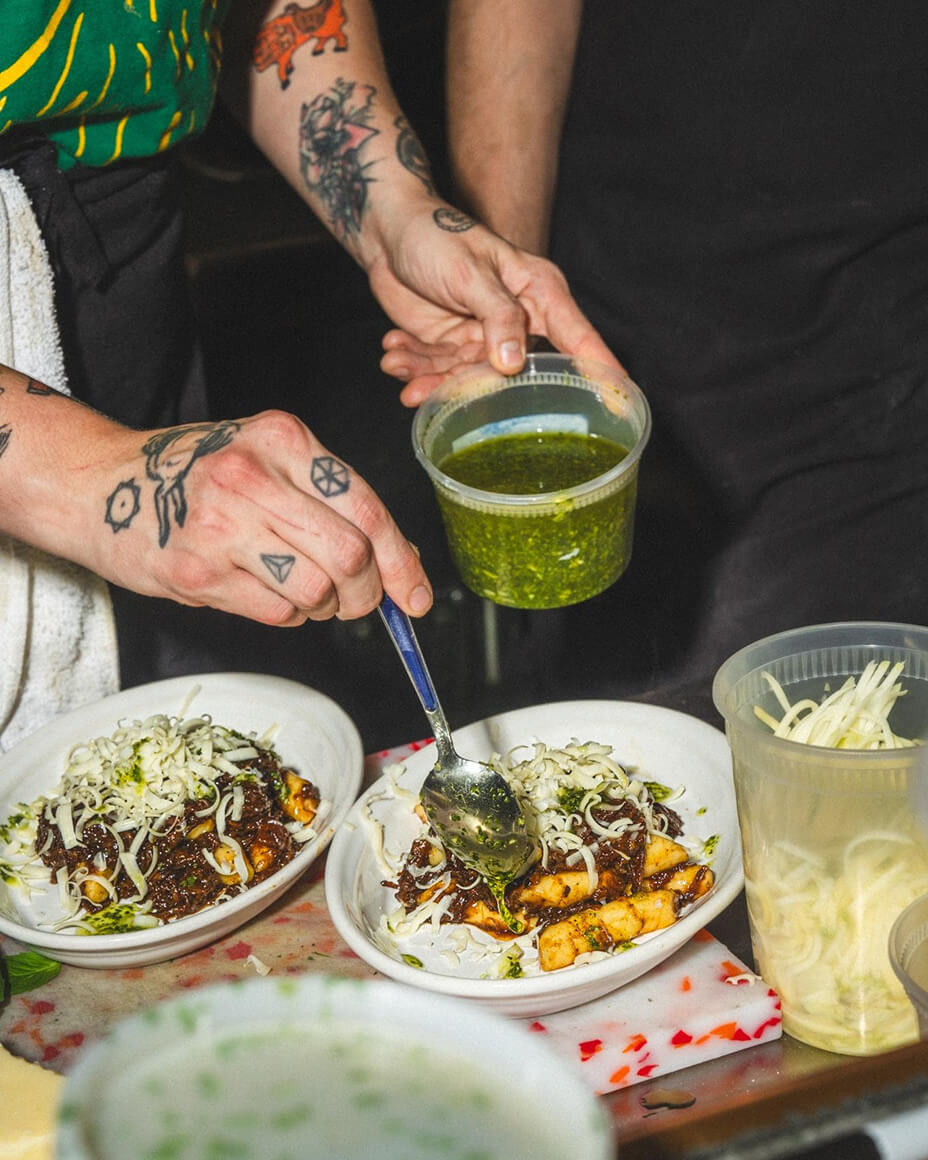
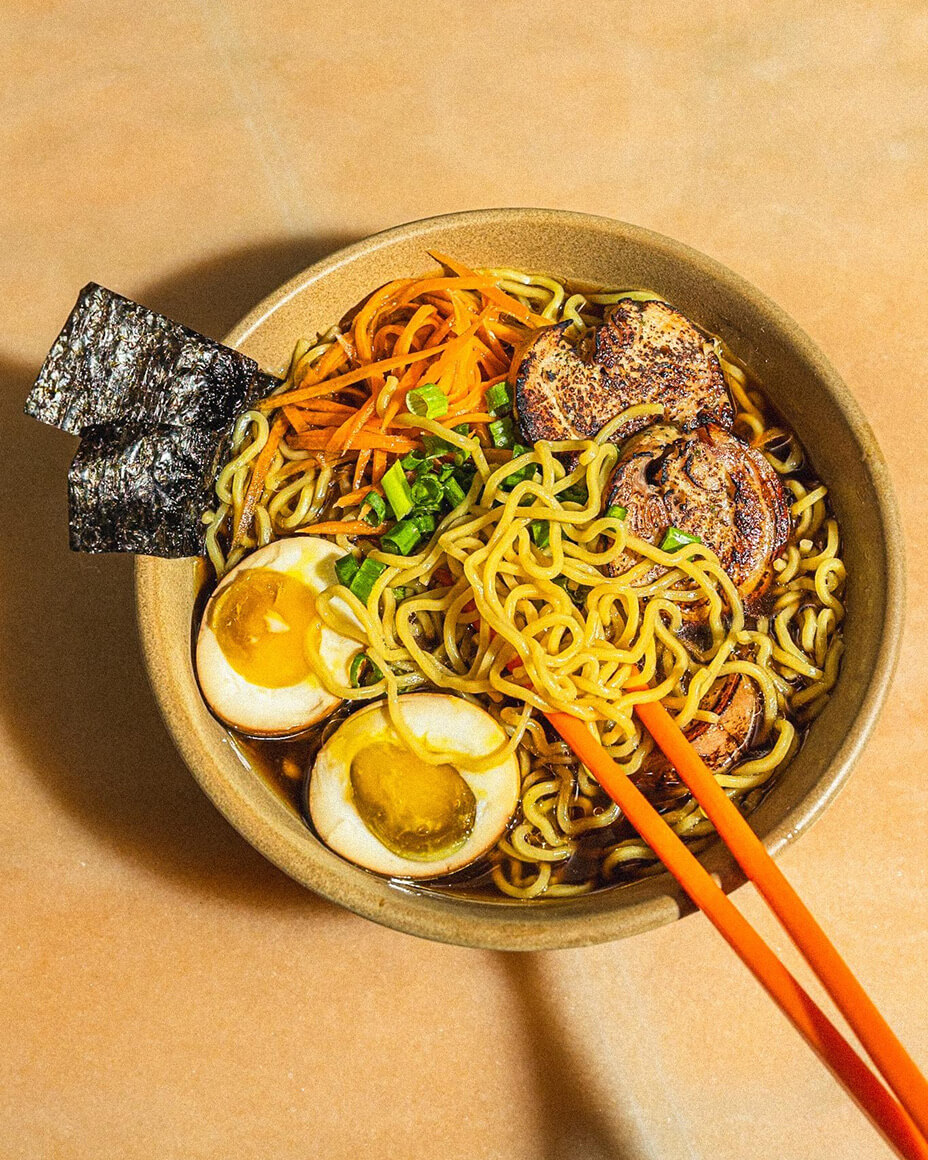
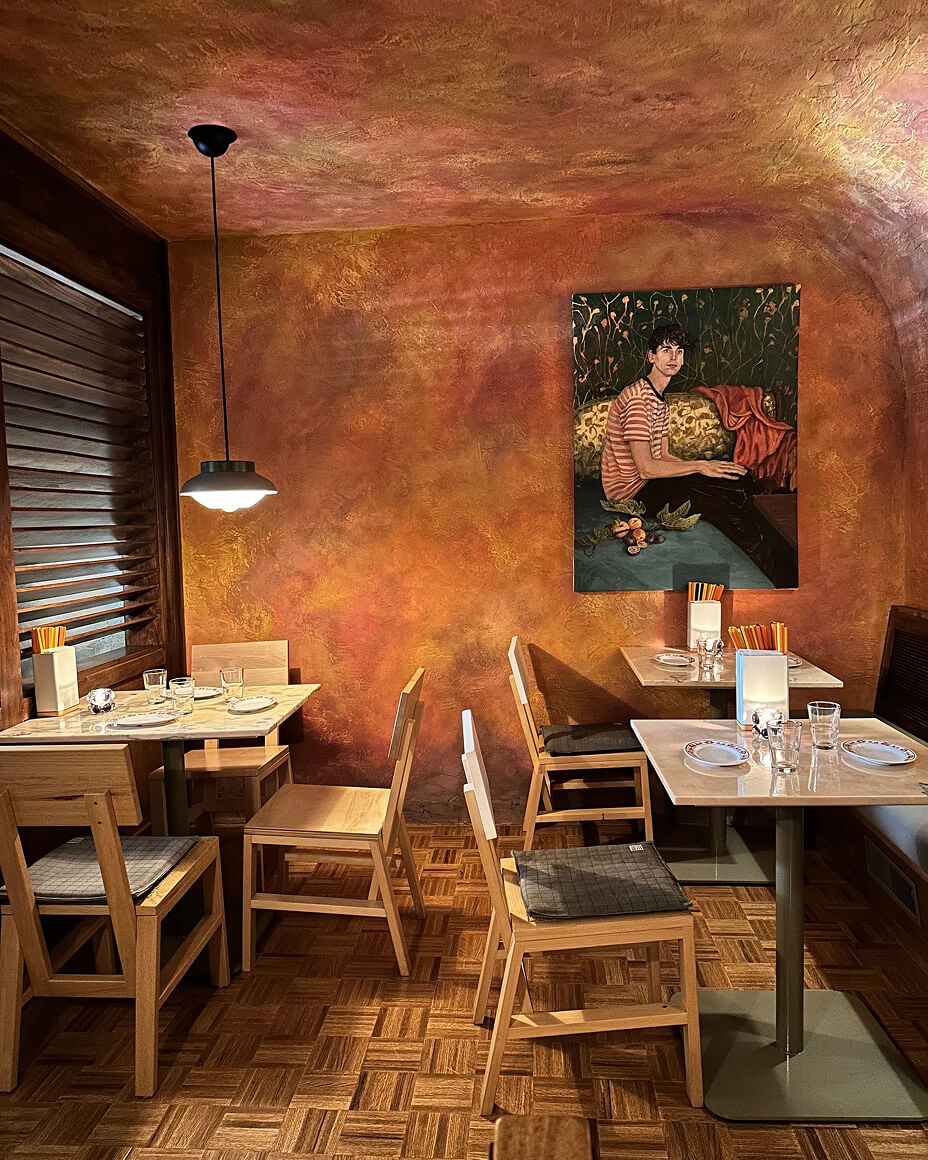
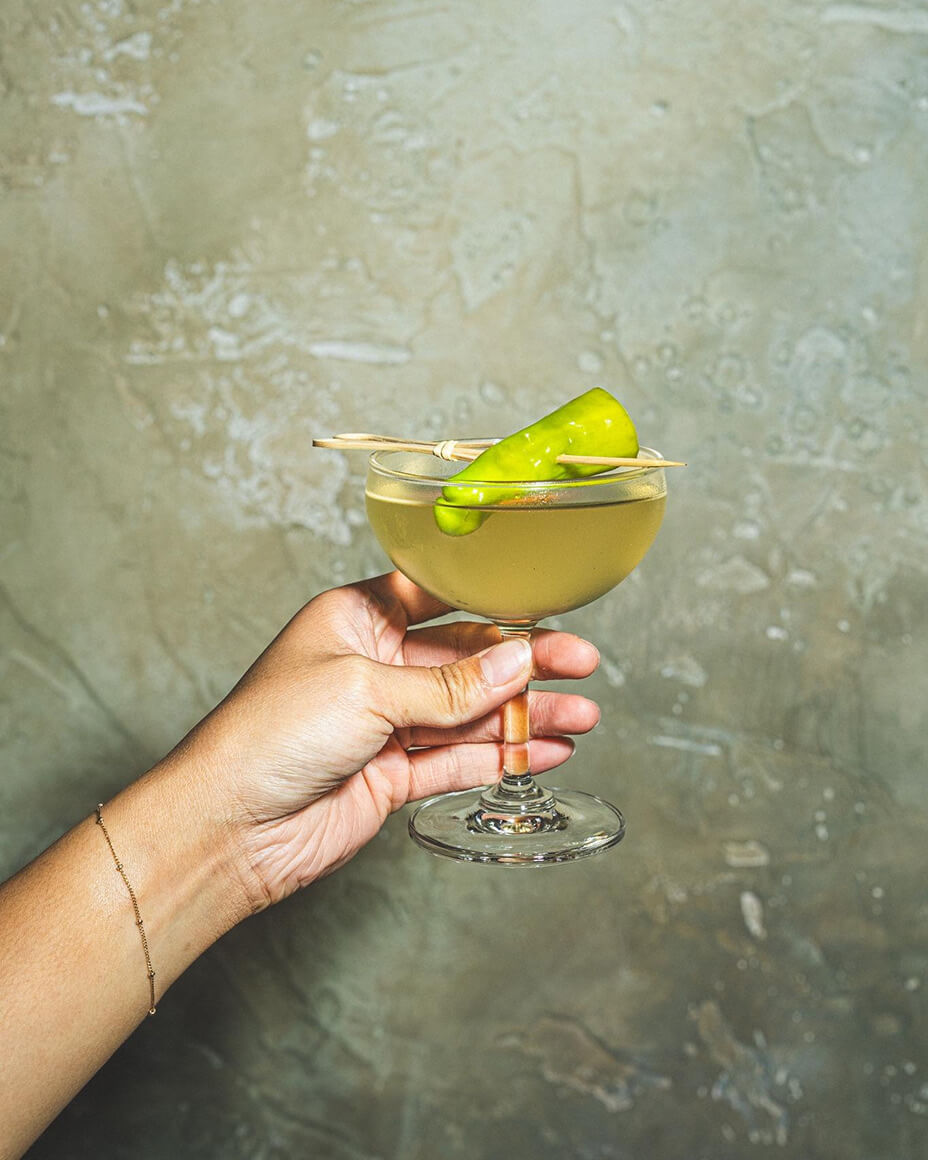
Leonore’s channels Thai-inspired flavors through an open-fire kitchen in Rochester’s Park Avenue neighborhood. Part of the Swan Family of Restaurants, this intimate and moody spot focuses on seasonal ingredients cooked over flame. The menu rotates regularly, sourcing as locally as possible, while maintaining a commitment to skewers, shareable plates, and a no fuss attitude.
Everything centers around the open-fire binchōtan charcoal grill. Smoke and char define the cooking style, whether that’s kimchi wok-fried rice, pork belly with hot miso mustard, or fire-roasted cabbage with pickled shiitake and furikake sprinkled over top. The coconut sticky rice is a must-order staple that appears year-round, providing the perfect sweet contrast to the smoky, spice-forward dishes.
Leonore’s has a strong sense of identity. Fun branding, vibrant food, and distinct cocktails (hello green curry mezcal highball) all work together to create a welcoming place with a point of view.
SAN HO WON
San Francisco, CA
The concept
This Mission District Korean BBQ restaurant opened in fall 2021 as a collaboration between three-MICHELIN-Star chef Corey Lee (of Benu fame) and his mentee, Jeong-In Hwang, who moved to SF in 2016 to work at Benu. The name translates to “Mountain Tiger Origin,” nodding to Korea’s respect for tigers as a sacred mountain spirit. For four consecutive years, SAN HO WON has earned a MICHELIN Star for its refined approach to Korean barbecue traditions.
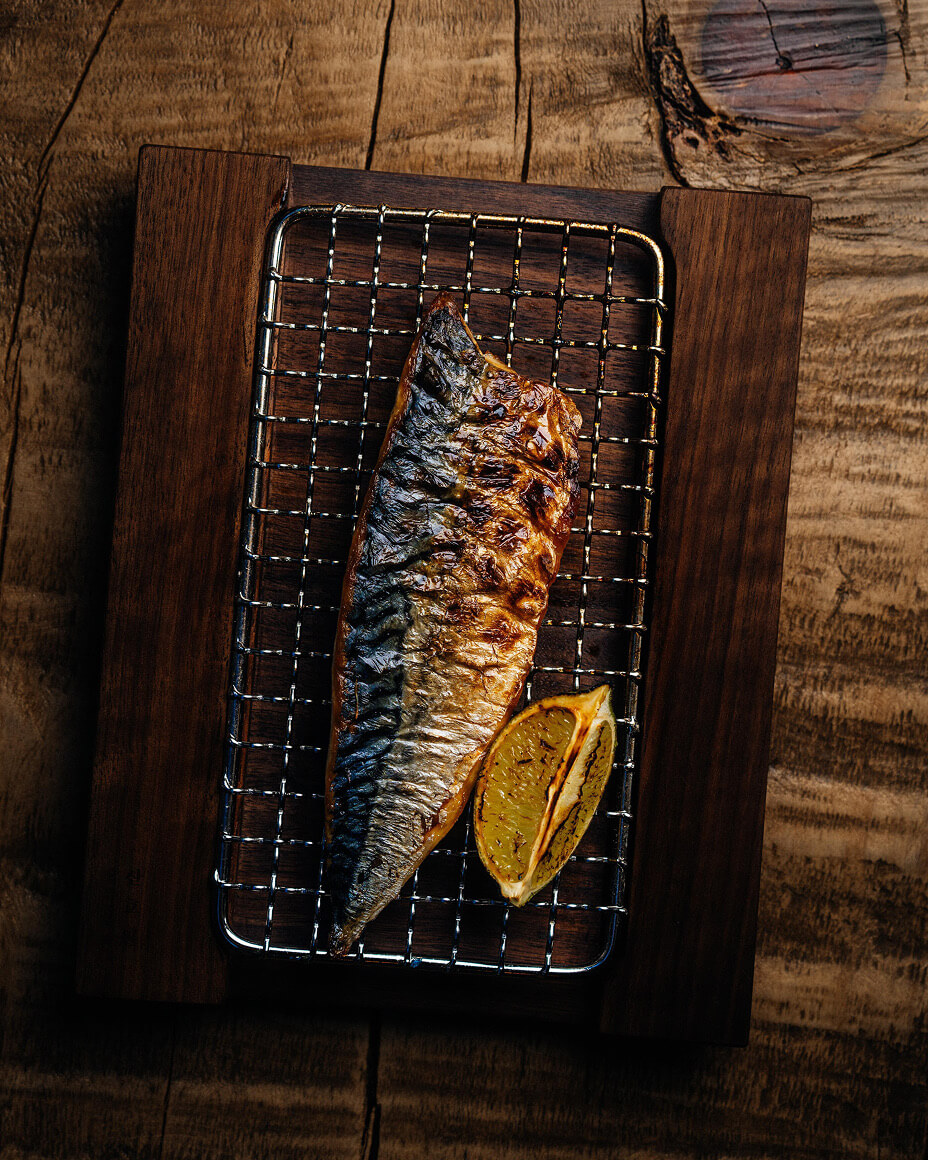
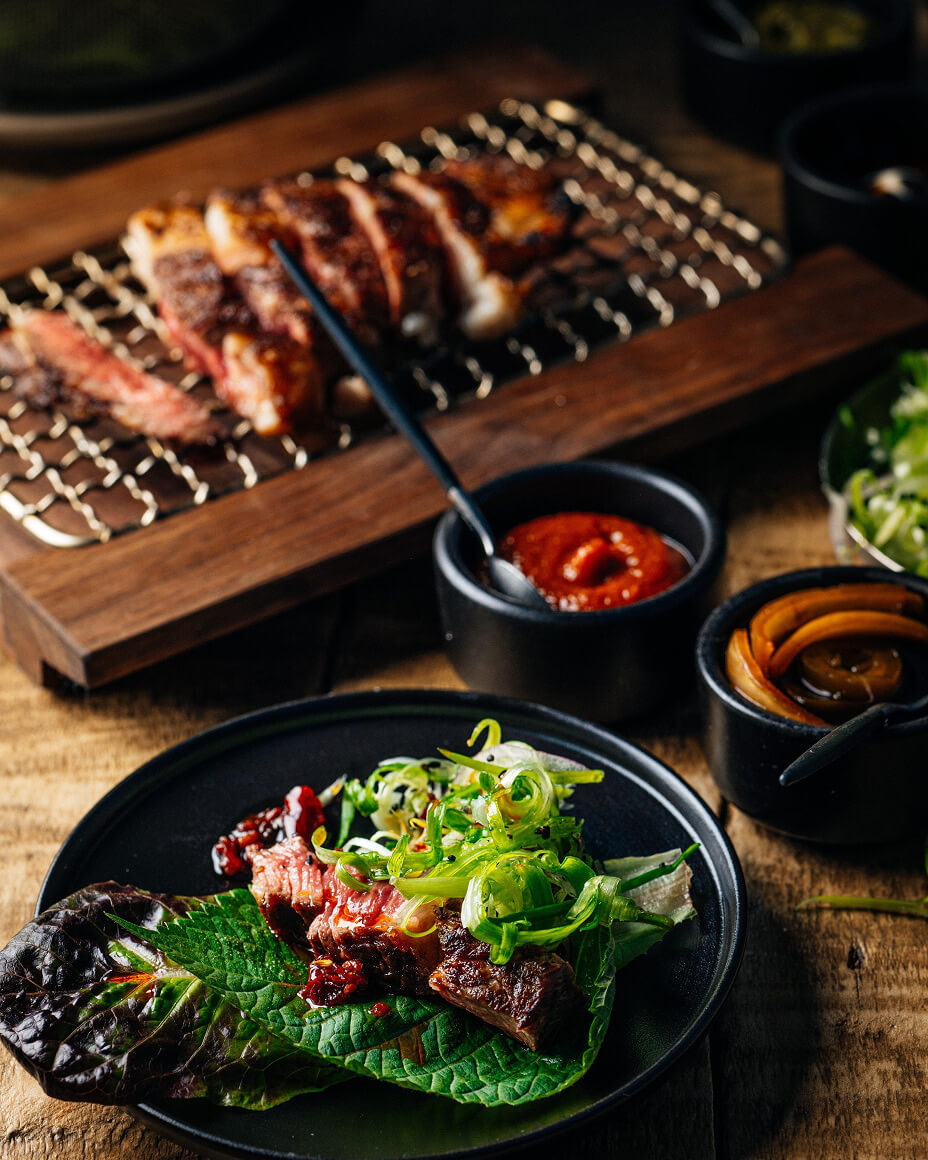
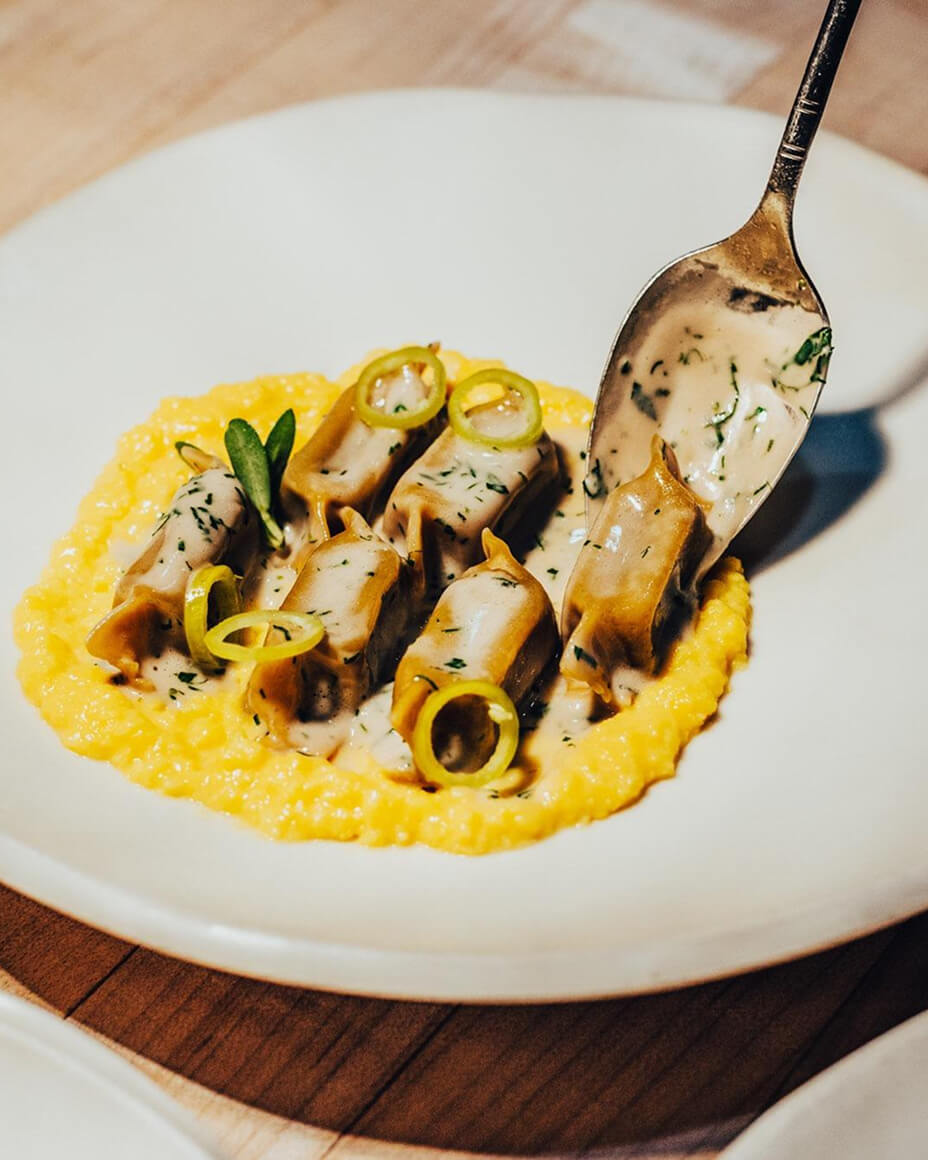
SAN HO WON uses bespoke lychee-wood charcoal to power the kitchen’s grill. Enjoy everything from griddled beef dumplings and spicy pork bulgogi with marinated pork cheek and belly to Pacific mackerel filet and roasted sweet potato with whipped onion cream and jochung served alongside homemade sauces and condiments. They even have their own kimchi, crafted with Jongga, Korea’s premier kimchi purveyor.
For the meticulous techniques applied to humble ingredients. The egg soufflé, for example, is legendary, with many diners saying it alone is worth the visit. Hwang told Timid magazine that his spicy chicken tteokbokki stew best represents his cooking style: homey yet sophisticated, with charcoal-grilled chicken and hybrid rice cakes that balance tradition with innovation.
Barley Swine
Austin, TX
The concept
Chef Bryce Gilmore’s first brick-and-mortar opened in 2010 after he made waves with the Odd Duck food truck, which has since opened as a celebrated standalone restaurant. The MICHELIN one-Star restaurant—named the city’s best in 2025 by the Austin American-Statesman—serves a seasonally attuned tasting menu that balances refinement with whimsy. Gilmore makes deft use of local ingredients with a Southwestern palate that draws from Mexican and Southern traditions while maintaining global sophistication.
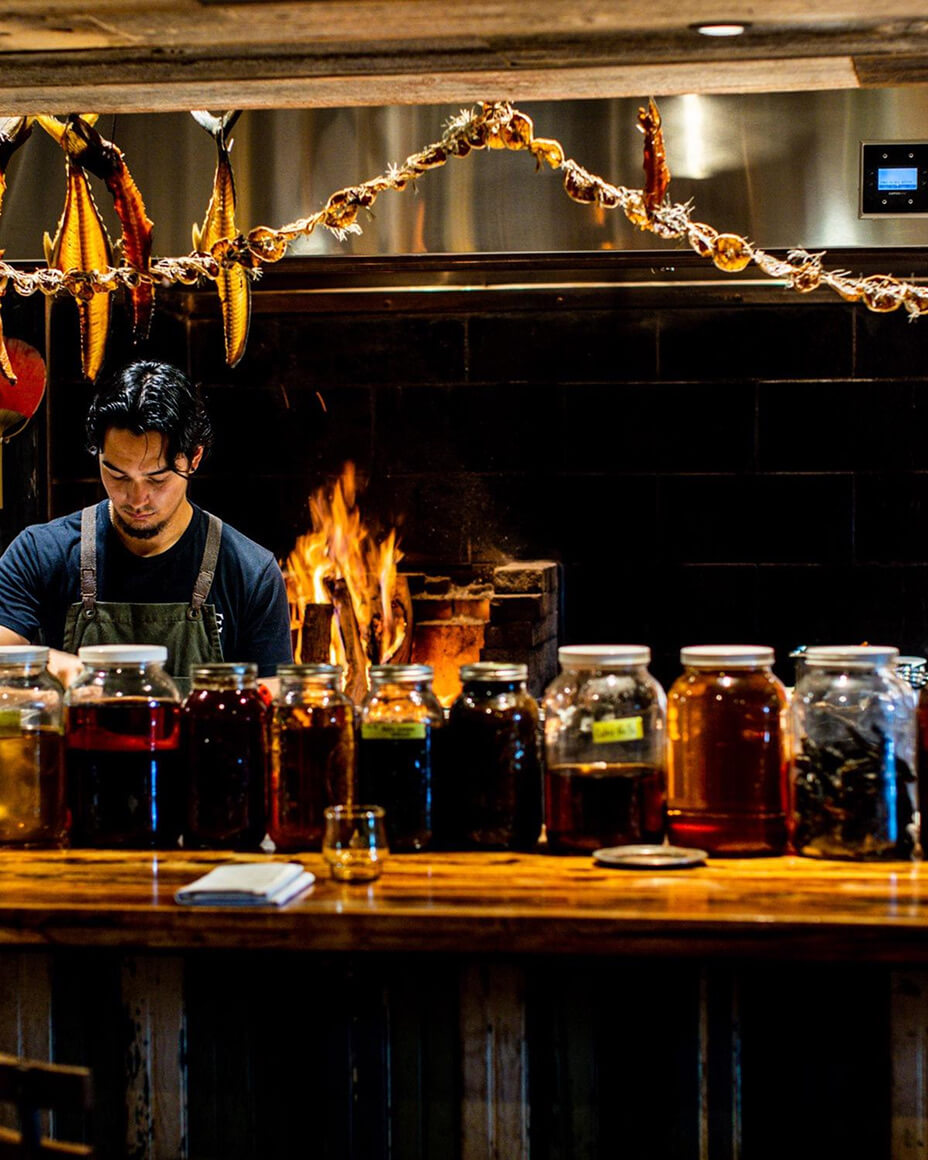
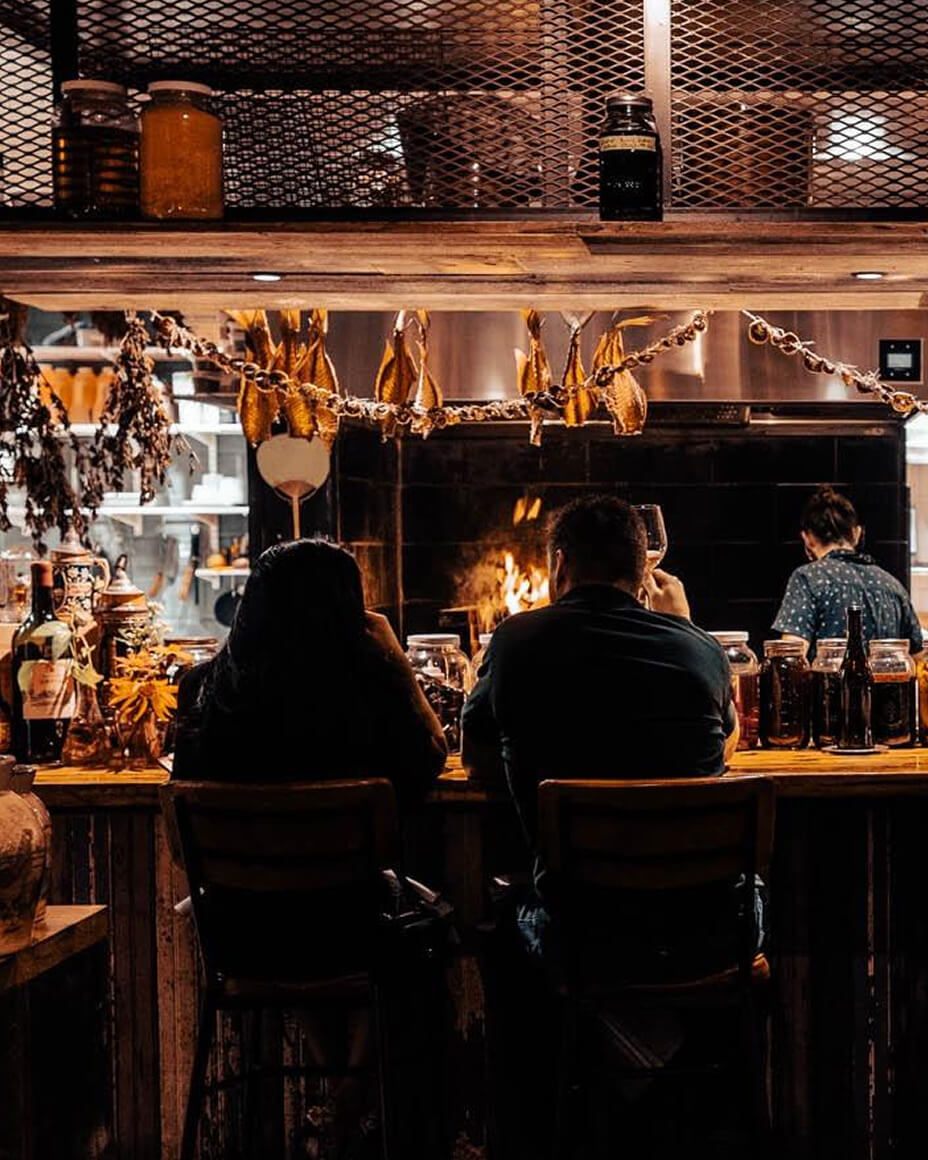
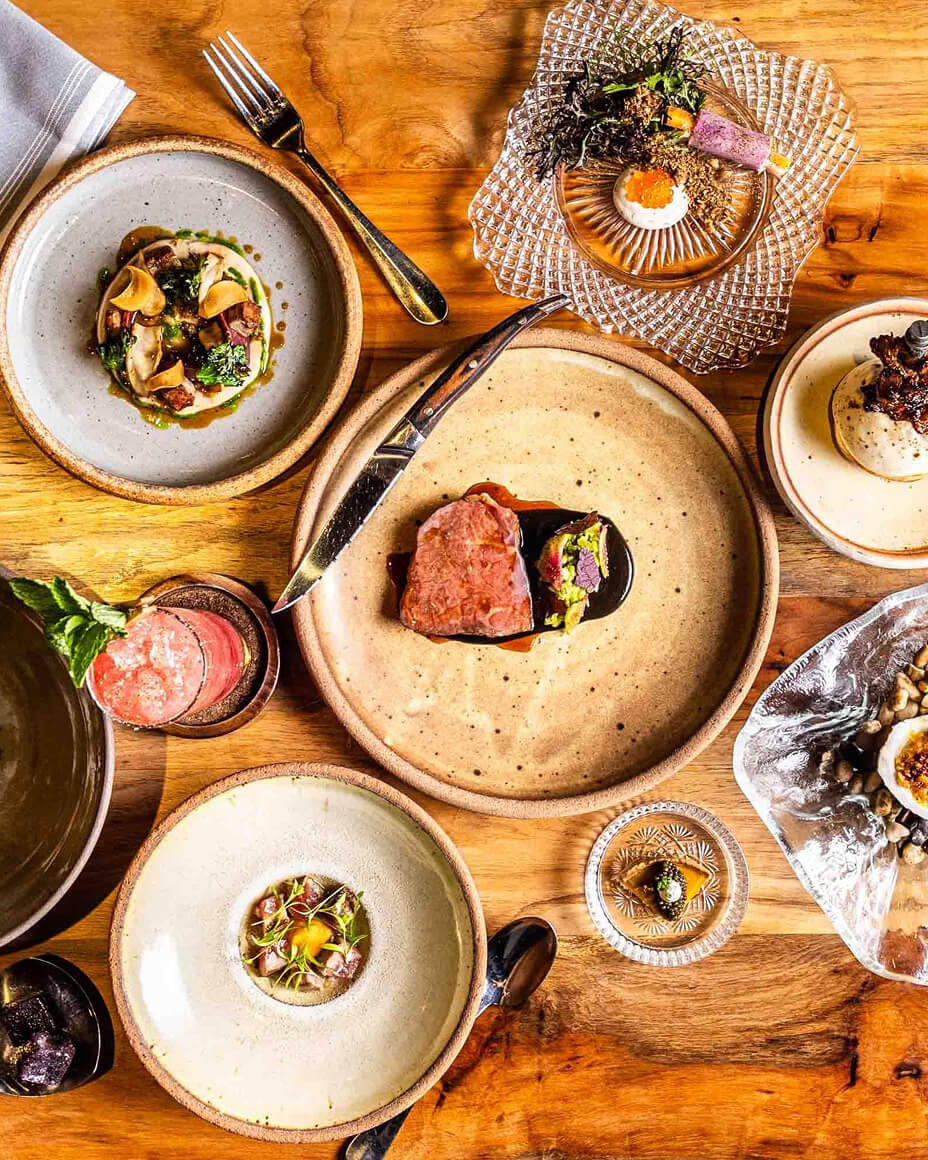
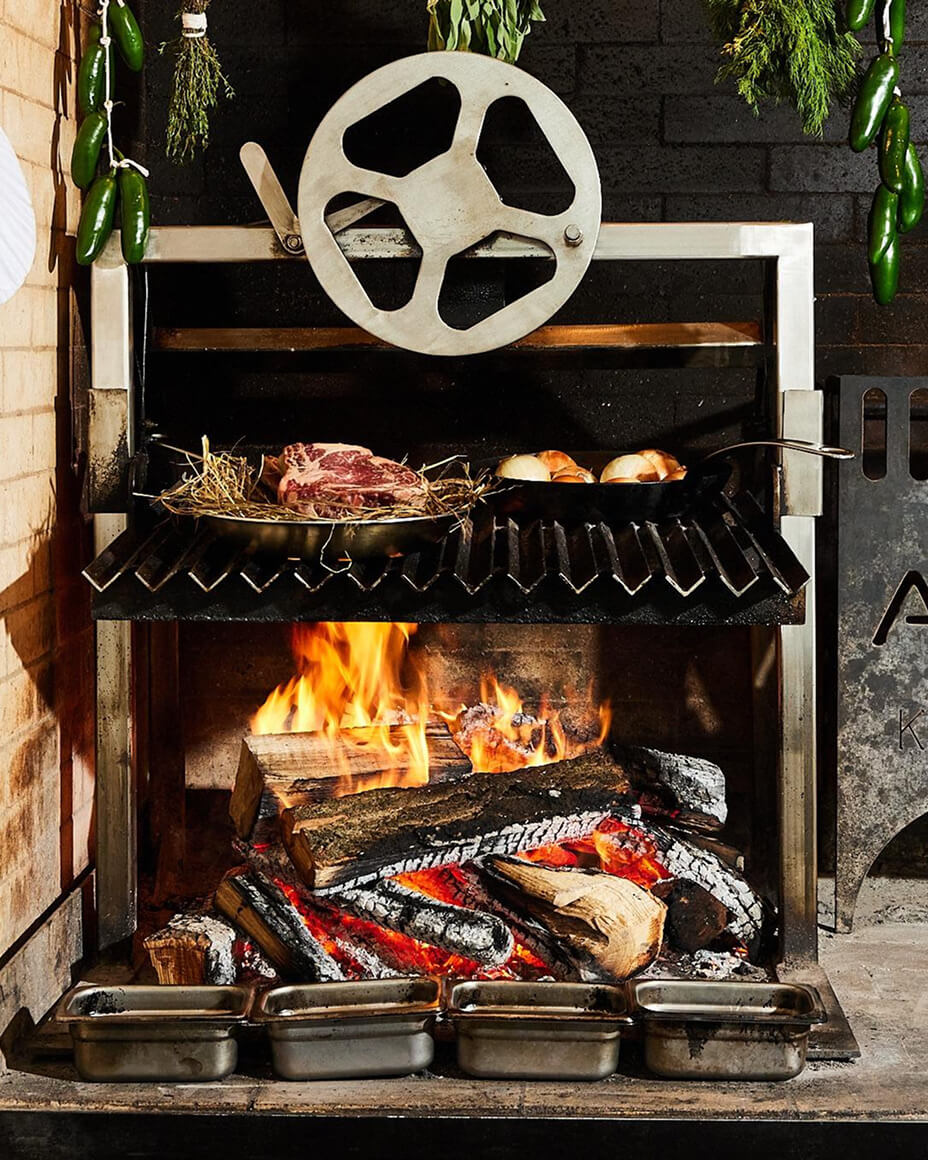
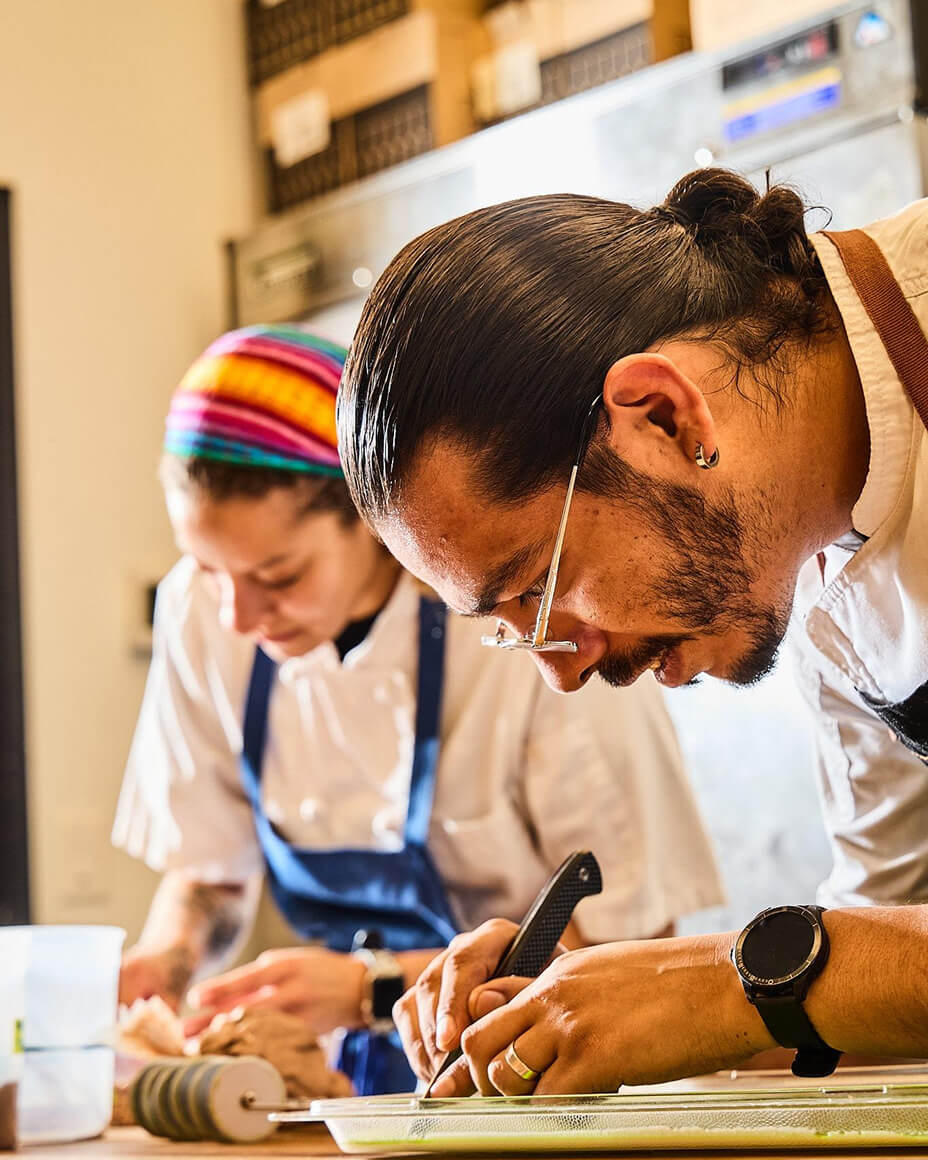
The open kitchen revolves around live-fire cooking. Flame and smoke from the stacked wood on the porch inform the menu’s Southwestern flavors. Gilmore, a Food & Wine Best New Chef and multiple James Beard Award® nominee, and his team source hyper locally from an array of farmers and fishermen—even Barley Swine’s own on-site working garden and one-acre River Field Farm 30 miles outside of town. Ingredients like 30-day dry-aged Akaushi ribeye, tilefish in persimmon curry, and an array of peppers, corn, and other vegetables get grilled, charred, and smoked to create depth and tell a story. Sit at the chef’s counter to watch the team work the fire.
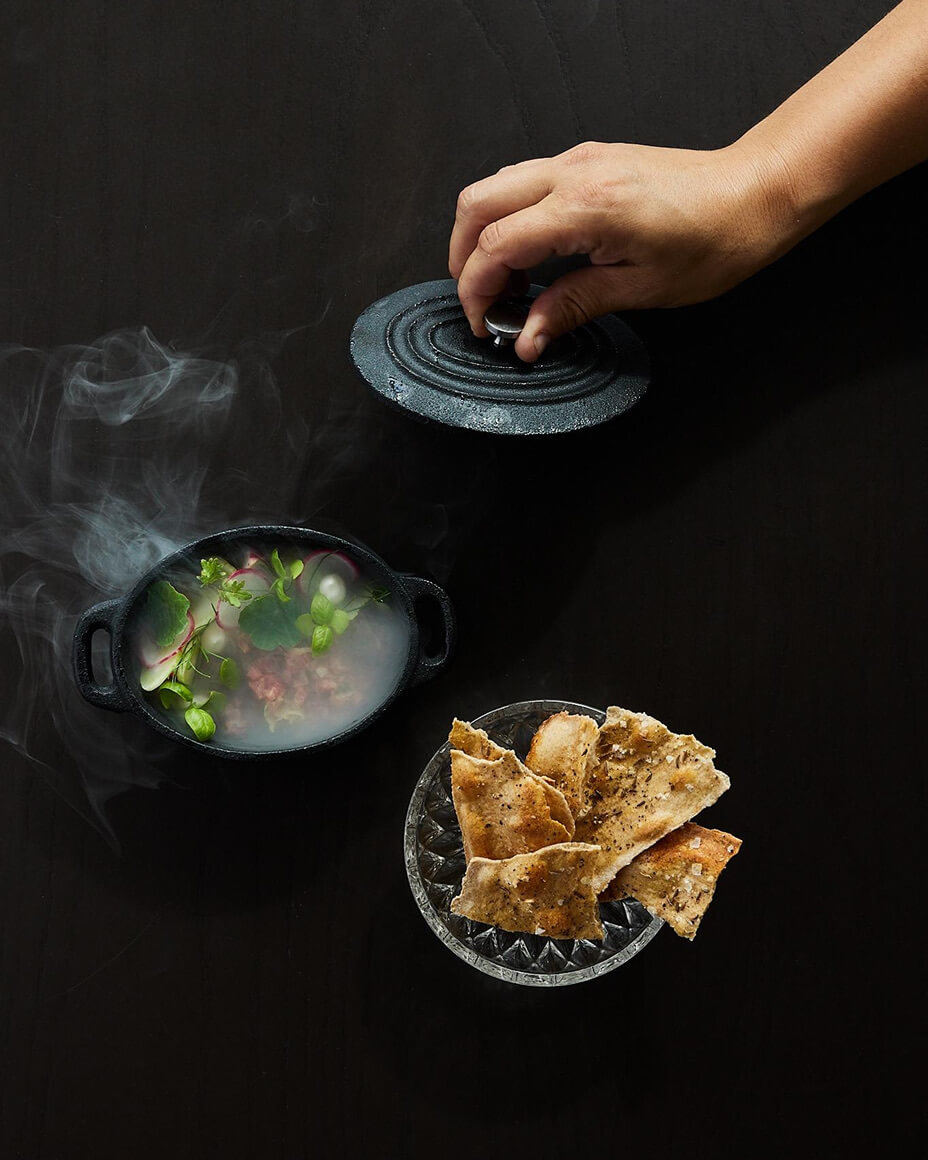
Every dish on the tasting menu is reflective of the season, whether it’s a tiny everything bagel with smoked radish spread or a flawlessly seared Muscovy duck breast with buttery corn purée and nixtamalized peach.
Acre
Parkville, MO
The concept
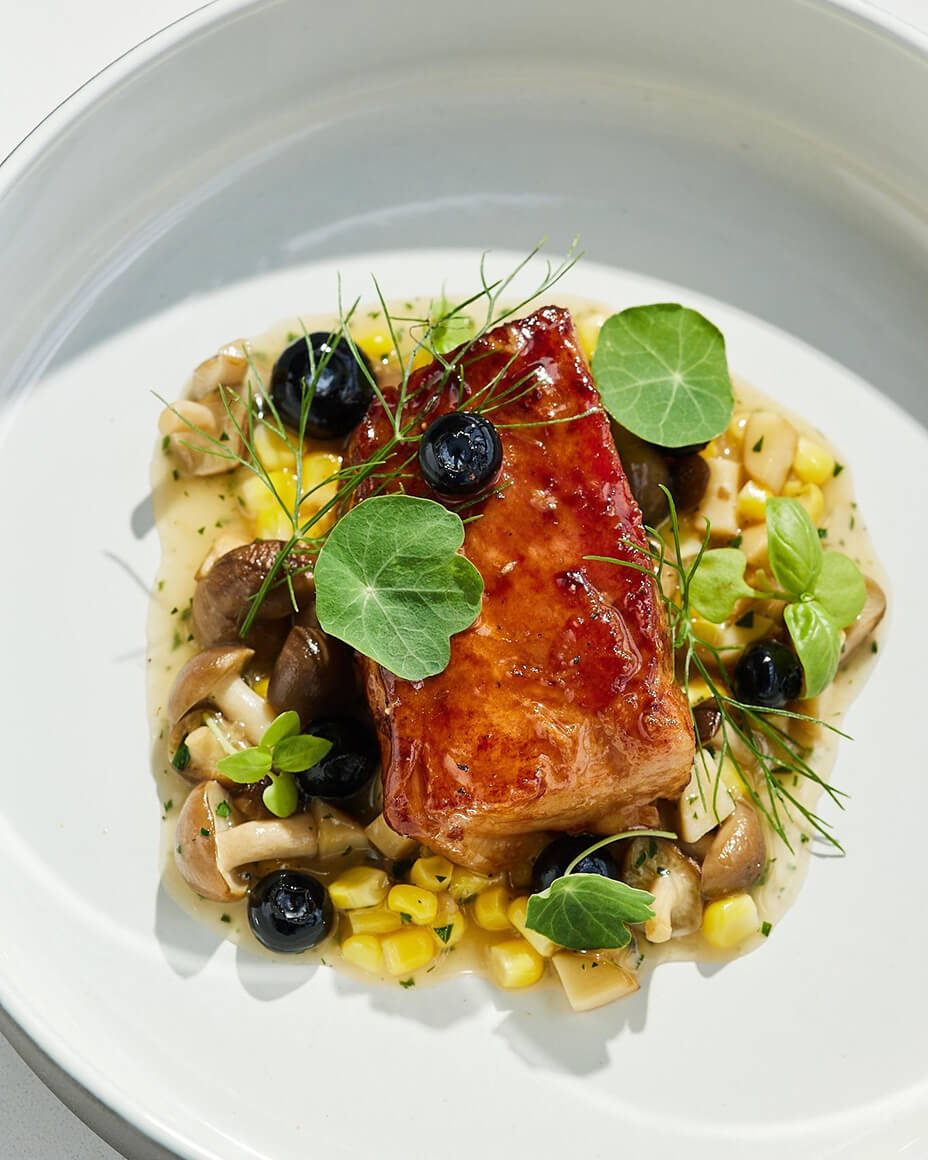
After honing his skills at restaurants like The French Laundry and Bluestem, Chef Andrew Longres returned home and founded Acre as a tribute to his grandparents’ 850-acre farm, Rolling Acres, in Liberty, MO. The restaurant showcases the finest Midwest ingredients with precision and warmth, with a focus on grass- and corn-fed beef from Kansas and Texas. Everything served could, in theory, be found on that original farm property (albeit a bit more rustically back then)—a philosophy that guides the entire menu.
A custom wood-fired hearth that blazes Missouri white oak and hickory serves as the cornerstone of Acre’s cooking style, where steaks are dry-aged from 21 to 45 days before being grilled over live flame. And so much more gets flame kissed, from Campo Lindo hen served with heirloom grits and preserved corn to double-cut Iowa pork chops paired with Anson Mills farro verde. Book the chef’s counter hearth experience for a 5-course tasting honoring classic Western cooking traditions.
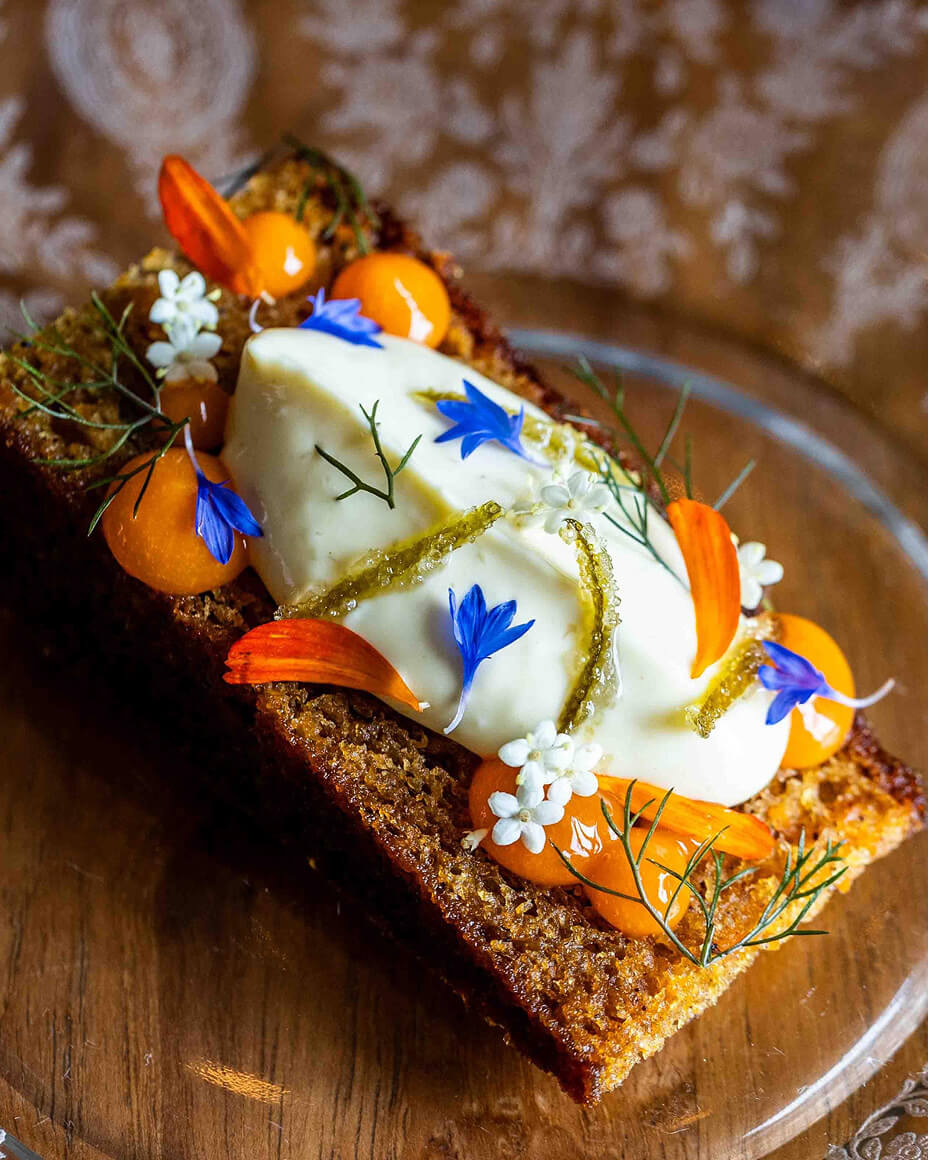
For the commitment to home and heritage. From the inspiration behind the restaurant to sourcing local ingredients to paying homage to his family, Longres truly has returned to his roots. With recipes that bring him back to his childhood (where he learned how to cook—as well as garden, fish, and hunt—on the farm) to the menu’s dessert section called From Grandma’s Table, you can see, feel, and taste the love here.
Abaita
New York, NY
The concept
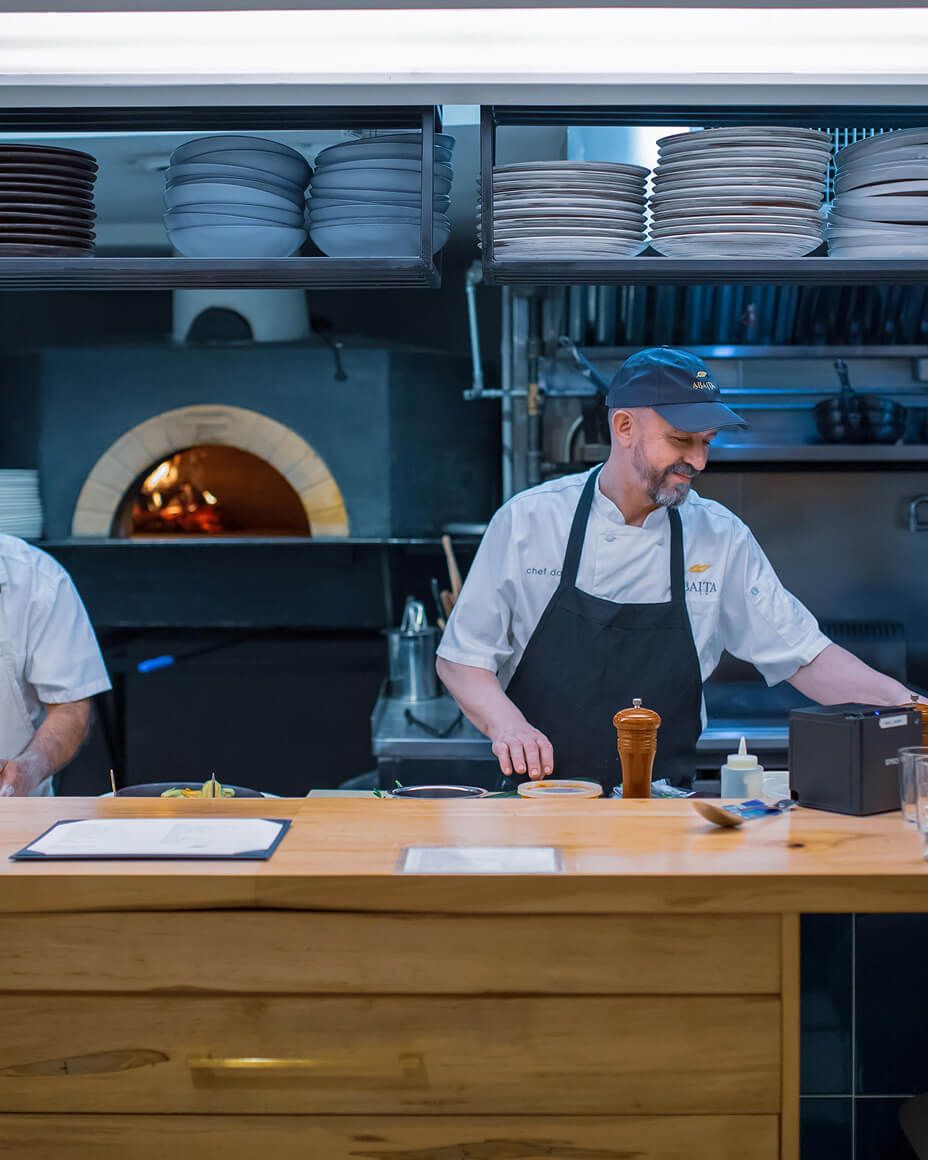
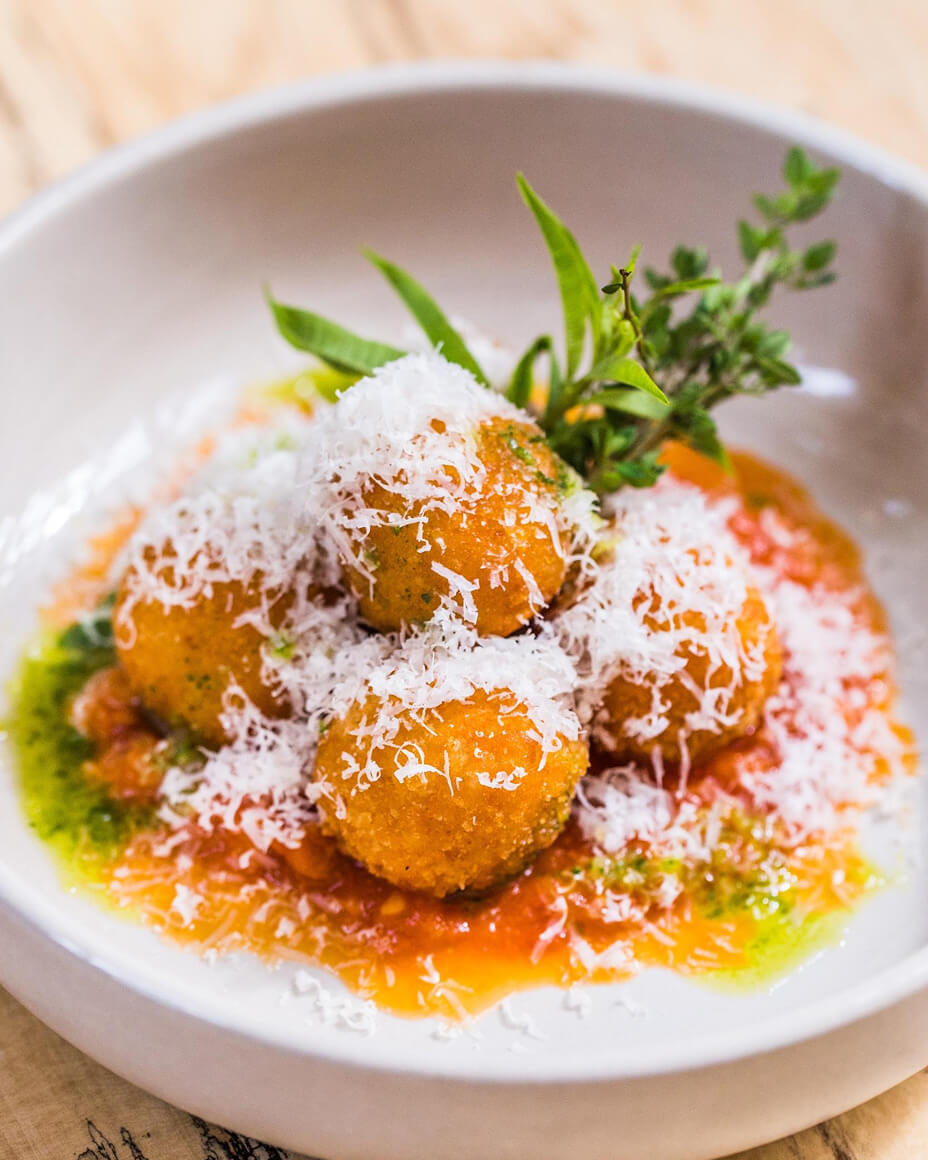
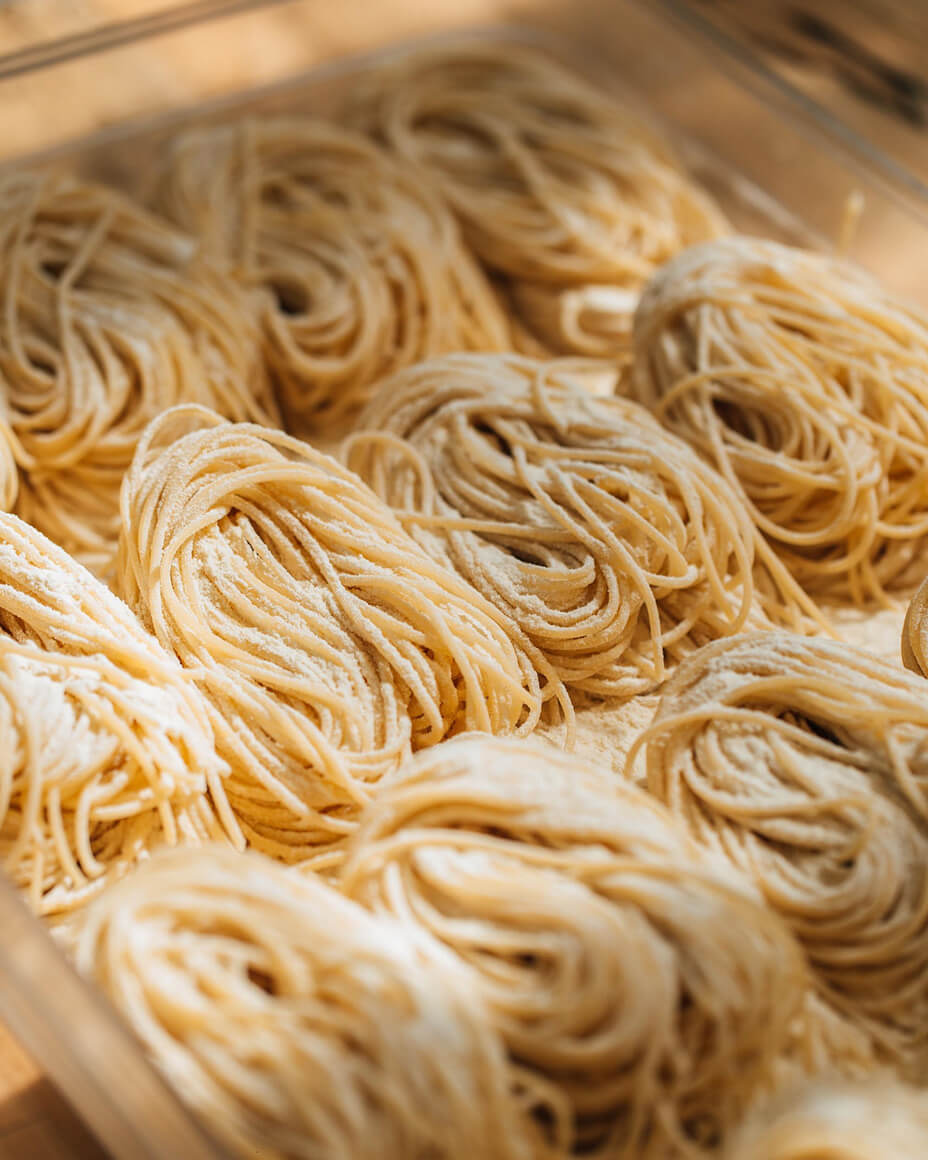
Abaita means “home” in both North Italian dialect and Hebrew, the very union that defines this kosher dairy restaurant in Midtown Manhattan. Two chefs, David Donagrandi (who grew up the son of a butcher in the shadow of the Italian Alps) and Sruli Subar, who was raised in Northern Italy, founded Abaita in 2018 with a vision to redefine the kosher dining experience while emphasizing the handmade and personal approach to Italian cuisine.
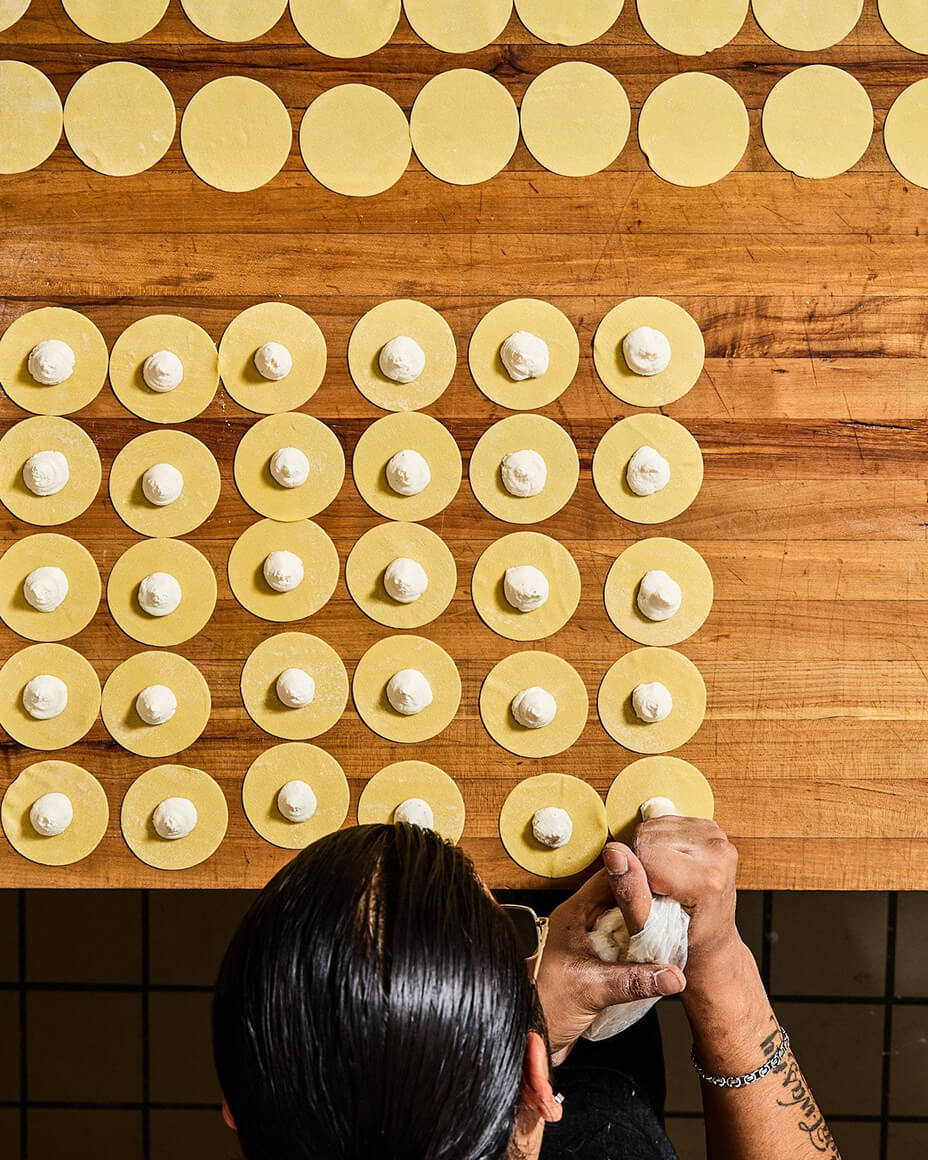
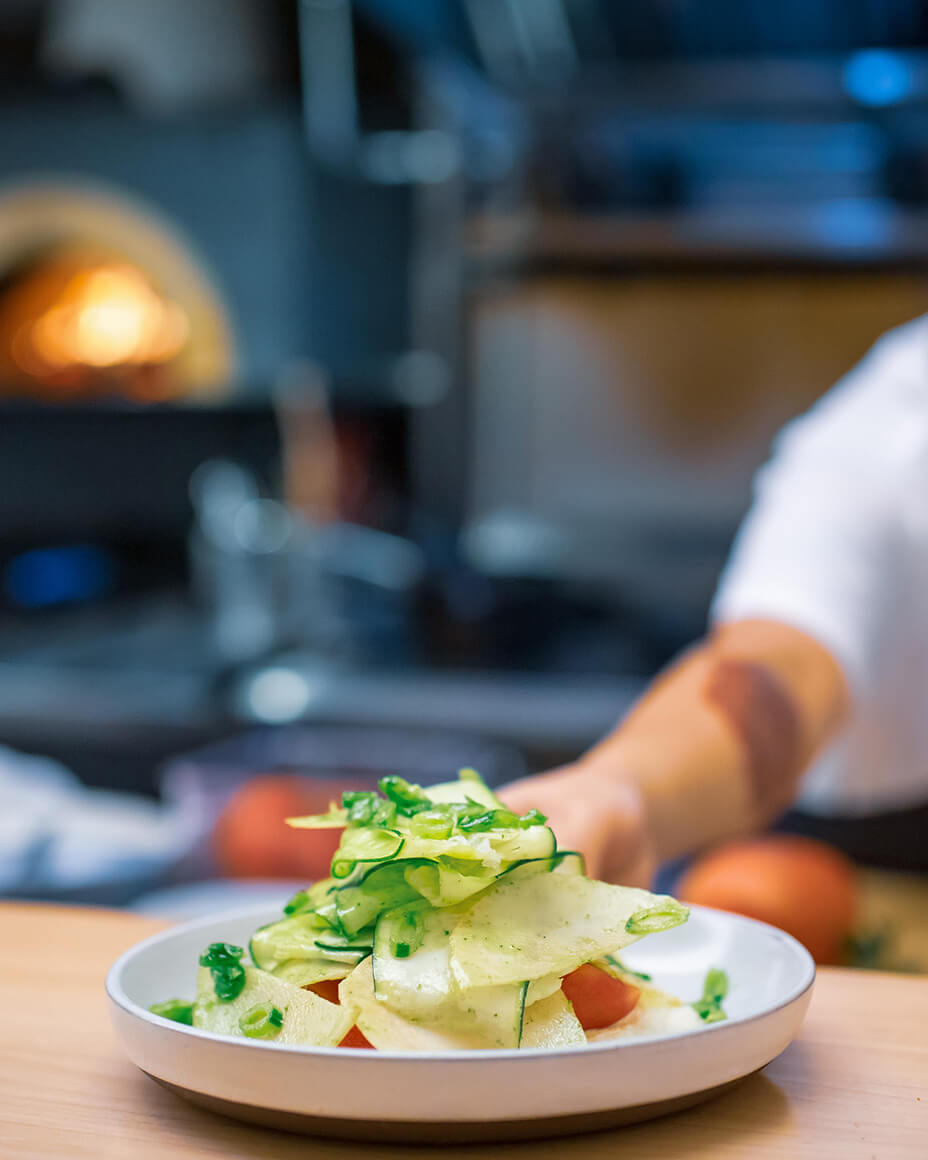
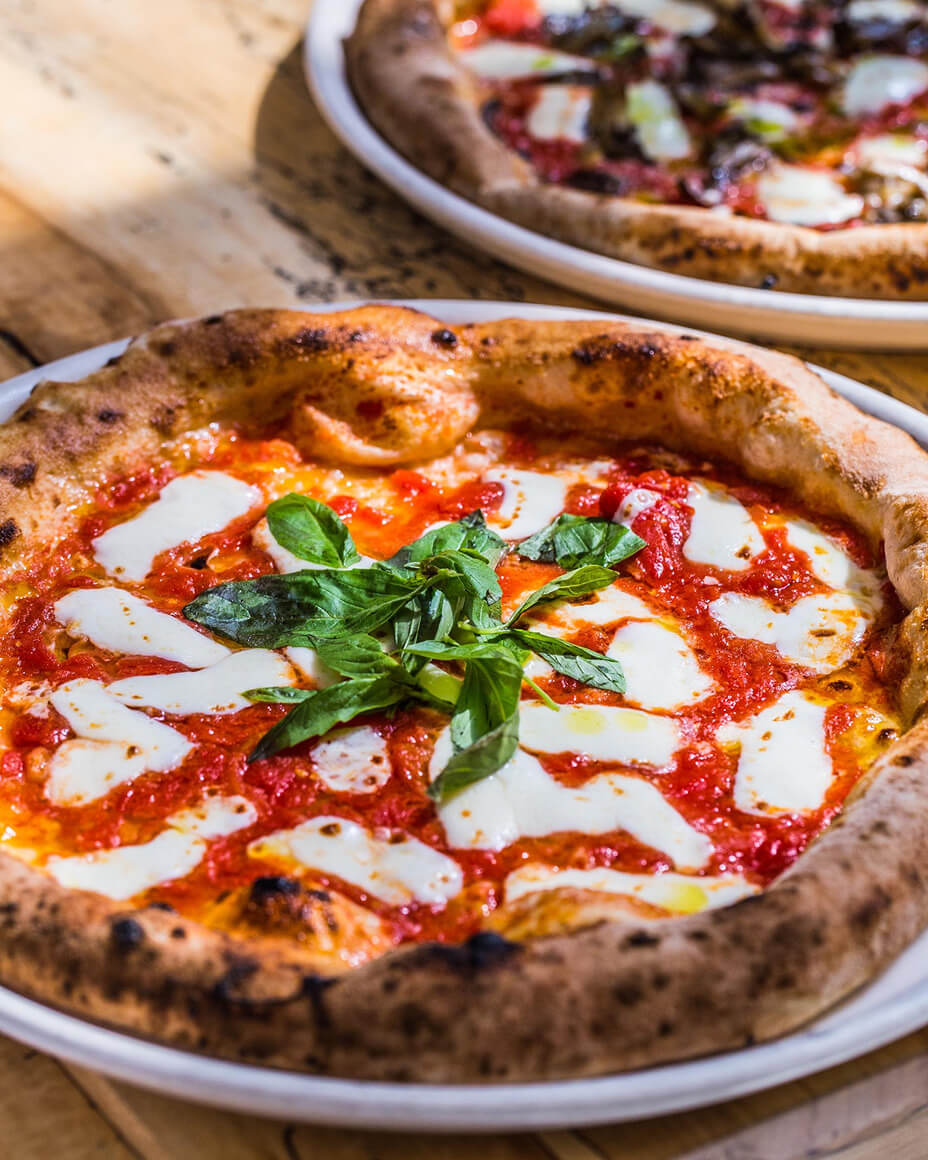
A wood-burning oven anchors the open kitchen, bringing handcrafted pizzas alive with flavor. Those pizzas start with housemade, naturally fermented dough that gets a perfect blistered charred edge. Many items on the menu feel the fire, from wood-roasted beets to flame-kissed salmon and halibut. Even pasta preparations, like the oven-fired lasagna benefit from the distinctive heat.
Being kosher at Abaita isn’t a limitation—it’s a source of intention. That care begins with house-made ingredients, from pizza dough to pastas like the much-loved black fettuccine with wood ear mushrooms and black truffle. It continues in the respect shown to the kosher community, who find not just a meal here, but a sense of belonging. It’s proof that fire and faith can come together in powerful ways.
Sumibiyakitori Kidori
Arcadia, CA
The concept
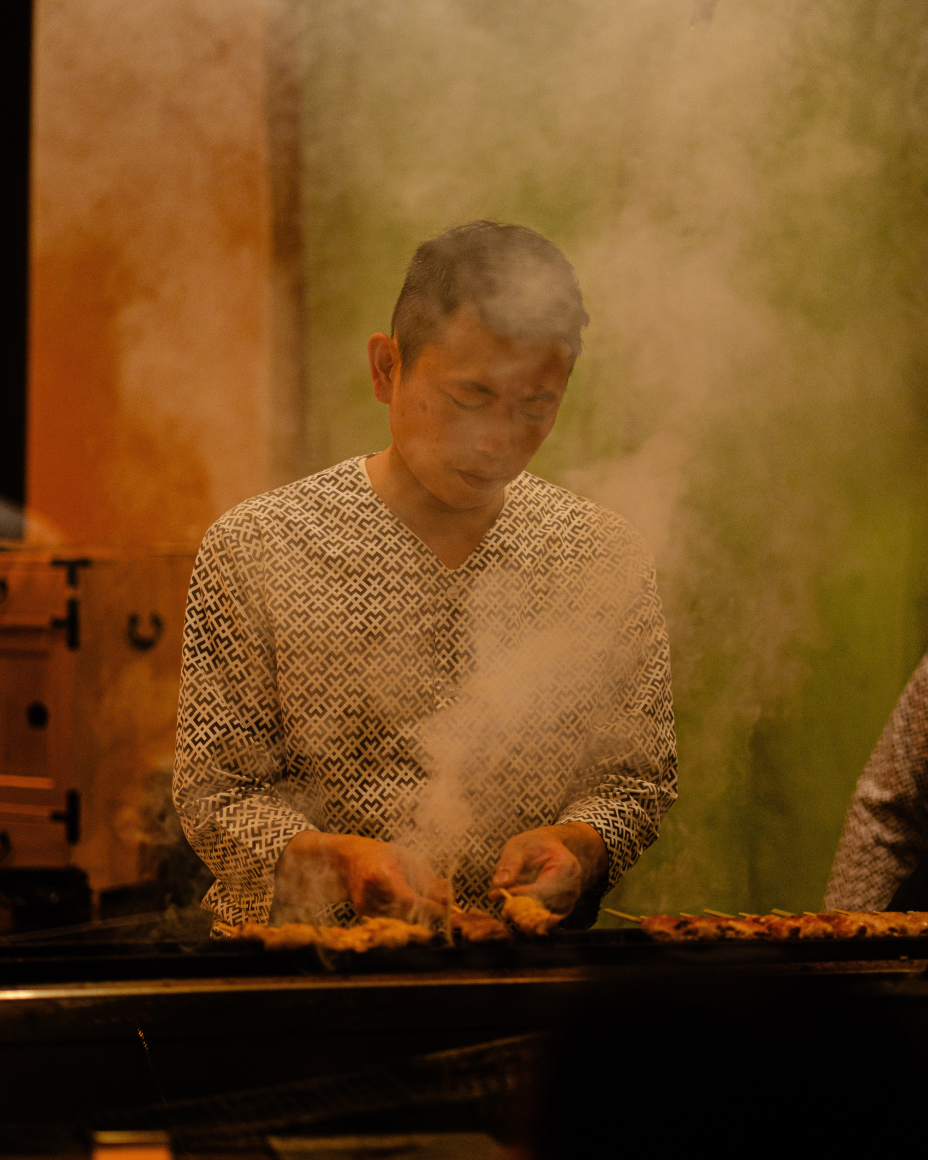
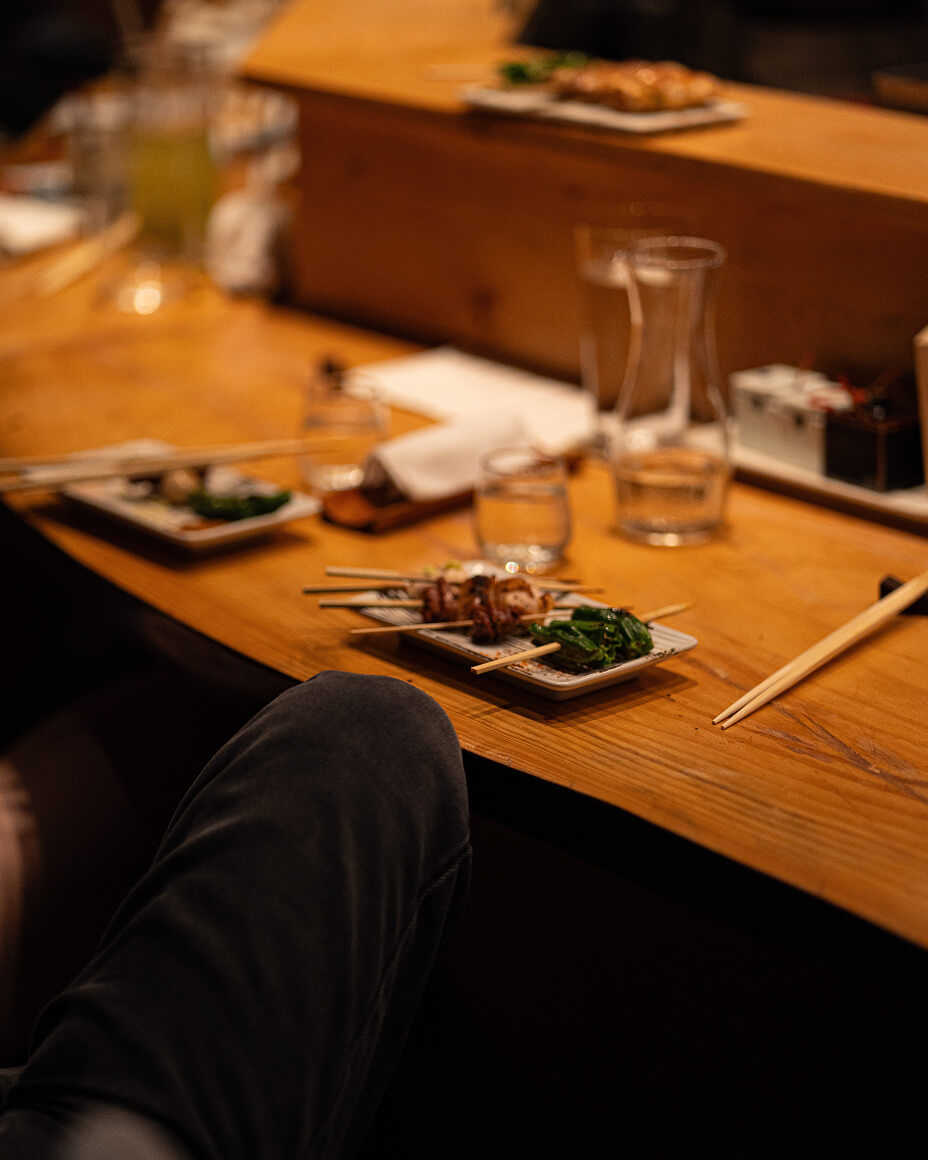
Sumibiyakitori Kidori grills yakitori over genuine binchōtan charcoal imported from Japan, a rarity in the greater Los Angeles area. The restaurant opened in November 2024 through a partnership between the team behind next door Sushi Kisen and Tokyo’s Sumibi Yakitori Zocalo. The intimate space is located in a strip mall; go through an unmarked entrance behind green curtains.
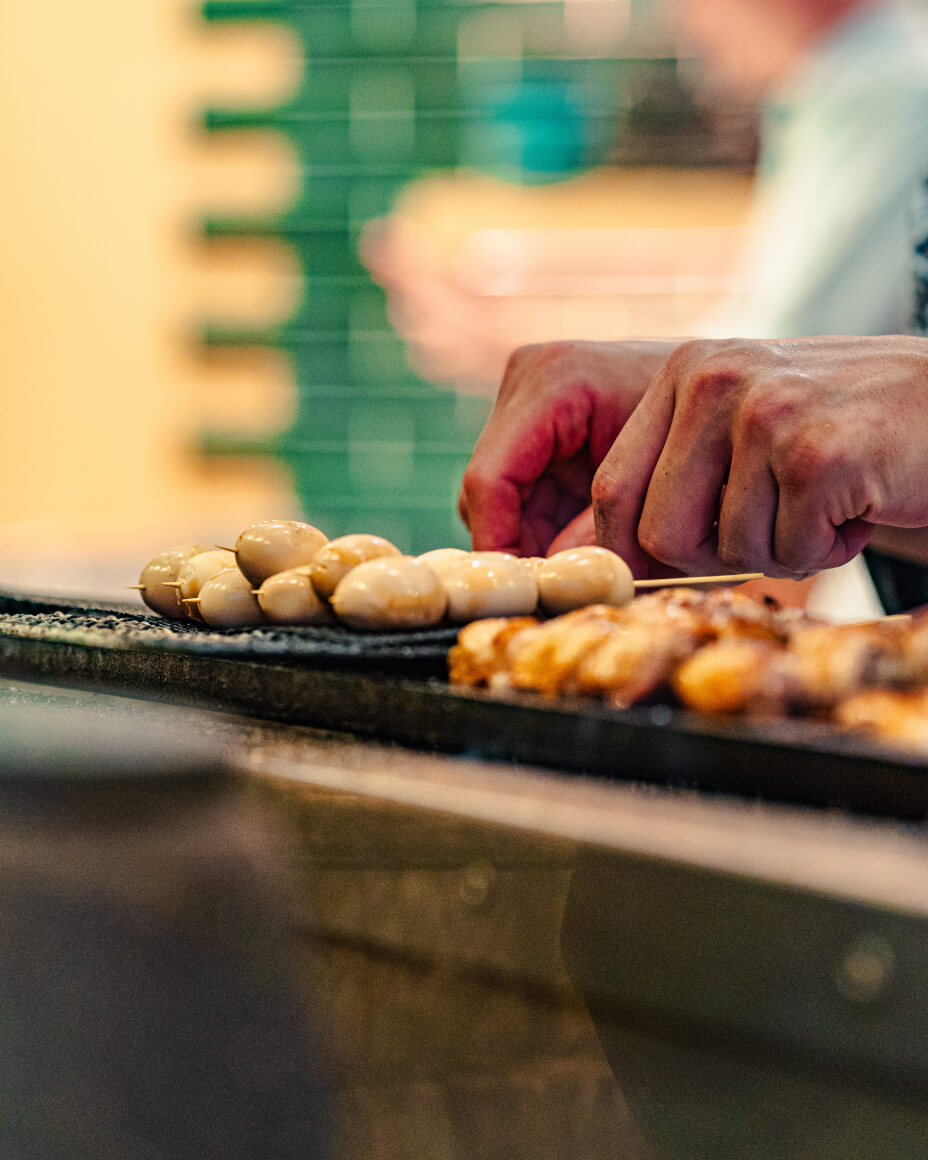
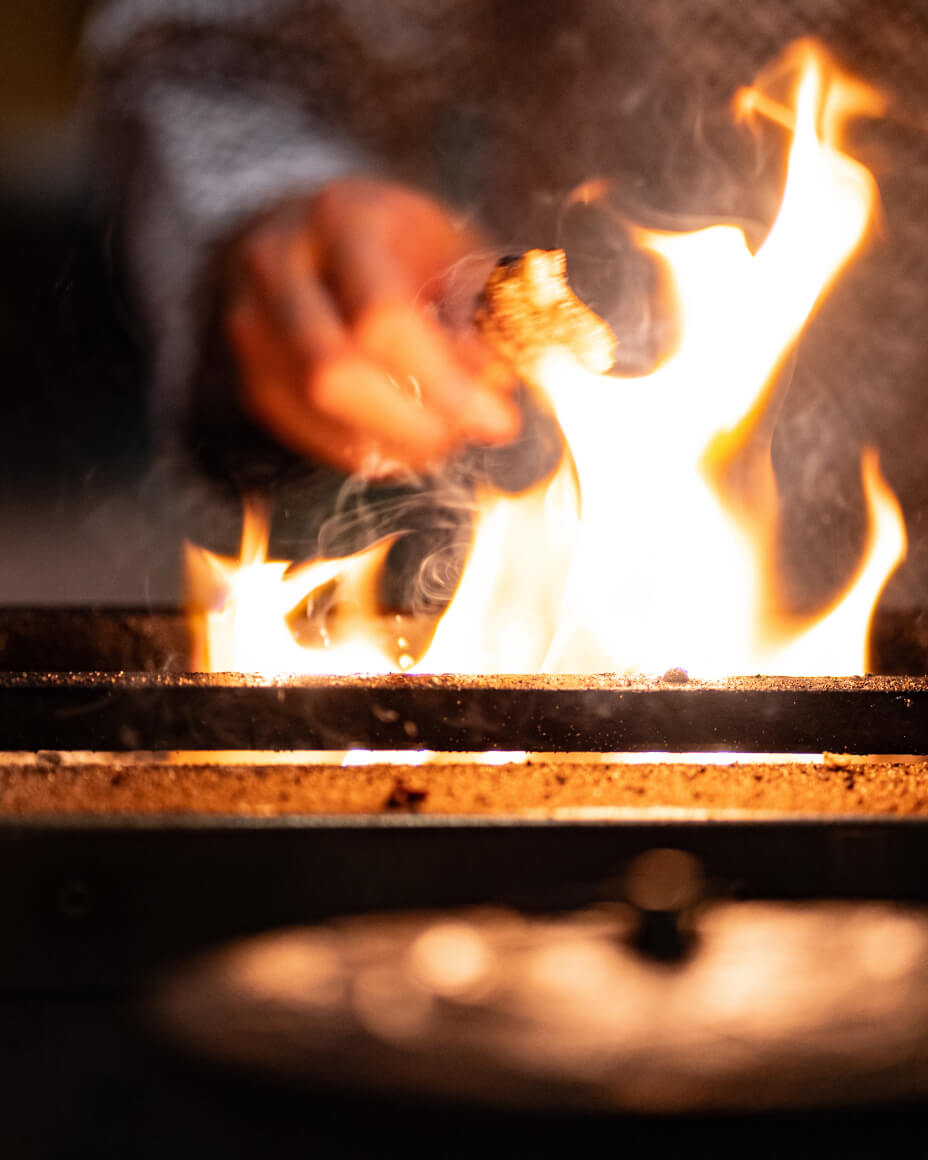
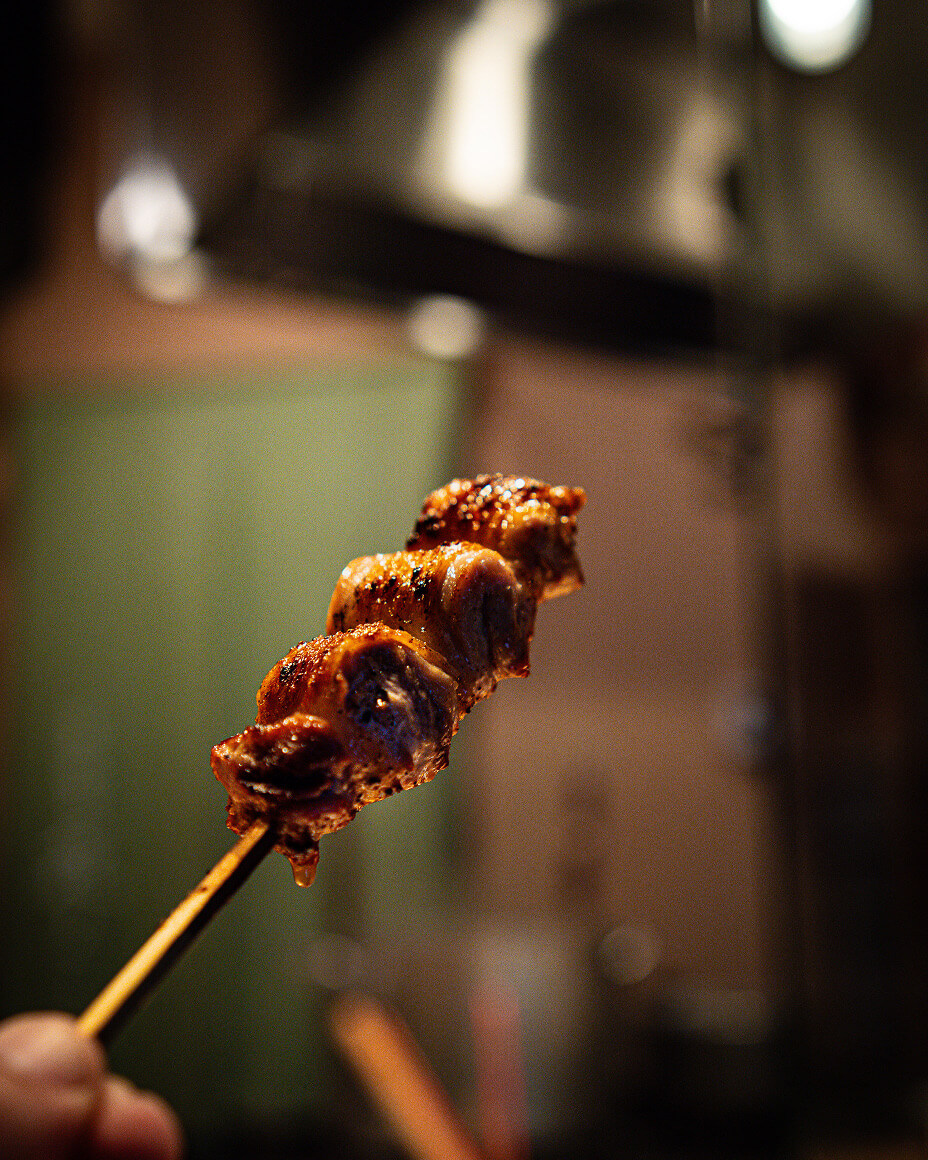
Binchōtan charcoal, the gold standard for yakitori cooking, provides consistent, intense heat that creates the perfect char without overpowering. Every skewer is grilled in front of guests at the 12-seat counter that surrounds the small kitchen, where flames dance and smoke rises throughout service. The sasami (chicken tenderloin) arrives slightly rare in the center, showcasing the chef’s mastery of the grill. This is authentic Japanese yakitori at its finest.
The quality for the cost. The $80 omakase includes appetizers, 10 chef’s choice skewers (that change seasonally), a rice or noodle dish, and dessert with an array of à la carte add-ons available like gizzards, hearts, or seasonal veg.
Barbacoa
Kansas City, MO
The concept
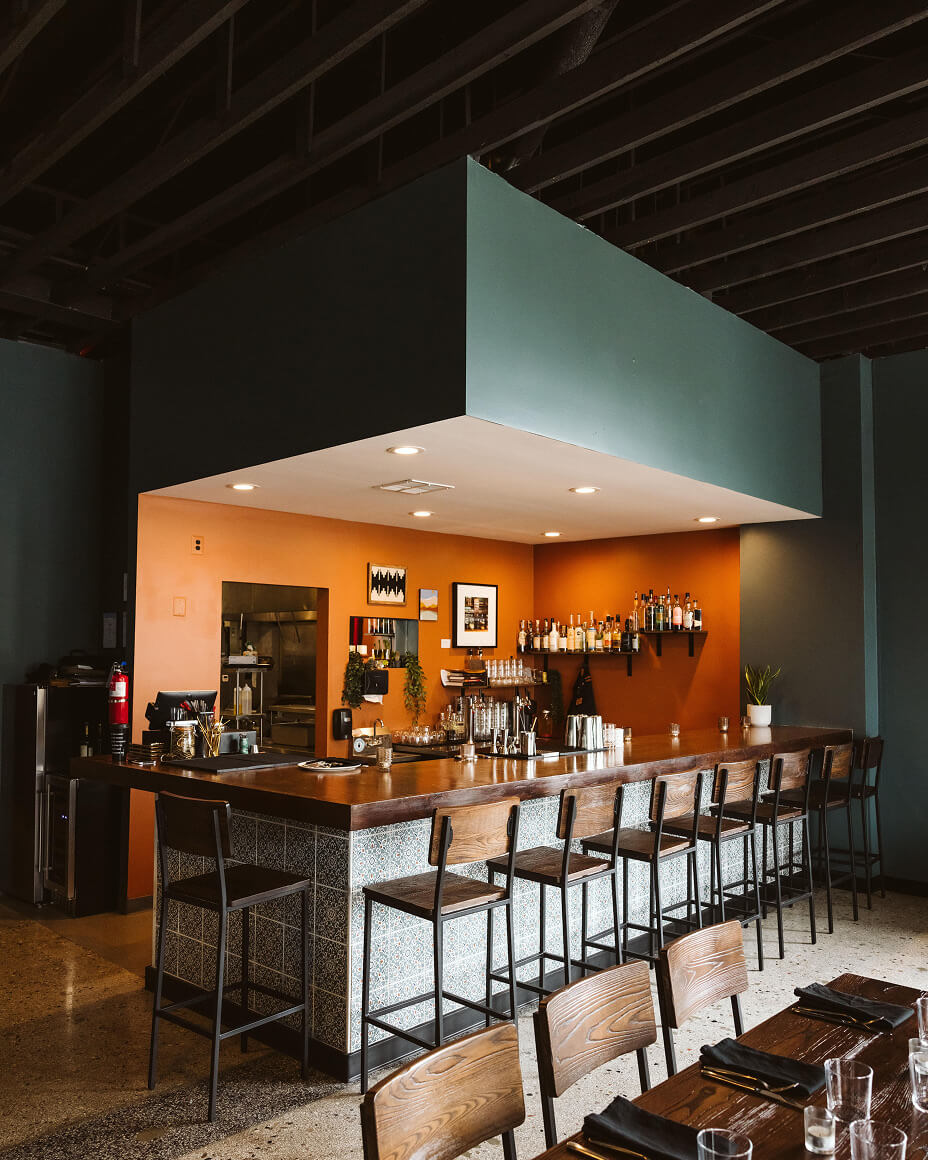
Barbecue runs deep in Kansas City and Barbacoa delivers that in a fresh new way: traditional Mexican cuisine made with classic American barbecue methods. The name means “to cook with fire” in Spanish and chef-owner Roman Raya (who gained popularity with his 2017 Taco Tank cart turned food stall) makes that literal. To this team, barbecue is more than sauce. It means fire, cooking slowly using smoke, and searing proteins atop live flames.
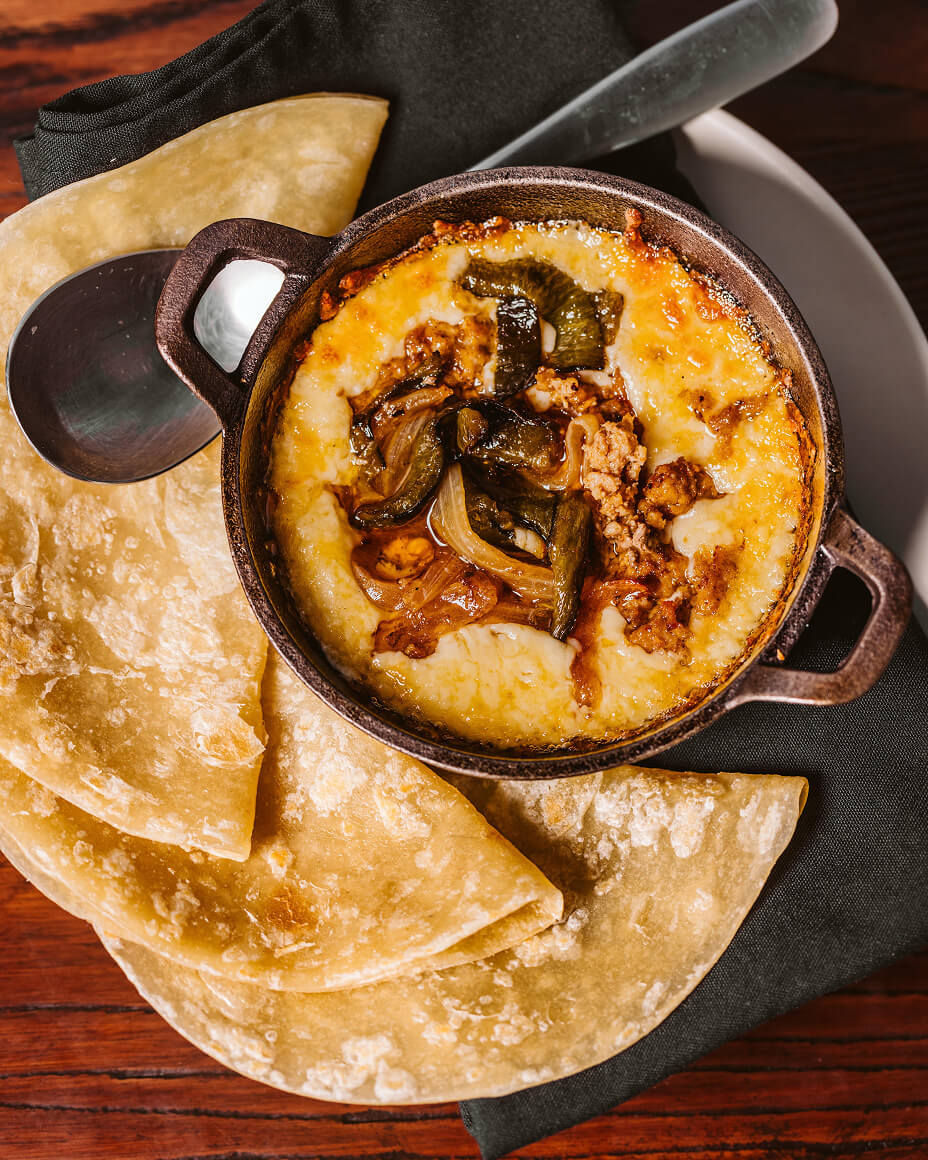
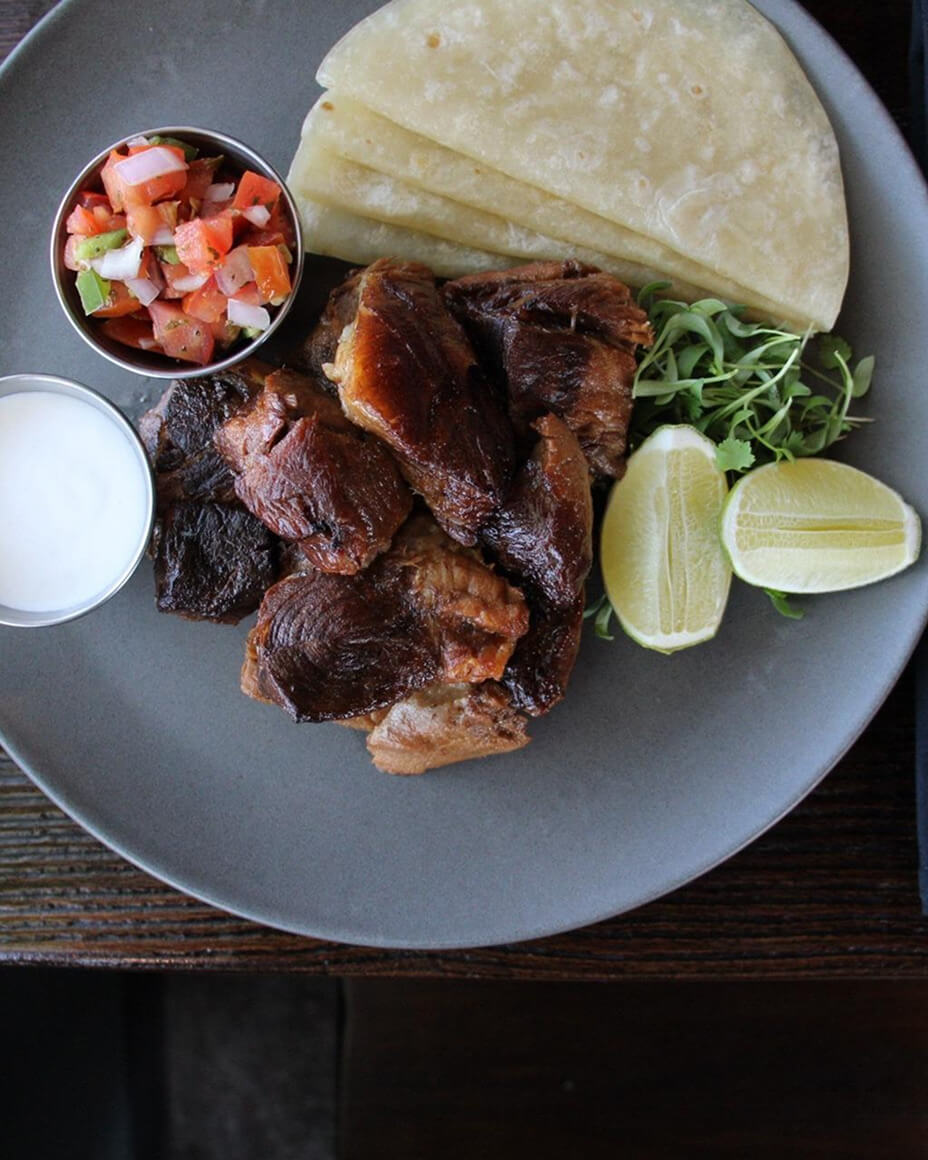
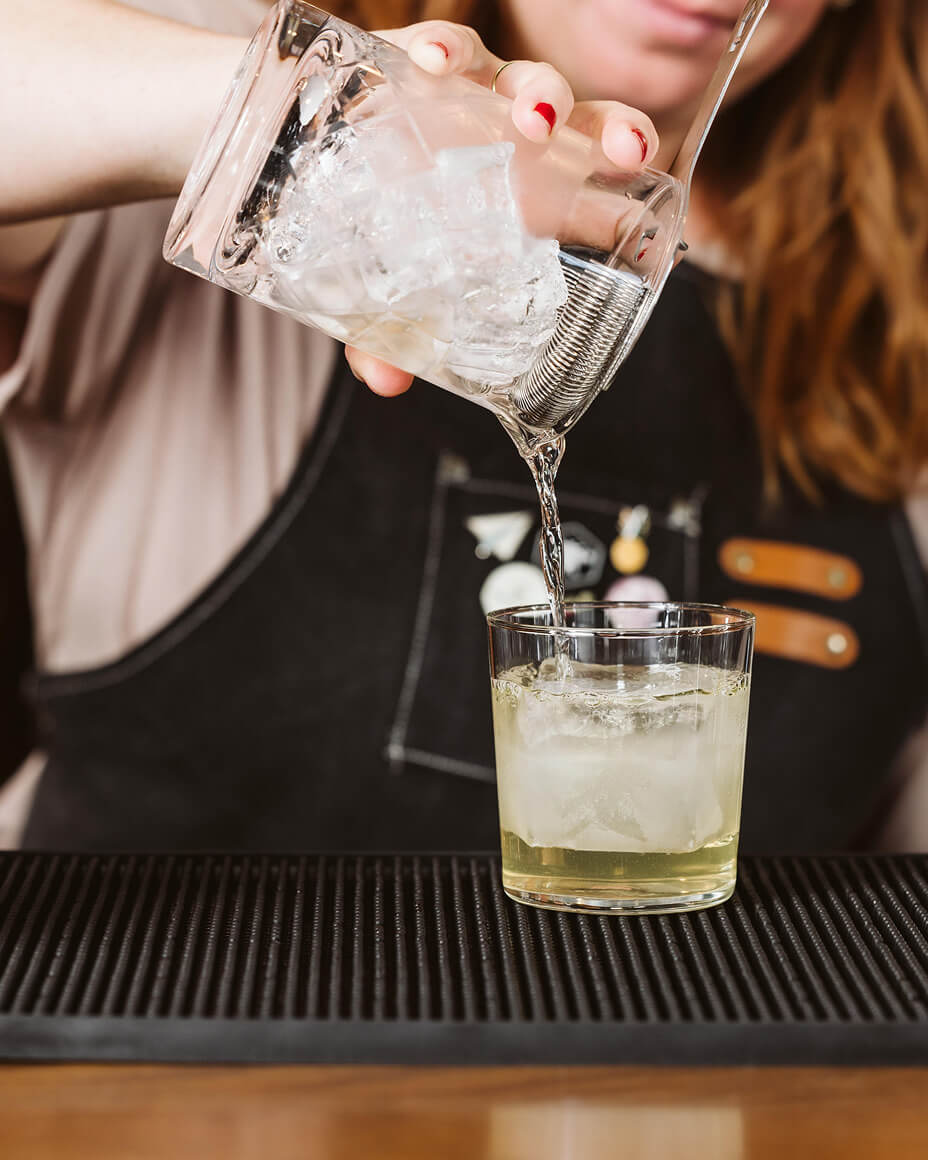
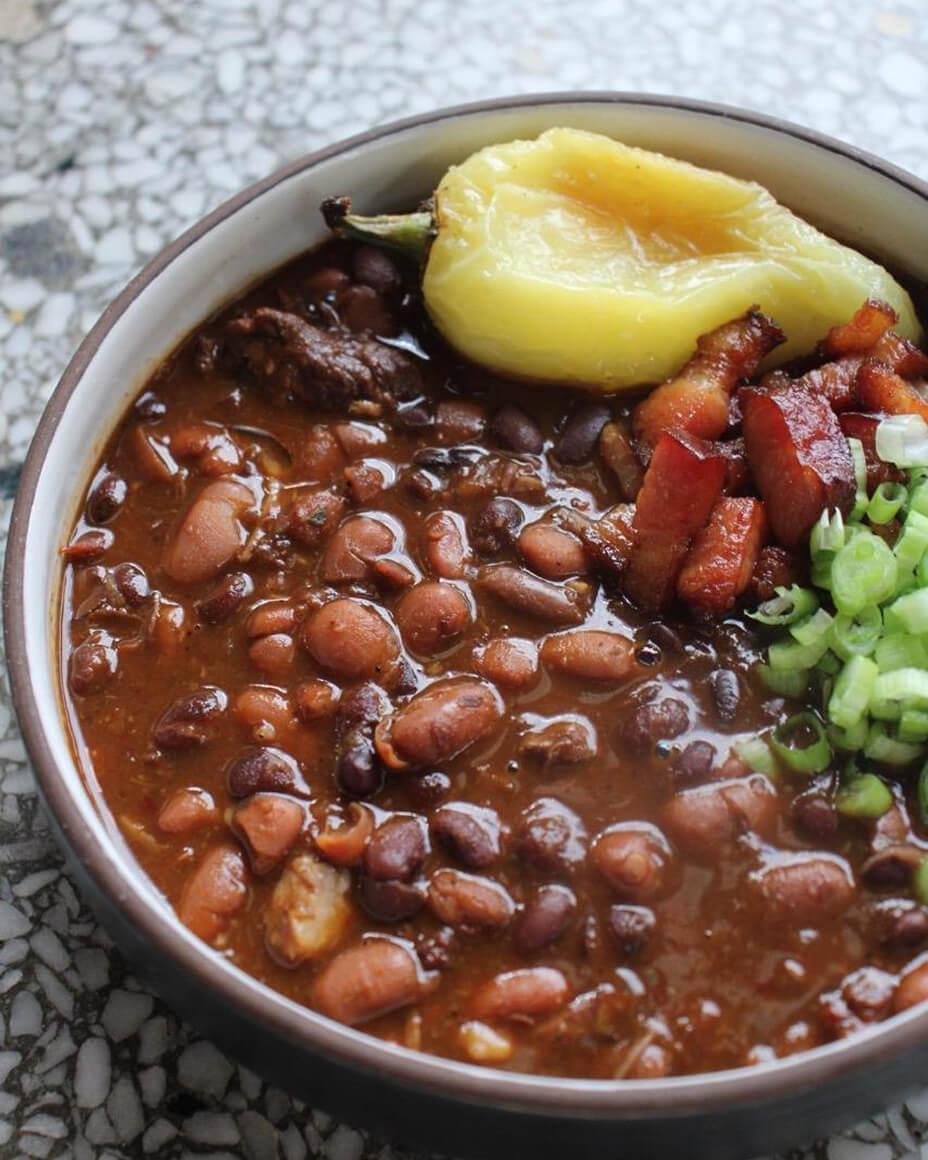
Slow smoking over woods like hickory and open-fire cooking define the menu, from the celebrated suadero (smoked beef brisket, served Saturdays only) to carnitas with pickled onion and garlic crema to pollo asado with chipotle aioli—even beans get cooked over flame alongside lardons and scallions. The dessert and cocktail menus, overseen by co-owner Madeline Buechter, carry smoke and fire influence, including the smoky mezcal espresso martini.
For the hometown roots. Raya grew up in Kansas City where his family would gather on Sundays for carnitas at his grandmother’s house. He realized his passion and interest in cooking here and got his start barbecuing at tailgates for friends at Royals games.
El Che Steakhouse & Bar
Chicago, IL
The concept
El Che is John Manion’s homage to Argentina’s beloved asados—traditional backyard barbecues featuring platters of flame-finished grilled meat. Before opening in Chicago’s West Loop in 2016, Manion spent years living in Brazil. He brings decades of passion for Latin American cooking to every dish that crosses the flames. The restaurant also features one of the country’s only all-South American wine lists (a Wine Spectator Award of Excellence winner) created by wine director Alex Cuper.
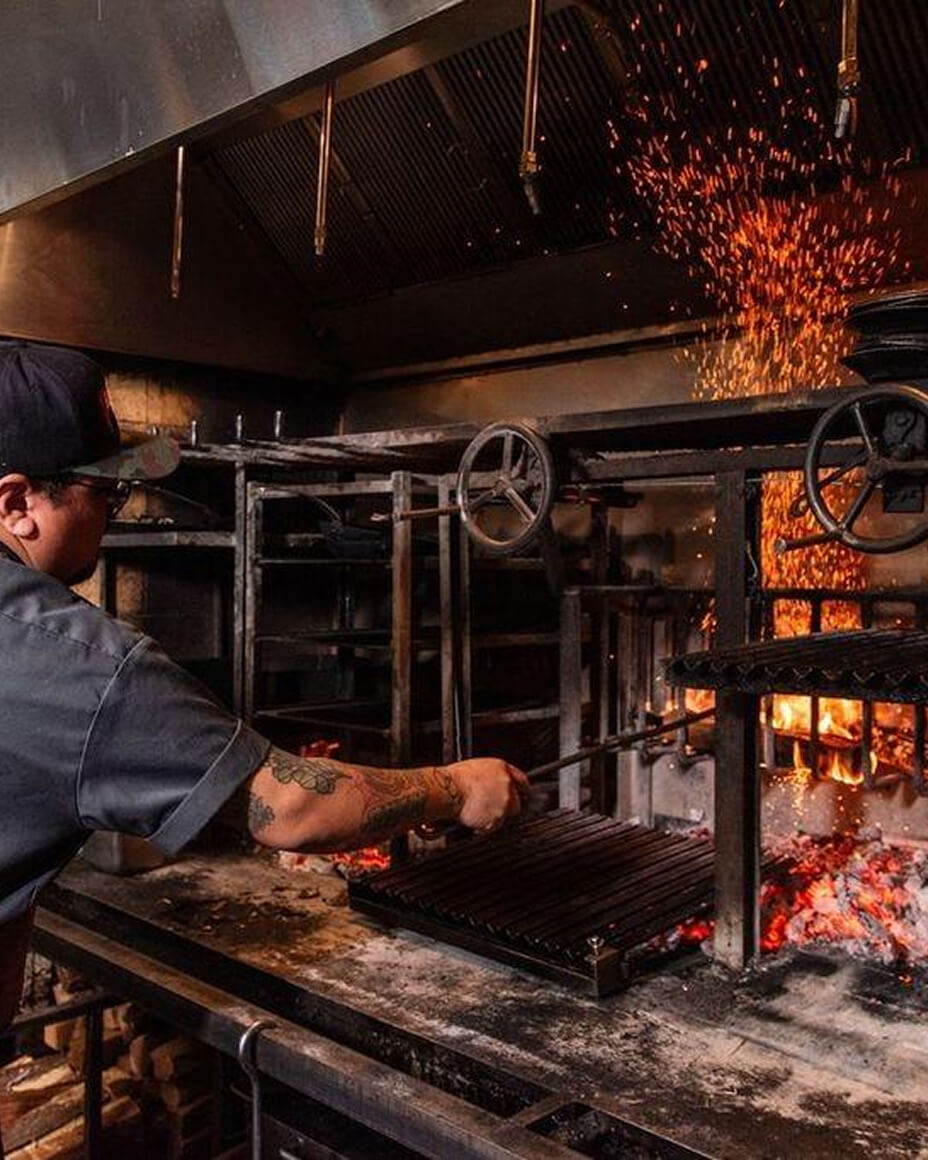
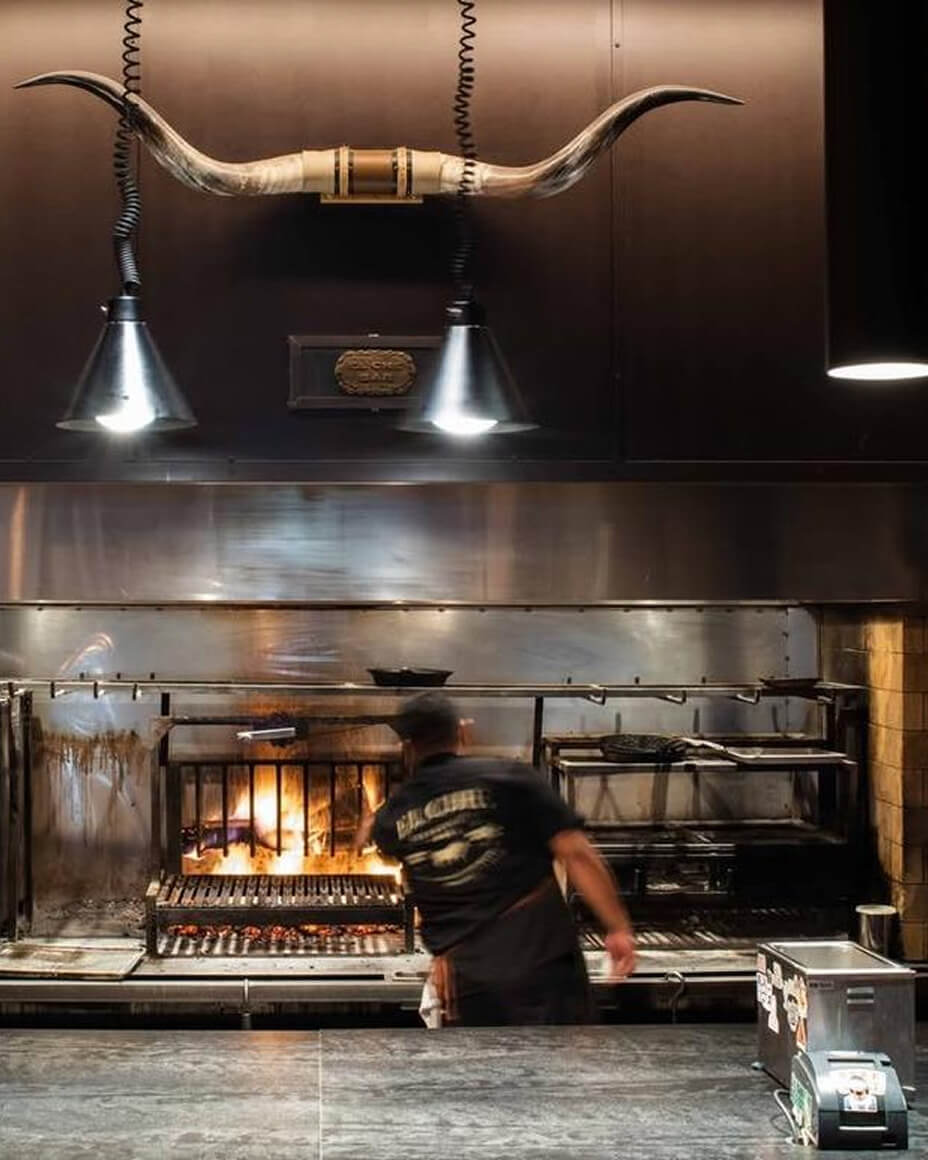
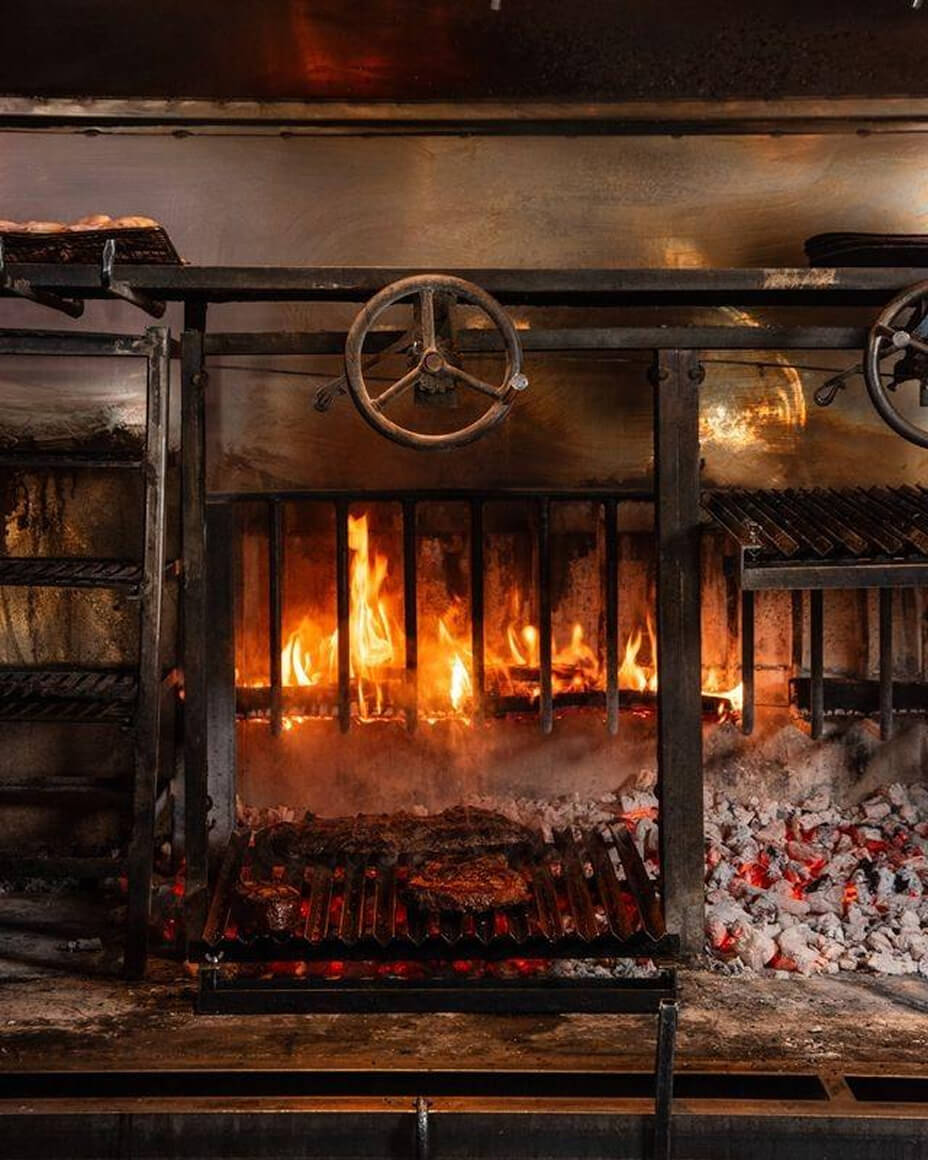
Fire sets the tone, tempo, and warmth of the restaurant. A 12-foot custom-built wood-burning grill with adjustable racks and meat-hanging hooks, serves as the beating heart. The team grills everything from wagyu New York strip to tira de asado. Dine at the chef’s counter directly in front of the hearth to get in on the action.
For the consistency. El Che, which celebrates its ten-year anniversary this year, has been putting up well-seasoned, well-executed dishes for a decade. It’s not about frills, but flavor.
Lupo
Seattle, WA
The concept
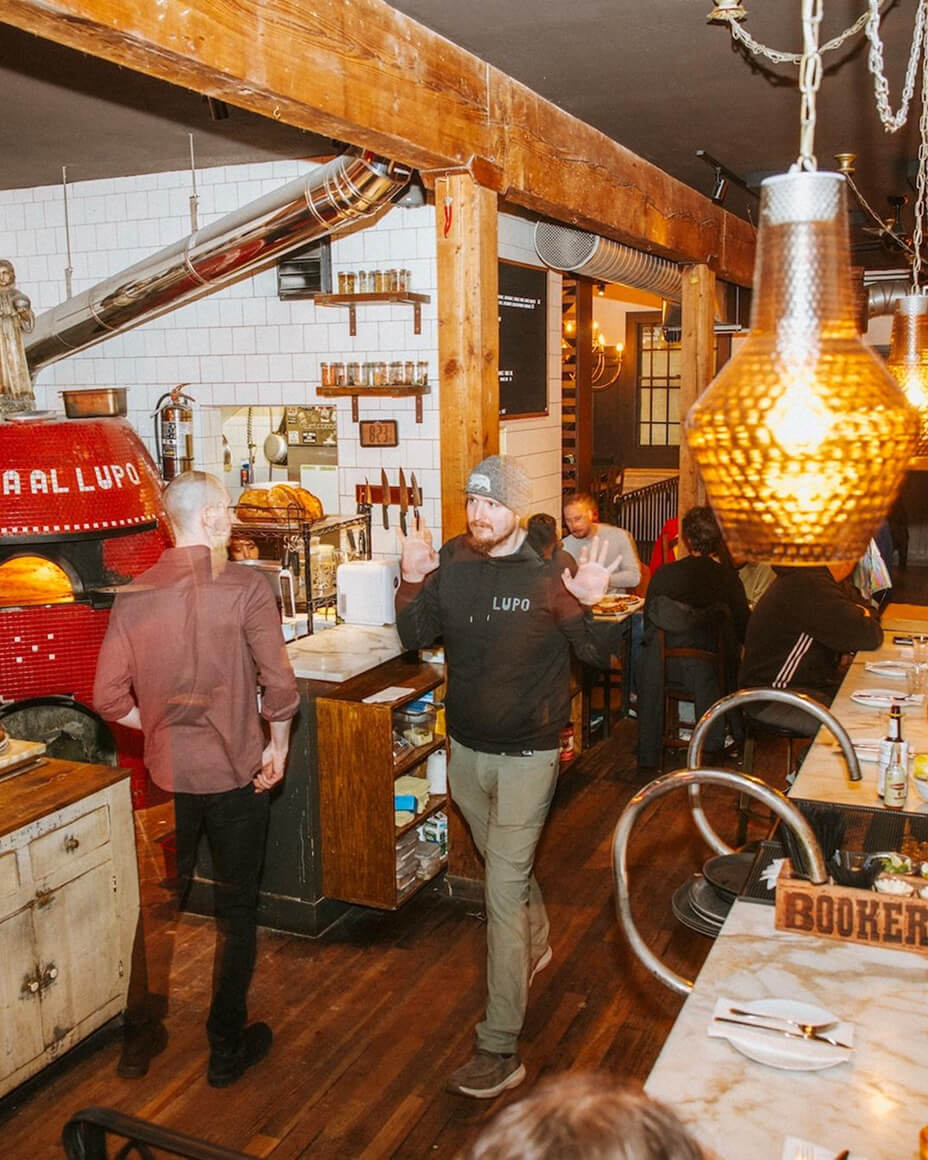
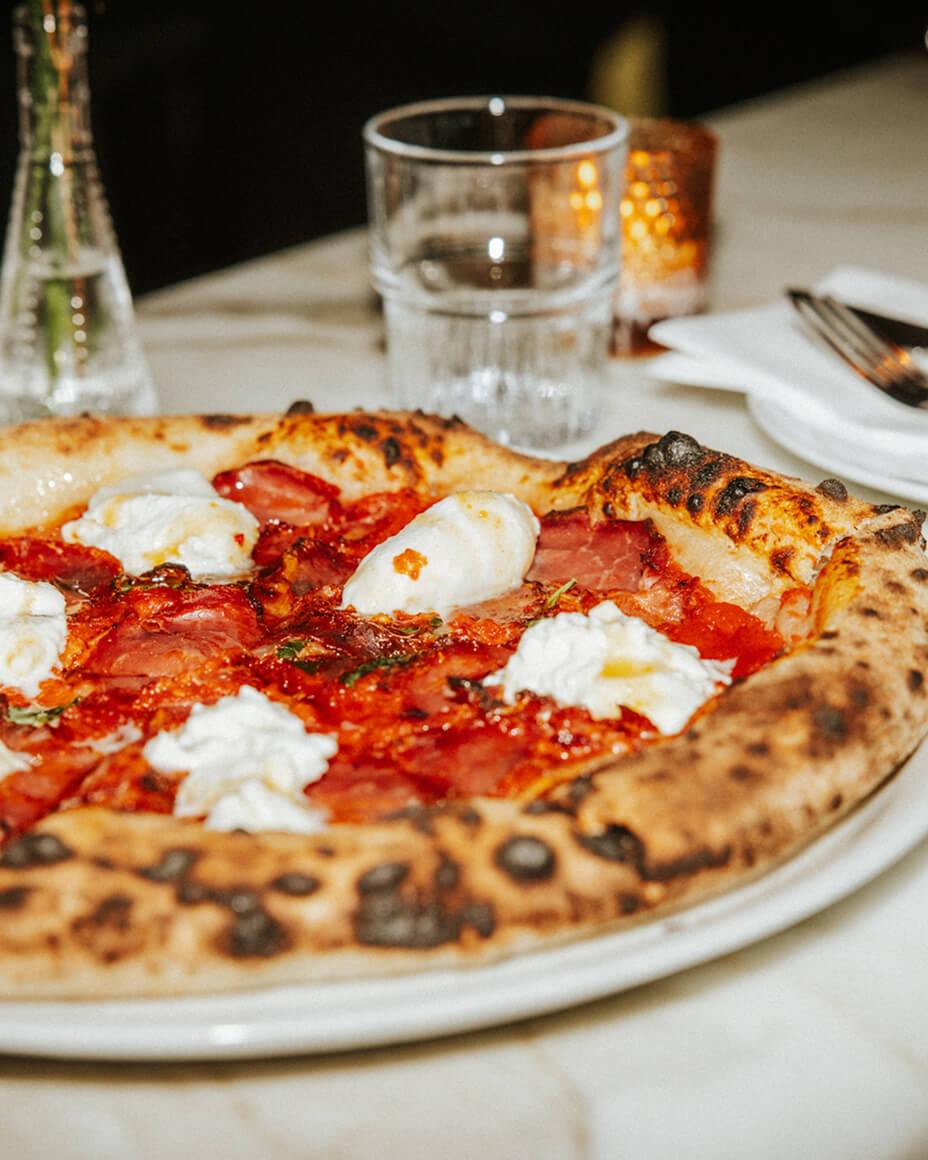
Lupo is a neighborhood pizza spot in Seattle’s Fremont area serving naturally-leavened sourdough pies, natural wines, classic cocktails, and house ice cream. Executive chef Cam Hanin, with nearly two decades of experience in Seattle and New York kitchens, perfected his sourdough pizza to create something unique that builds on a traditional Neapolitan approach.
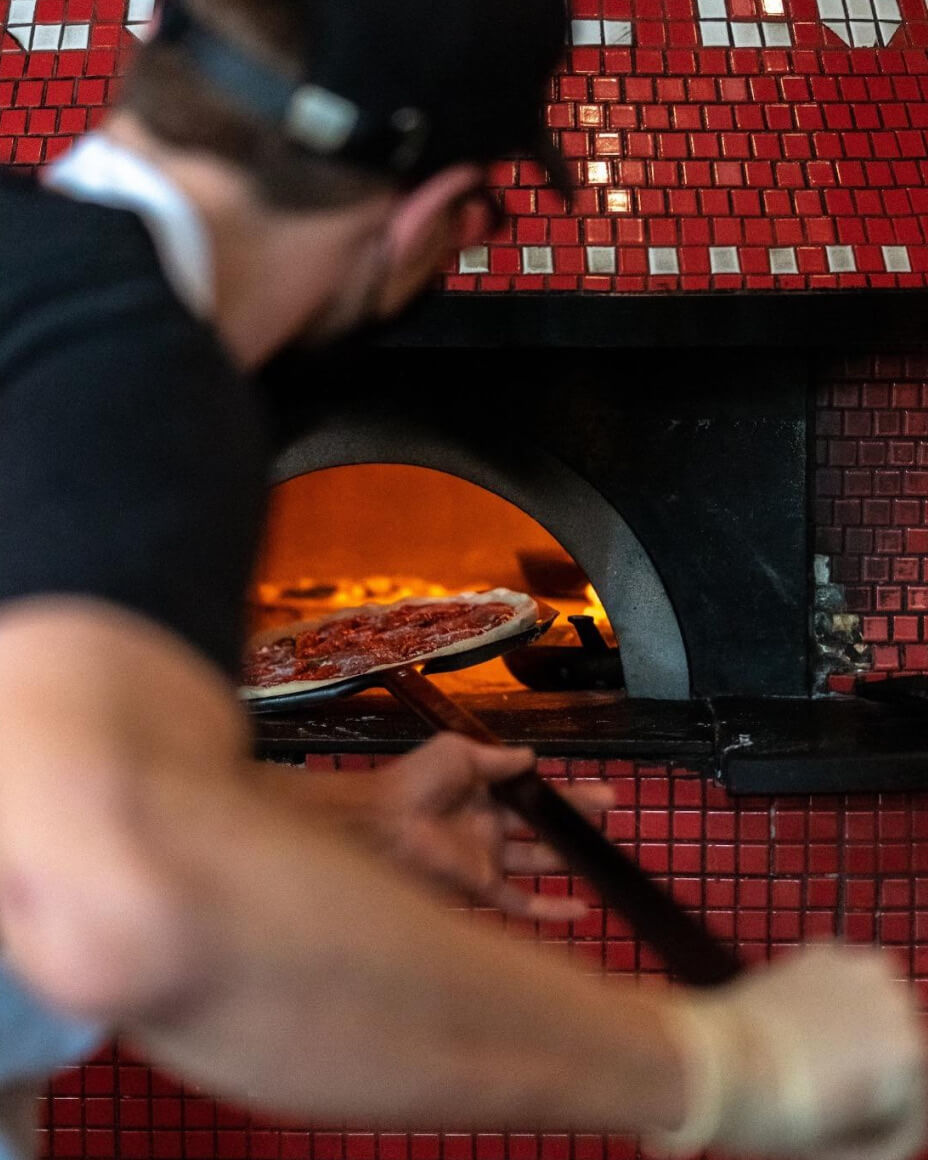
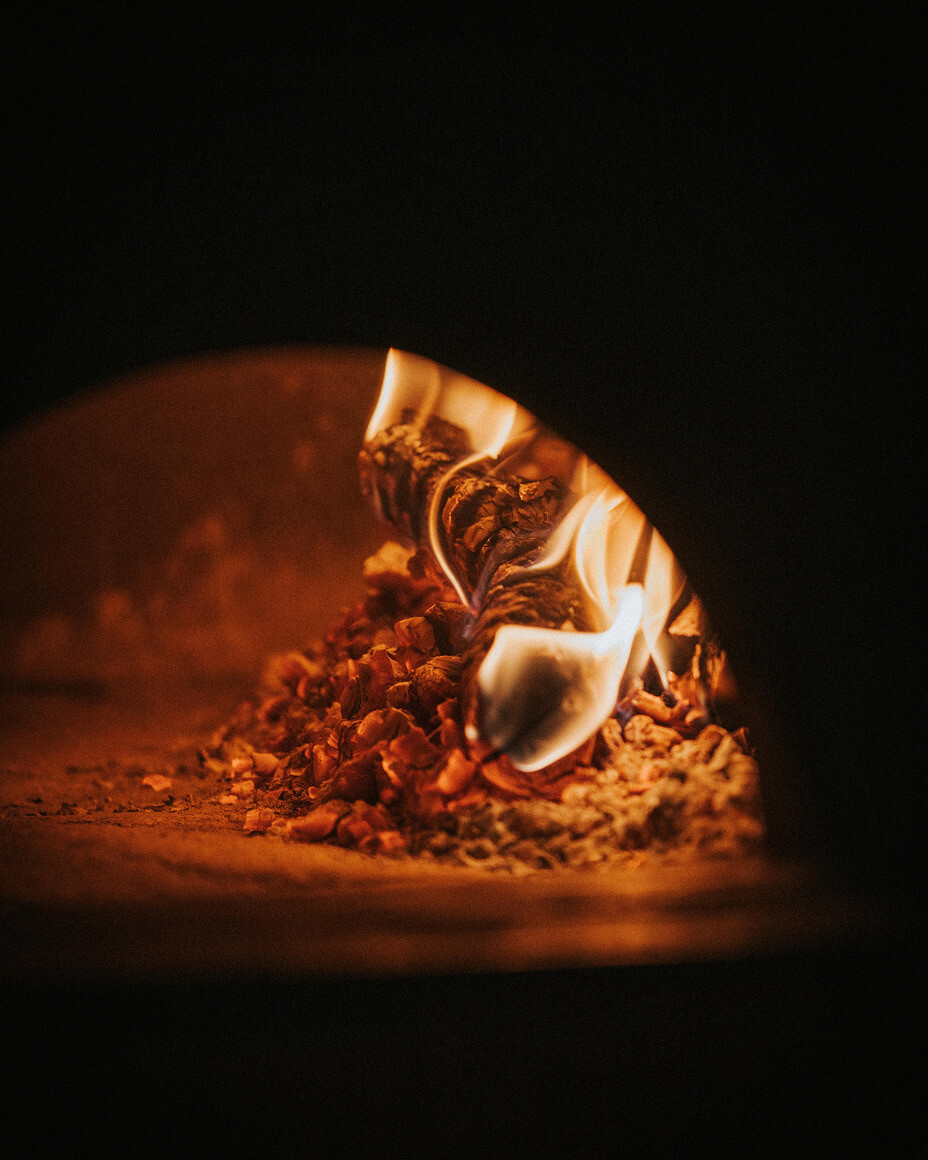
A roaring wood-fired pizza oven dominates the compact kitchen, cooking pies at very high heat. The oven’s flames create the signature char and texture on Lupo’s sourdough crust while also inspiring preparations for seasonal vegetables and other wood-fired dishes like the hearth-baked bread that comes out hot and served simply with butter and sea salt.
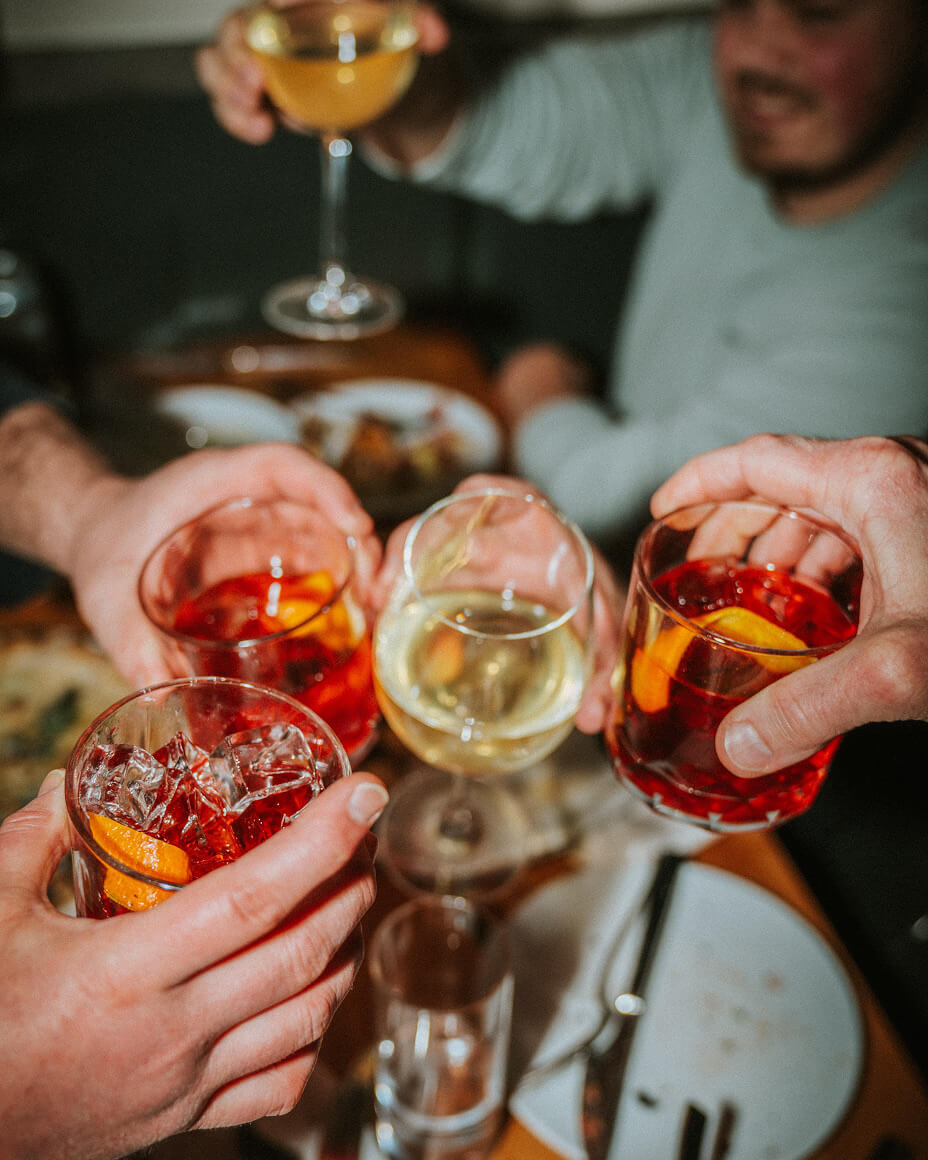
For the level of craft, starting with the sourdough crust. It’s naturally fermented and developed with the care of a baker who understands timing and temperature. As much care goes into the house-made ice creams, which have rotating flavors and serve as the perfect end to this rustic meal. The menu also showcases low-intervention wines from as nearby as Willamette Valley and as far as Italy, Baja Mexico, and Slovenia.
Killen's BBQ
Pearland, TX
The concept
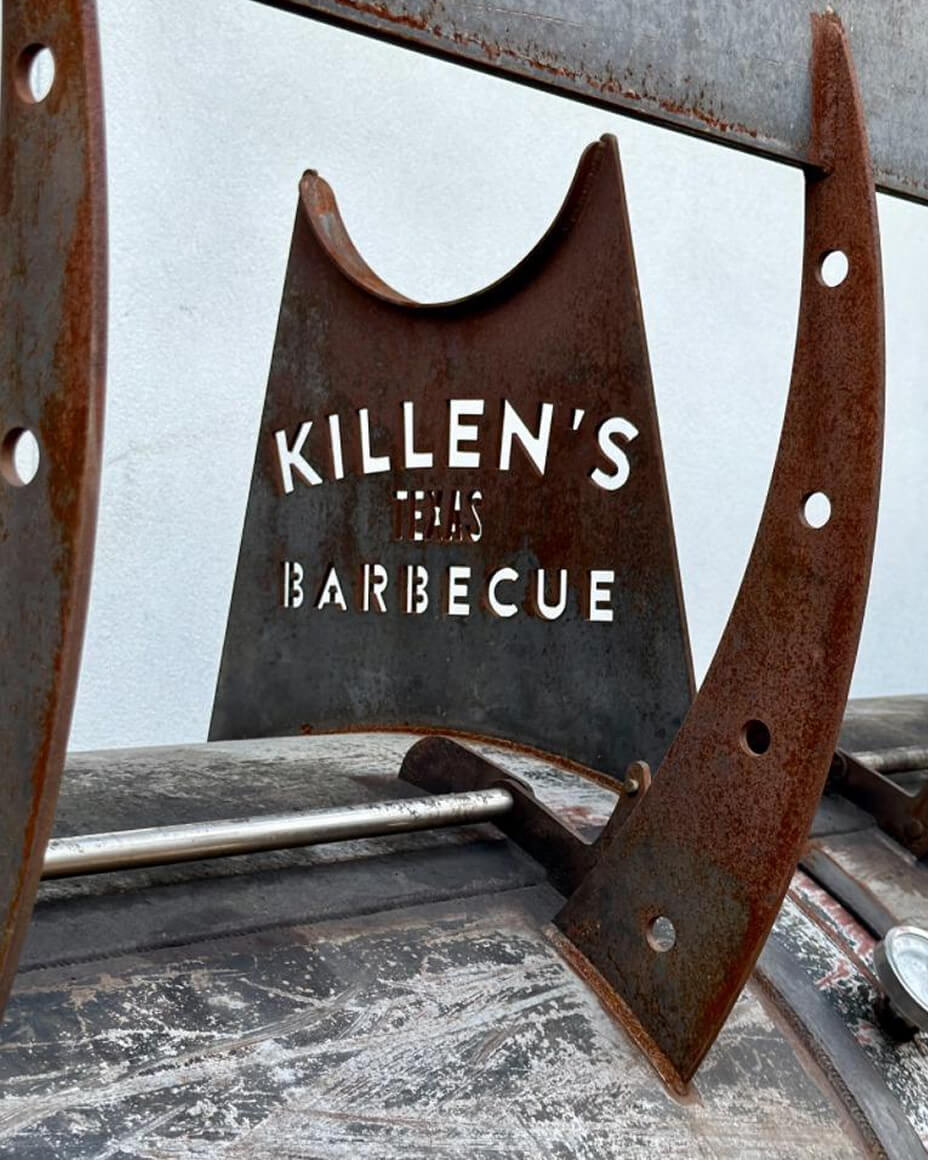
Native Texan Ronnie Killen, a Le Cordon Bleu-trained chef and multiple James Beard Award® semifinalist, returned to his barbecue roots in 2014 after building a steakhouse empire. The original Killen’s opened in a former school cafeteria, transforming it into a destination for Central Texas-style barbecue. Killen has since opened multiple locations across the Lone Star State to national acclaim.
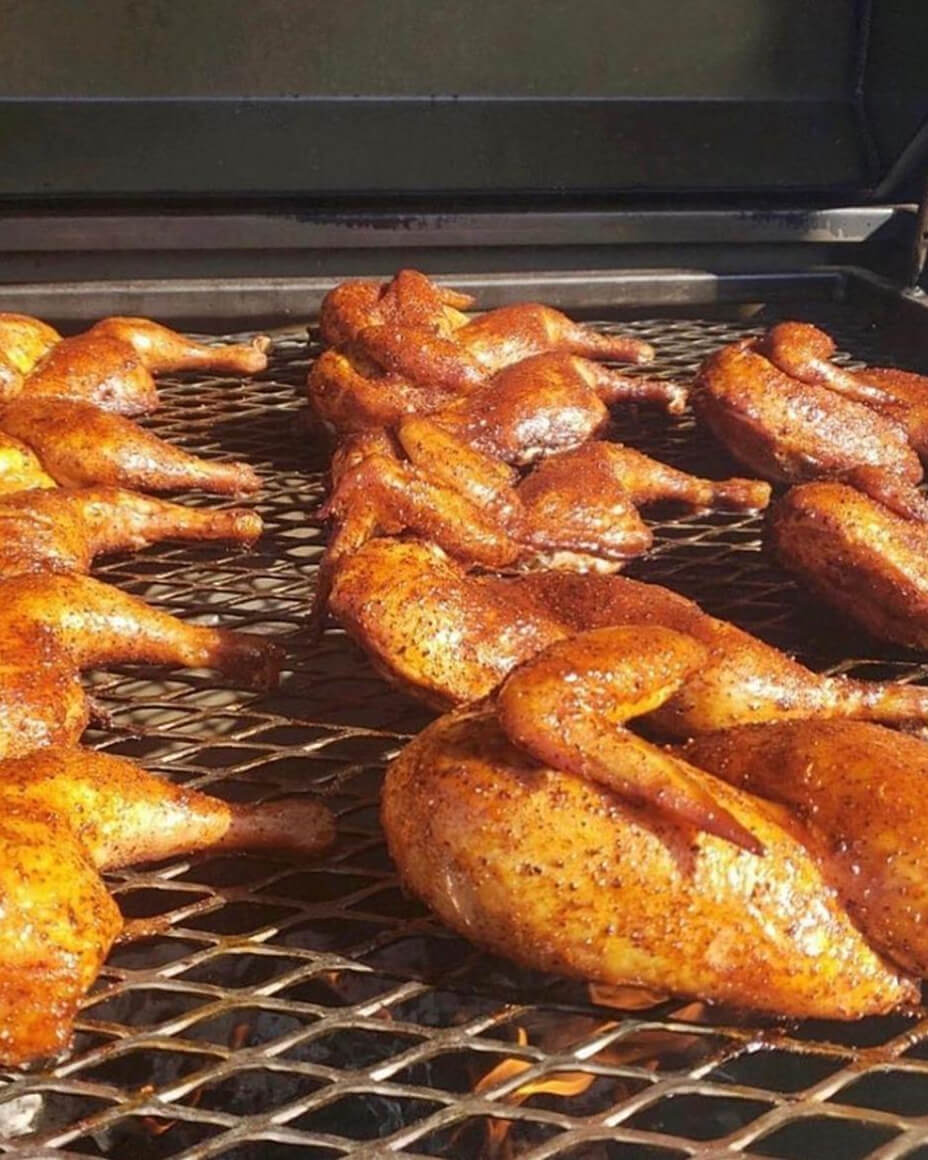
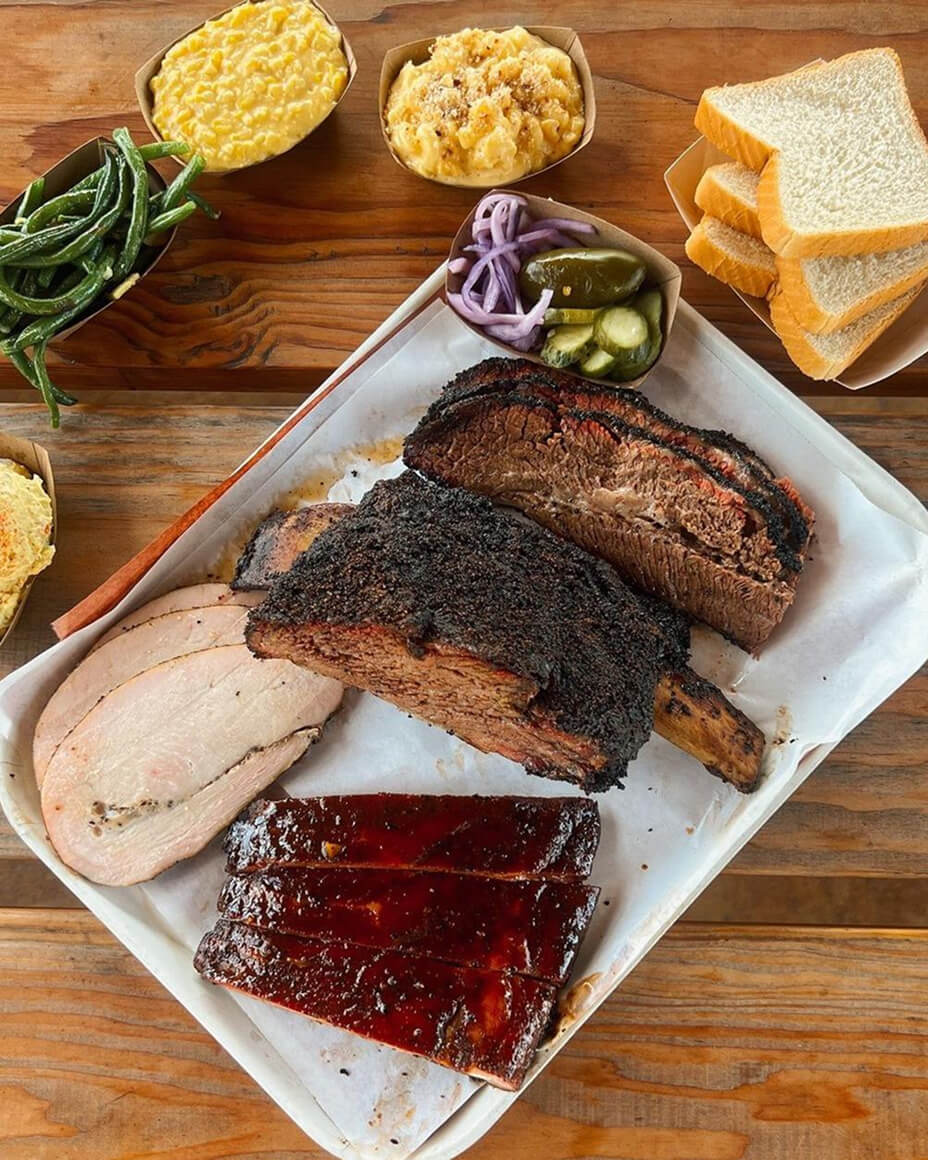
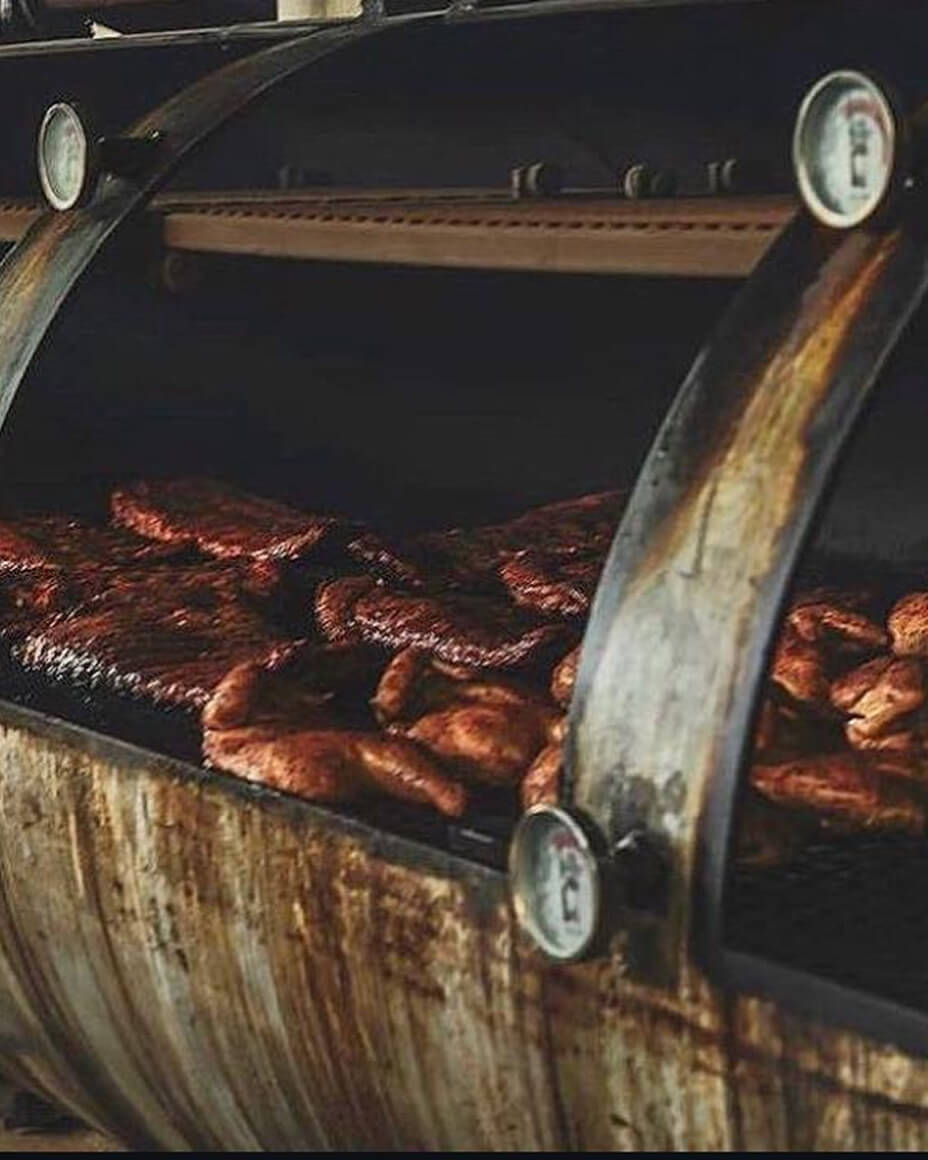
Killen uses 1,000-gallon Moberg offset barrel pits and Oyler rotisseries out back behind the restaurant where he smokes Snake River Farms beef (and other meats) to perfection. The beef rib, smoked with nothing but salt, pepper, oak, and patience, sings of smoke and fat. It’s so tender, some have said you can cut it with a spoon. Lines form before the 11 a.m. opening as crowds move through cafeteria-style service with meats cut to order. Don’t skip the pork belly burnt ends tossed in pepper jelly sauce or the crème brûlée bread pudding for dessert.
For the sense of place and purpose. Killen’s family moved to Pearland when he was in the third grade and attended the school that now houses the restaurant. The site contains Texas’ first-ever school cafeteria, which was opened in the 1950s, and that same line is where people order famed barbecue. The original beams still exist and black-and-white photos of students in that cafeteria from the ‘50s and ‘60s line the walls. “The building has history,” Killen told ABC13. “It means something to me, and it means something to the people of Pearland.”
Words by Ari Bendersky
Ari Bendersky is a Chicago-based lifestyle journalist focusing on food, wine, spirits, and travel, and the creator of the Something Glorious newsletter on Substack. He has contributed to a number of leading publications including The New York Times, The Wall Street Journal magazine, People, Men's Journal, Food & Wine, Eater, Wine Enthusiast, RollingStone.com, and many more.
Illustration by C.R. Canseco
C. R. Canseco was born in Oaxaca de Juárez, a place shaped by symbols, textures and quiet moments. Canseco is based in Mexico City. Since 2012, Canseco has developed a visual practice spanning painting, digital illustration and a range of material explorations, all driven by a recurring question: Why do we do what we do?