Celebrating the people, passion, and stories behind great hospitality with Tock 10.
Sumibiyakitori Kidori
Arcadia, CA
The concept
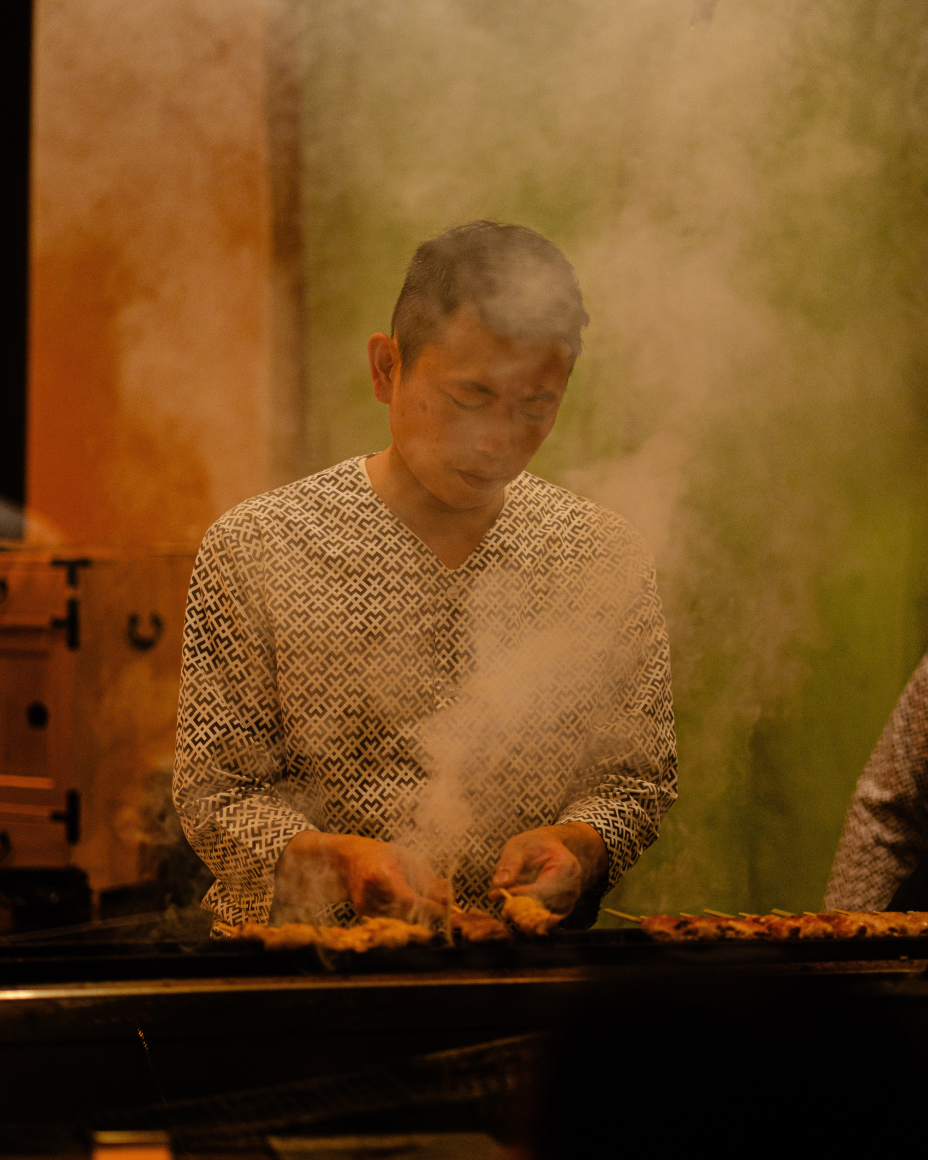
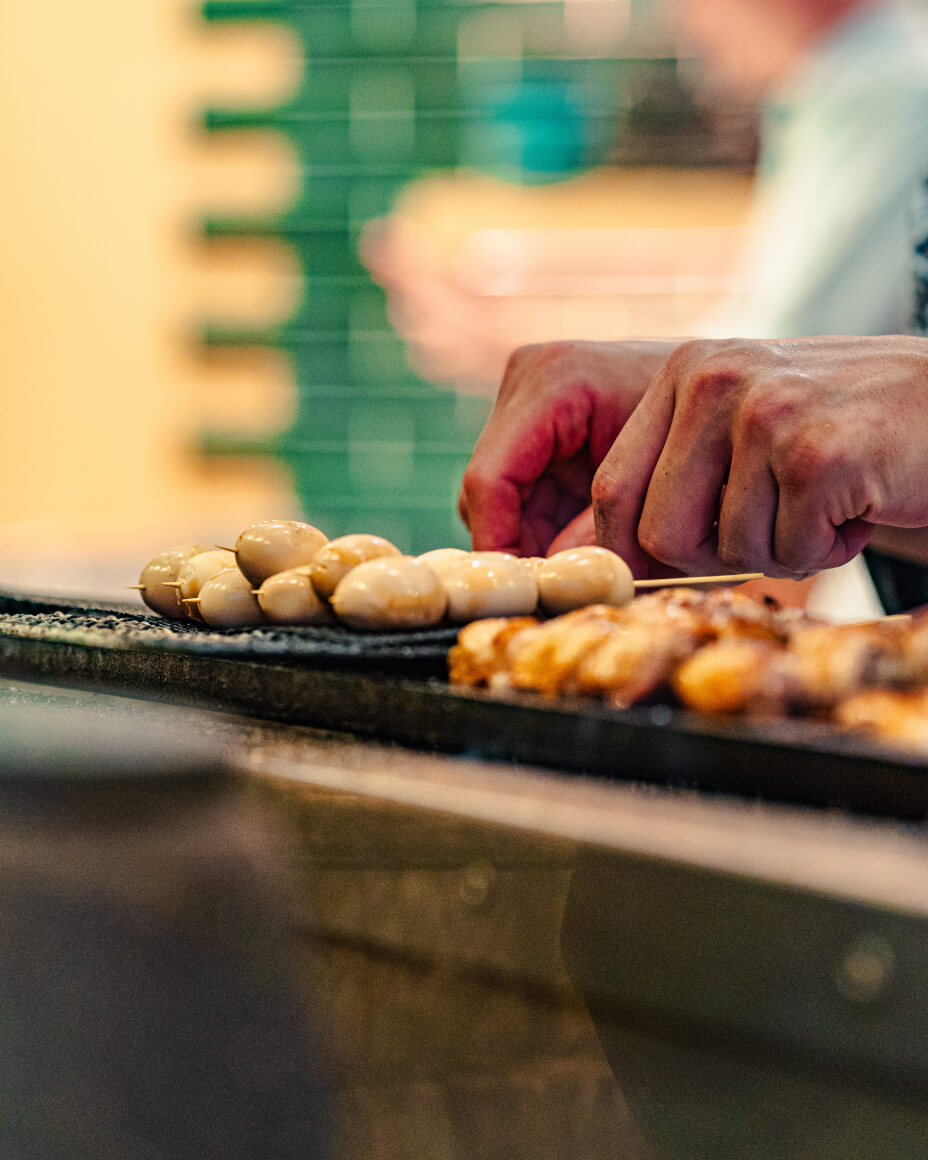
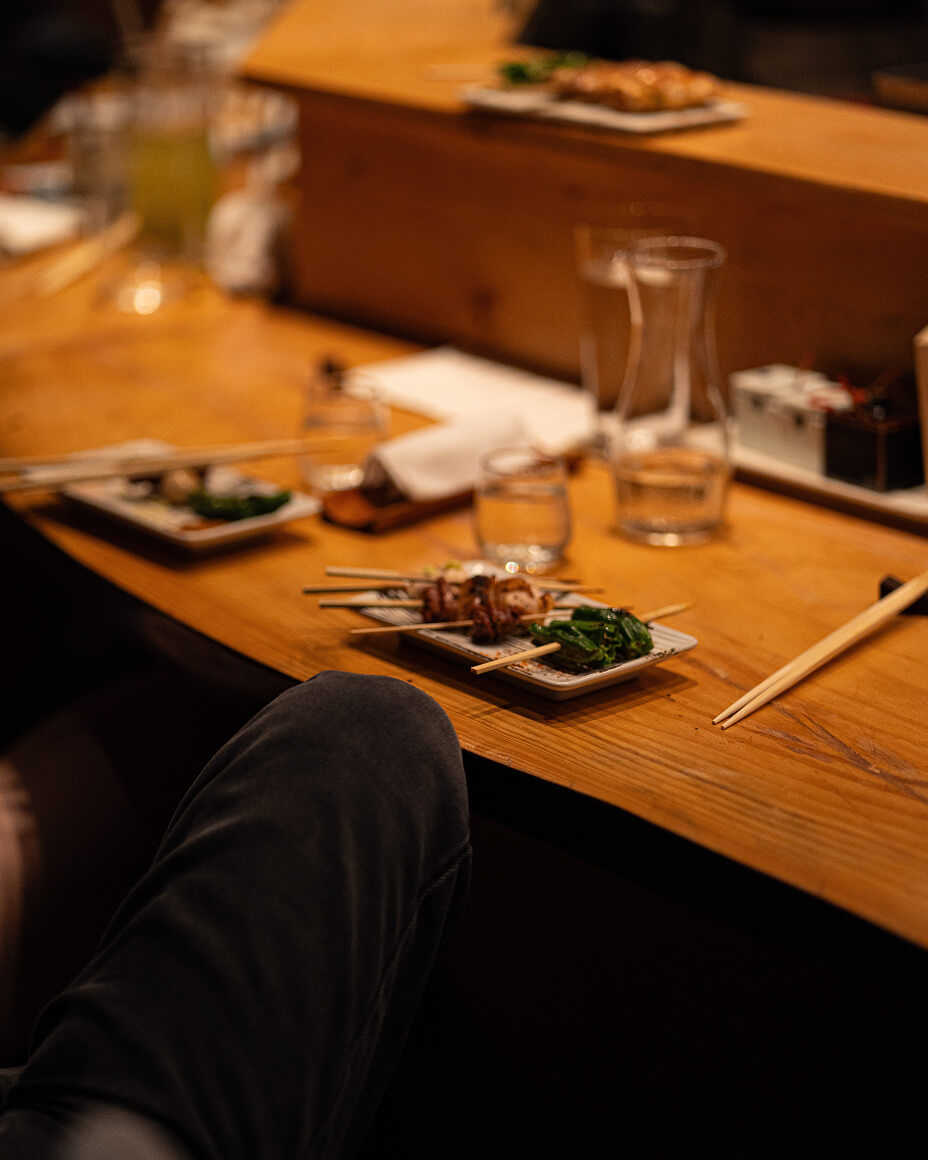
Sumibiyakitori Kidori grills yakitori over genuine binchōtan charcoal imported from Japan, a rarity in the greater Los Angeles area. The restaurant opened in November 2024 through a partnership between the team behind next door Sushi Kisen and Tokyo’s Sumibi Yakitori Zocalo. The intimate space is located in a strip mall; go through an unmarked entrance behind green curtains.
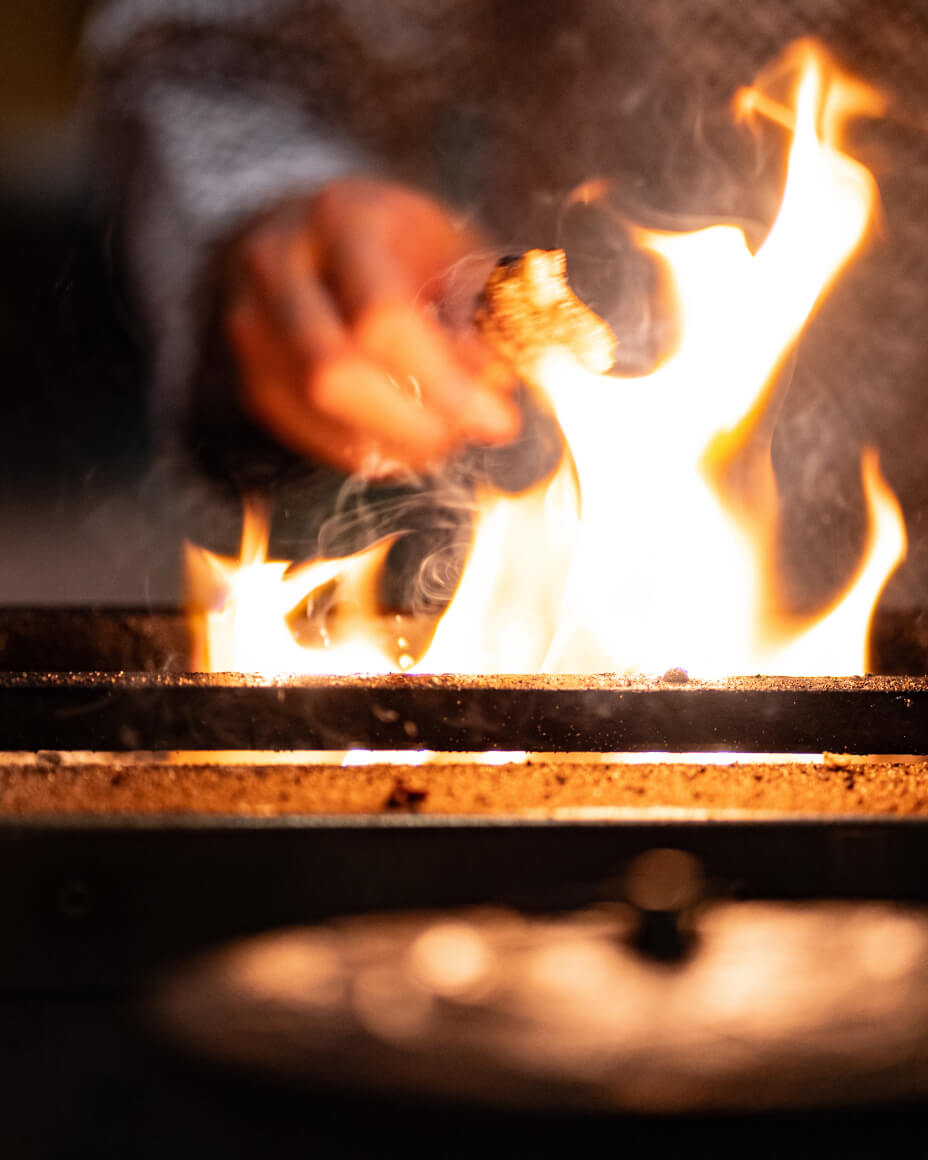
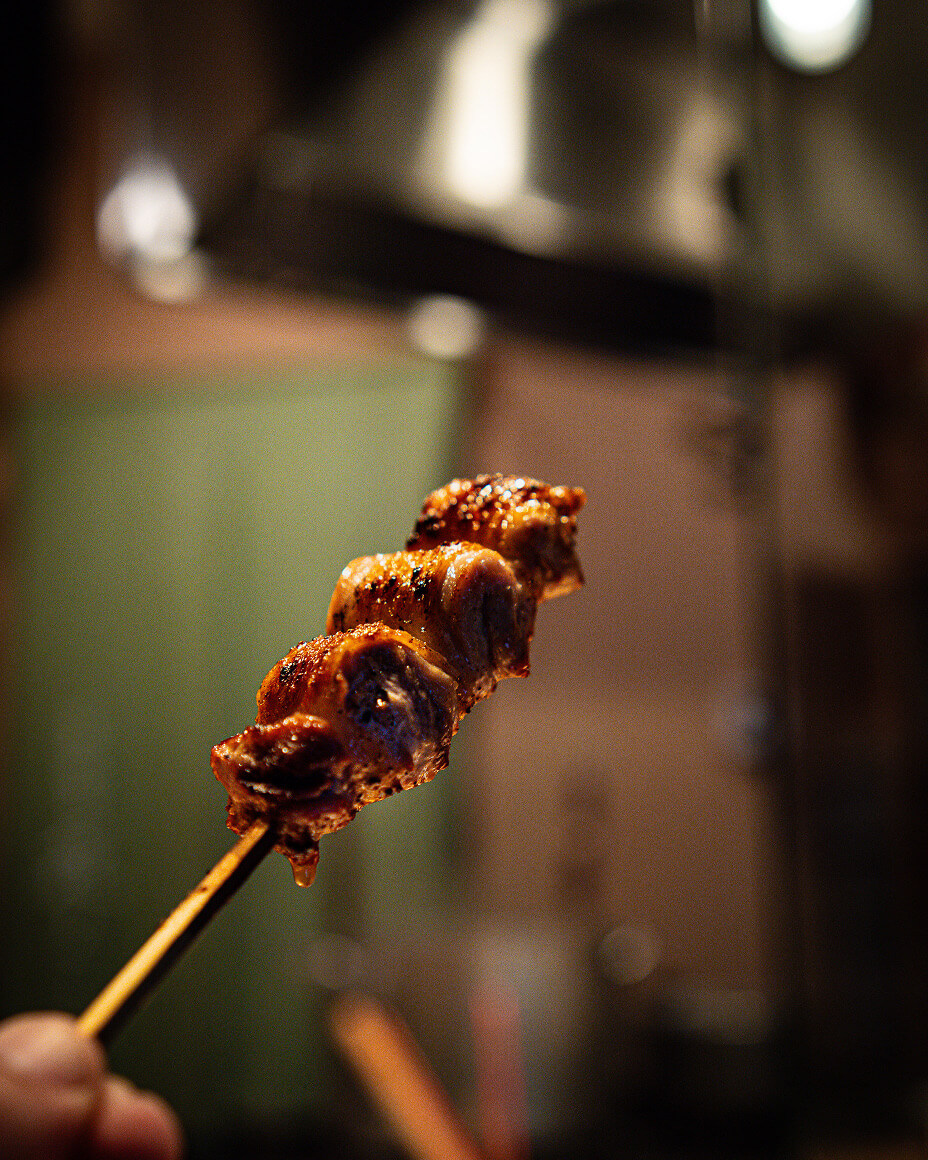
Binchōtan charcoal, the gold standard for yakitori cooking, provides consistent, intense heat that creates the perfect char without overpowering. Every skewer is grilled in front of guests at the 12-seat counter that surrounds the small kitchen, where flames dance and smoke rises throughout service. The sasami (chicken tenderloin) arrives slightly rare in the center, showcasing the chef’s mastery of the grill. This is authentic Japanese yakitori at its finest.
The quality for the cost. The $80 omakase includes appetizers, 10 chef’s choice skewers (that change seasonally), a rice or noodle dish, and dessert with an array of à la carte add-ons available like gizzards, hearts, or seasonal veg.
n/naka
Los Angeles, CA
The design
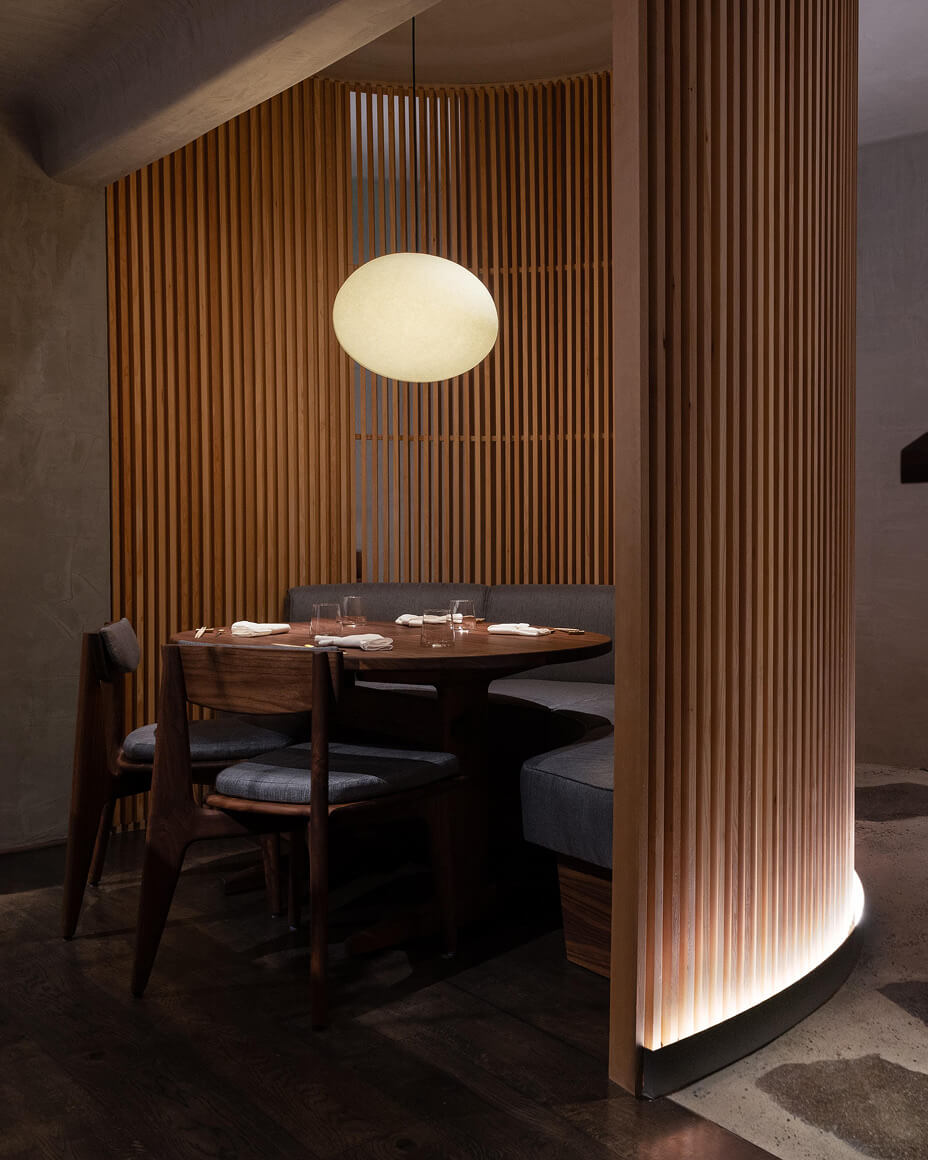
Fourteen years after opening, the pioneering California kaiseki restaurant from Chef Niki Nakayama and partner Carole Iida-Nakayama remains at the forefront of global fine dining—thanks as much to the evolution of its artistry as to the consistency of its execution and service. In 2024, the restaurant underwent its first major design overhaul since opening, which revealed a surer sense of self and softened some harder edges—not unlike what comes with the wisdom of age. Starting at the entryway, a soothing slate palette and subtle details recall a traditional Japanese tearoom. Guests follow a minimalist tobi-ishi–style path into the dining room, where an installation of slender wooden slats frames a circular banquette. Minoru Oyamatsu of Oyamatsu Design Studio and builder Beau Laughlin of Framework oversaw the redesign, which also features gray shikkui lime plaster wall coverings for a softening effect, a wooden slat wall installation, textured wallpaper accents, and handsome walnut furniture by Mano Ya, the artistic collaboration between Zen Sekizawa and Mario Correa.
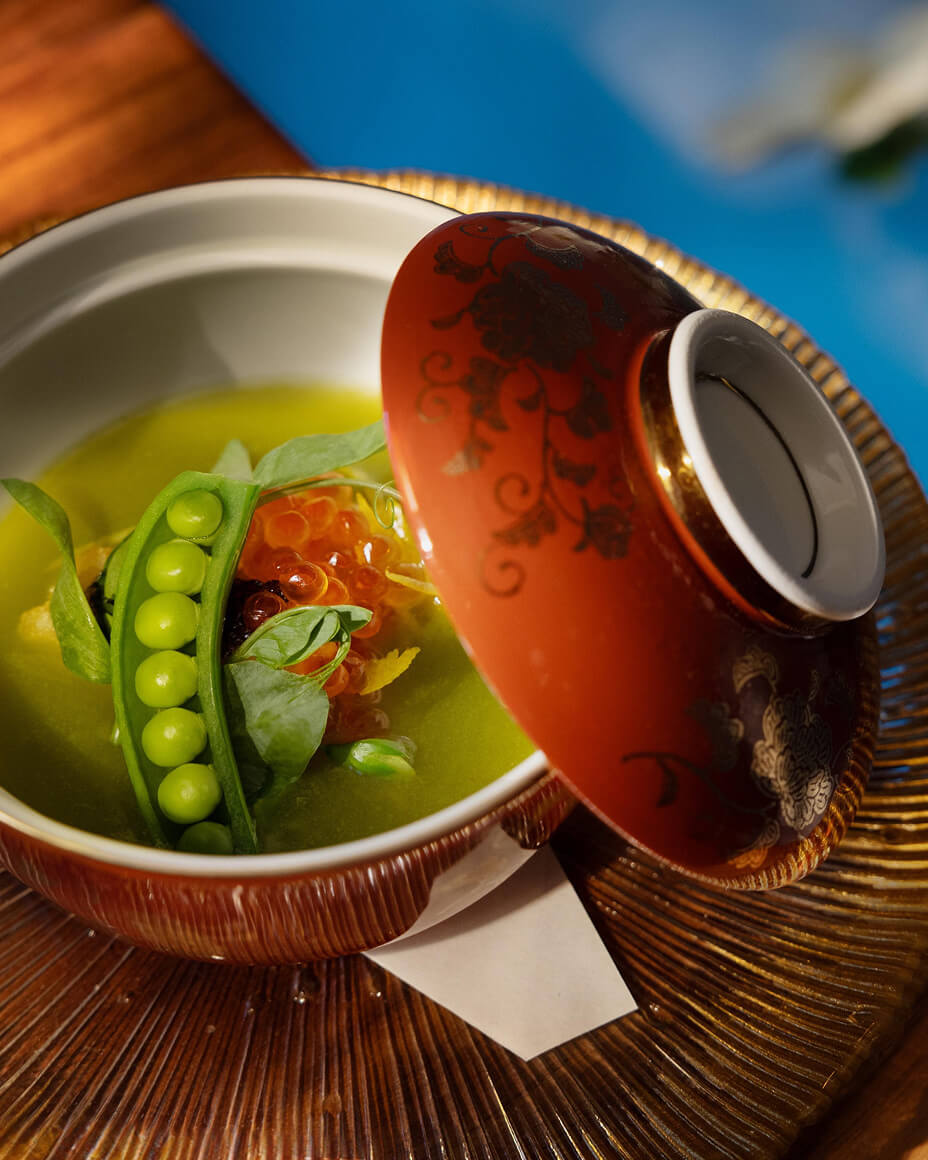
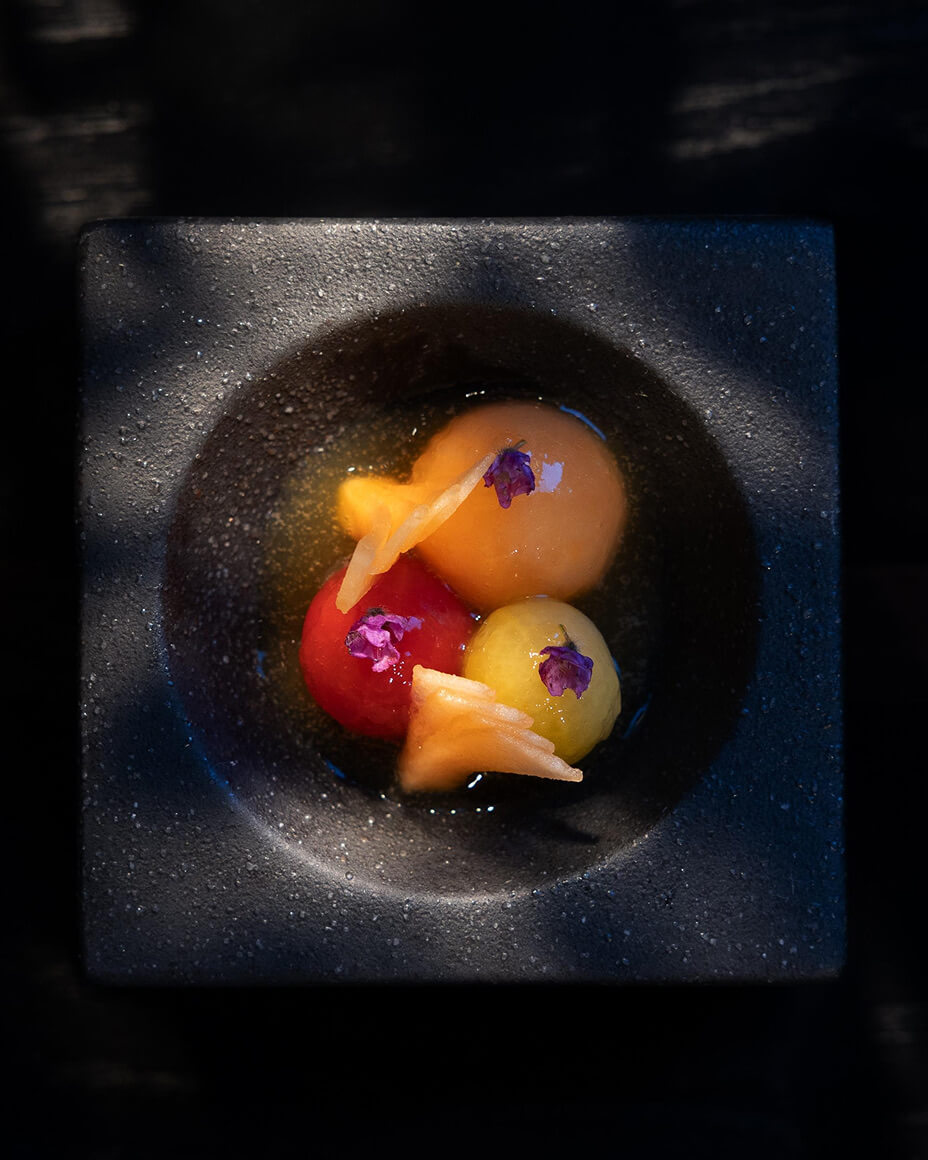
The restaurant has been quietly overhauling its two-MICHELIN–Starred menu to source as much as possible from its home state, deepening its identity as a Japanese restaurant with feet firmly rooted in California soil and sea. The tale unfolds across 13 intricate, seasonal courses in carnivorous and vegetarian formats that seamlessly flow between traditional and inventive bites.
Creatively important as ever, n/naka remains a place to let the world outside go and retrain our focus on the moment we’re in and the invigoratingly delicious beauty around us.
Chifa
Los Angeles, CA
Family history
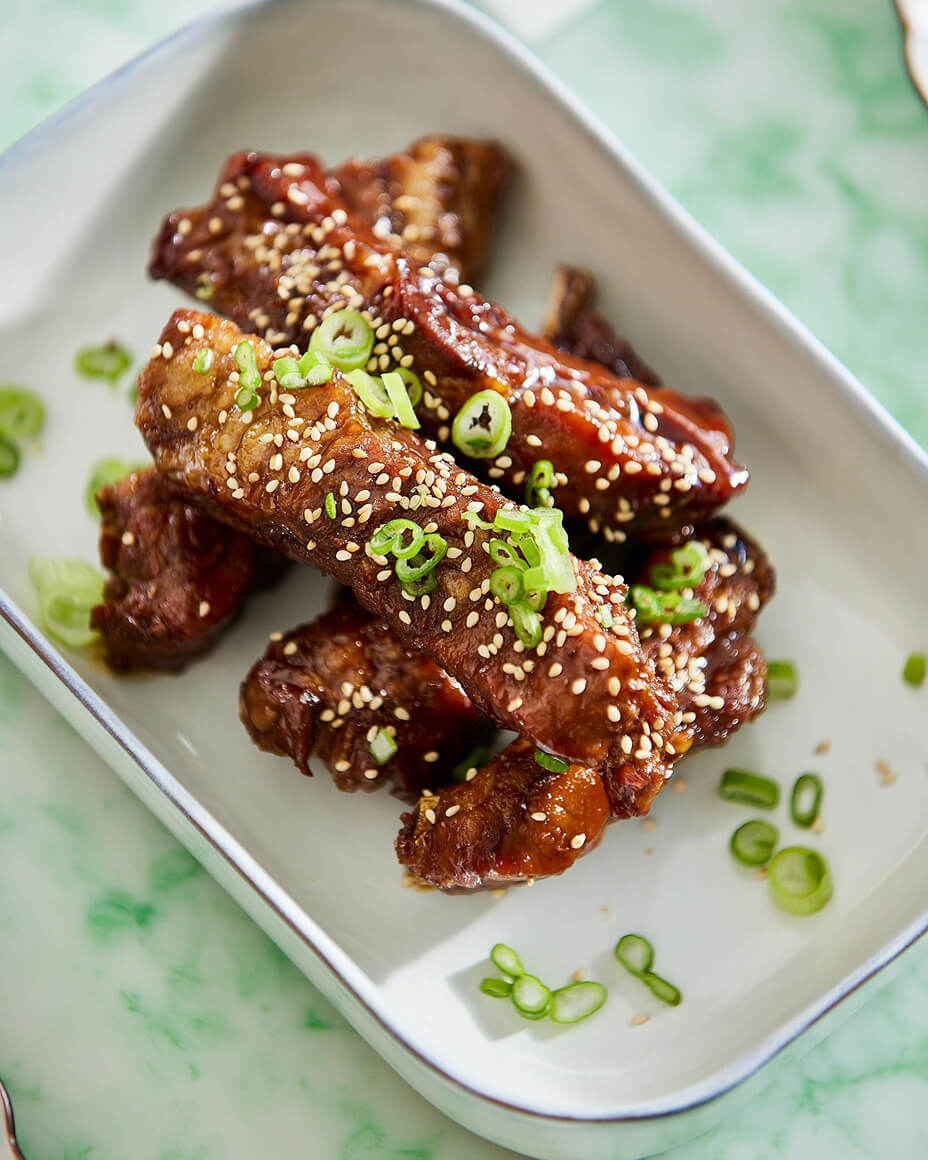
Fifty years in the making, the story of Chifa starts when Wendy Leon moved from Hong Kong to Lima, Peru with her family in the 1970s. There, she ran a Cantonese restaurant while also learning about Peruvian flavors from her husband’s family. Fast-forward to today: Leon is proud Popo (grandmother) to her large family and matriarch of a revamped iteration of Chifa in L.A.’s Eagle Rock neighborhood. The heartfelt partnership between siblings Ricardina (“Rica”) and Humberto Leon, and Ricardina’s husband, John Liu, serves modern twists on Wendy’s recipes.
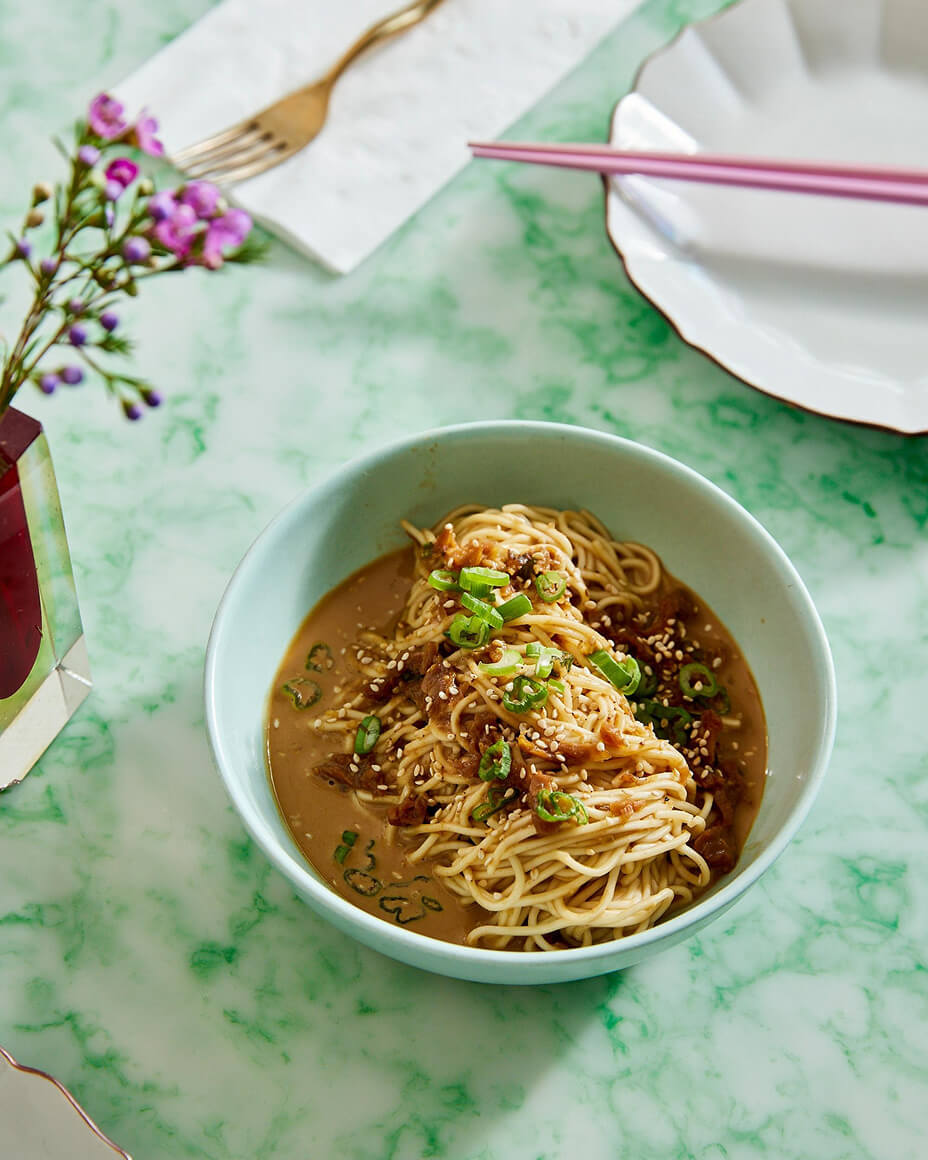
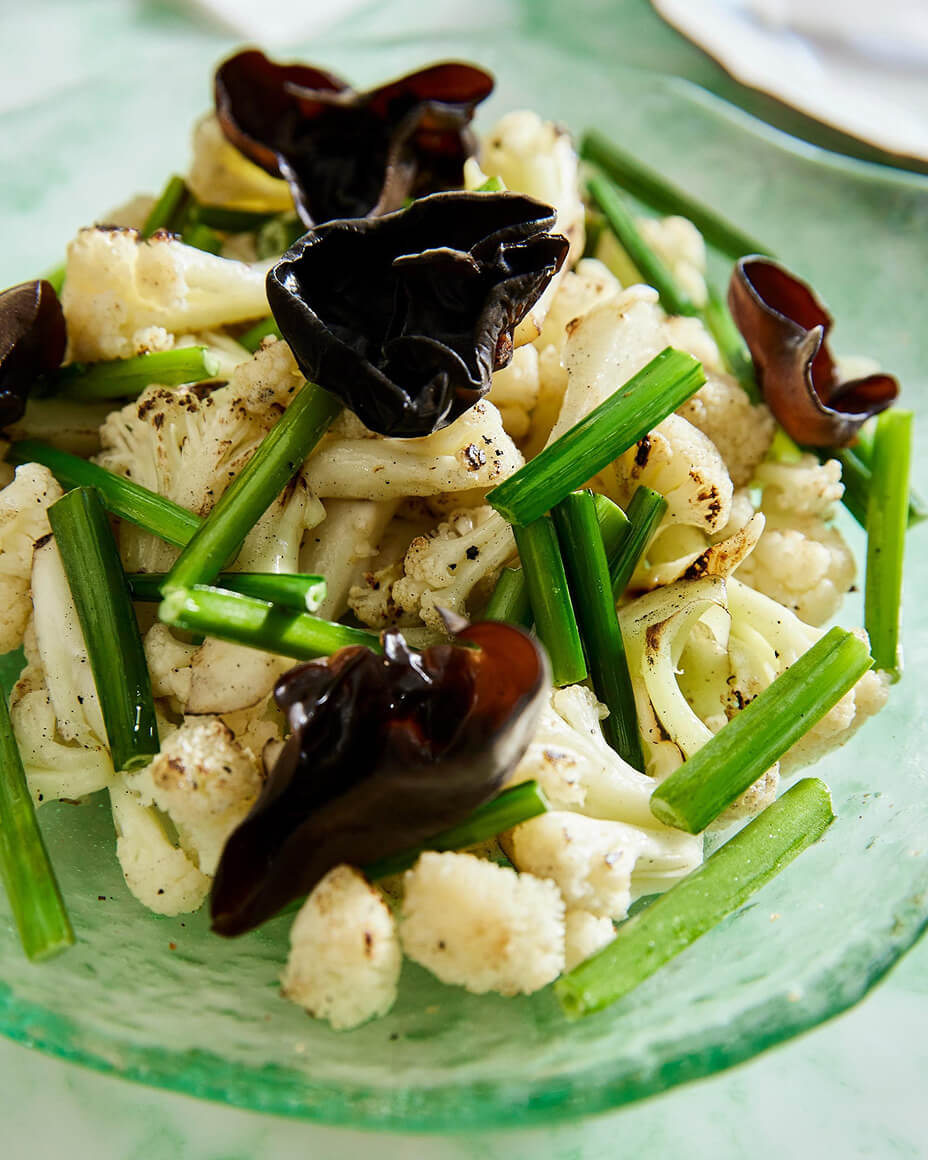
Dig into grandmother-approved (and Michelin Bib–recommended) plates of traditional Cantonese and Taiwanese favorites, such as Si Yao Chicken and “Three-Day” Beef Noodle Soup, served alongside familiar Peruvian dishes like Lomo Saltado, Pollo a la Brasa, Anticuchos, and Tiradito. Vegans will appreciate plant-based takes on Mapo Tofu and Dan Dan Noodles.
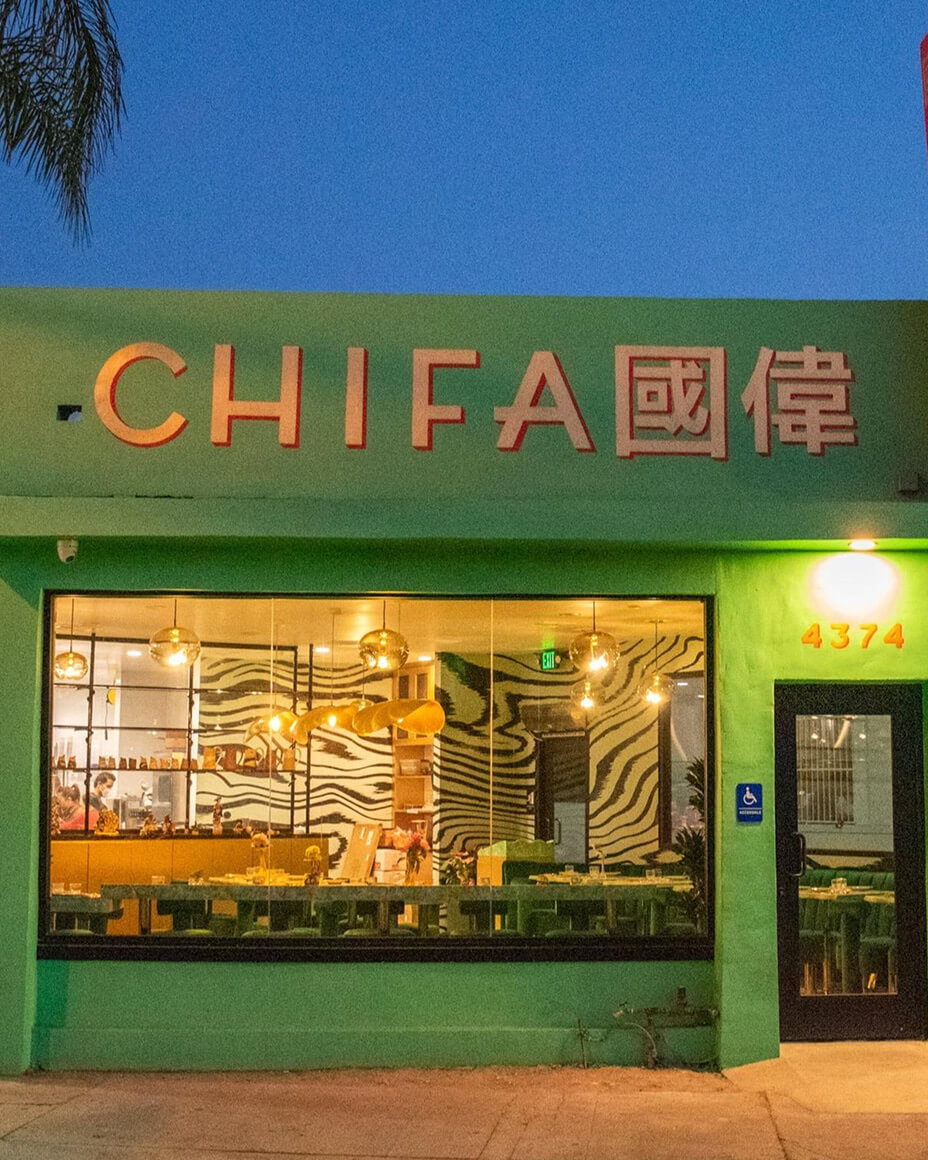
With its bright green exterior, heart-shaped window, and zebra-striped walls, the space draws a stylish crowd. (Humberto is also a fashion designer, known for collaborations with brands like Opening Ceremony and Katseye.)
UKA
Los Angeles
The concept
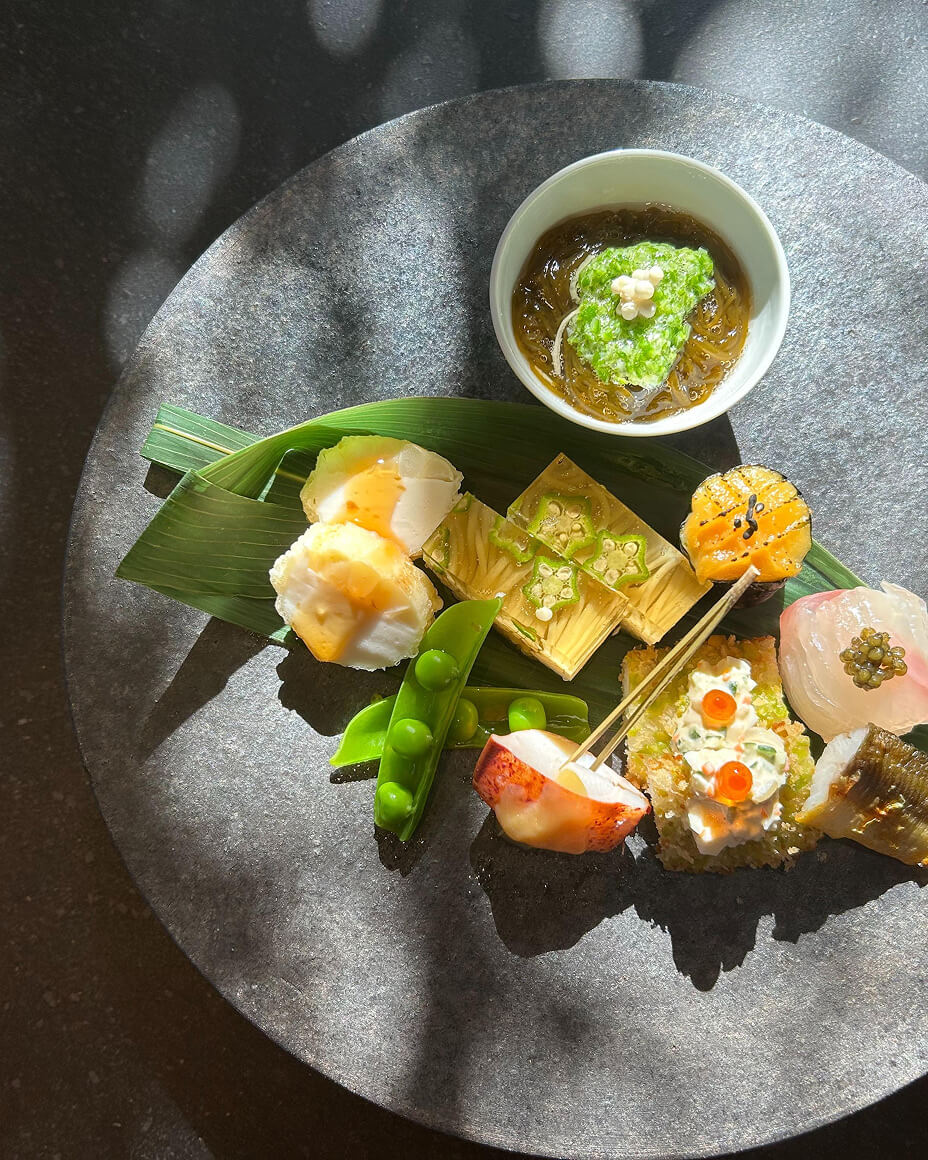
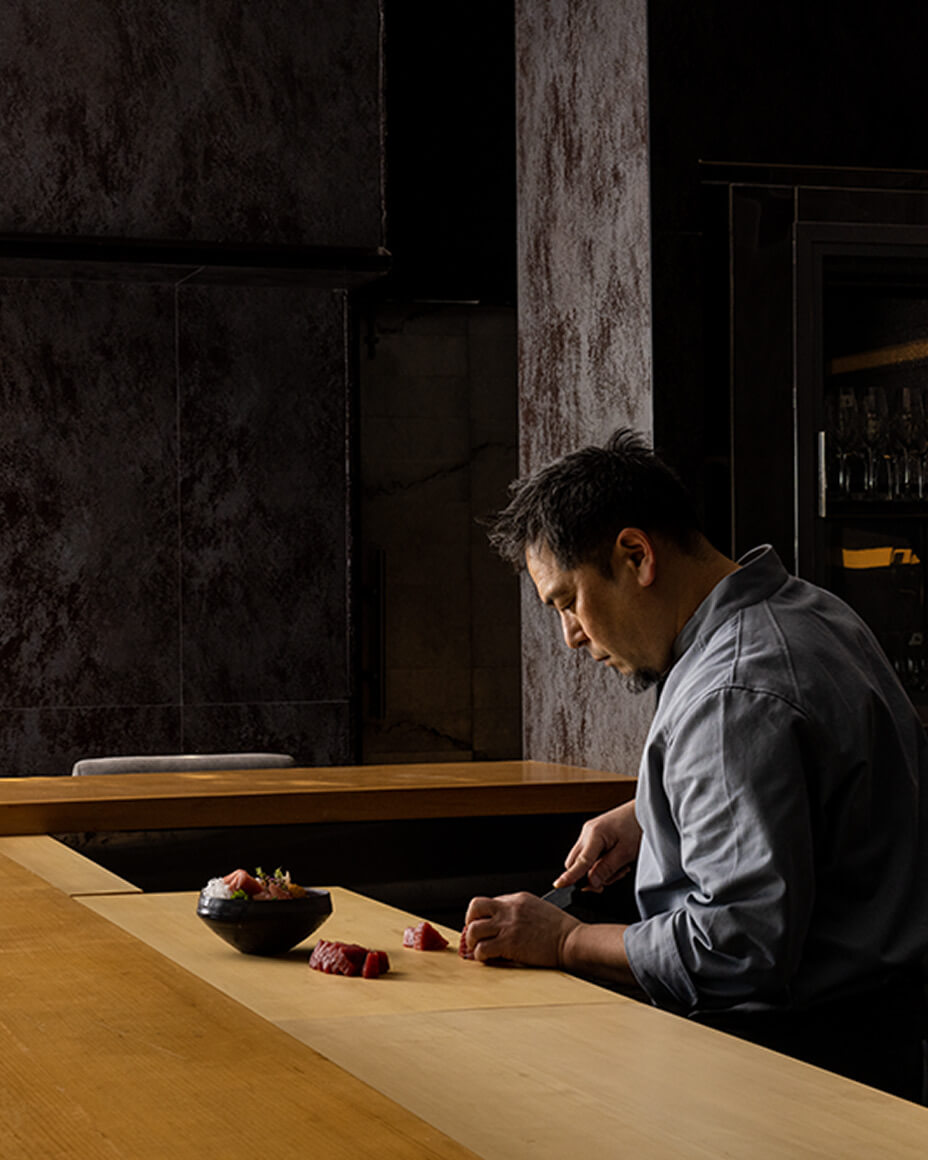
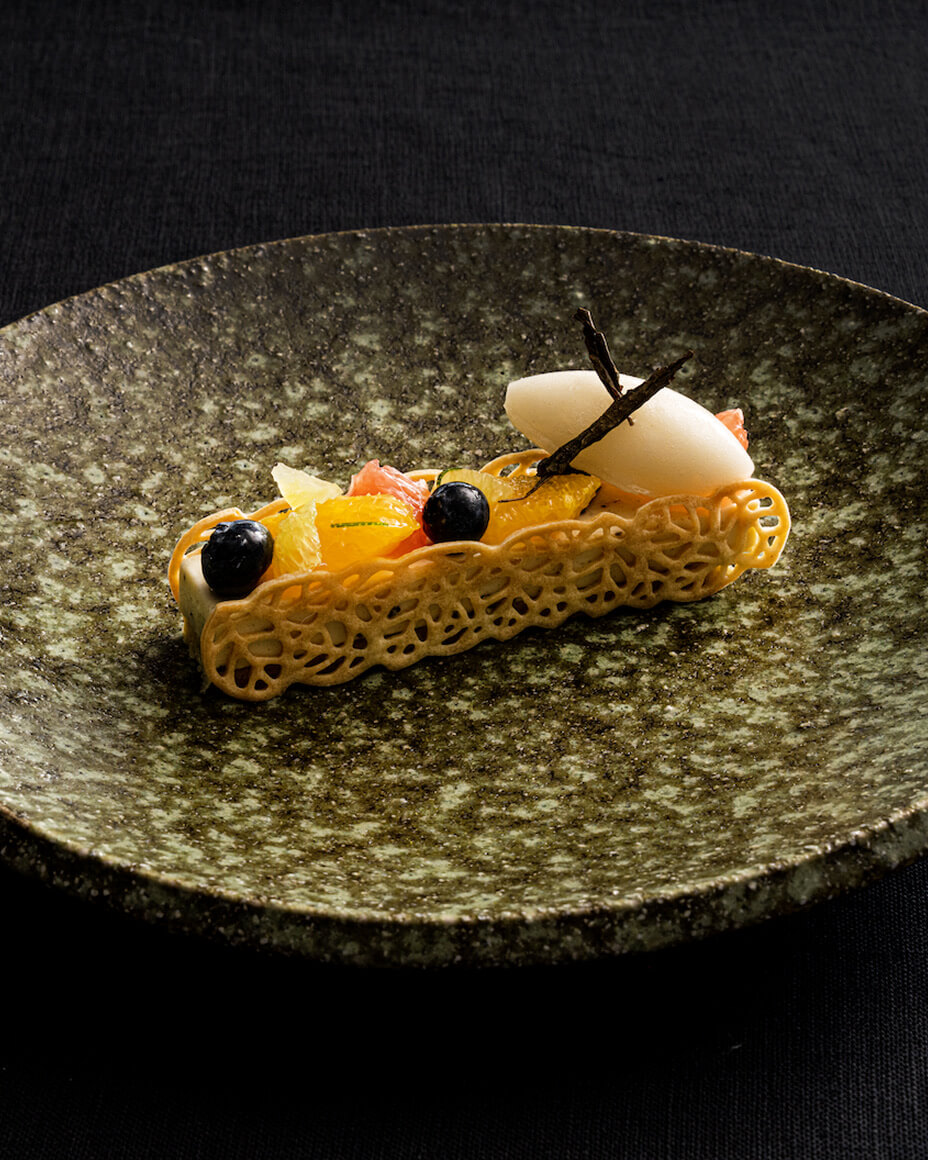
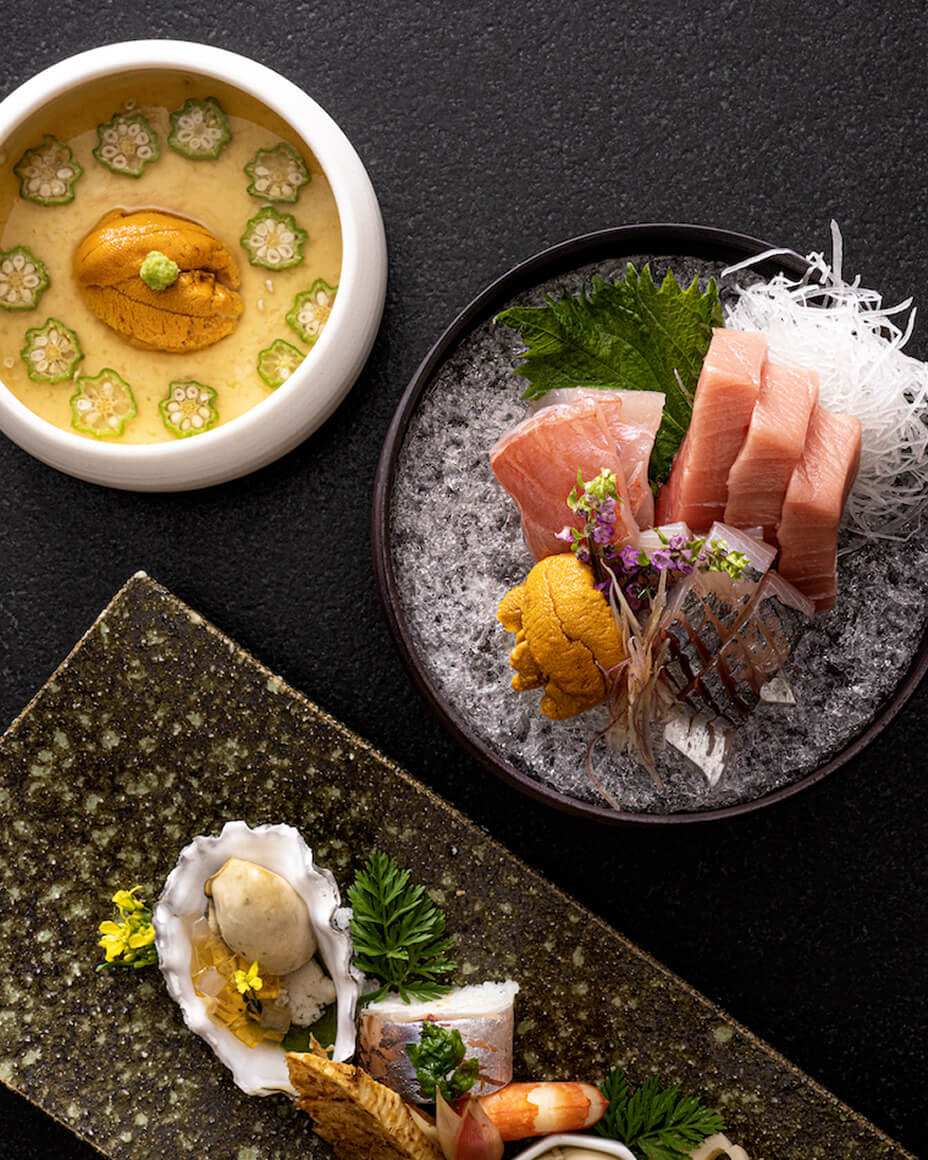
UKA draws inspiration from Ukanomitama-no-Kami, the ancient Japanese deity of grain and fertility who represents nourishment and abundance. The restaurant’s serene, minimalist design offers a moment of Zen in the heart of Hollywood, while Chef Yoshitaka Mitsue approaches each dish on his kaiseki menu as a work of art—guided by seasonality, harmony, and emotion. Dishes are served on specific Shigaraki ware or Echizen lacquerware that evokes the kaiseki tradition through its careful attention to detail, material, and pottery style. These pieces are thoughtfully sourced from Japan, underscoring Mitsue’s role as a true culinary ambassador.
The sakizuke, or seasonal appetizer course that opens the meal, reflects more than just the time of year—it is occasionally themed around Japanese national holidays, such as Children’s Day, to honor cultural traditions. Chef Mitsue prepares his katsuo dashi in-house, freshly grating bonito to create the delicate broth that forms the foundation of his owan, a refined soup course. Each fish featured in the sashimi selection is meticulously dry-aged in-house to deepen both flavor and texture.
For the omotenashi, an elegant and nuanced form of Japanese hospitality.
Hayato
Los Angeles
The concept
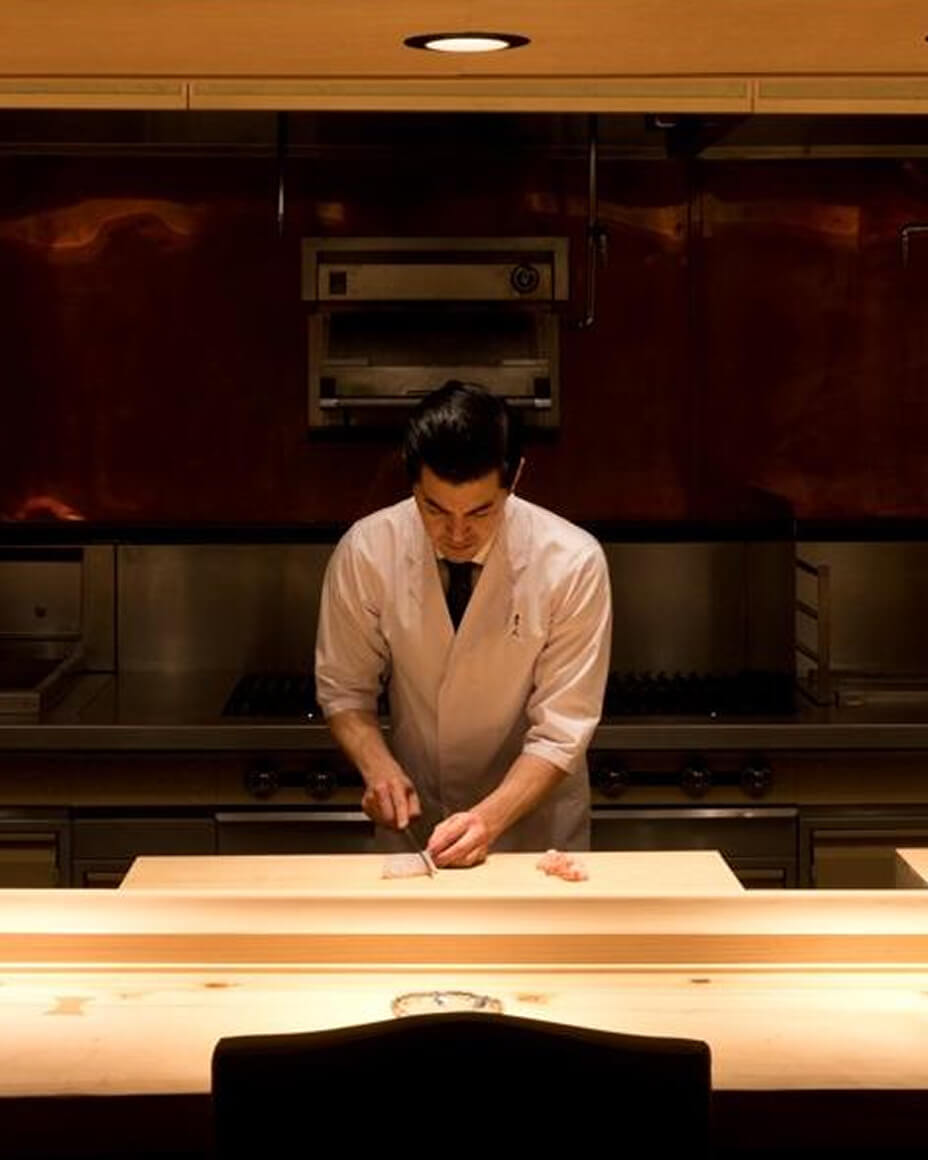
An intimate, seven-seat kaiseki counter in the Arts District of DTLA, Hayato fuses fundamental Japanese technique, seasonal ingredients, and carefully curated ceramics. Through the restaurant, Chef Brandon Hayato Go seeks to showcase the work of master craftspeople from many fields: potters, fishmongers, carpenters, kimono makers, tea masters, sake brewers, and countless others. The result is a highly-curated and personal experience that celebrates Japanese artistry across mediums.
Hayato Go’s cooking is akin to a jazz performance—fluid, spontaneous, and expressive. For example, if a farmer shows up with freshly picked vegetables, a new sweet corn and Hokkaido scallop kakiage tempura might appear on the menu for one night only. Courses progress more or less in kaiseki tradition, beginning with sakizuke appetizers, followed by light broth, sashimi-style seafood, grilled and simmered dishes, leading to a rice set main course before finishing with simple fresh fruit for dessert. The obvious beverage pairing here is sake, and they have some great bottles, but there’s an excellent selection of grower champagne as well, including Ulysse Collin and Cédric Bouchard.
For the restraint. Rather than putting his own signature on every dish, Chef Hayato Go focuses on highlighting pristine ingredients with minimal intervention.
Pasta | Bar
Los Angeles, CA
The Concept
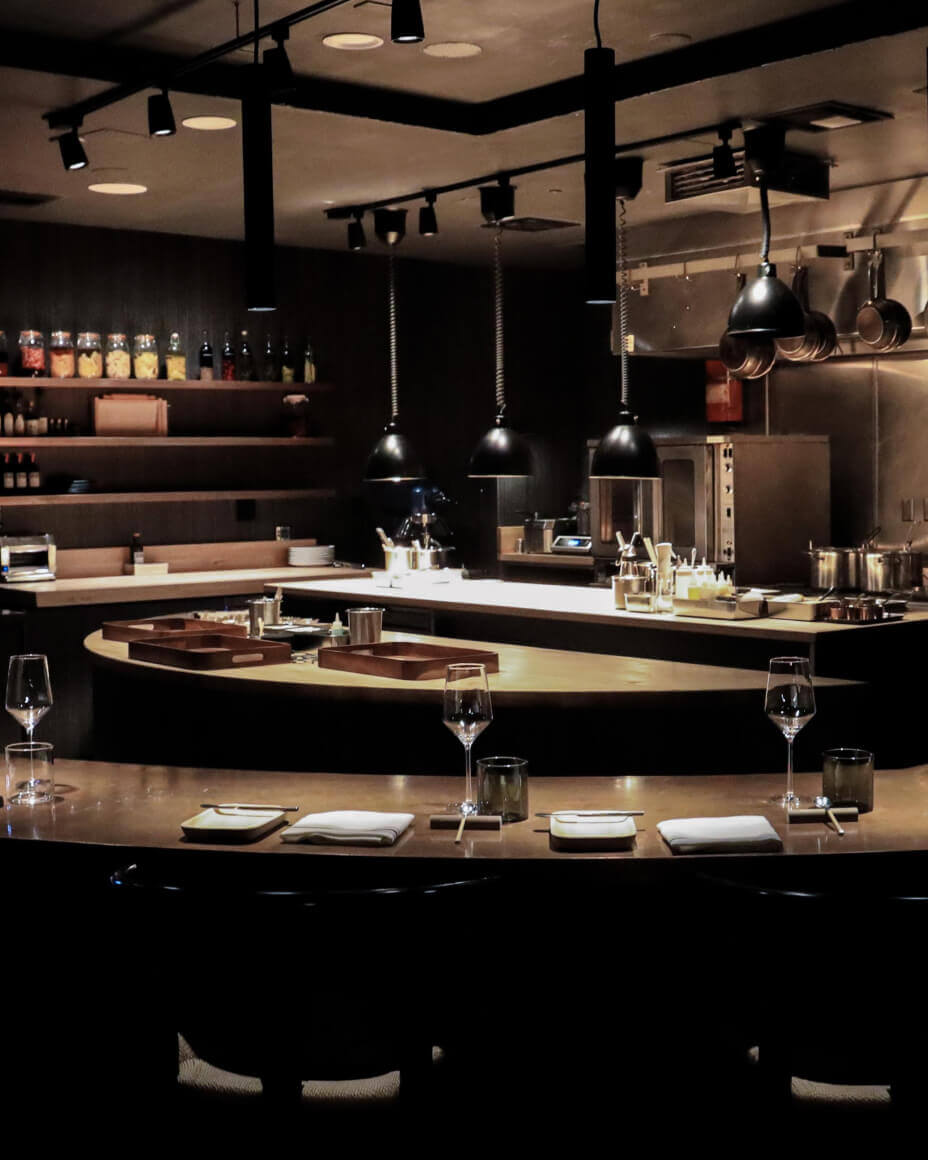
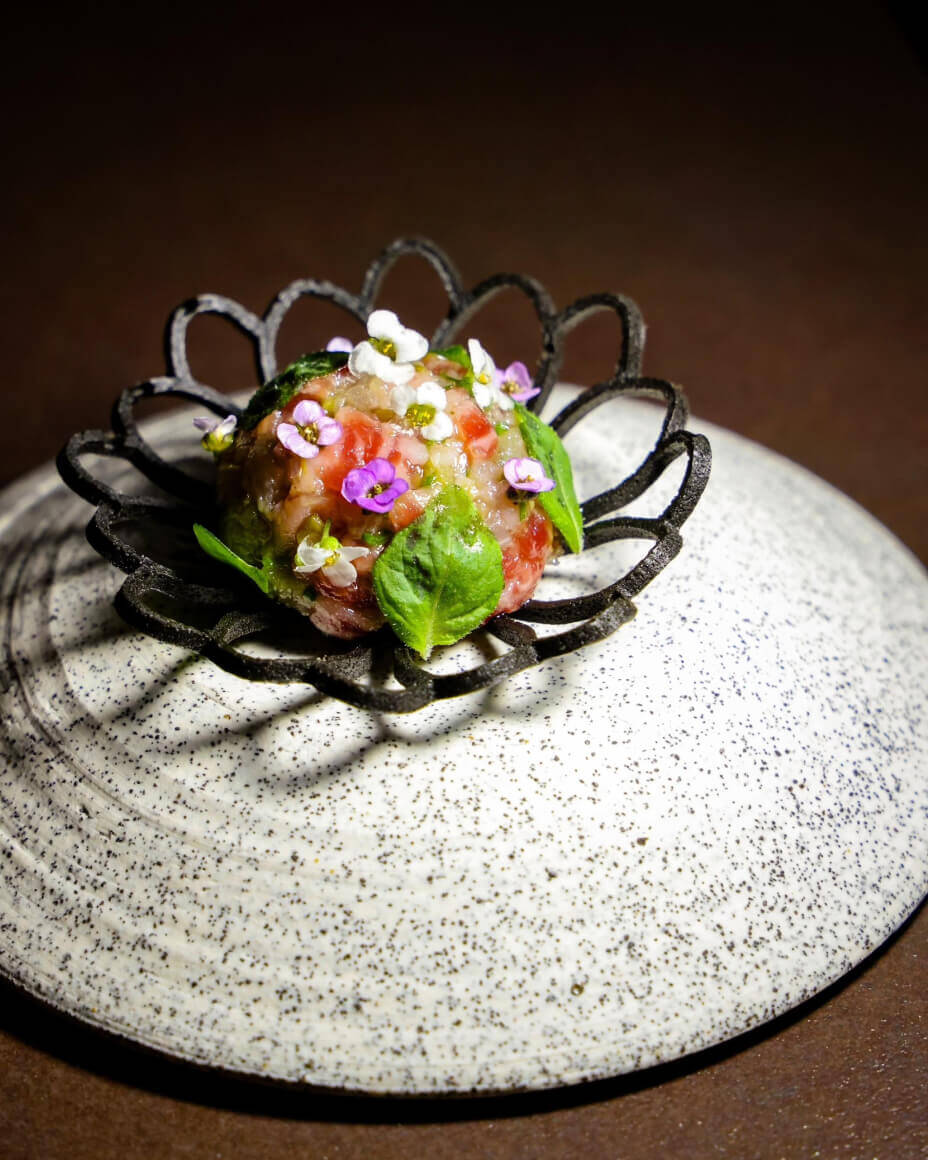
The most stylish tenant in an otherwise ordinary strip mall, Pasta | Bar, offers an eclectic California-inspired tasting menu with several creative pasta courses by husband-and-wife team Margarita Kallas-Lee and Phillip Frankland Lee. Start with a welcome cocktail and several canapés in a fashionably appointed lounge before moving to a semi-circular 12-seat copper counter. Almost every course includes a tableside flourish and Chef DJ Nelson and his crew are known to banter with guests as they present and describe each dish. Diners are welcome to mingle in the kitchen at the end of the meal with Polaroids taken to commemorate special occasions.
Dinner begins in a most dangerous fashion with house sourdough and cultured butter. Beware of eating too much bread (easier said than done) since there are plenty more carbs to come. Fresh made pasta dishes are a standout, with unexpected combinations like scallop and mango mezzaluna.
For the desserts by the incredibly talented Chef Kallas-Lee. We’re dreaming about her smoked and roasted banana ice cream sandwiched between brown butter brioche cookies and topped with osetra caviar.
ILÉ
Los Angeles, CA
The name
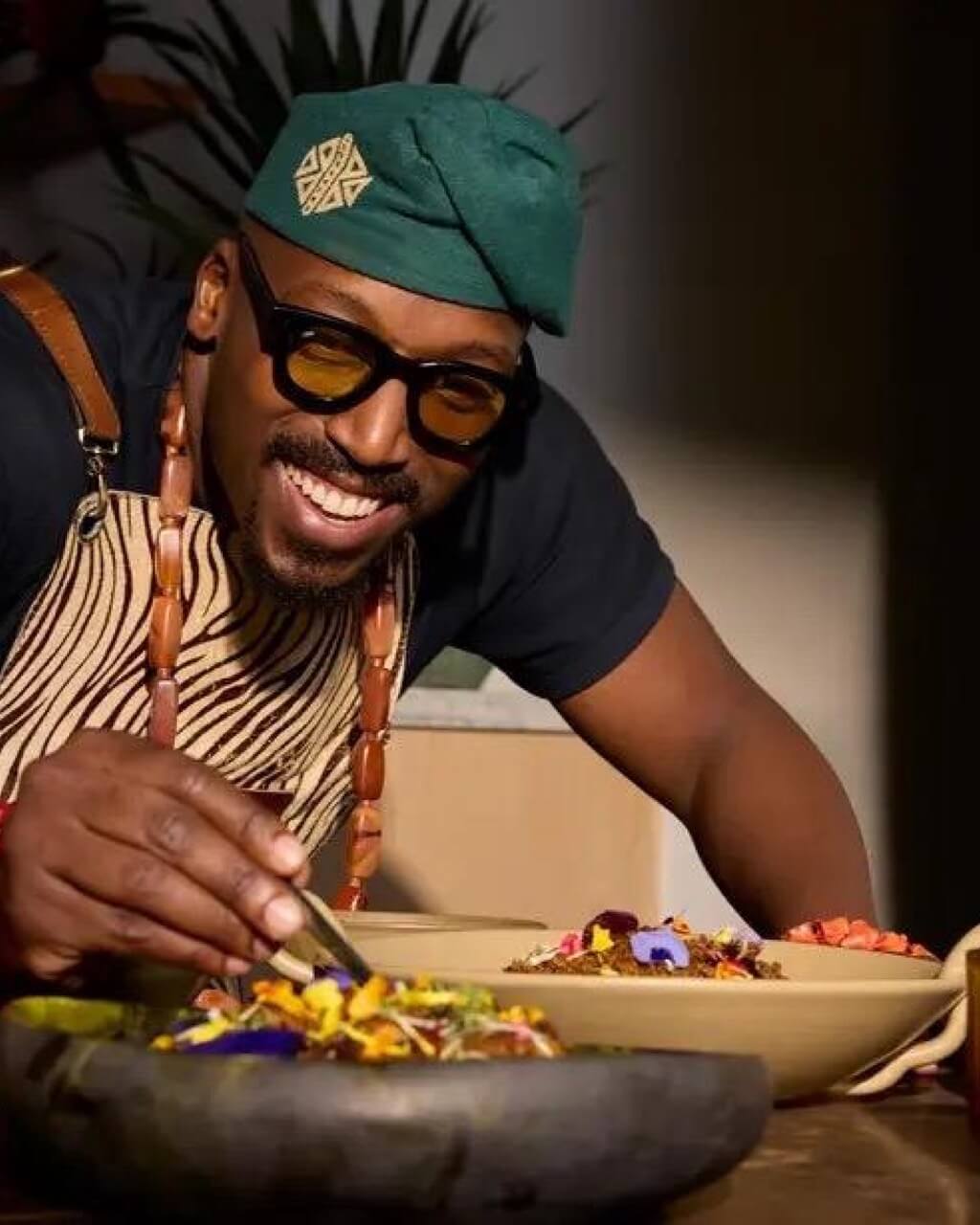
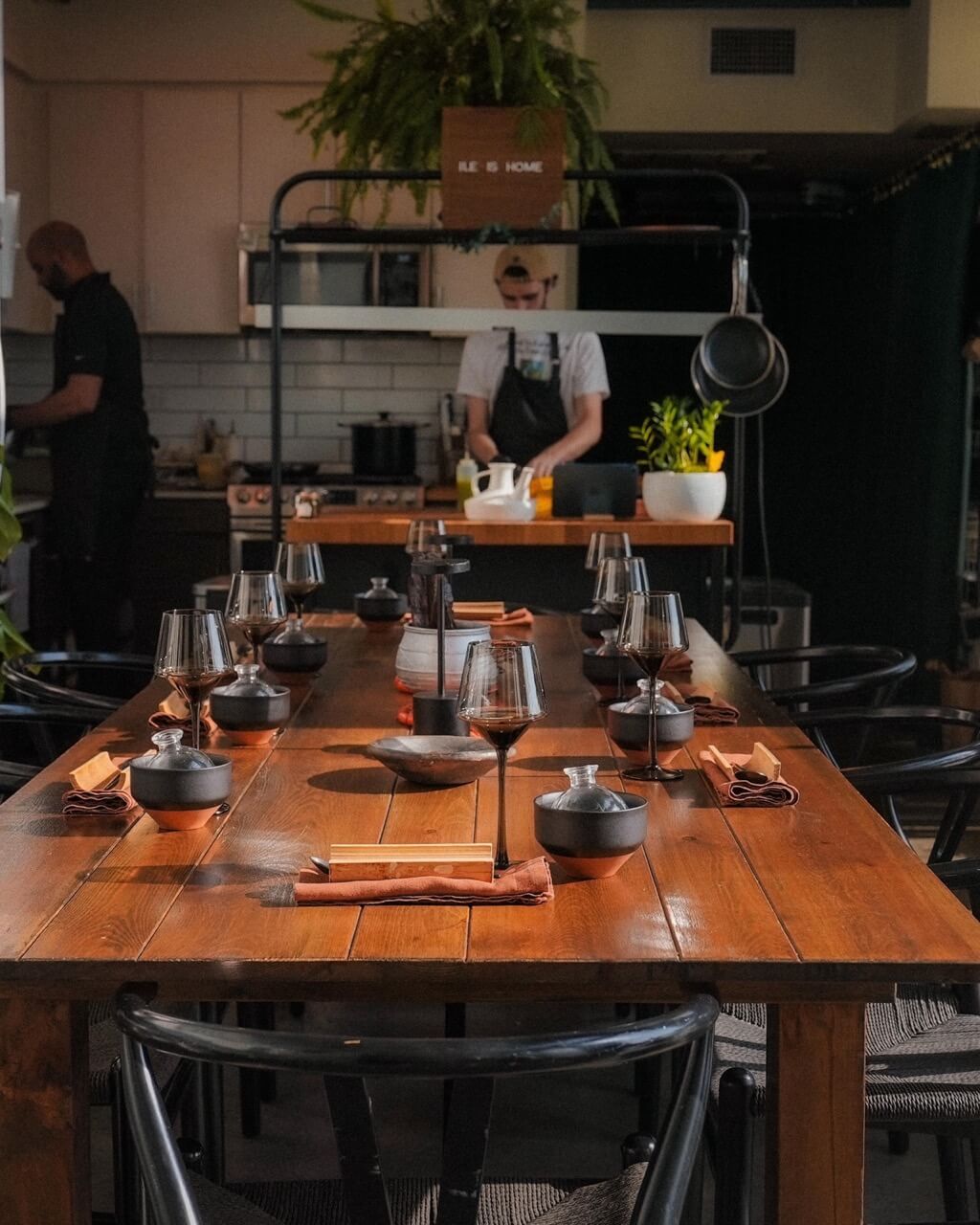
ILÉ, meaning “home” in the West African Yoruba language, embodies its name completely. This unique restaurant is set inside the chef’s actual home, offering guests a truly personal invitation to experience West African cuisine and hospitality.
Chef Tolu “Eros” Erogbogbo, nicknamed “the billionaire chef” after launching successful ventures starting as a teenager in Nigeria, brought West African cuisine to global audiences through pop-ups in Dubai and Europe. After settling in LA in 2021, he transformed his Hollywood home into an intimate dining space to showcase his homeland’s aromatic, spice-driven cuisine. “West African cuisine is one of the world’s most influential food cultures that dates back thousands of years,” Eros said to Travel Noire. “To eat our food is to honor our history.”
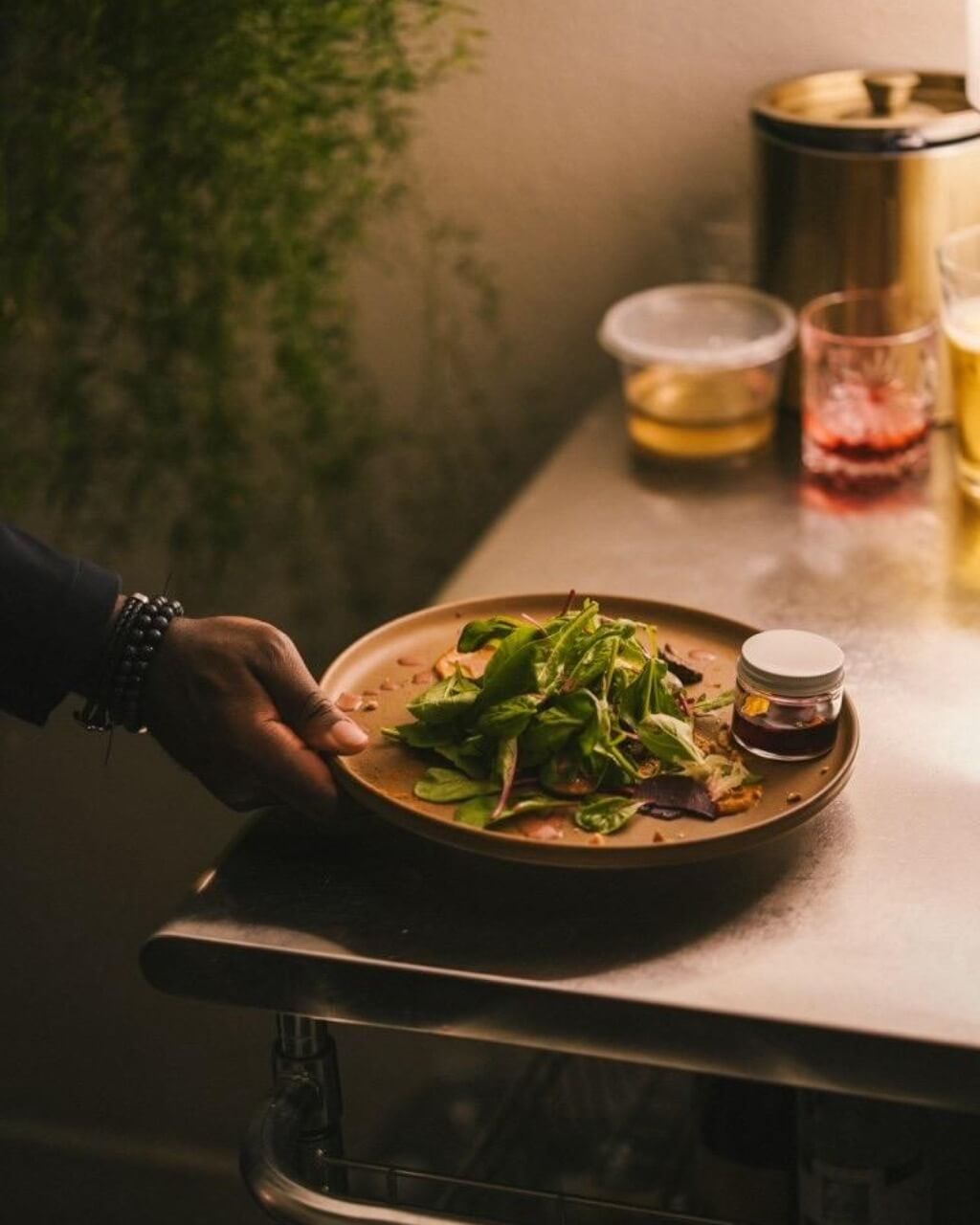
ILÉ feels like an intimate dinner party where Chef Eros personally plates and serves each dish—like Senegalese caramelized onion chicken, Ghanian-perfumed jollof rice, and spiced lamb in zoboberry demi-glace—while sharing stories about his West African fare with guests at two communal tables.
Inn of the Seventh Ray
Topanga, CA
Origin
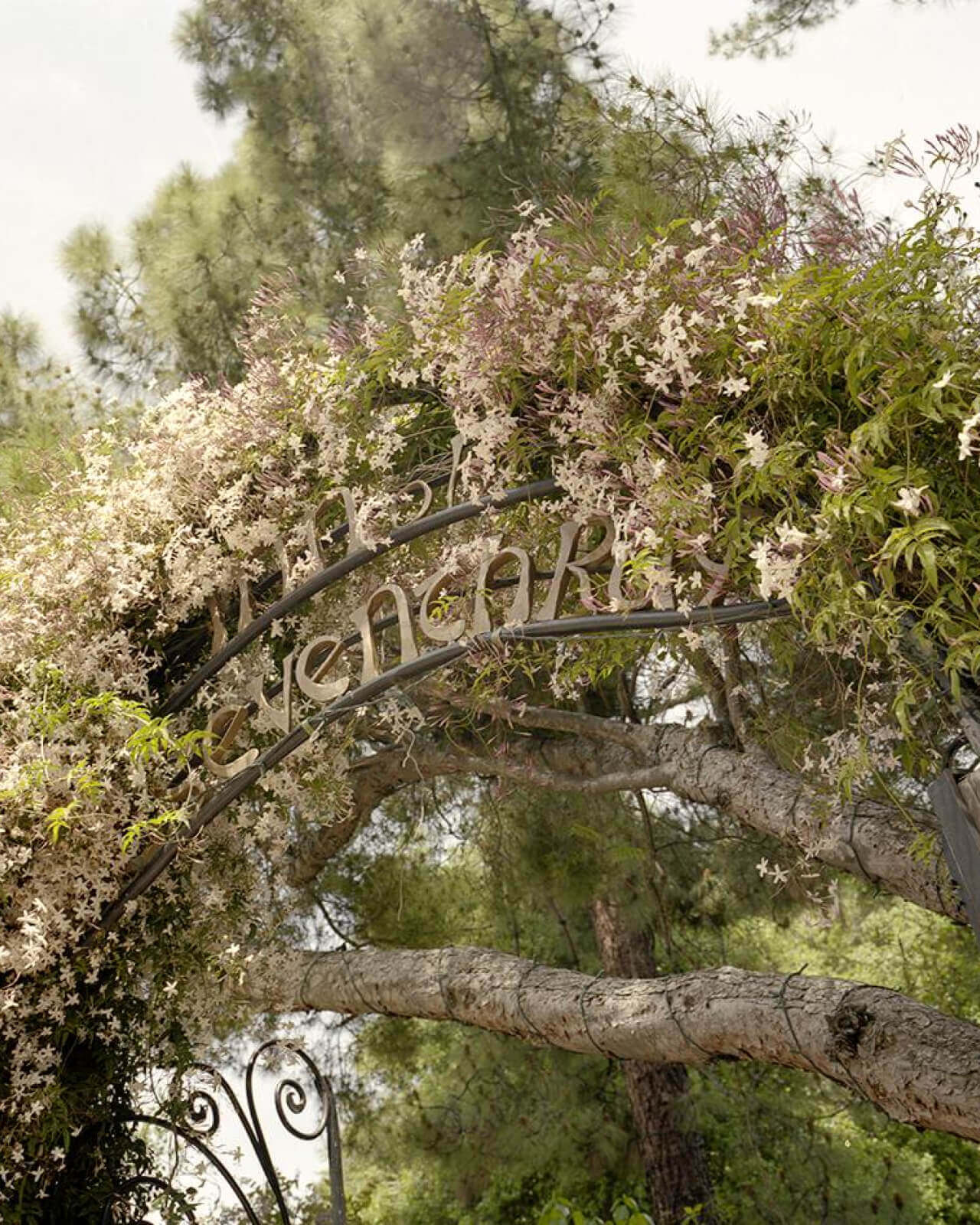
Before they opened a restaurant, Lucile and Ralph Yaney worked as psychotherapists in Beverly Hills. On their daily commute from Topanga in the nearby Santa Monica Mountains, the couple passed an old junkyard with a dilapidated church. On a whim one day, they stopped to explore, and felt an immediate and inexplicable connection with the land, rumored to be a meeting place of the Chumash, Native American people who lived in the area thousands of years ago. Lucile and Ralph restored the property and founded the restaurant, Inn of the Seventh Ray, in 1973 with the vision to share their passion for what they called high-vibration foods.
Together, the Yaneys helped to pioneer the farm-to-table movement while continuing to work as therapists. Although sourcing whole, organic ingredients and naturally-raised meats was difficult at first, more people caught on, and over the years, the Inn became a destination for those seeking an off-the-beaten-path California dining experience. In 2010, Chef Bradley Miller took over in the kitchen, helping to reimagine a menu of local ingredients, and earning a nod from the LA Times. Today, the Inn of the Seventh Ray is considered one of the most romantic restaurants in the Los Angeles area.
For the magical setting. With its twinkling lights and old sycamore trees, the Inn of the Seventh Ray offers a serene escape from the everyday hustle and bustle.