Celebrating the people, passion, and stories behind great hospitality with Tock 10.
SAN HO WON
San Francisco, CA
The concept
This Mission District Korean BBQ restaurant opened in fall 2021 as a collaboration between three-MICHELIN-Star chef Corey Lee (of Benu fame) and his mentee, Jeong-In Hwang, who moved to SF in 2016 to work at Benu. The name translates to “Mountain Tiger Origin,” nodding to Korea’s respect for tigers as a sacred mountain spirit. For four consecutive years, SAN HO WON has earned a MICHELIN Star for its refined approach to Korean barbecue traditions.
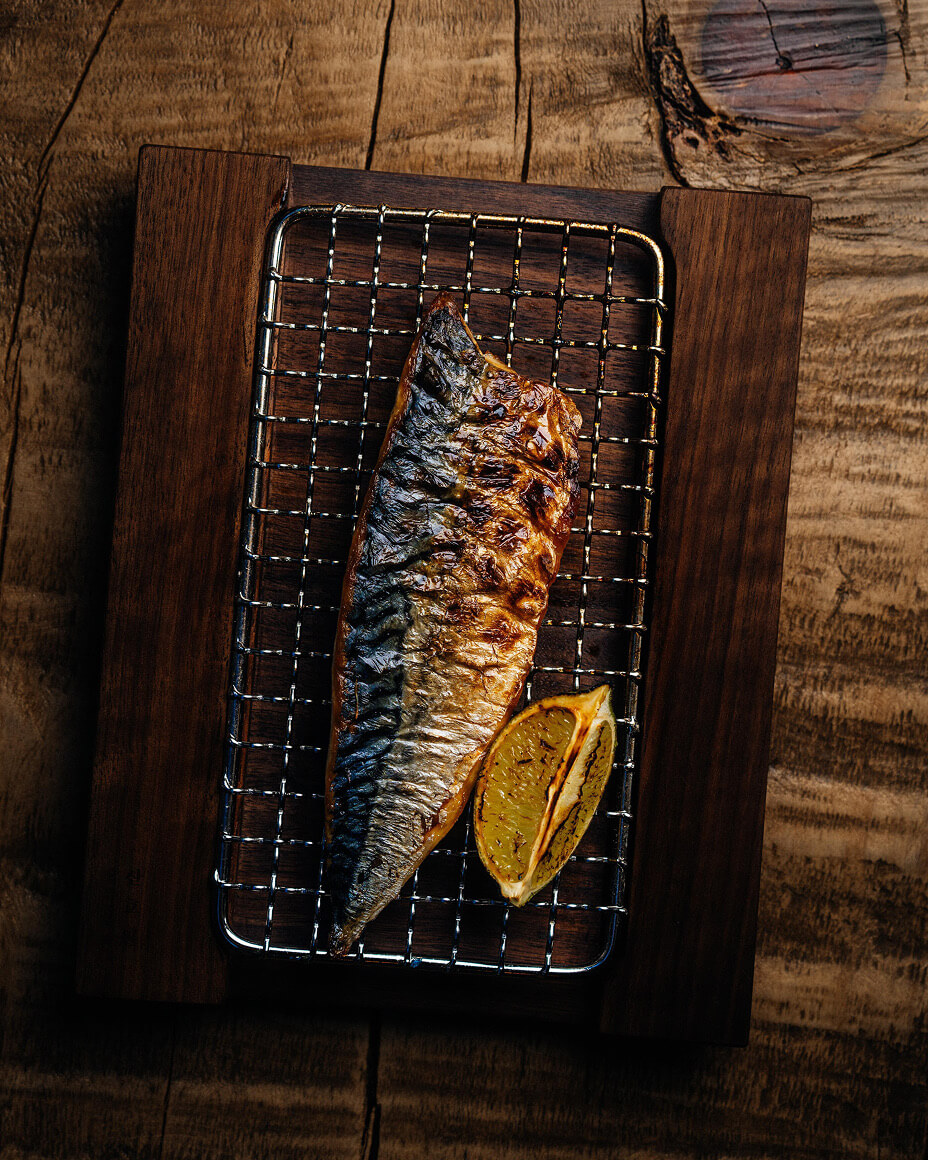
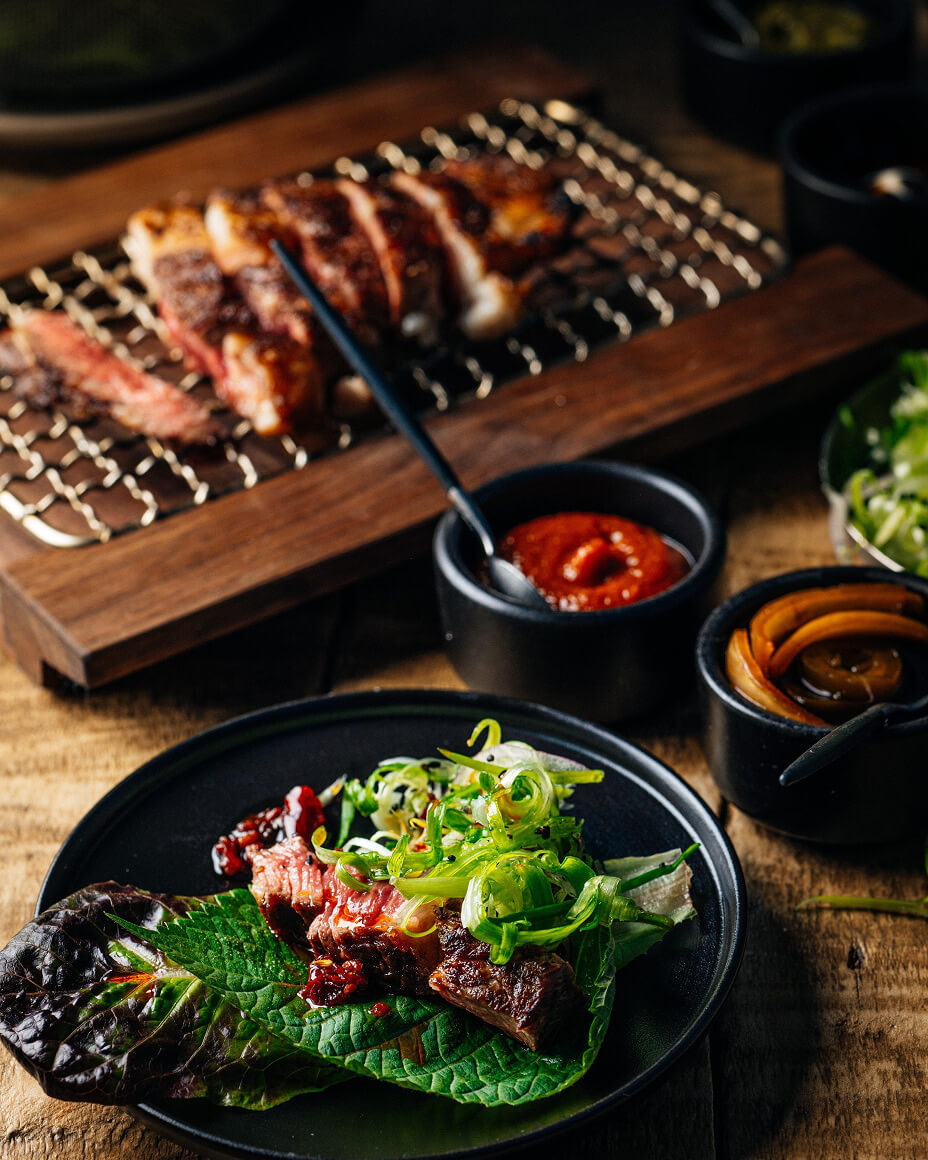
SAN HO WON uses bespoke lychee-wood charcoal to power the kitchen’s grill. Enjoy everything from griddled beef dumplings and spicy pork bulgogi with marinated pork cheek and belly to Pacific mackerel filet and roasted sweet potato with whipped onion cream and jochung served alongside homemade sauces and condiments. They even have their own kimchi, crafted with Jongga, Korea’s premier kimchi purveyor.
For the meticulous techniques applied to humble ingredients. The egg soufflé, for example, is legendary, with many diners saying it alone is worth the visit. Hwang told Timid magazine that his spicy chicken tteokbokki stew best represents his cooking style: homey yet sophisticated, with charcoal-grilled chicken and hybrid rice cakes that balance tradition with innovation.
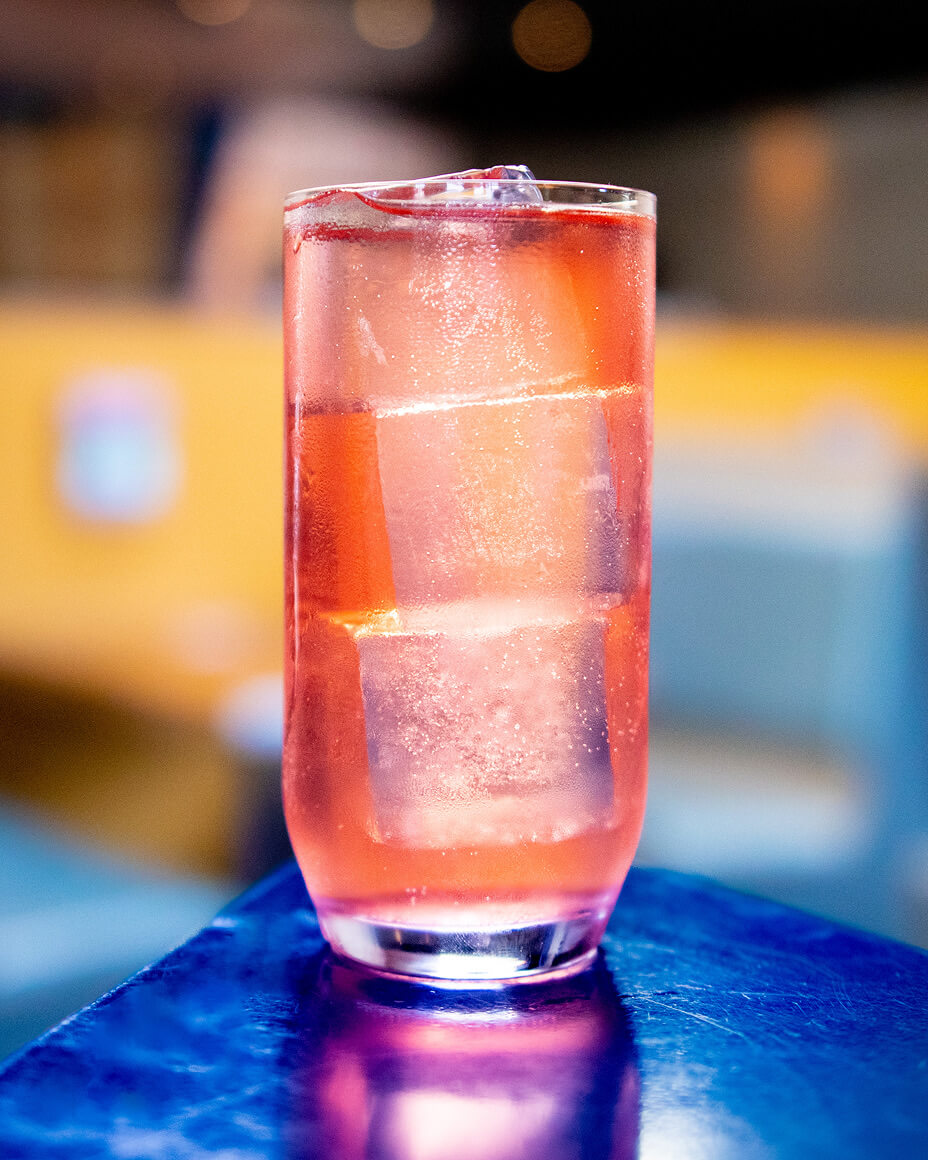
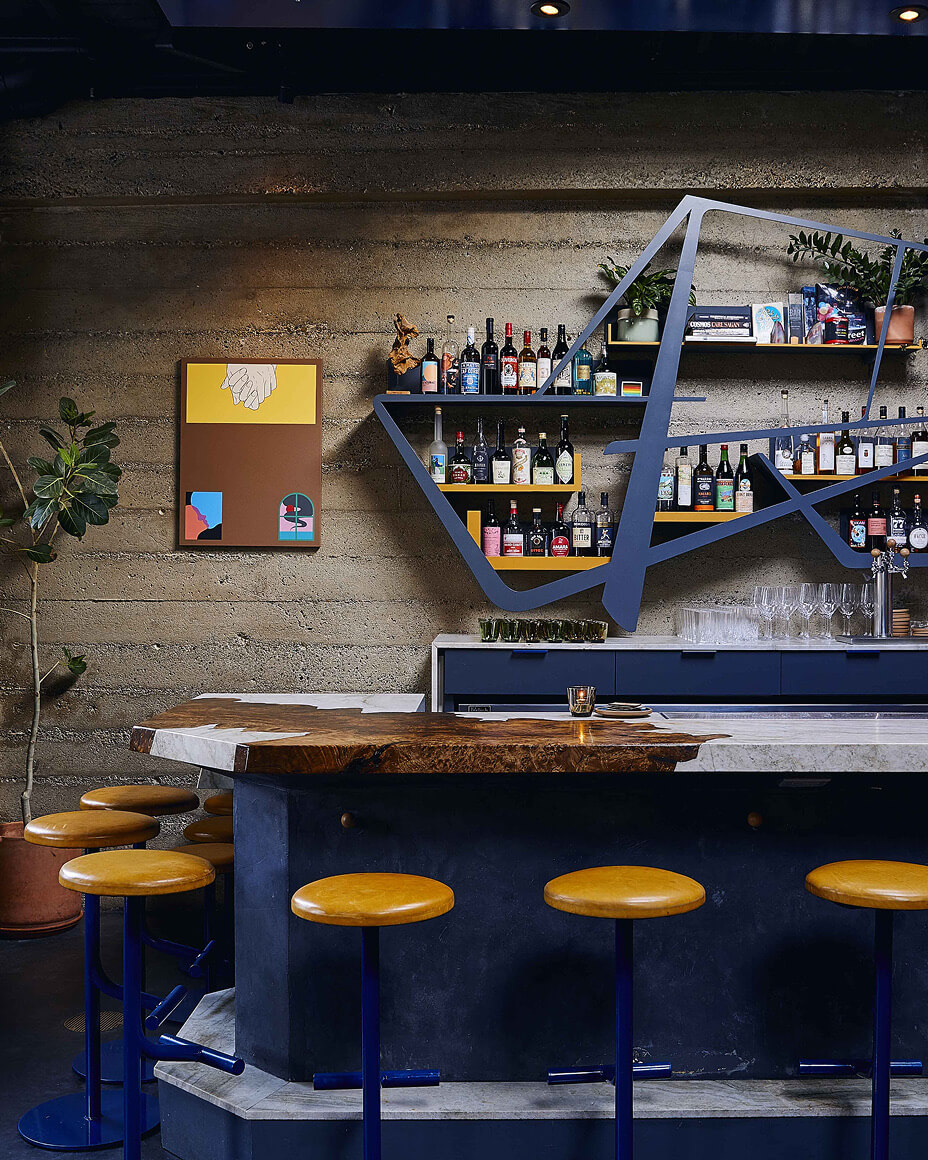
Photo by Aubrie Pick
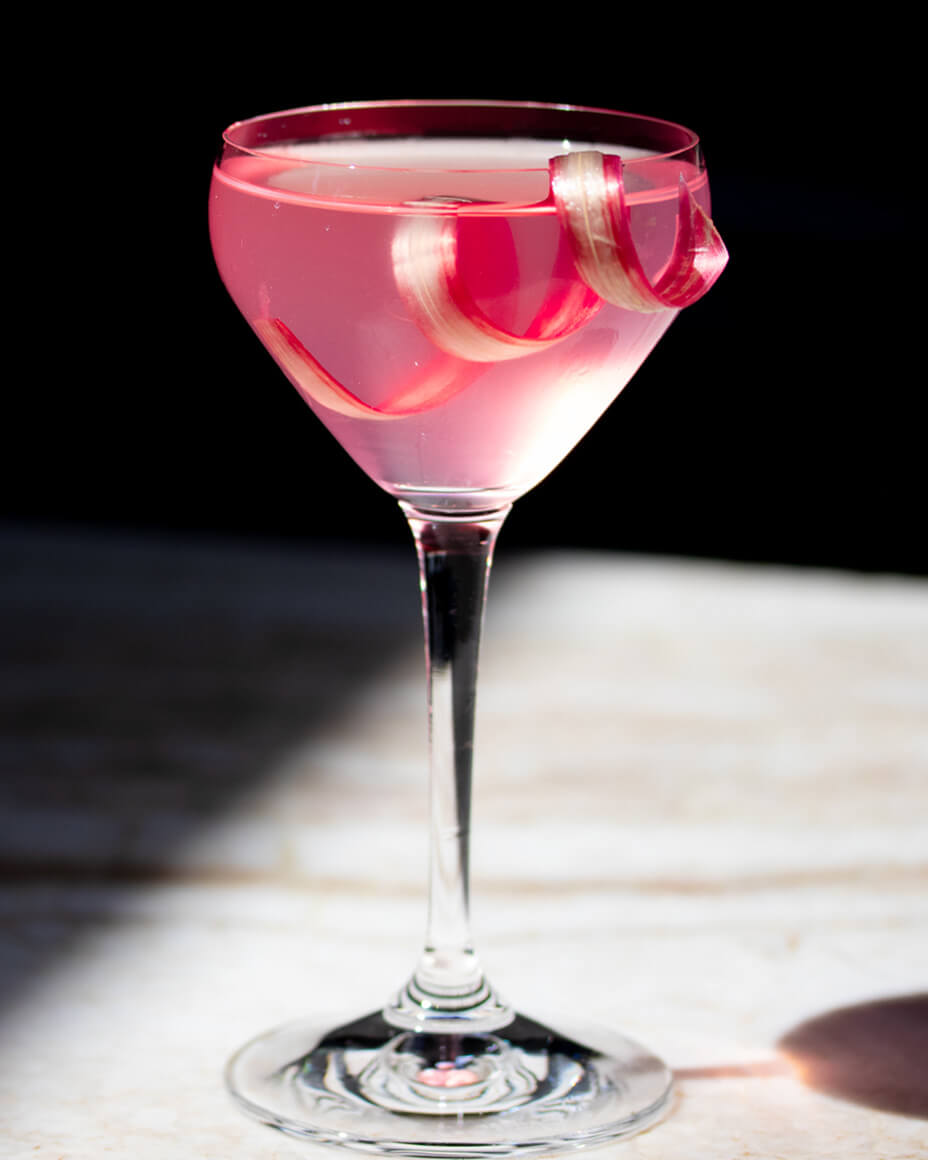
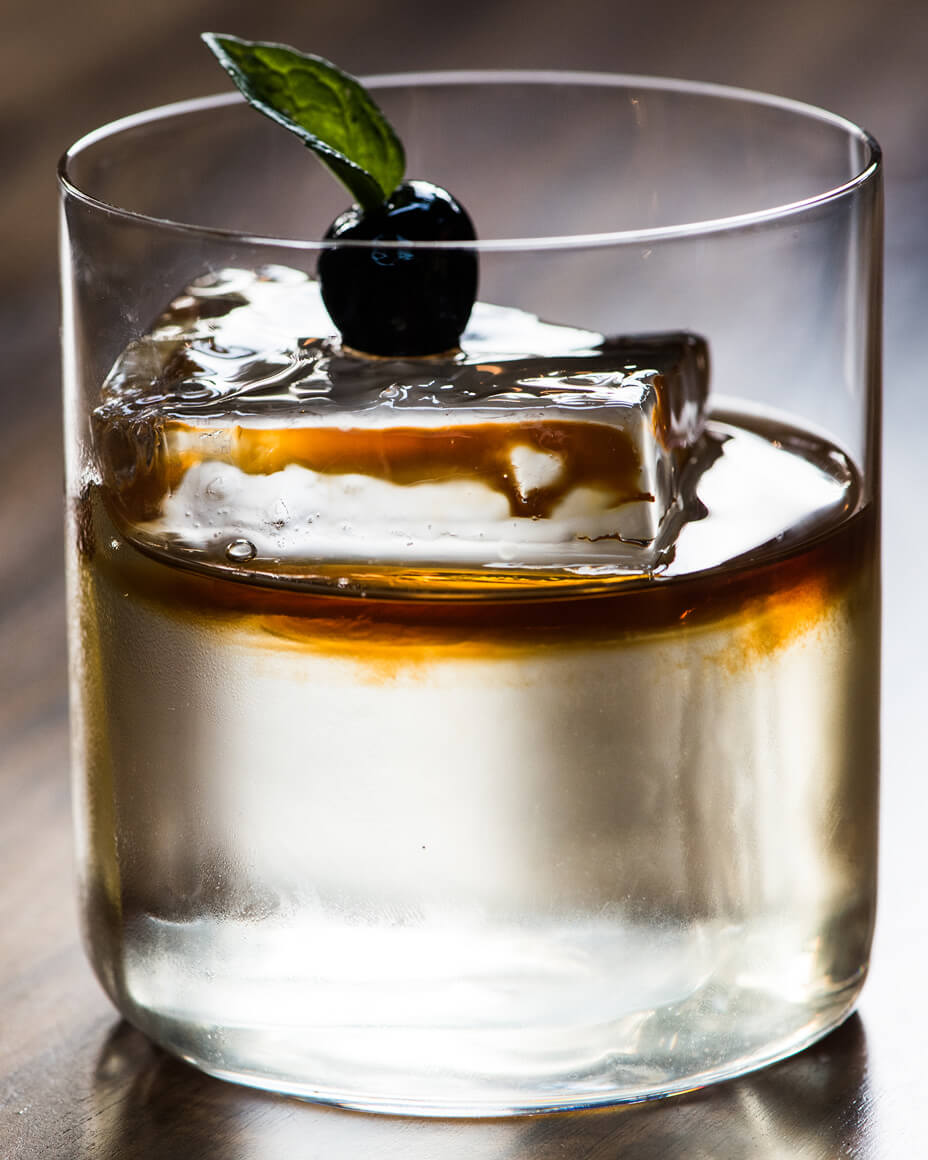
Photo by Wes Rowe
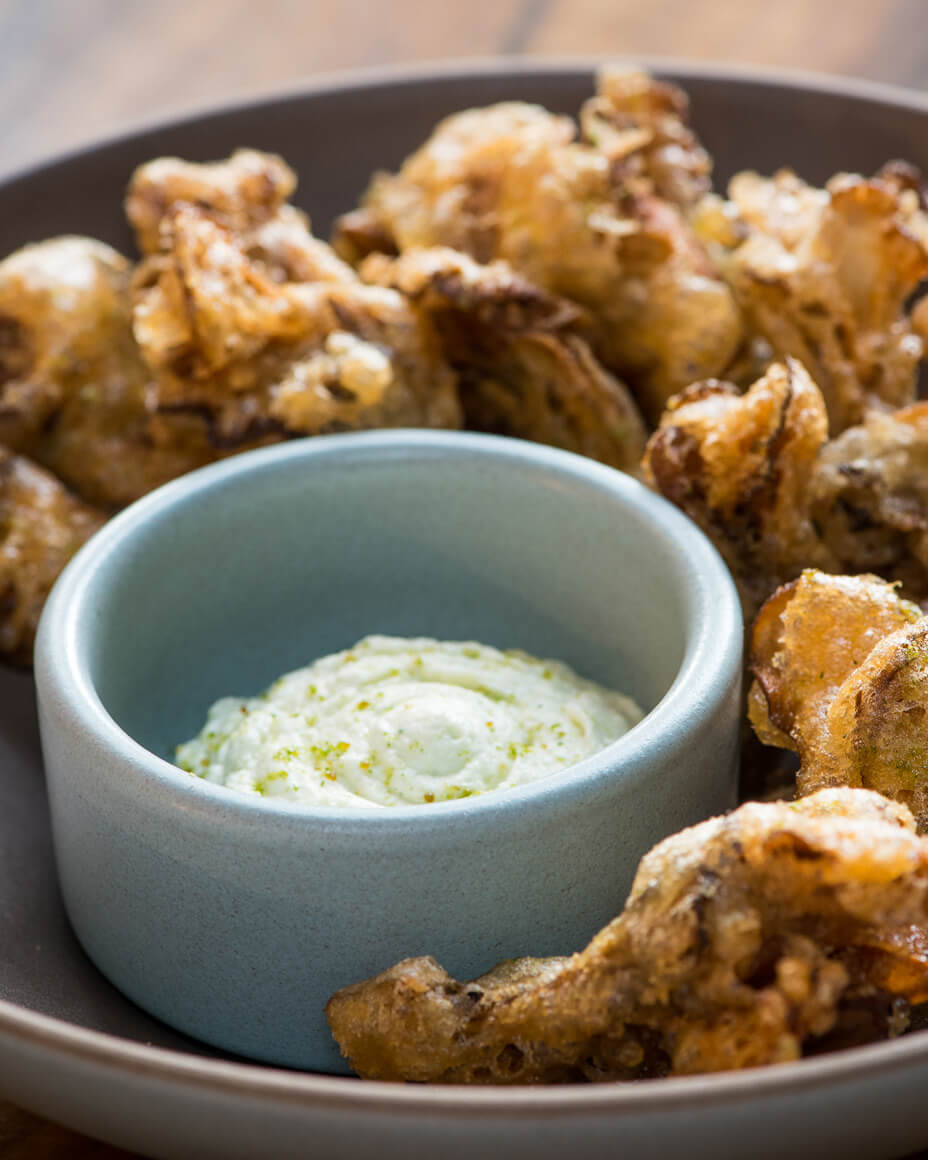
Photo by Wes Rowe
True Laurel
San Francisco, CA
The concept
When Chef David Barzelay and bar director Nicolas Torres set out to create a follow-up to Barzelay’s two-MICHELIN-Star, cocktail-driven restaurant Lazy Bear, they looked to the terroir just beyond their doorstep. True Laurel channels the Bay Area’s agricultural landscape in inventive, environmentally conscious ways. The Mission District bar earned the No. 17 spot on North America’s 50 Best Bars 2025, ranked No. 64 on The World’s 50 Best Bars, and received the Ketel One Sustainable Bar Award 2024 for its use of 100% renewable energy and its partnerships with organizations dedicated to native habitat restoration.
Torres brings his background in environmental education into every glass. The menu changes almost daily based on what’s growing, foraged, or fermenting from an array of local ingredients, like redwood tips, yellow wood sorrel, or guava. Most cocktails are pre-batched and clarified for optimal flavor and speed, poured over specialty ice made locally at Abstract Ice’s facility using 100% clean energy. The result is a menu of super clear, visually stunning drinks that capture flavors unique to this corner of California.
For the sense of place. This isn’t some abstract farm-to-glass ideology, but the “place” is showcased in the actual flavor of ingredients foraged nearby, “ugly” produce farmers can’t otherwise sell, and spent kitchen ingredients that have a squeeze more life in them for the bar program. Even the name, True Laurel, reflects a tree (the California Bay Laurel) only found in this, ahem, neck of the woods.
Mable's Restaurant & Patio
Marshall, CA
The design
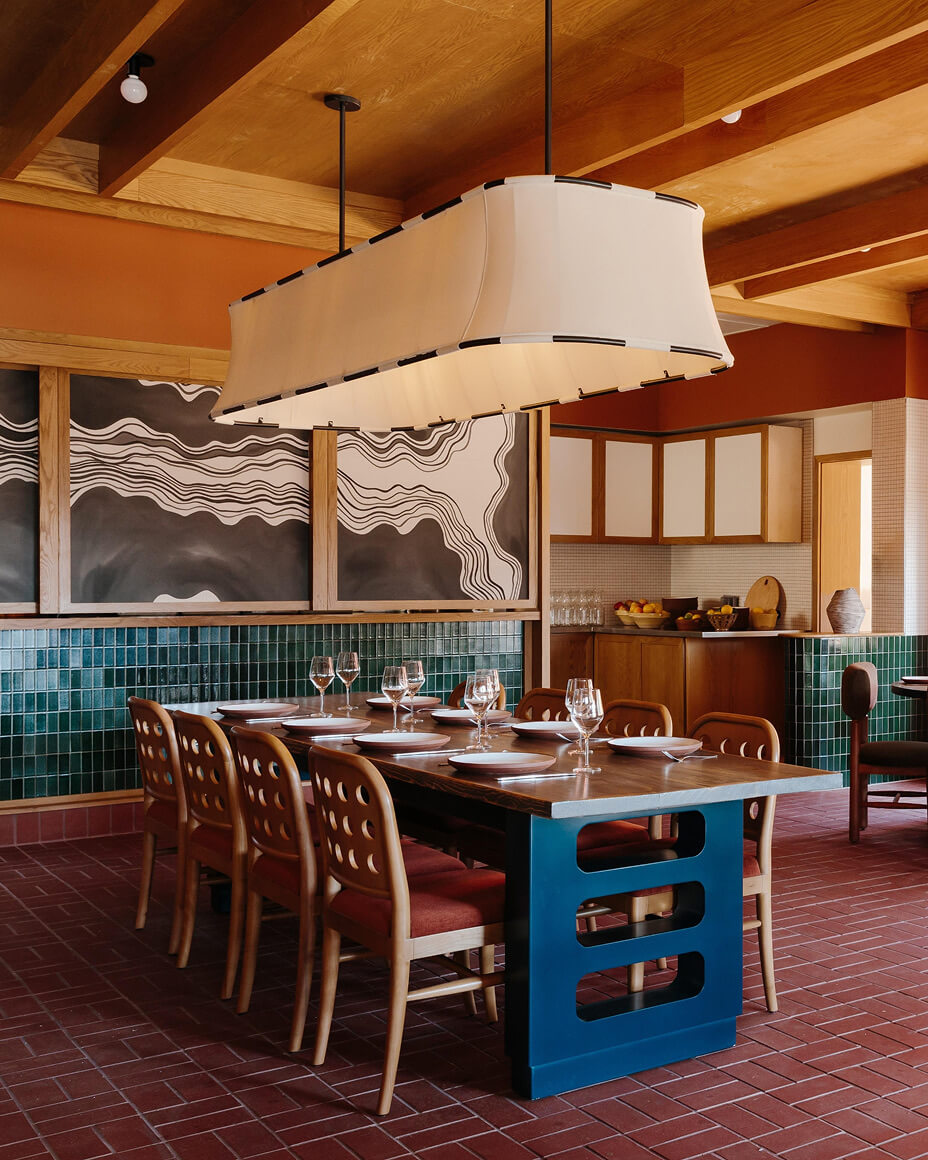
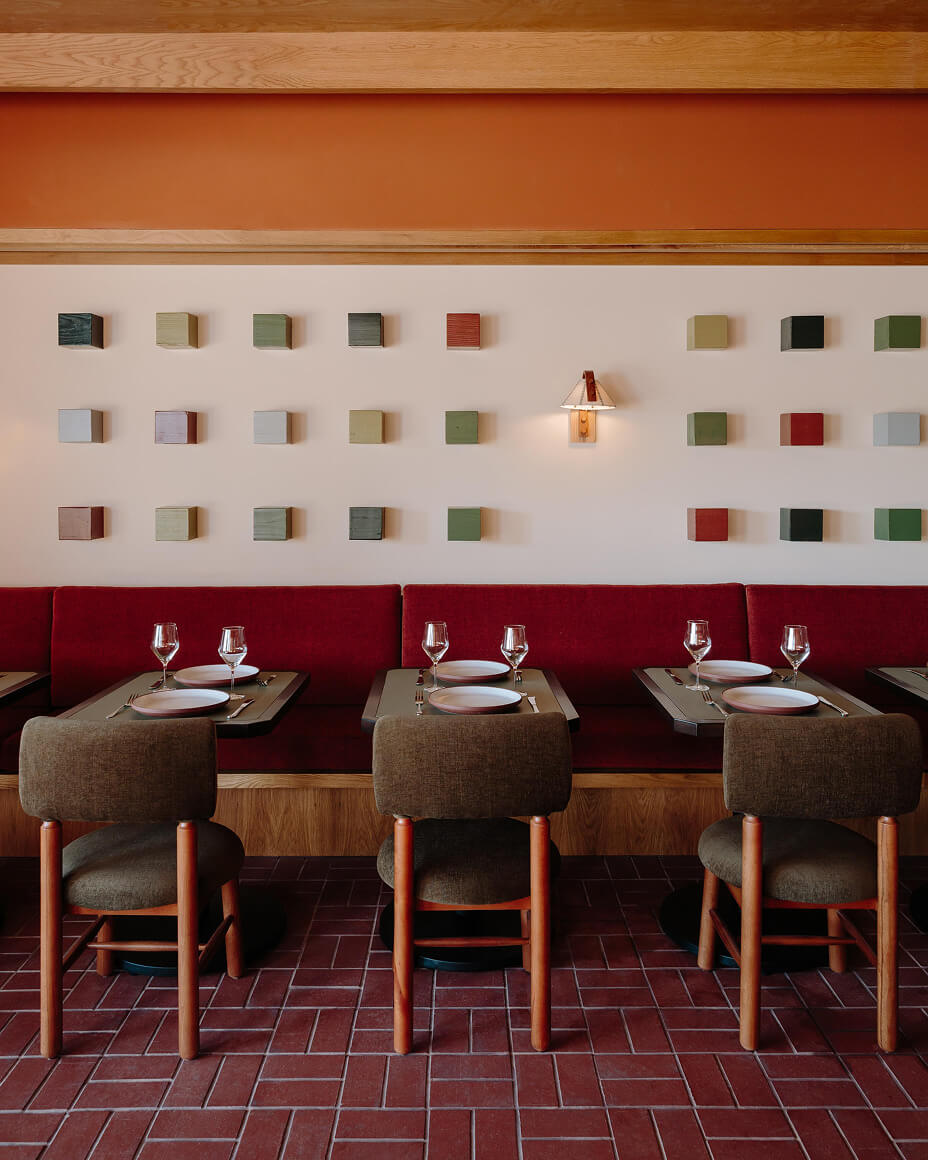
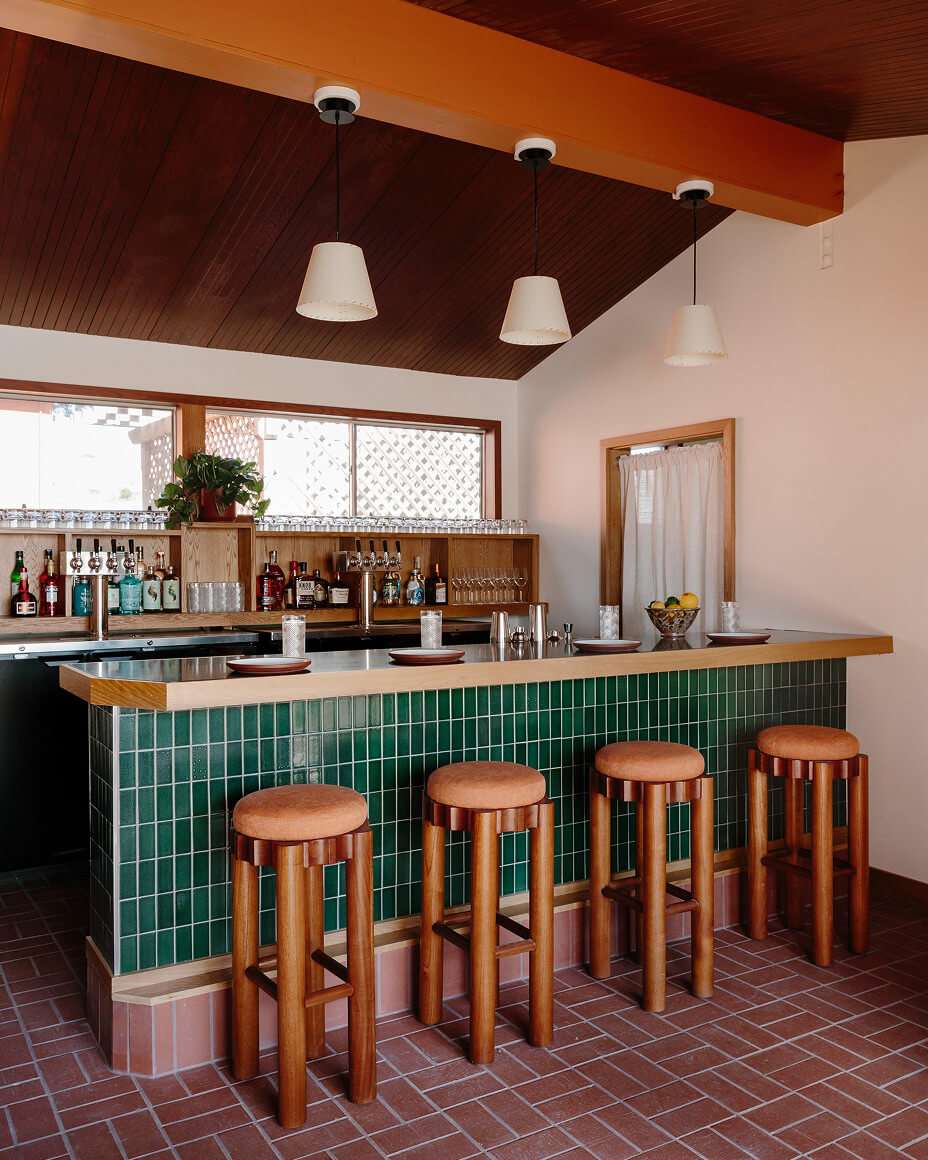
Beneath the marine layer of Northern California’s Tomales Bay is a beguiling slip of water that straddles Point Reyes National Seashore on one side and vast swaths of grazing acreage on the other. No wonder the renovated Lodge at Marconi and its in-house restaurant—designed by New York’s celebrated firm, Home Studios—took inspiration from the otherworldly surroundings. The 100-seat restaurant takes a decidedly midcentury modern, coastal bent, incorporating bespoke dining chairs, tables, and barstools. The color palette homages West Marin’s stunning natural landscape via warm woods, adobe reds and rich, oceanic blues. The space makes thoughtful use of local materials, including cedar paneling, extensive millwork, and Bay-area-made Heath Ceramics tiles.
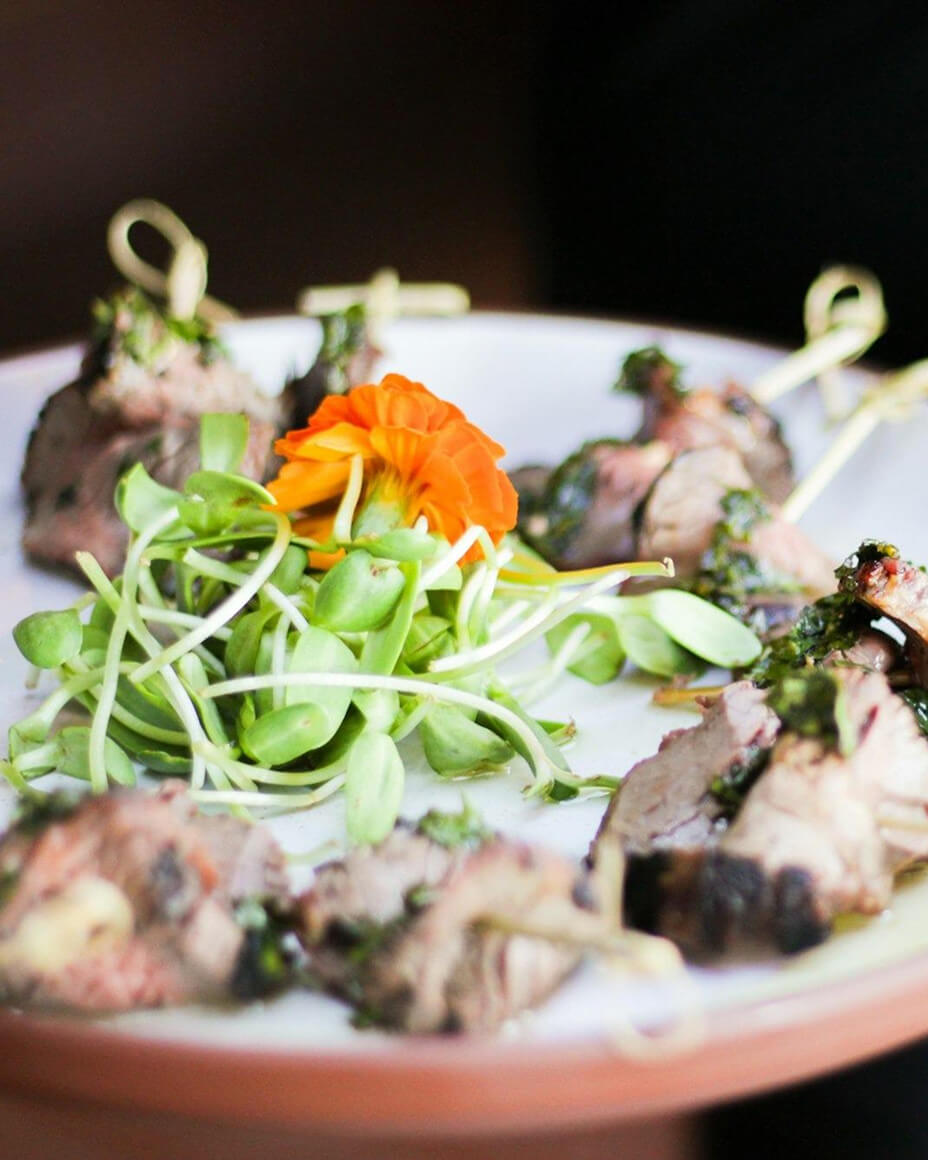
Executive Chef Les Goodman’s fine-dining menu leans heavily on the abundance of Tomales Bay, tinged with influences that flit seamlessly from France to the Mediterranean to Japan. Think hot-smoked Mcfarland Springs trout and housemade clam and mussel escabeche with fried saltines and giardiniera; sprouted hummus tinged with za’atar and harissa; and grilled local beef picanha with charred heirloom summer squash and romesco sauce. Don’t get too attached; this hyperseasonal menu changes as fast as the mischievous, rolling fog.
A 1,300-square-foot wrap-around outdoor patio overlooks the surrounding nature and glittering Tomales Bay, when the weather cooperates, that is.
Tiya
San Francisco, CA
Family history
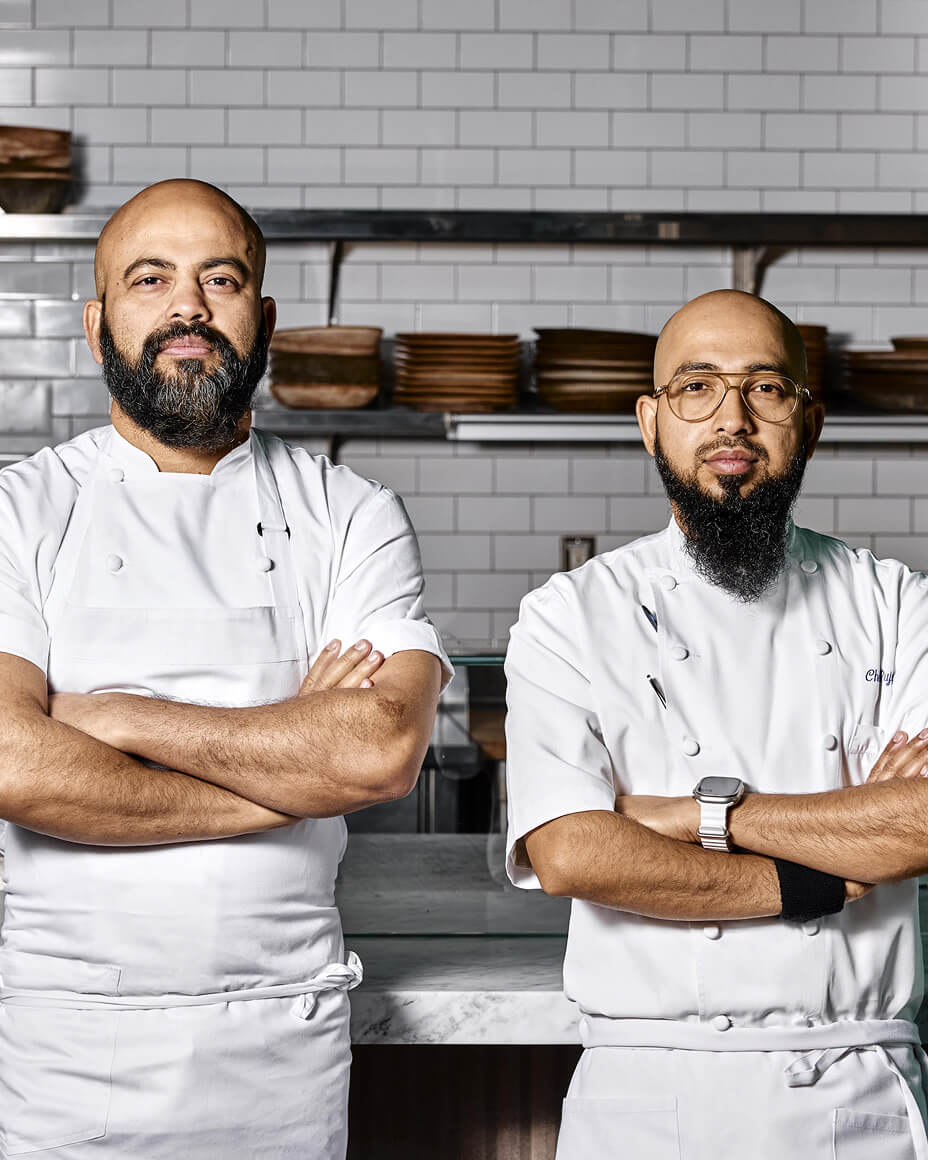
Philadelphia may be the City of Brotherly Love, but San Francisco boasts Tiya, a new Indian concept from brothers and chefs Pujan and Sujan Sarkar. Each built an impressive résumé of awards and accolades on their own (including a MICHELIN Star for Sujan’s Indienne in Chicago) before joining forces for the first time at Tiya. Together, they reinterpret their native cuisine with a fresh, contemporary lens—enhanced by the West Coast’s exceptional bounty of produce and seafood.
The Sarkars’ cooking style traces back to their family’s roots near Kolkata, India, where memories of tiya—the Bengali word for parrot—inspired the restaurant’s name. As Pujan has shared, his grandmother taught him that the presence of parrots in mango trees was a sure sign the fruit would be especially sweet. At Tiya, vibrant canapés such as puri puri filled with passionfruit water, avocado, and mango kick off the meal, followed by inventive courses like yogurt chaat with tamarind, mint, and raspberry chaat masala. Be sure to save room for dessert: rasmalai tres leches, topped with saffron syrup, rabri foam, raspberry compote, and a touch of gold.
For the unique way the Sarkars blend storytelling into their menu. For example, each cocktail pays homage to the culinary landmarks that define San Francisco, from the alleys of Chinatown to the bustling Mission District.
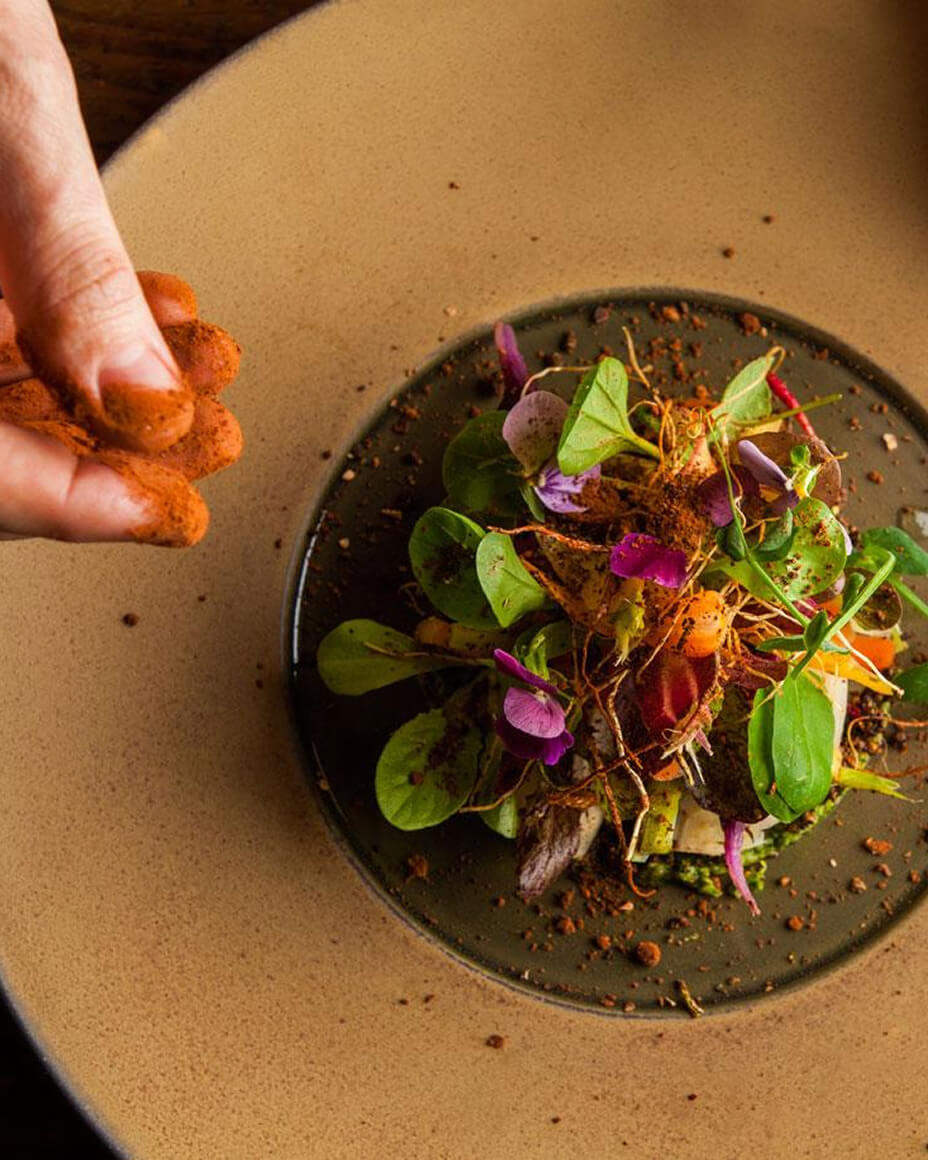
Merchant Roots
San Francisco
The concept
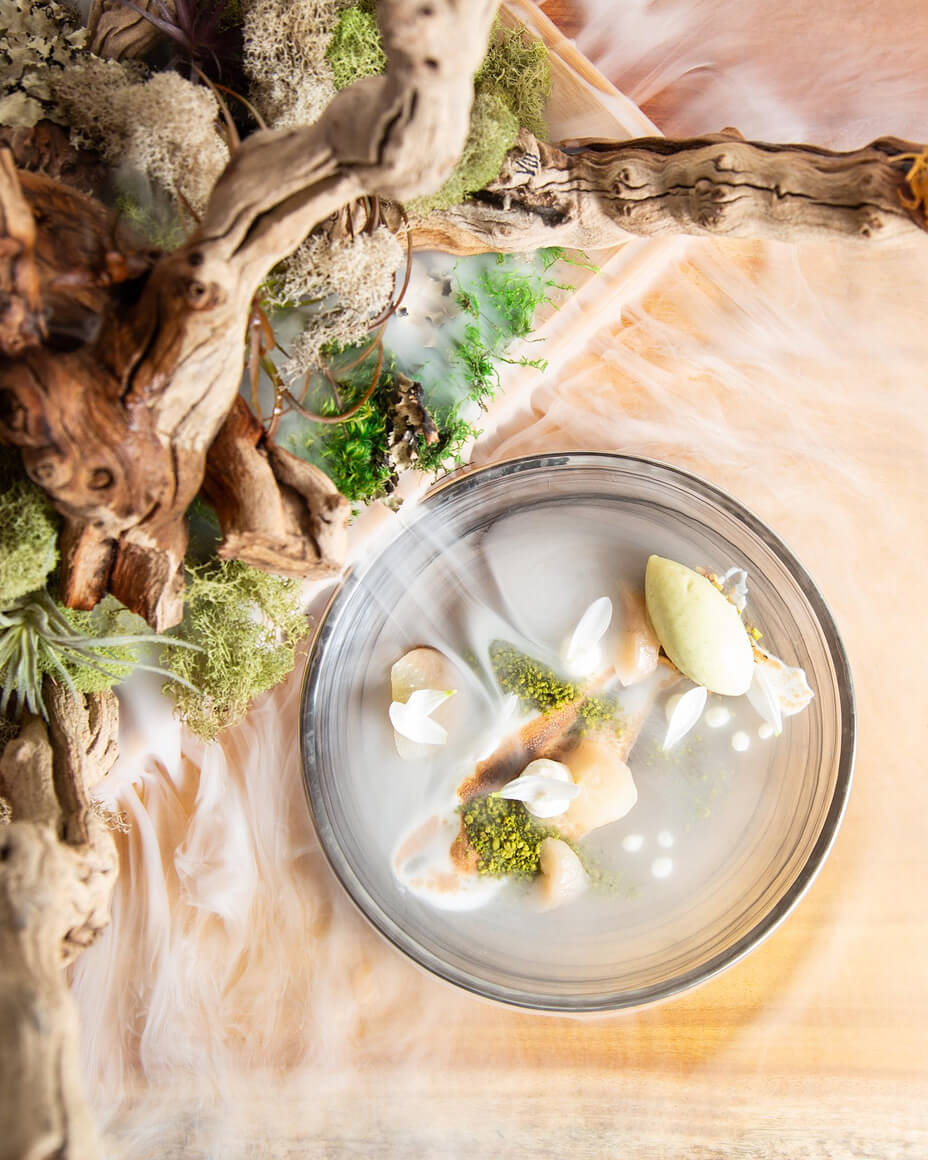
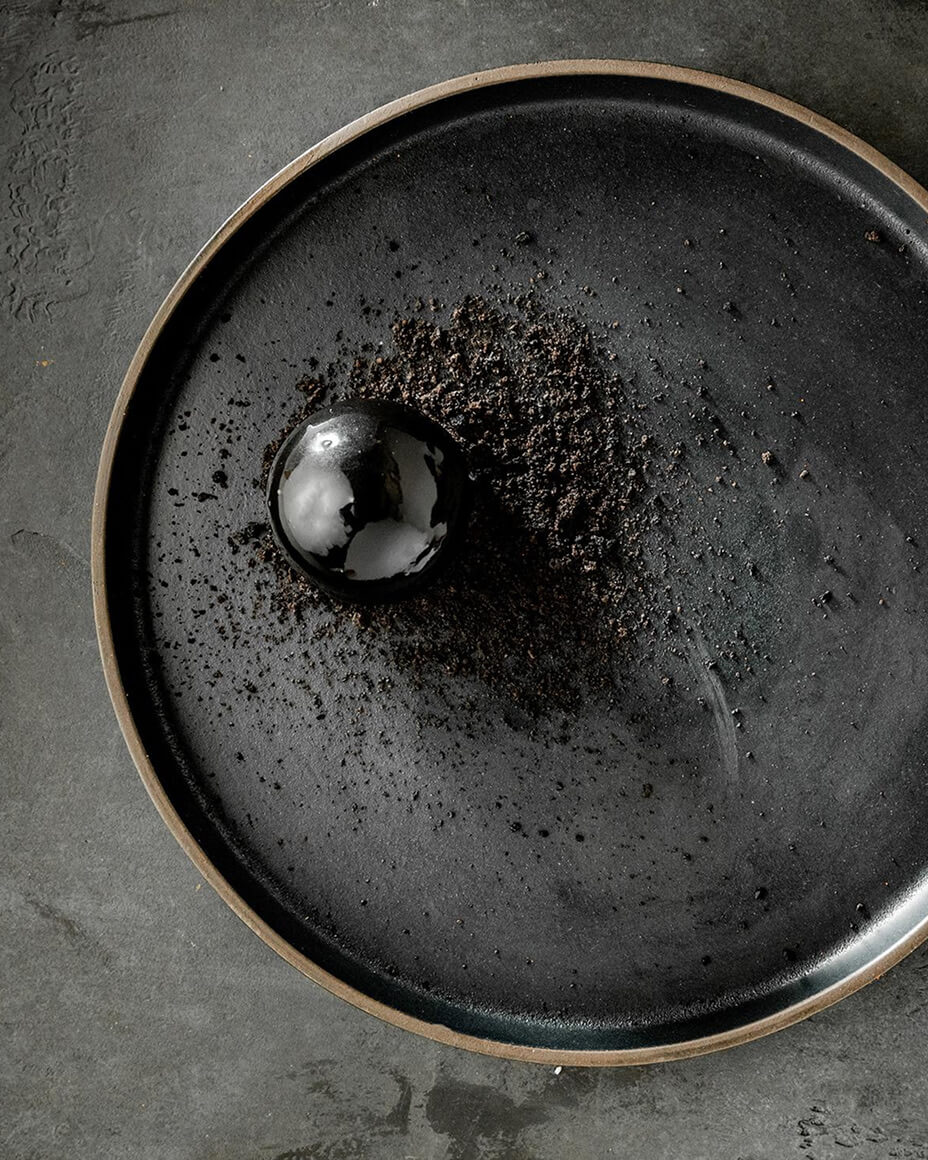
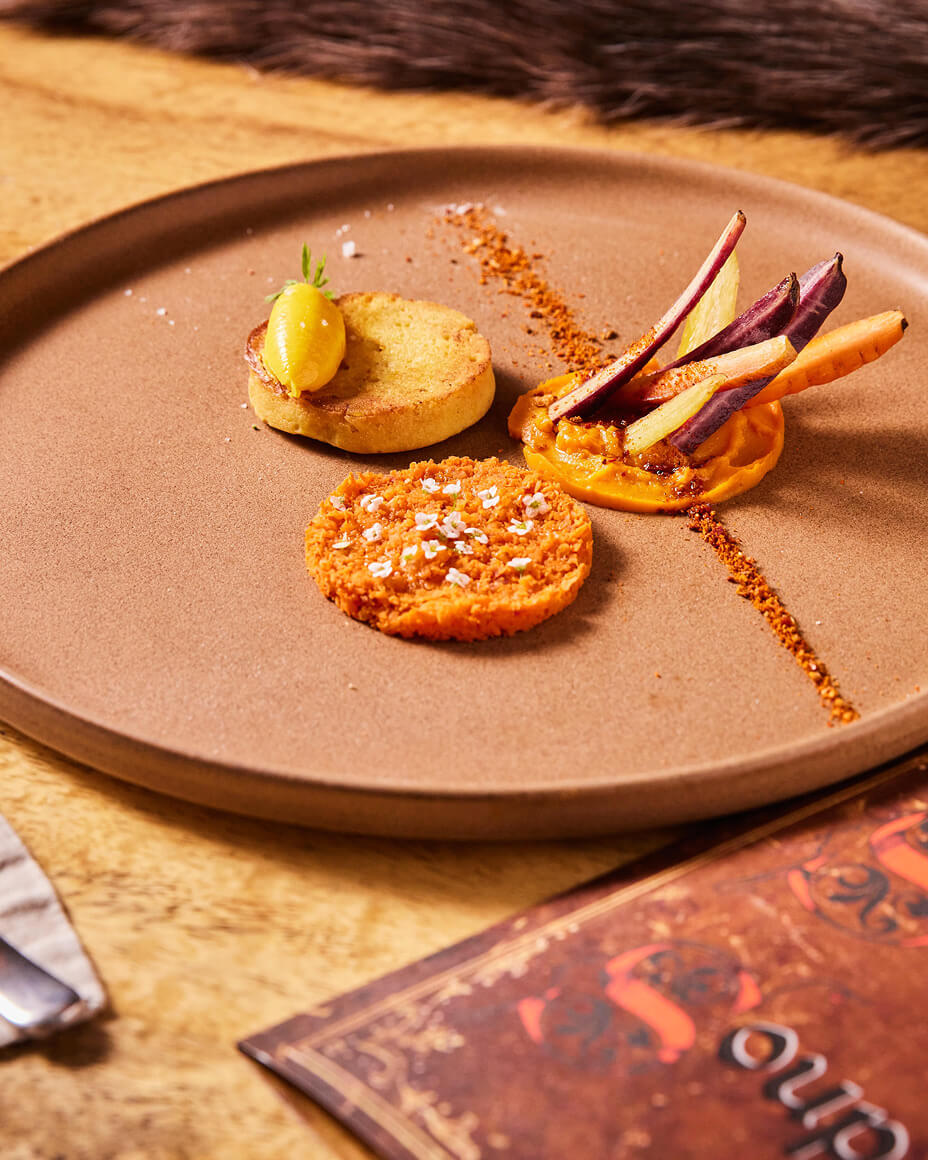
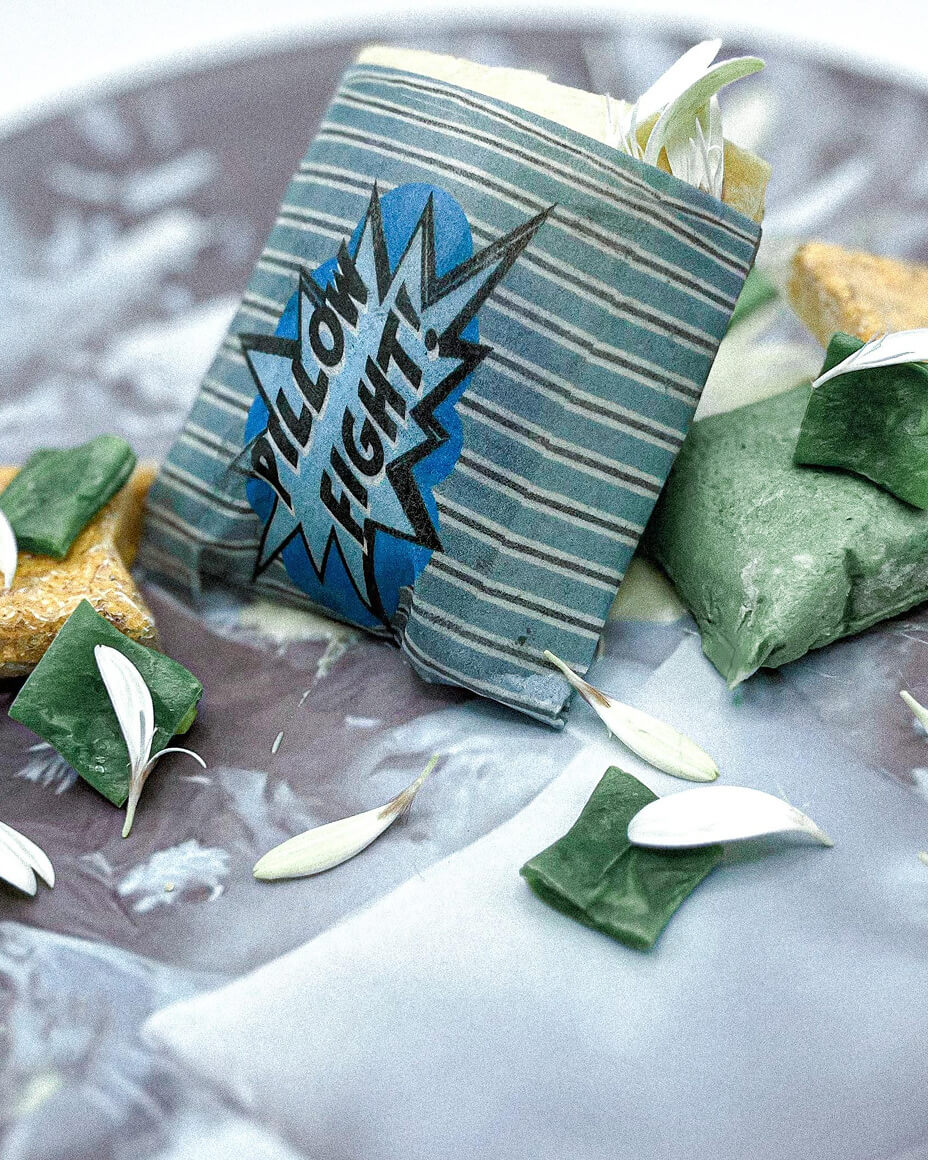
Before becoming a chef, Ryan Shelton studied color theory in art school, dissecting the way light is portrayed in ancient, classic, and modern painting. At Merchant Roots, Sheldon starts with recognizable and familiar flavors, makes them sharp and distinct, and presents them in a way that’s new and exciting. Projected artwork shifts throughout dinner, and theme-specific art installations, custom-made plates, lighting, and props are incorporated to immerse guests in the featured theme. For example, lights change to sync with the color of each course, and interactive tablescapes invite guests to forage for delectable treasures.
Every theme-based menu unfolds in edible, visual, and physical forms to tell a multi-sensory story. The summer menu, Sleepover: Bedtime Stories & Nursery Rhymes, evokes the nostalgia of childhood slumber parties with snack-filled backpacks, Peter Piper’s pickled pepper Caribbean escabeche, and cookies & milk. Each menu lasts three months before the team changes everything, including the service format, plateware, menus, and decor.
For the element of surprise. Press a button in the secret strawberry bubble room, for example, to unleash an avalanche of edible bubbles.
SSAL
San Francisco
The concept
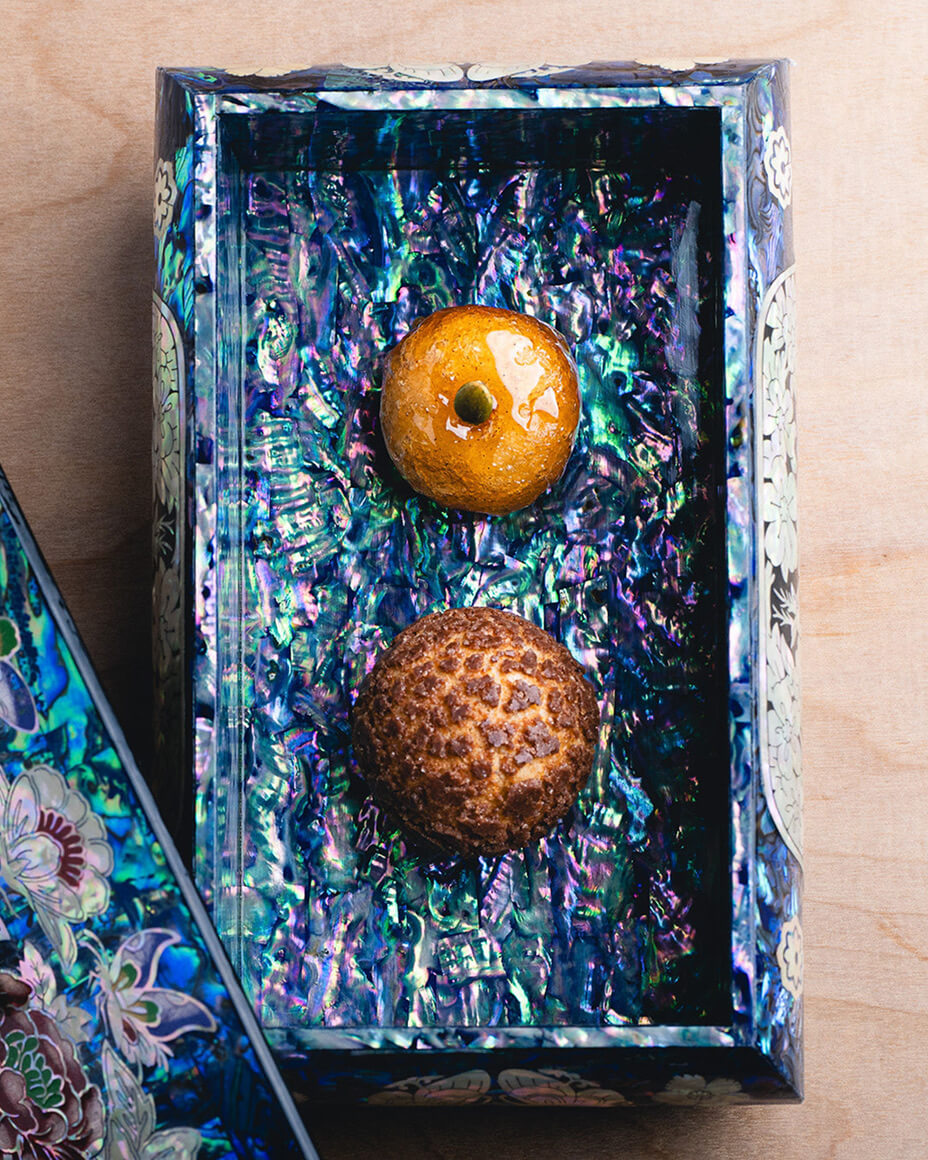
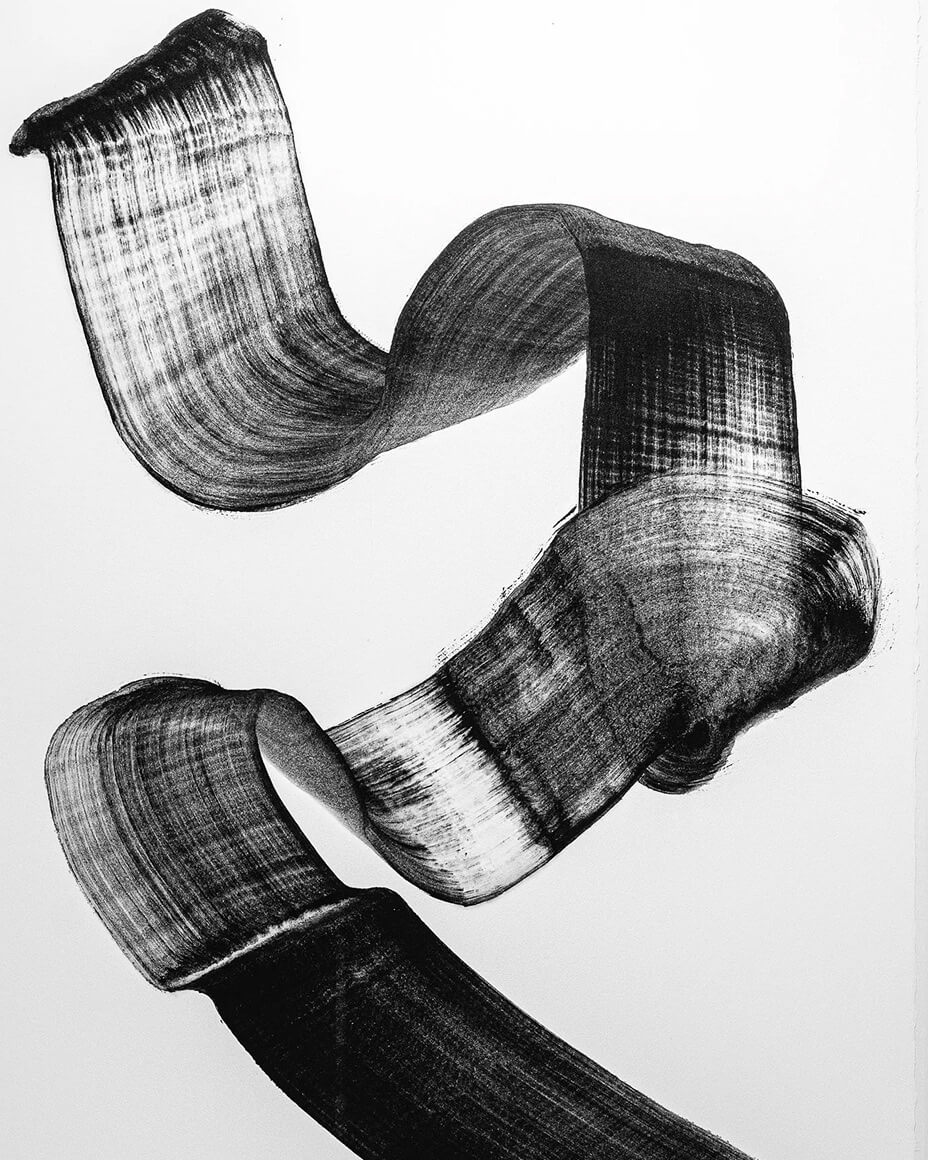
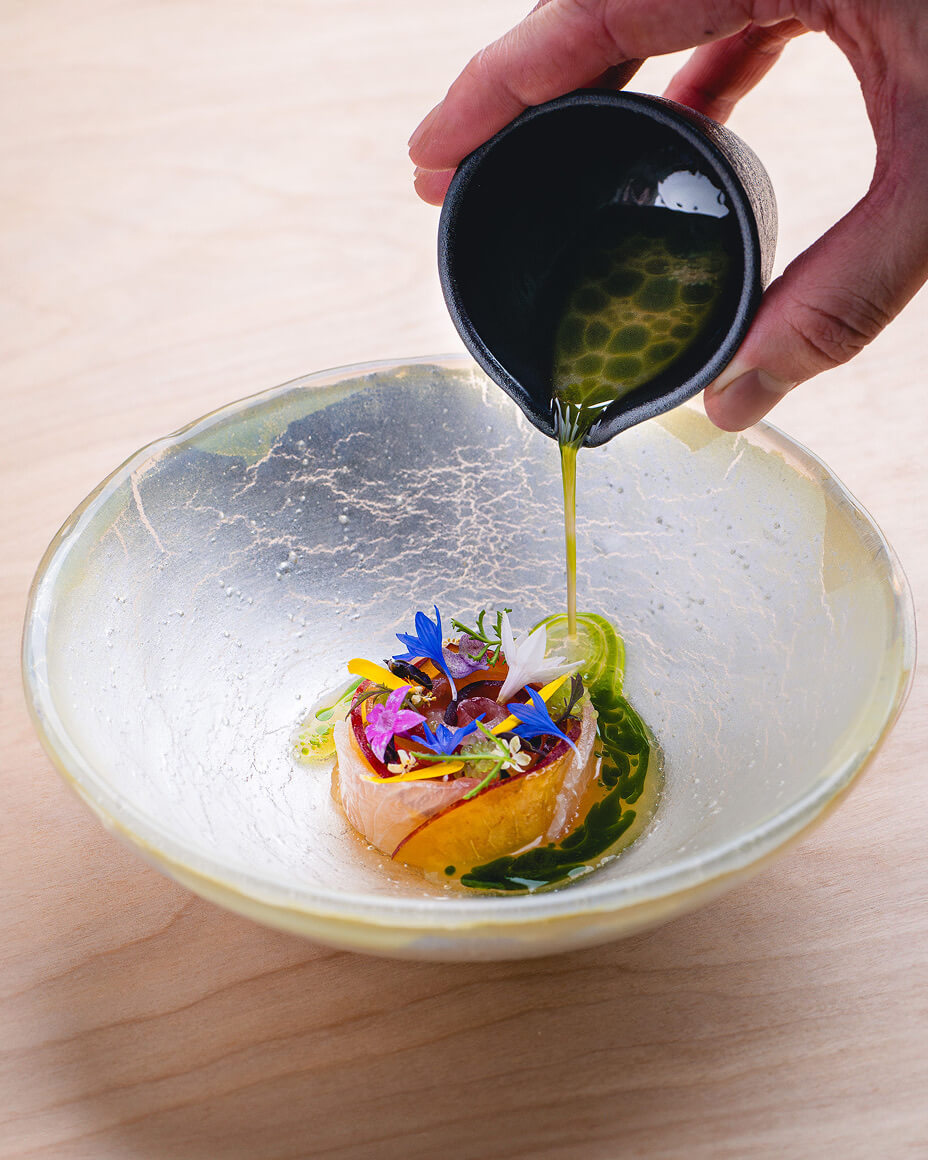
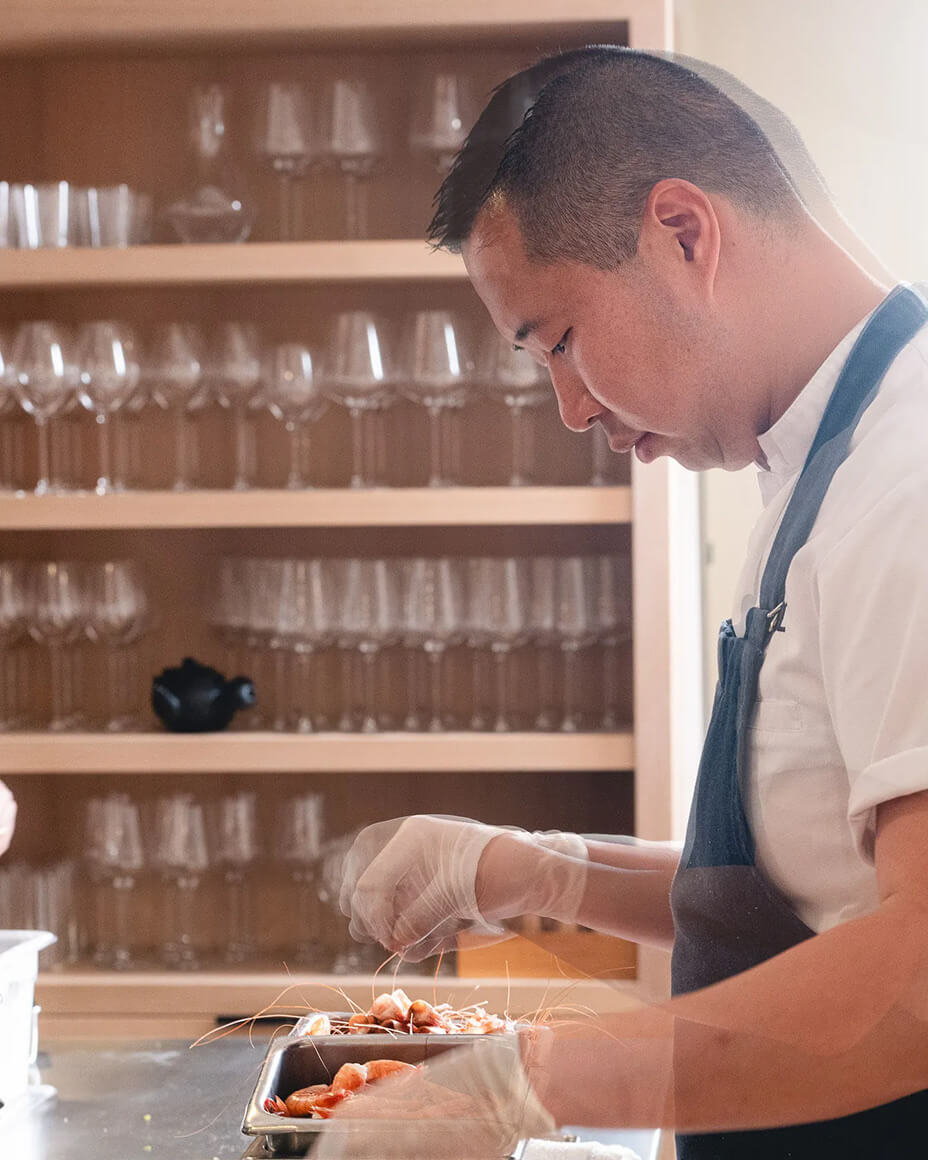
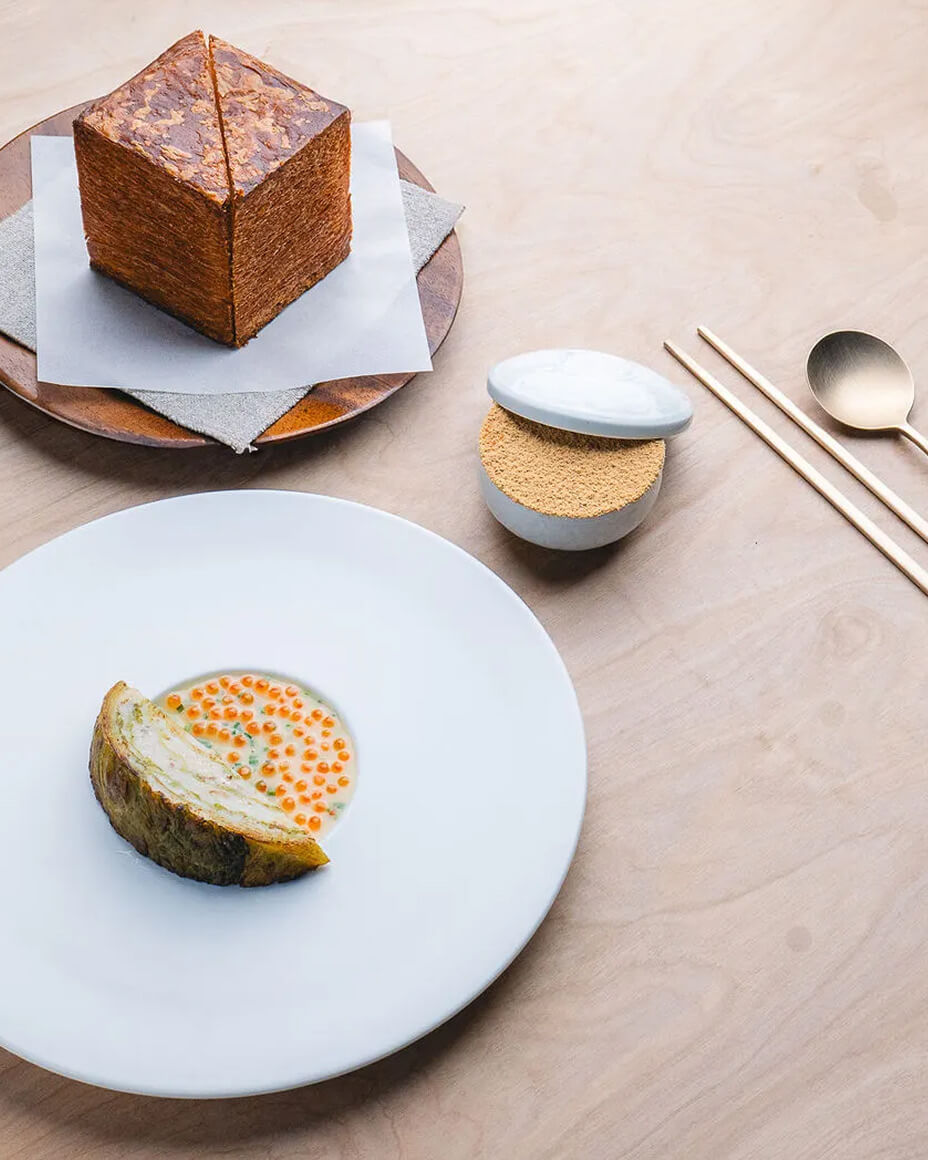
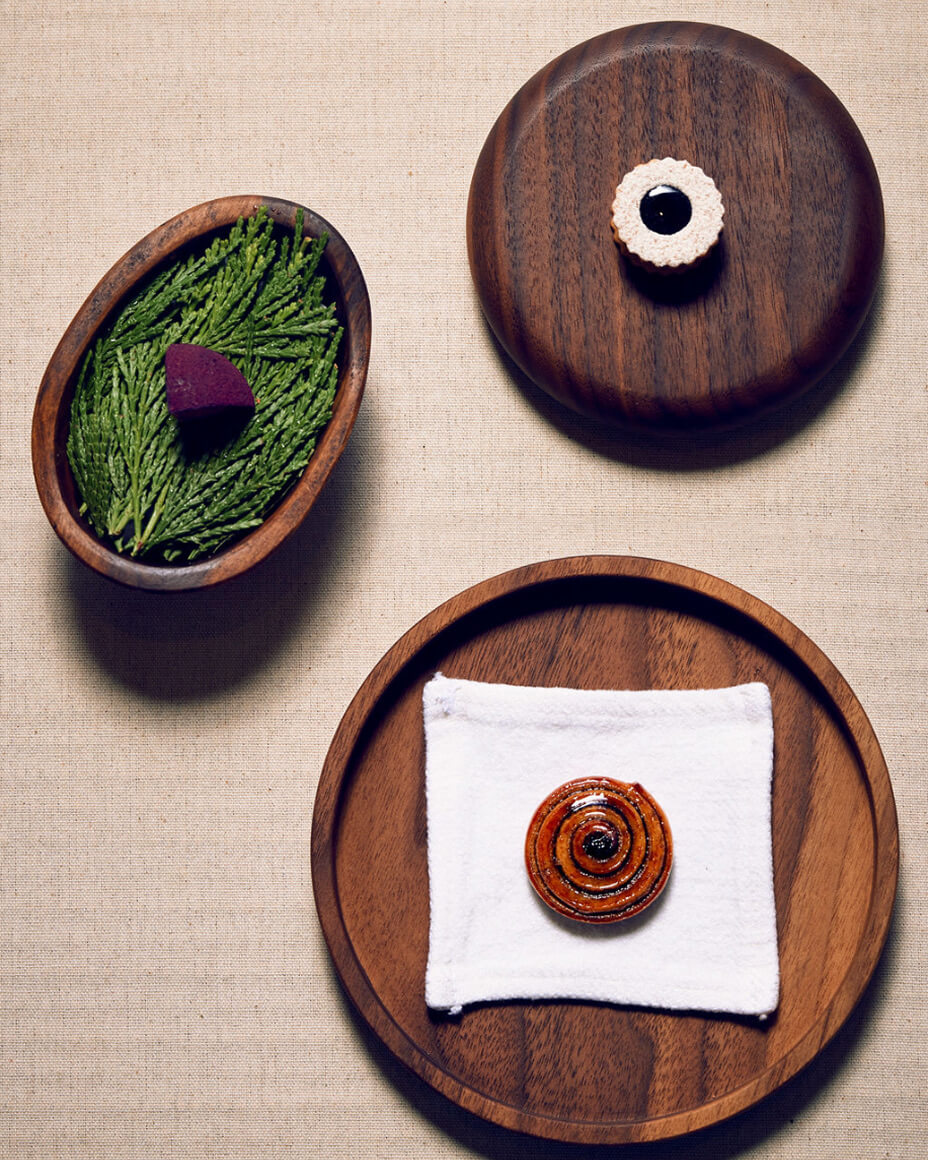
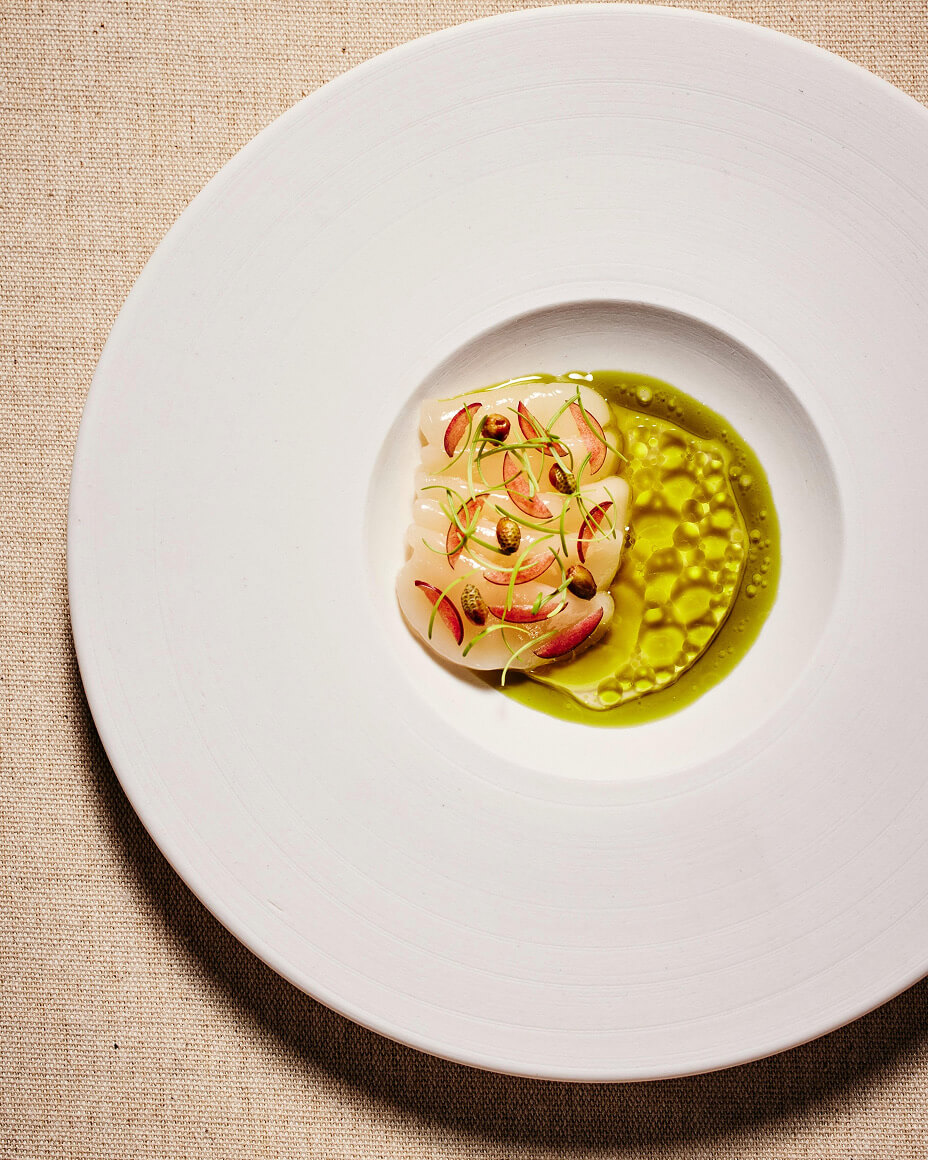
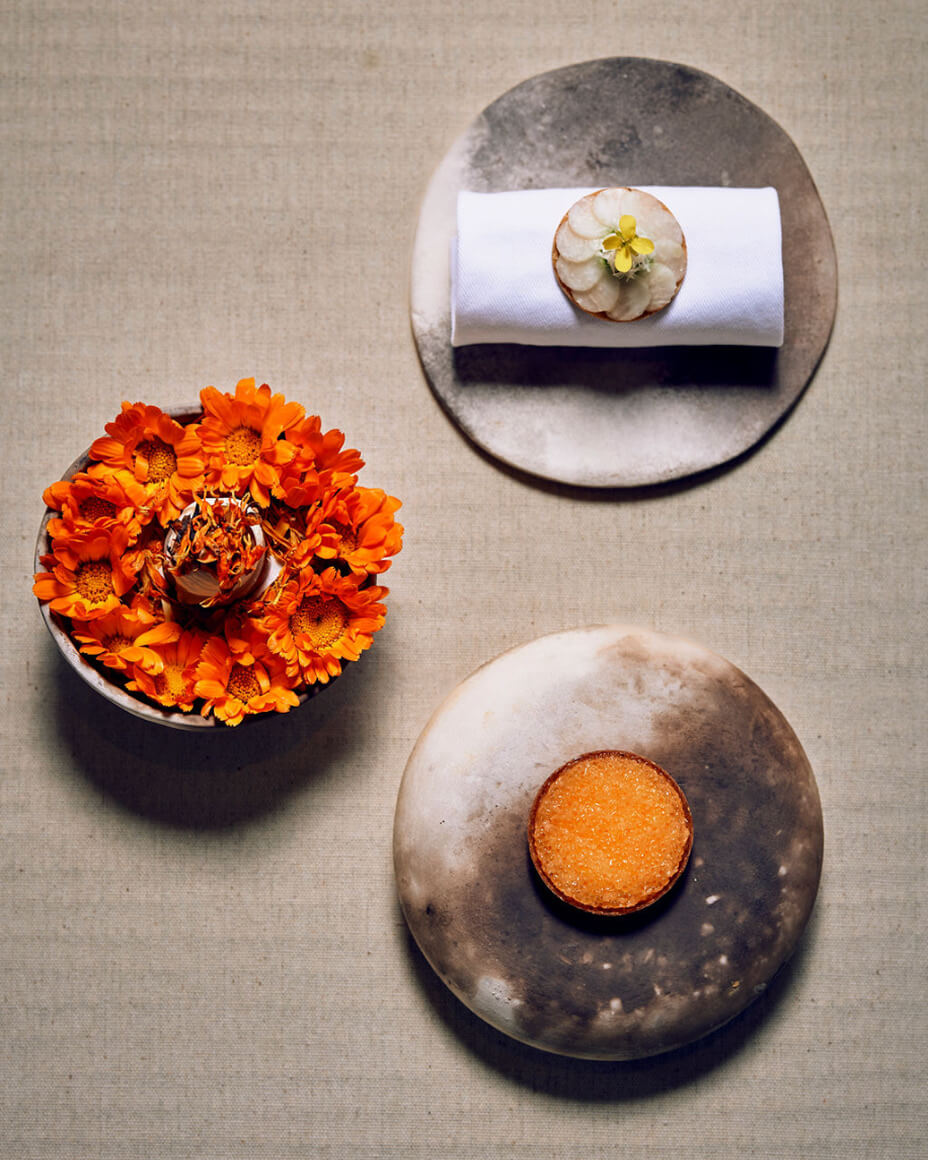
Junsoo Bae grew up in South Korea and knew he wanted to be a chef from a young age. After training at the Culinary Institute of America in Hyde Park, Bae worked at Gramercy Tavern and The Restaurant at Meadowood before opening his own restaurant in San Francisco. At SSAL, he crafts modern California tasting menus inspired by Korean ingredients, flavors, and techniques. The dining room is rooted in Korean aesthetics, showcasing various artisans through paintings, ceramics, table vases, brassware, and custom woodwork. All of these artisans are thoughtfully credited on the SSAL website with shaping every detail with care and dedication.
Bae views himself as a conduit of nature, presenting the best ingredients at peak flavor, including fresh picked fruit from the Ferry Plaza Farmers Market selected with help from his three-year-old son. You’ll recognize Korean ingredients like kimchi, but Bae stays away from super funky flavors, opting for non-spicy white kimchi to complement grilled Pacific mackerel jorim. One of the first snacks, a Wagyu tartare tartlet, is drizzled tableside with sesame oil made by Bae’s father in South Korea from heirloom seeds grown in his garden, and mailed across the Pacific. American eel from Maine (which the restaurant receives live) is charcoal grilled with soy marinade and wrapped with koshihikari rice in delicate, soft gamtae seaweed rather than crispy nori, showcasing a rare Korean delicacy with a twist on a sushi handroll.
For the deeply personal perspective on Korean food and culture.
Sons & Daughters
San Francisco
The concept
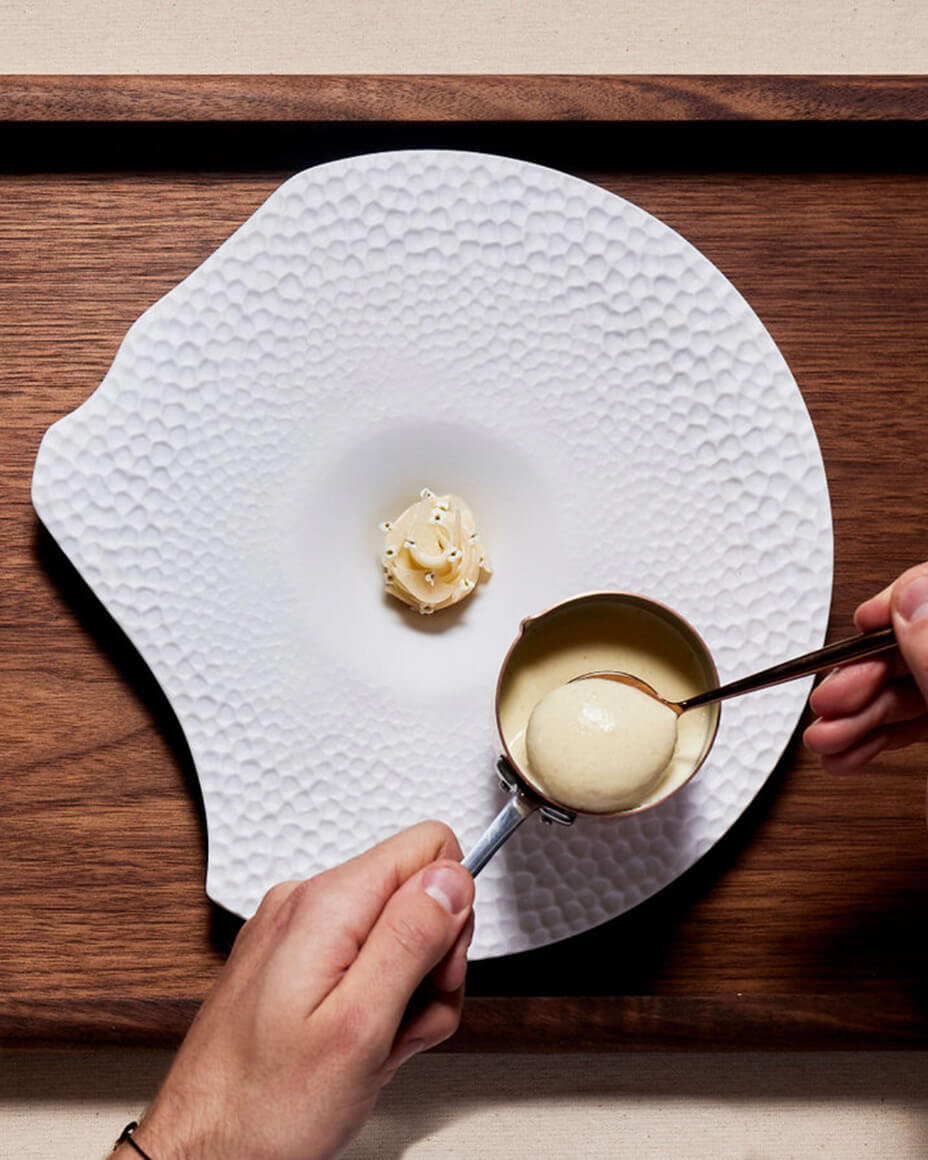
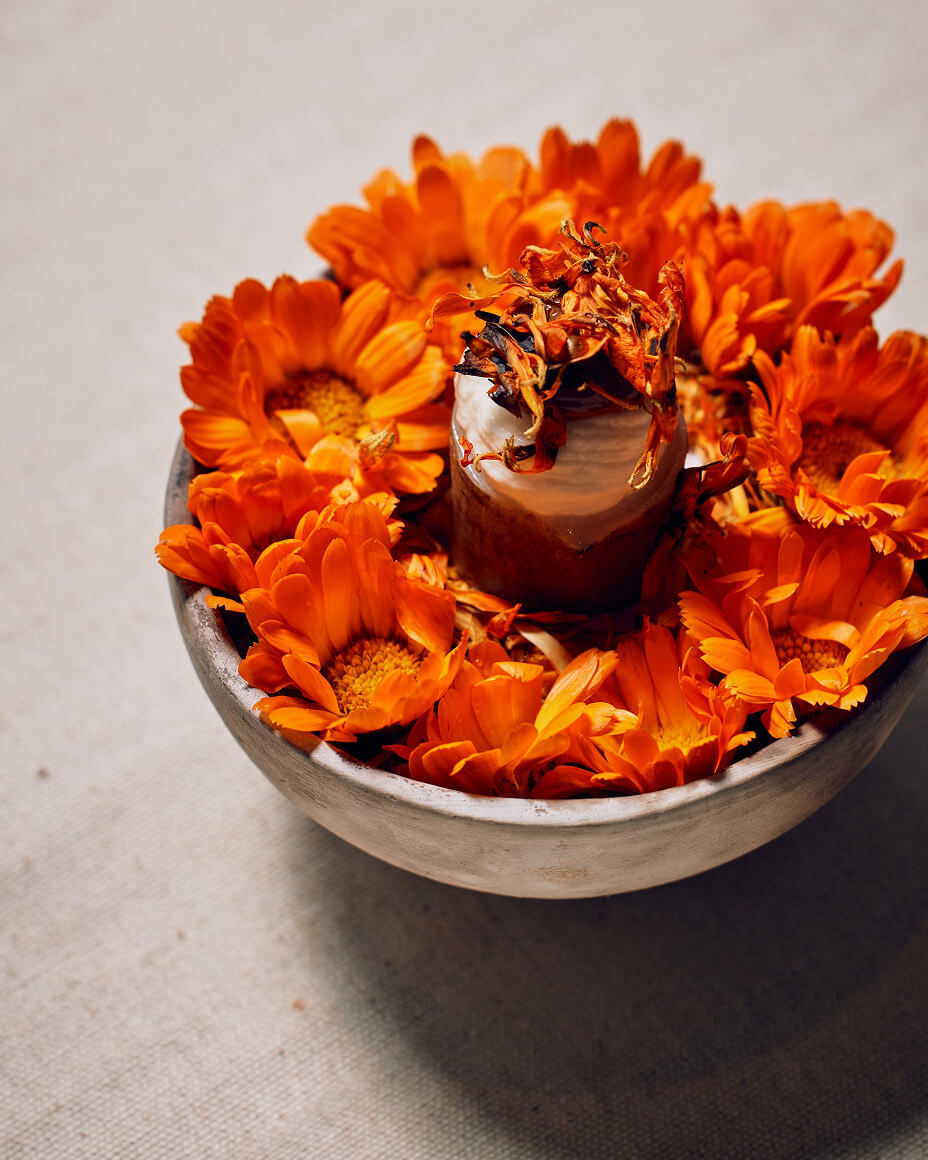
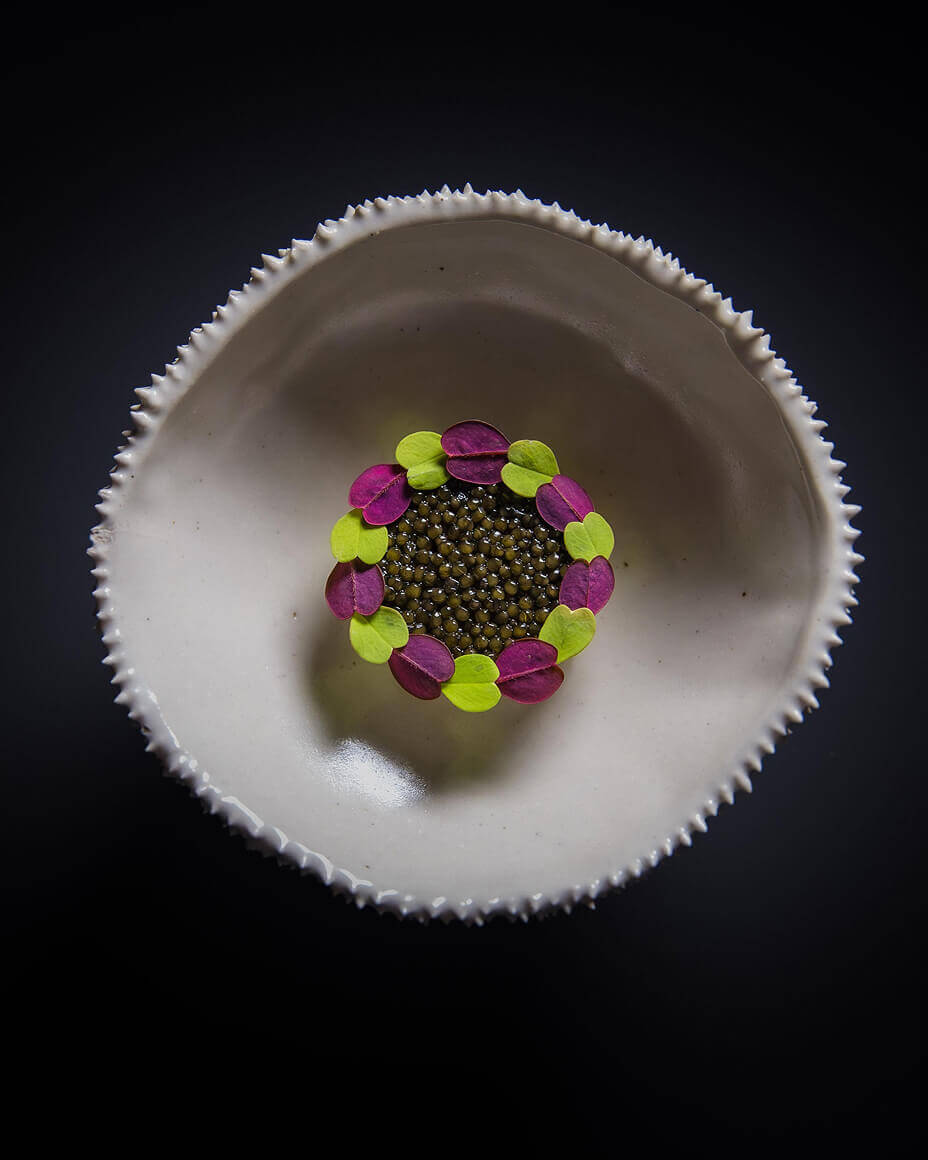
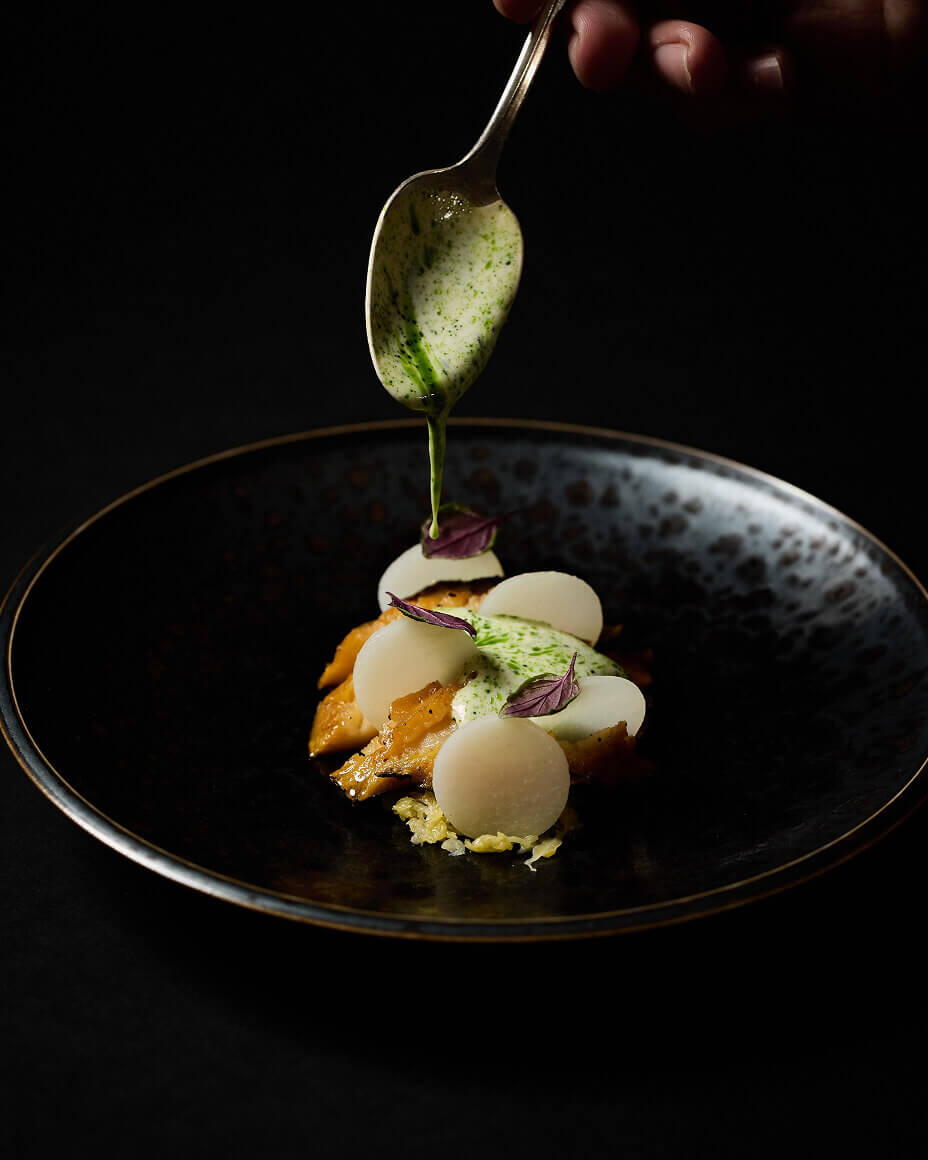
Zero-waste New Nordic minimalism with a California twist is the vibe at this cozy San Francisco restaurant. Originally from London, Chef Harrison Cheney credits his mother, an established ceramicist, for nurturing his creativity and artistic eye. At Sons & Daughters, he showcases local producers and classical techniques from an open kitchen, creating dishes that balance negative space, visual contrast, and, at times, delicate touches like edible flowers—all arranged in striking, artful compositions. According to Cheney, “Everything from the aprons that we wear to the plates and woodwork we use comes from local ceramicists and artists.” Fittingly, the opening snacks are served on custom ceramics handmade by his mother.
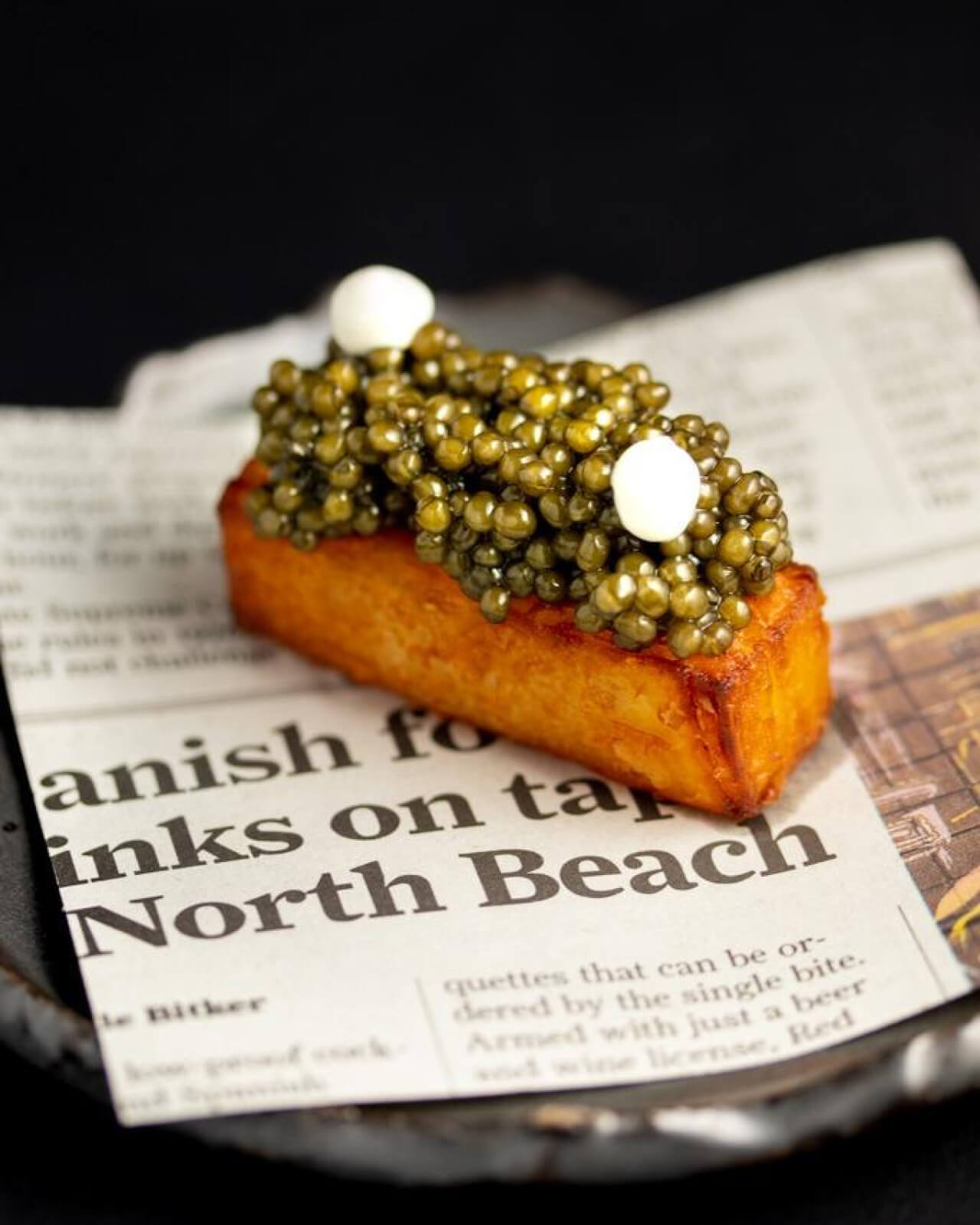
Cheney relies on fermentation to coax additional layers of flavors and preserve fleeting seasonal ingredients. Think 48-hour fermented white asparagus paired with sustainably sourced Osetra caviar—or 35-day dry-aged beef served with preserved wax beans, fresh garlic, and herbs from the farm at Meadowood.
For the sense of place. Pickled pine pollen, Douglas fir, and smoked black cod from Half Moon Bay showcase the best of Northern California.
Atelier Crenn
San Francisco, CA
Origin
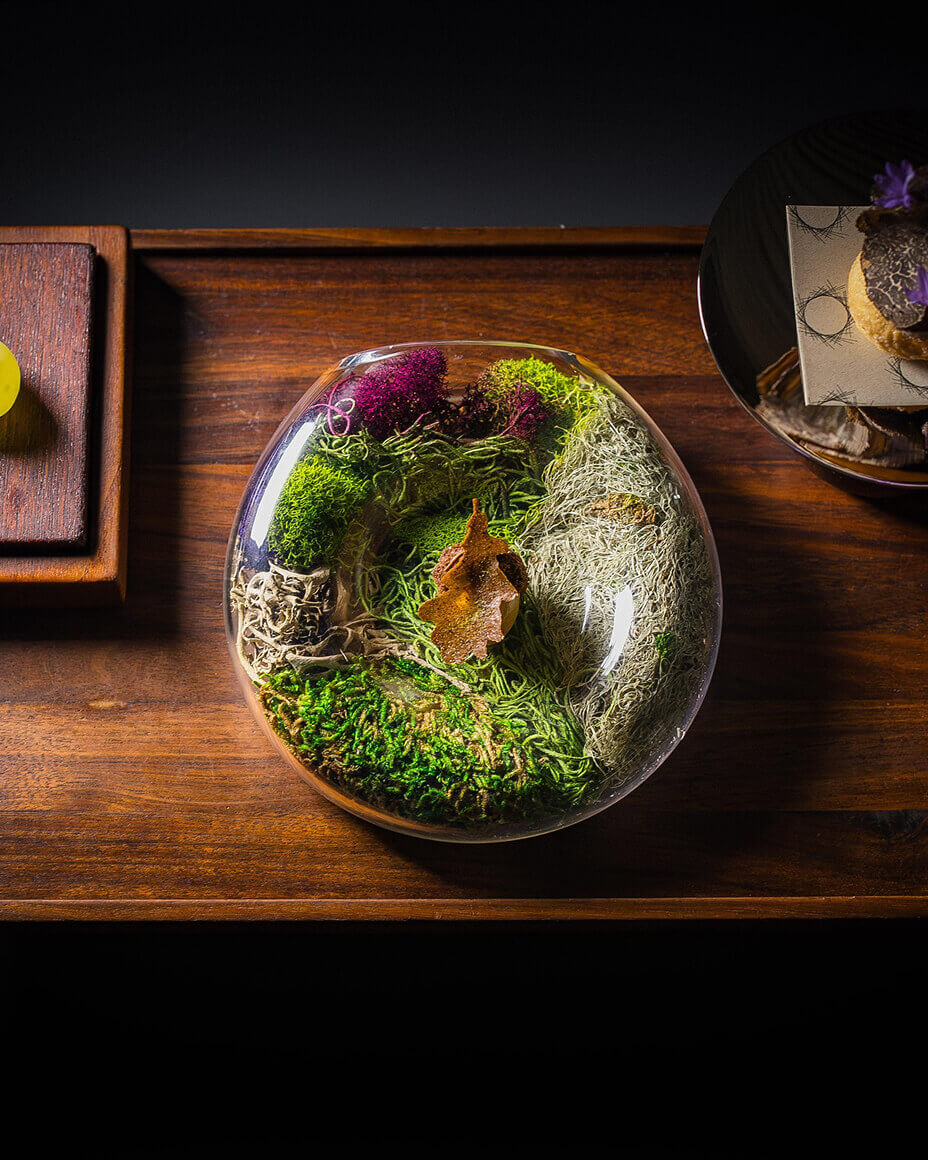
Raised in France between Versailles and Brittany, Chef Dominique Crenn brought her rustic seaside sensibility to San Francisco after working in fine dining at Stars and Luce. She opened Atelier Crenn as a poetic atelier (studio) of French cuisine. It’s a tactile canvas for food storytelling focused on ocean bounty and seasonal produce. The minimalist design mingles abstract art with personal photographs, while soft lighting focuses attention on the culinary journey.
Earning a third MICHELIN Star in 2018, Crenn became the first and only woman in the U.S. to achieve that honor. Beyond Atelier, she operates Bar Crenn next door and Le Comptoir, a one-MICHELIN-Star 10-seat experience within Bar Crenn. Add to that Bleu Belle Farm, her farm practicing regenerative agriculture in Sonoma County that supplies her restaurants. Crenn removed all single-use plastic (the first U.S. restaurant to do so), earning a MICHELIN Green Star. She was named world’s best female chef in 2016 and received the Icon Award in 2021, always pushing the limits and influencing a generation of chefs coming up behind her.
Everything ties back to art. The multi-course “ocean forward” tasting menu reads as poetry influenced by Crenn’s father. She refers to this as “poetic culinaria,” where cooking and art evoke emotions. Atelier Crenn doesn’t just serve meals; it shares stories through taste, texture, and vision, creating cuisine so inventive it has both delighted and baffled critics while drawing international attention.
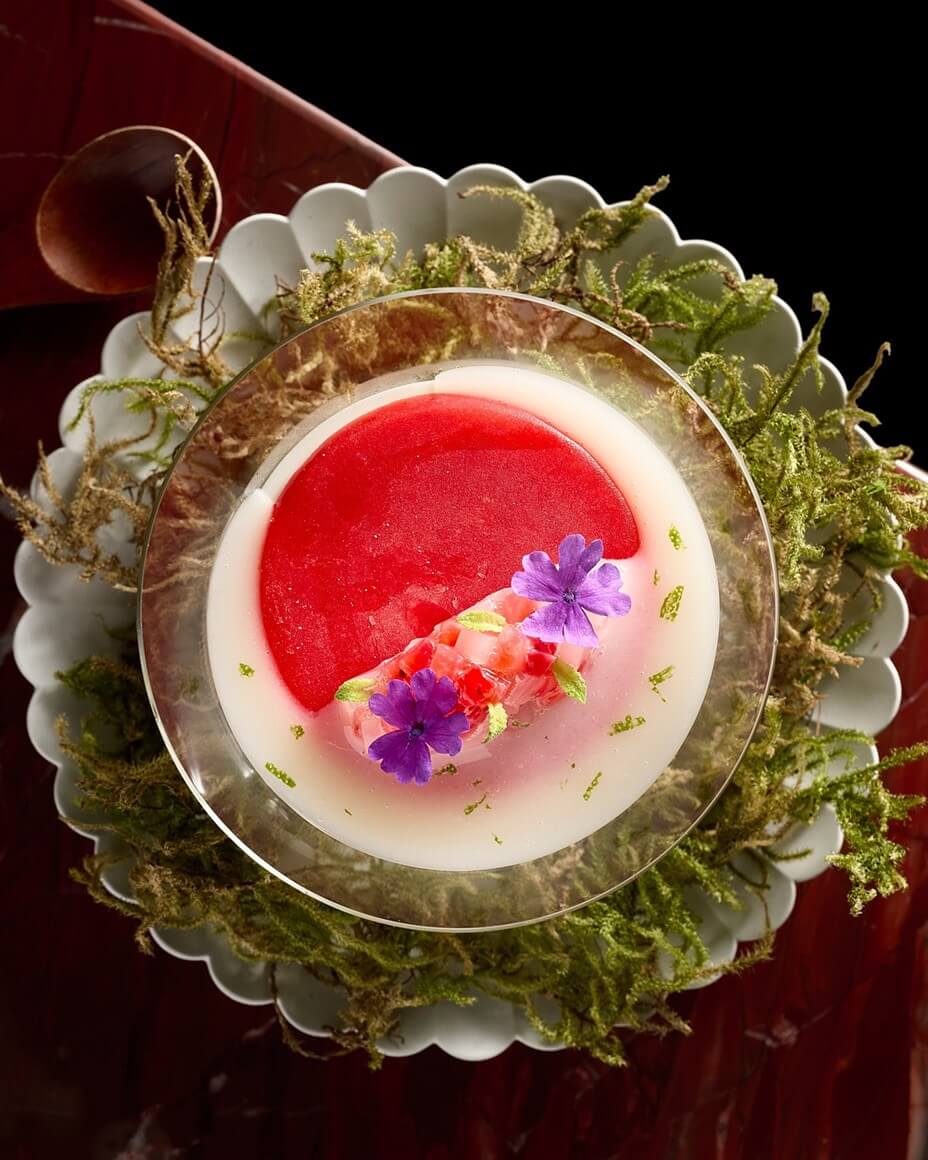
Photo by Joseph Weaver
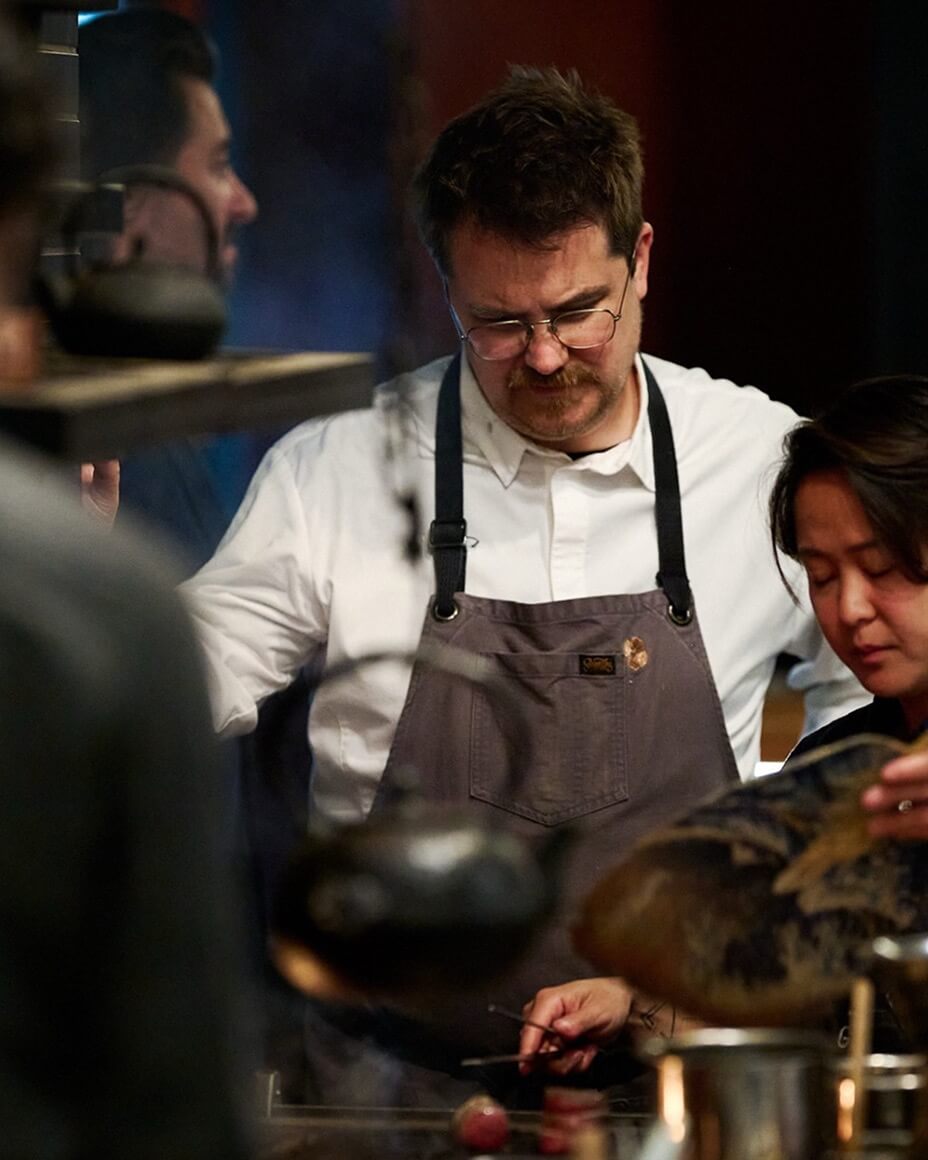
Photo by Joseph Weaver
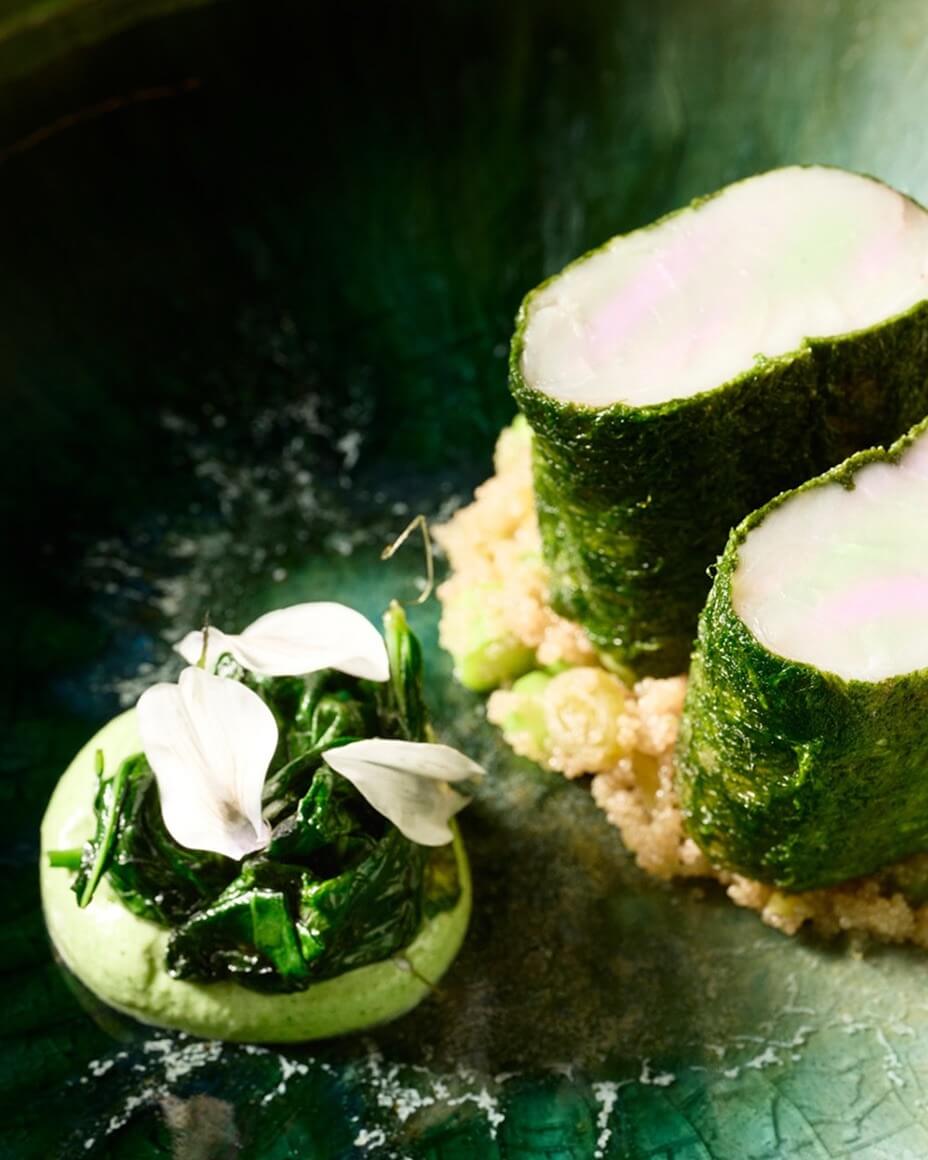
Photo by Joseph Weaver
The Wild
San Francisco, CA
The concept
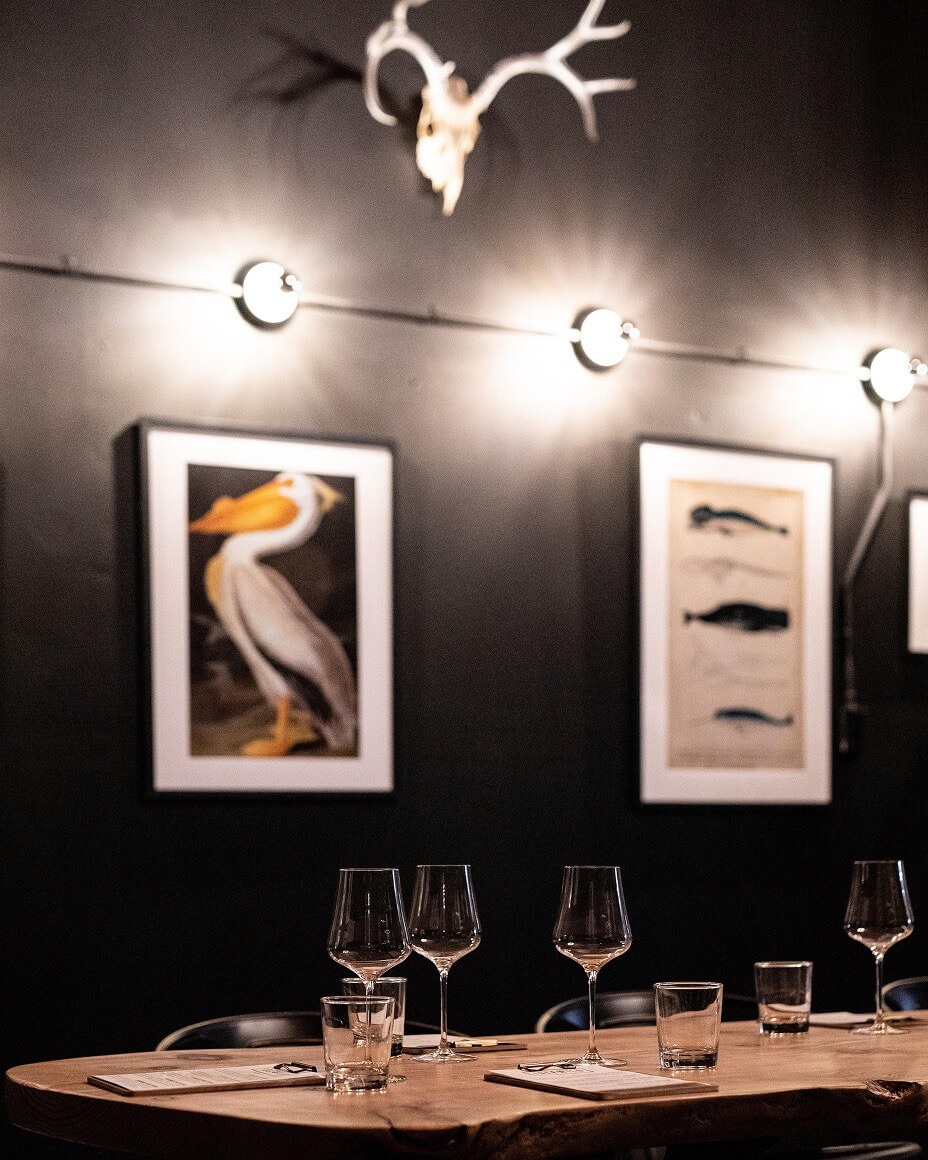
A crackling, live fire hearth anchors the open kitchen at The Wild, led by Chef/Owner Marc Zimmerman and Chef de Cuisine Peggy Tan. Rooted in Northern California’s ever-changing ecosystem, every dinner service offers an à la carte or chef’s choice, five-course menu designed to showcase the region’s rich bounty. Guests cozy into the dining room, then travel along the Pacific coastline, from the tide pools to the rugged mountains to the alpine meadows.
While San Francisco’s gray fog rolls in off the ocean and hangs over the city, you take a seat close enough to smell the wood burning. A glass of whiskey arrives, and with the first warming sip, you embark on a chef-led journey complete with spirit pairings. The couple to your left is digging into Sonoma duck confit and sea urchin noodles; on your right, you catch a glimpse of the artful California Dungeness crab with cucumber, myoga, and caviar.
After working in Japan and Singapore, respectively, Zimmerman and Tan combine their global perspectives at The Wild. “Simplicity in approach and intent are two main factors that are emphasized in the work we do,” Zimmerman told Forbes.
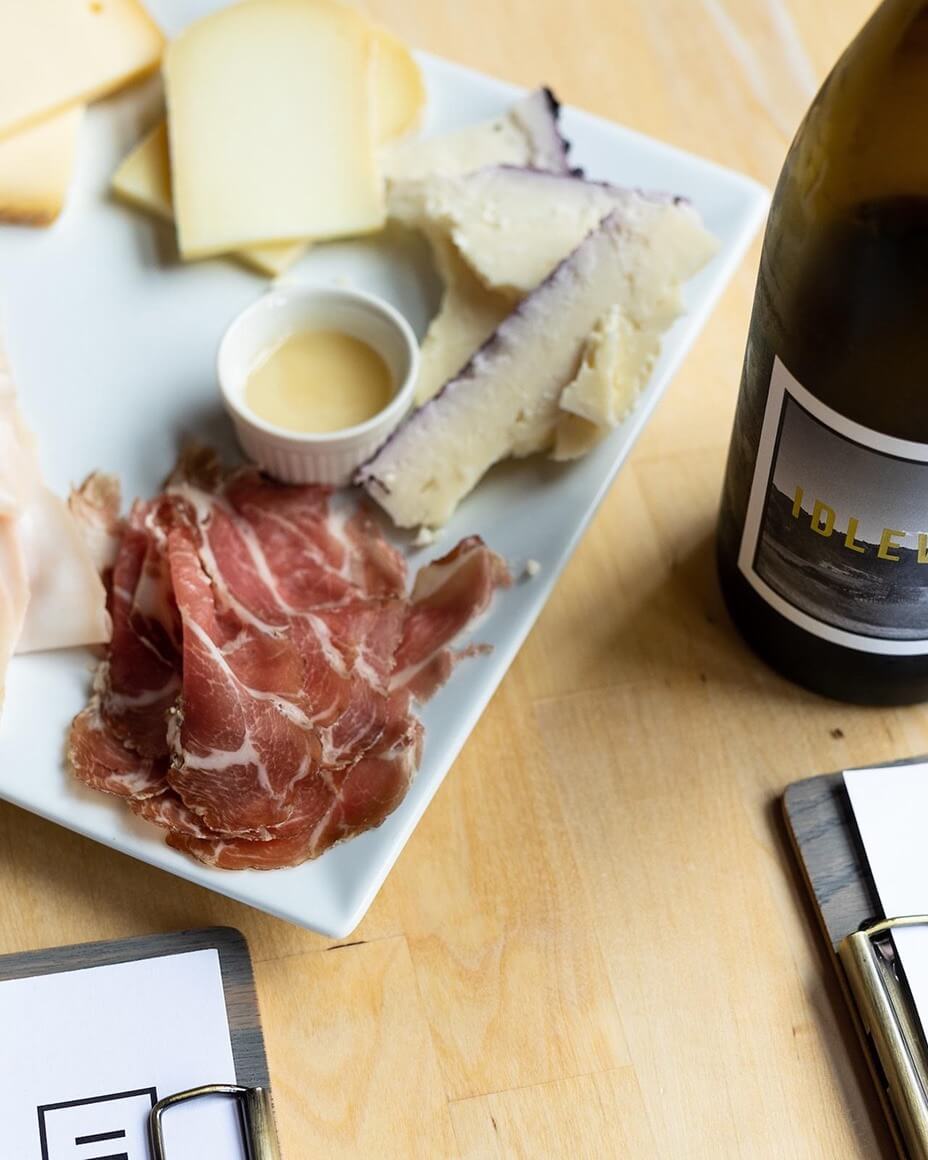
Idlewild Wines
Healdsburg, CA
The concept
Housed in a historic former winery in downtown Healdsburg, Idlewild Wines’ tasting room is a favorite among locals and visitors alike. Through guided tastings, guests learn about holistic farming, minimalist winemaking techniques, and Italy’s Piedmont grape varieties that thrive in the elevation of California’s Russian River Valley and Mendocino County. Each wine is unique, Idlewild promises, and therefore treated as such.
If the wine industry is waning among millennials and Gen Z, no one told the crowd inside Idlewild. Even the sign outside looks more akin to a hip coffee shop or cocktail bar rather than a vineyard’s traditional tasting room. You go for the Grignolino, a rarity that Sonoma Magazine describes as “deep salmon-colored red wine that brims with more tannins than you’d expect from its naturally paler hue, and delicate flavors of rose, sage, white peppercorn and strawberry.” A plate of cheese, salumi, and conservas is on the way. Life is good.
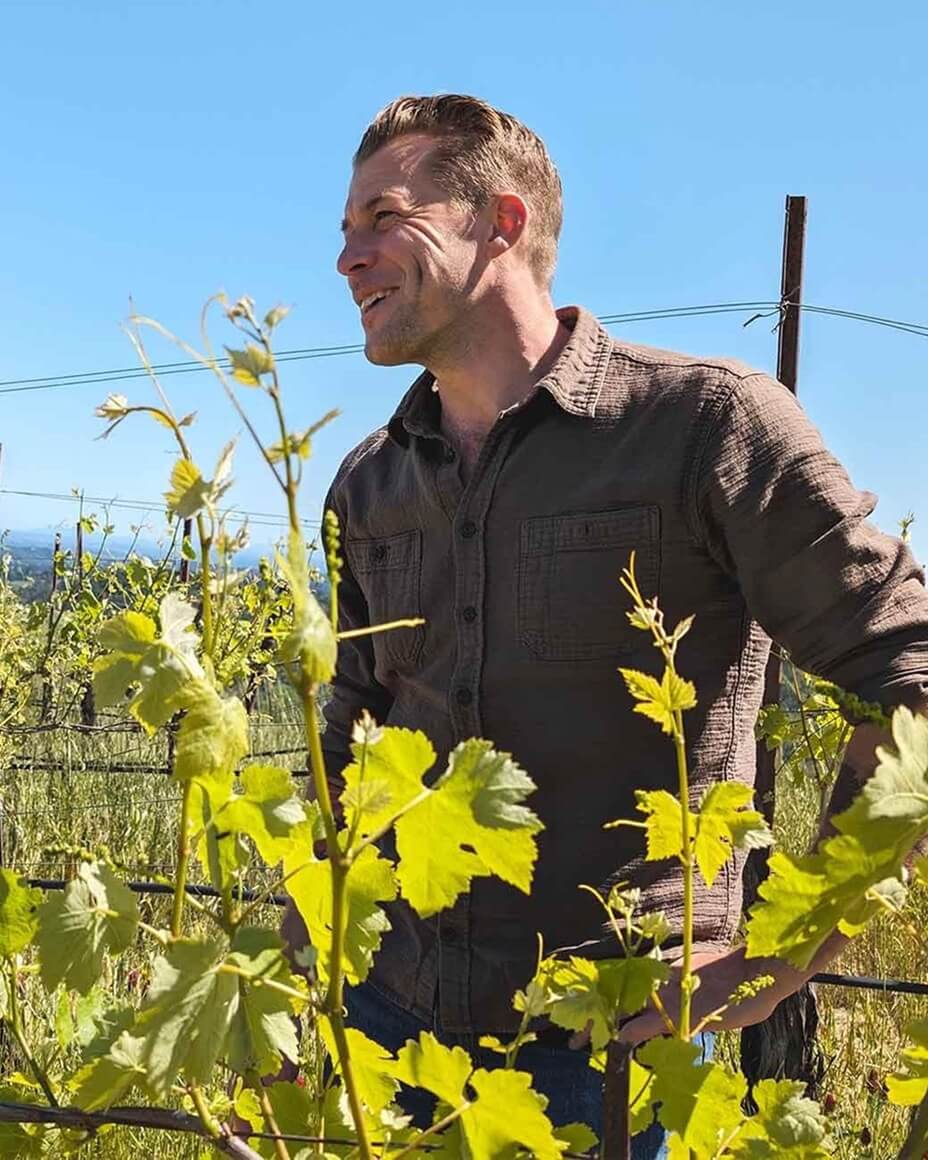
Since Idlewild founder, the Sonoma County native and fourth-generation winemaker Sam Bilbro, released his Timorasso in 2022—the first ever made outside of Italy—he has helped introduce a new generation to a grape that nearly disappeared in the 1980s.
Friends Only
San Francisco, CA
The concept
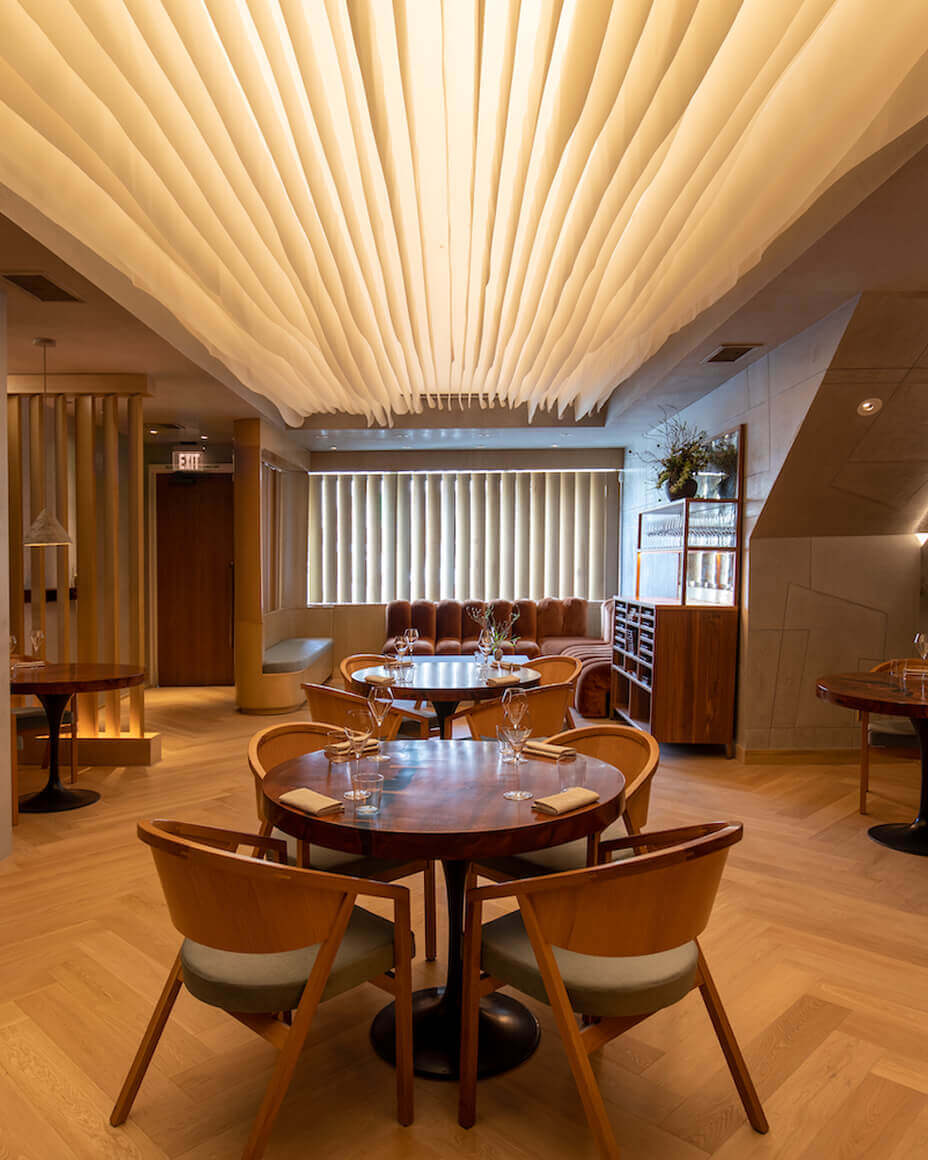
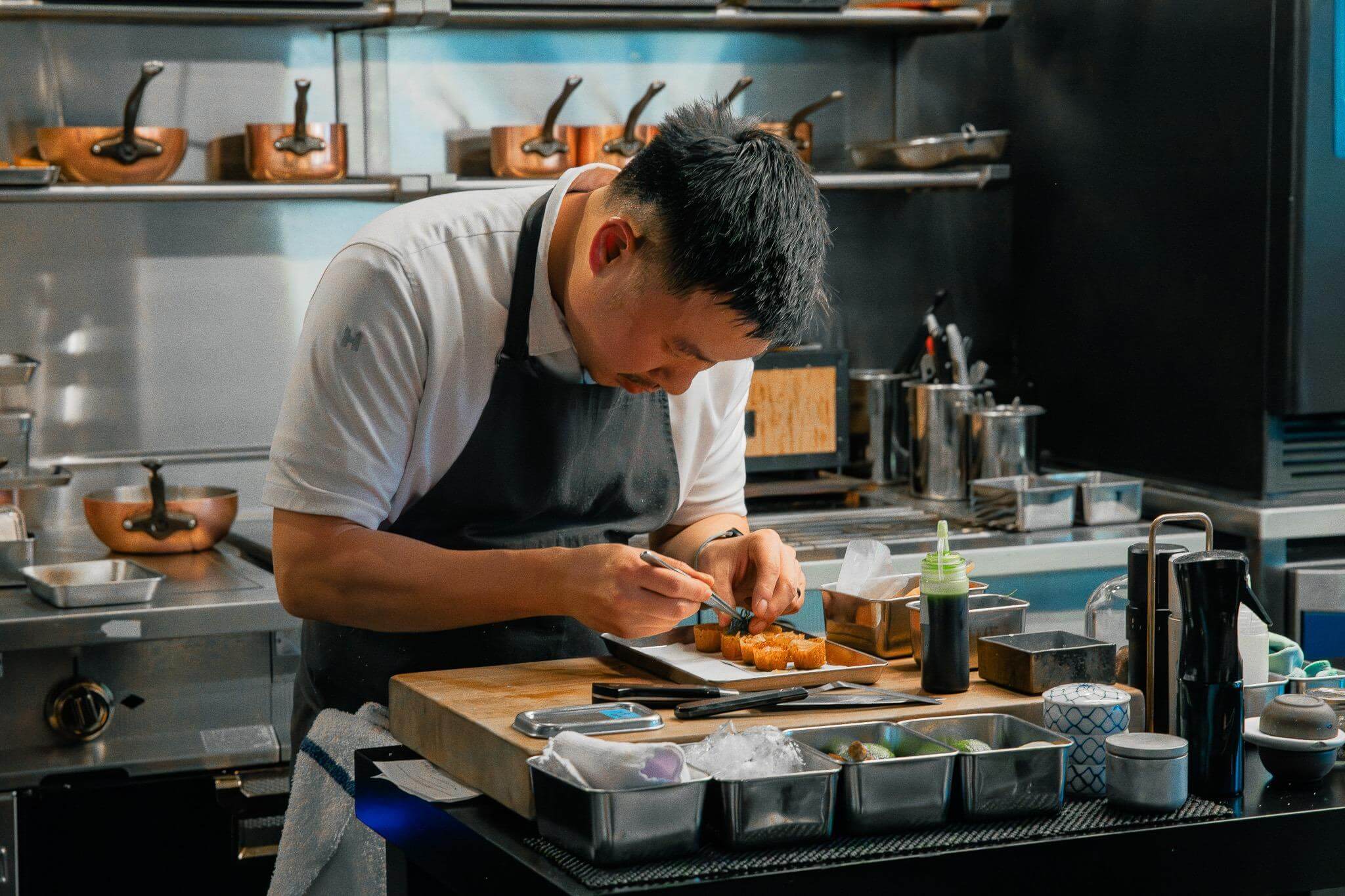
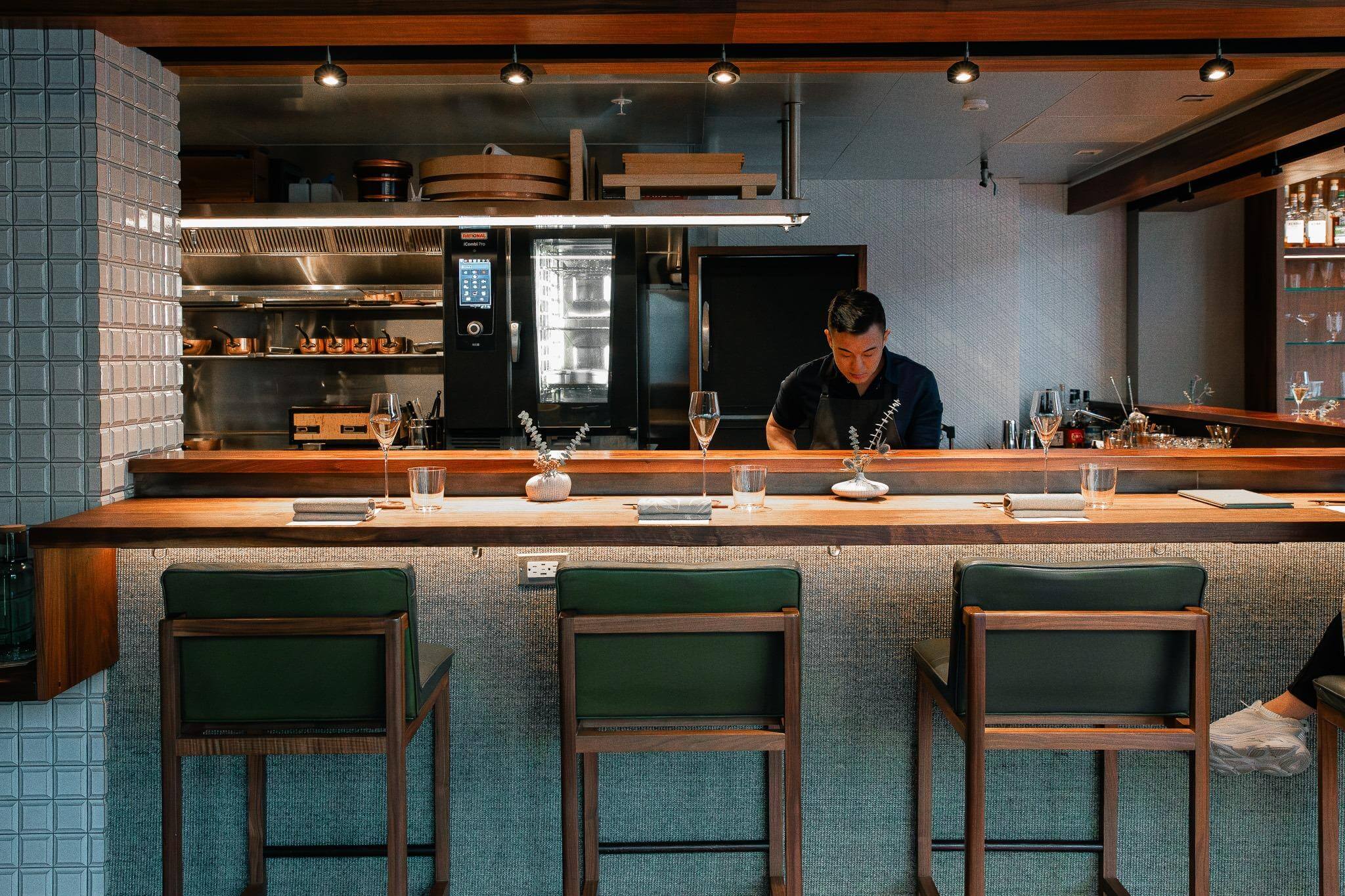
Chef Ray Lee opened Friends Only omakase counter to double as a research and development kitchen for sister restaurant Akikos, experimenting with dry-aging techniques for fish and testing out ideas for new dishes. There are just 10 spots at a custom walnut counter with two seatings each night. With a herringbone oak floor, leather upholstery, and etched porcelain wall panels, every detail is thoughtfully crafted.
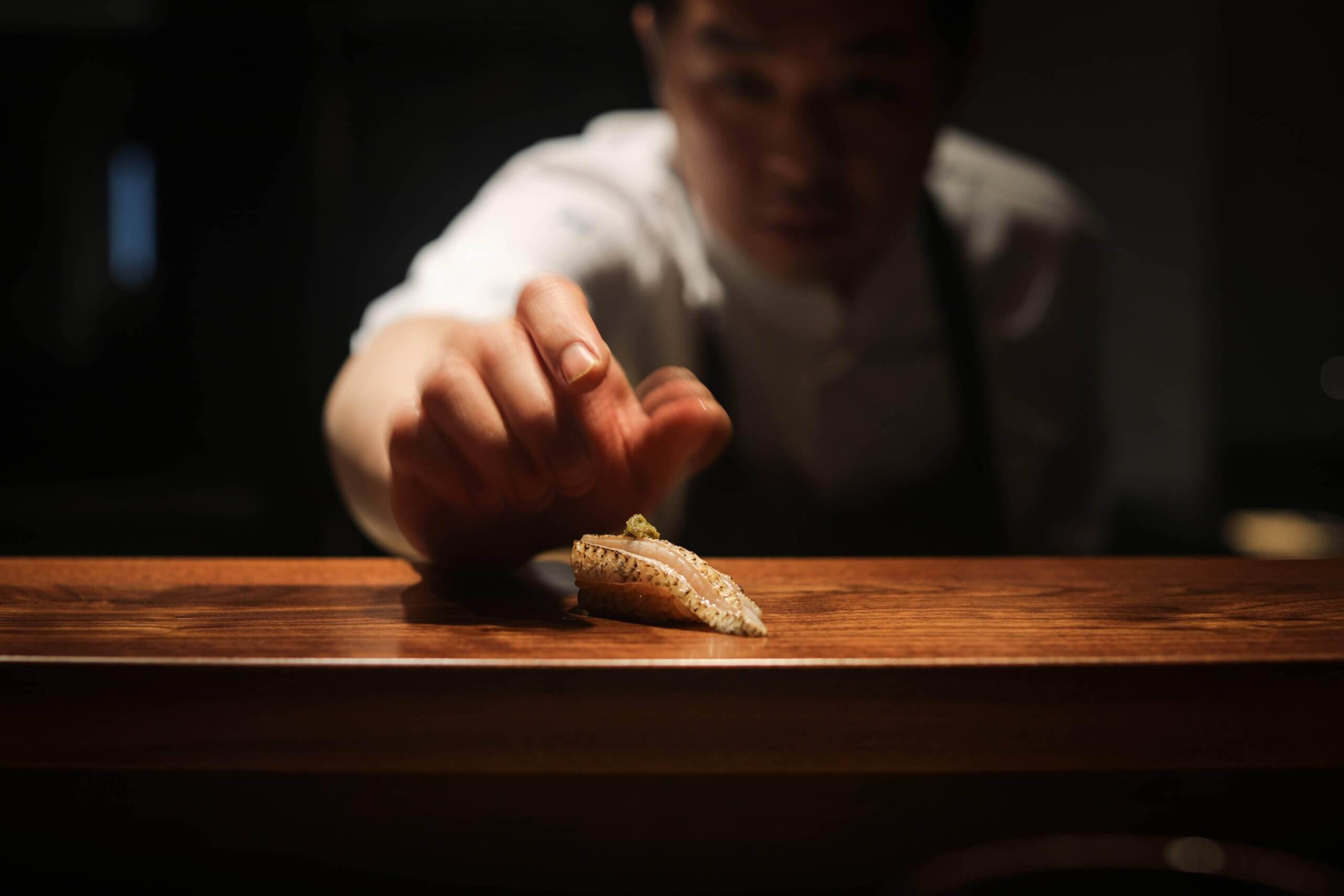
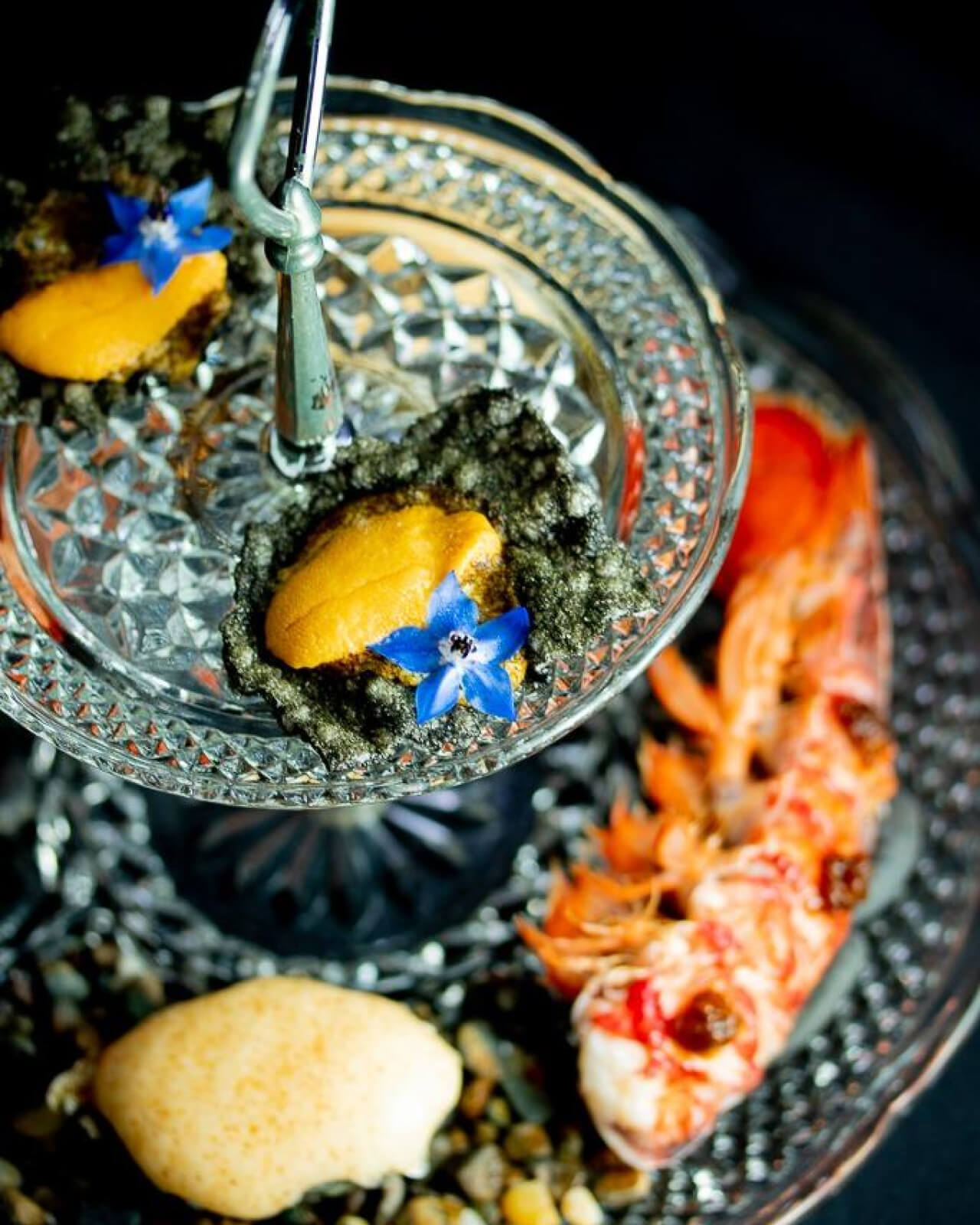
Expect up to 18 bites over three hours, many of which are likely to showcase different types of uni, or sea urchin. Canapés to begin might include caviar service on okonomiyaki or a wagyu jidori egg jam croustade. Sashimi, binchōtan charcoal-kissed bites, and seasonally flavored chawanmushi lead to the main event: nigiri. All the fish is dry-aged and there’s always a great hand-roll at the end, plus refreshing homemade ice cream for dessert.
For the impressive dry-aging techniques. It really sets Friends Only apart from other sushi counters, coaxing a more tender texture and deeper umami flavors. Who knew bluefin tuna belly could melt in your mouth like a stick of fish butter?

Kiln
San Francisco, CA
The name
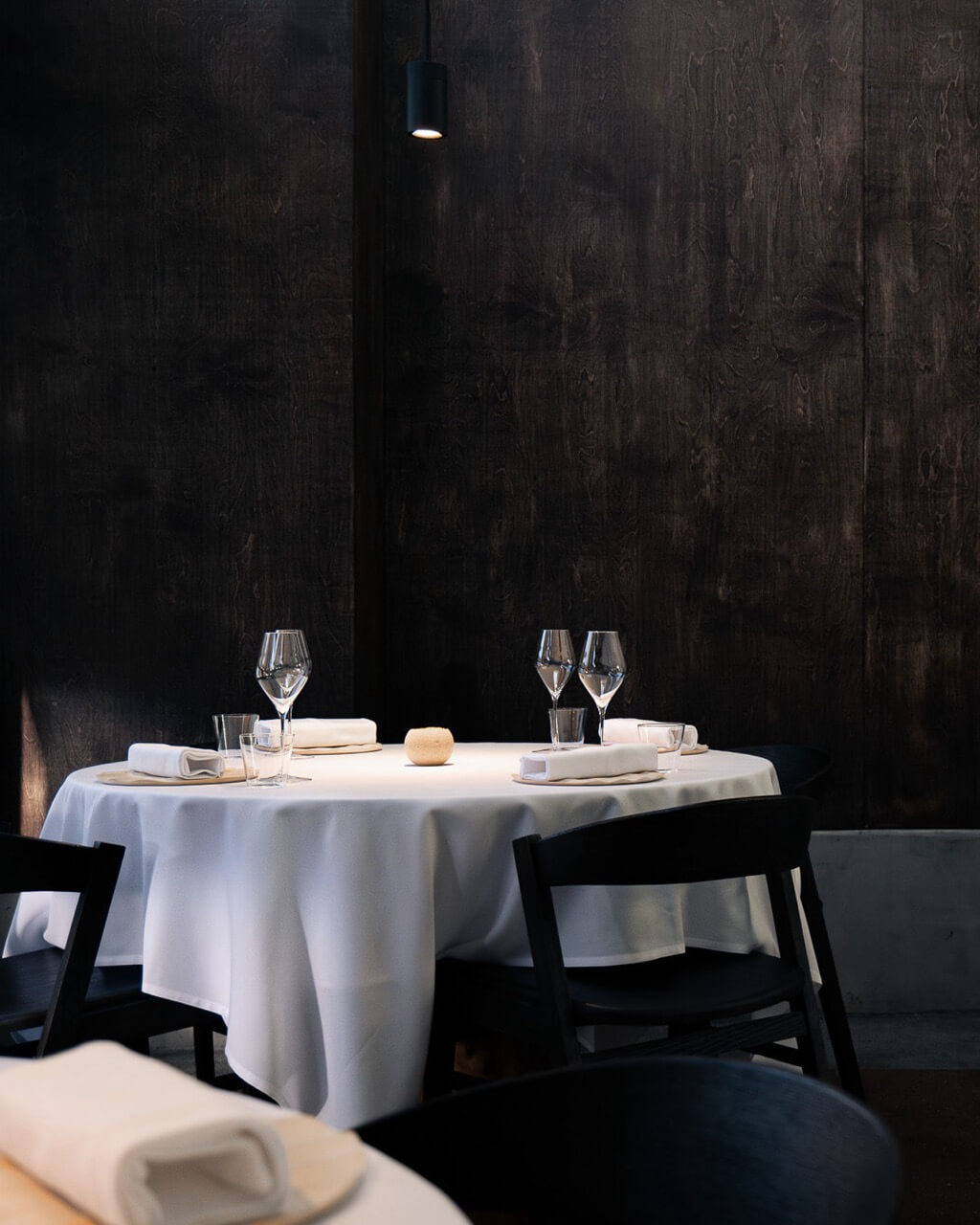
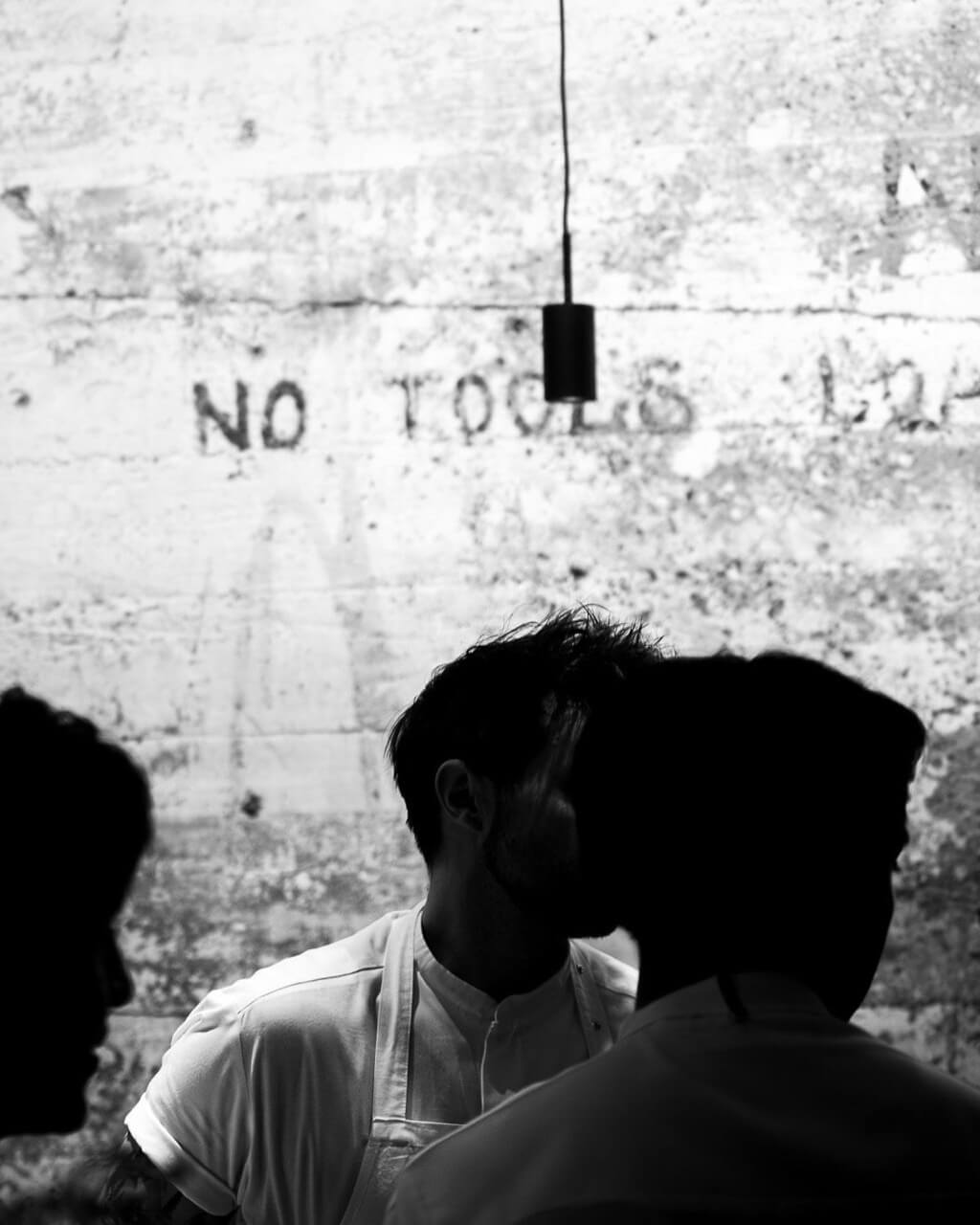
With pure intense heat, a kiln changes raw materials while retaining their essential soul. That’s what makes San Francisco’s Kiln special: the sum of its parts—from staff to dishes to decor—metaphorically passes through the kiln each night to create a magical experience. “When something gets fired into a kiln, it transforms,’ co-owner John Wesley told Eater SF. ‘In a restaurant setting, that’s applied to food and, hopefully, guests, but also staff. People that come in and spend time here should leave different than when they came in.'”
Two Bay Area natives—Chef John Wesley and Julianna Yang—forged their partnership while working at the Michelin-starred Sons & Daughters. The intuitive passion for hospitality of these kindred spirits led them to receive a Michelin star of their own for their nightly 18- to 20-course meal.
It’s all about dramatic simplicity and intentionally stark ambiance. Sure, the overhead lights make it hard to snap social shots, but that’s the point. “We don’t cook food for social media. We cook for our guests,” Wesley tells us. This philosophy shines through their carefully sourced ingredients prepared with Japanese, Scandinavian, and French techniques. As Wesley notes, everything on the plate serves a purpose.
Lazy Bear
San Francisco, CA
Origin
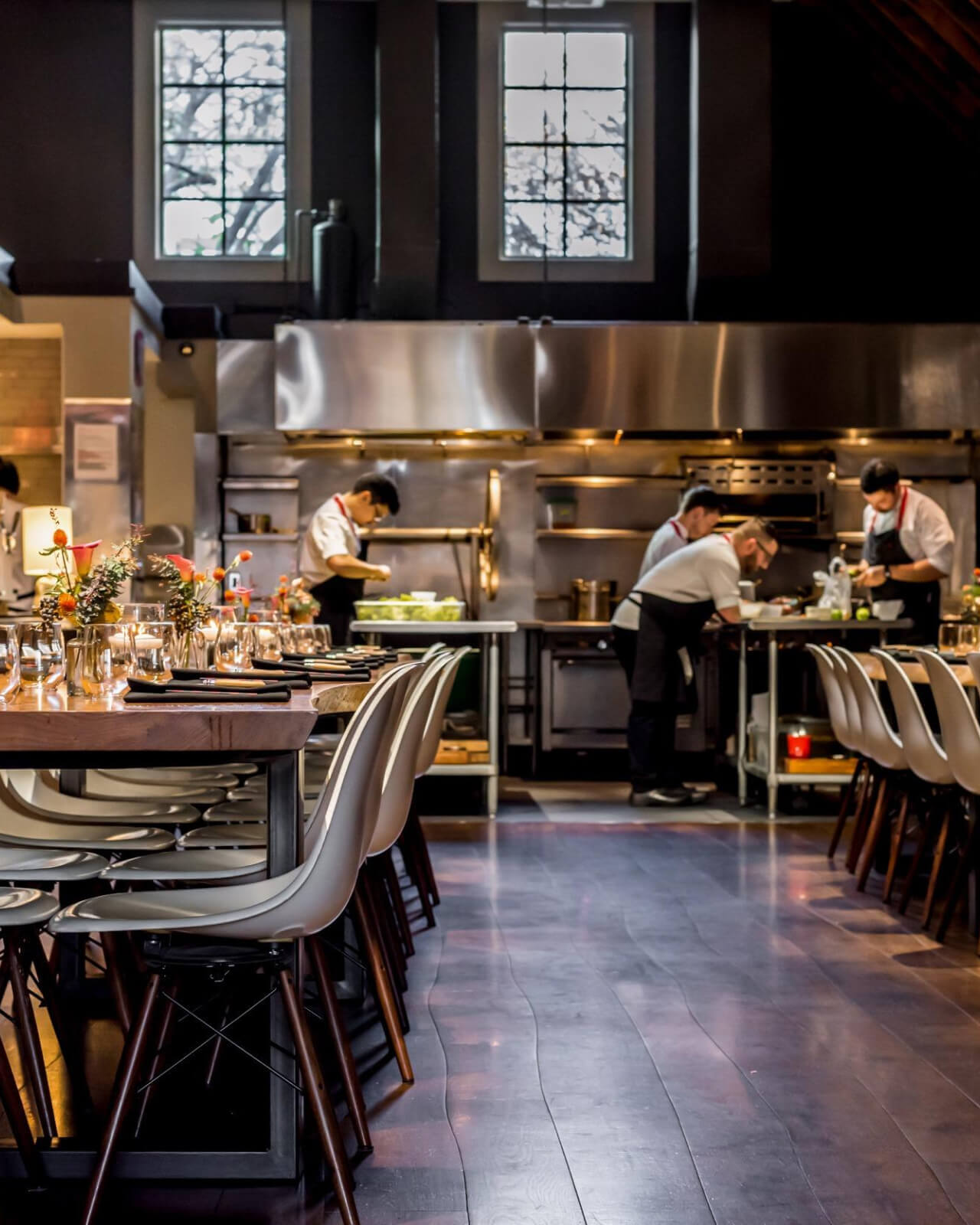
After being laid off from a law firm in 2009, David Barzelay began hosting elaborate dinner parties out of his San Francisco apartment. The underground operation quickly gained notoriety and eventually moved into a covert warehouse to accommodate growing demand. In 2014, Barzelay secured a permanent location in the Mission District, where he built an open kitchen and placed two long elm tables in the dining room to maintain a dinner party ethos. One year in and Lazy Bear earned its first Michelin star.
Lazy Bear recently marked a decade in the Mission by reimagining their space and approach to service. Gone is the communal model, replaced by individual tables. “We wanted to make it more refined, more luxurious, but still express the sense of fun that I think we bring to dining experiences,” Barzelay tells Eater. Billed as “the most fun fine dining experience in fine dining,” Lazy Bear has managed to evolve without sacrificing what made the restaurant so special in the first place: the shared connection between diners, chefs, and the service team. That is the magic of Lazy Bear.
For the palpable sense of place. Through fresh velvet horn seaweed, foraged onion blossoms, wild conifers, and button chanterelles, the Bay Area comes to life.