By Design
We eat—and drink—with our eyes first, a notion these restaurants and wineries take to heart through their immersive designs. In these environments, we might feel like we’re floating above ground while we nibble appetizers or that we’ve been absorbed by a massive art installation that doubles as a tasting room—all in service of crafting a delicious, hospitable experience we’ll never forget.
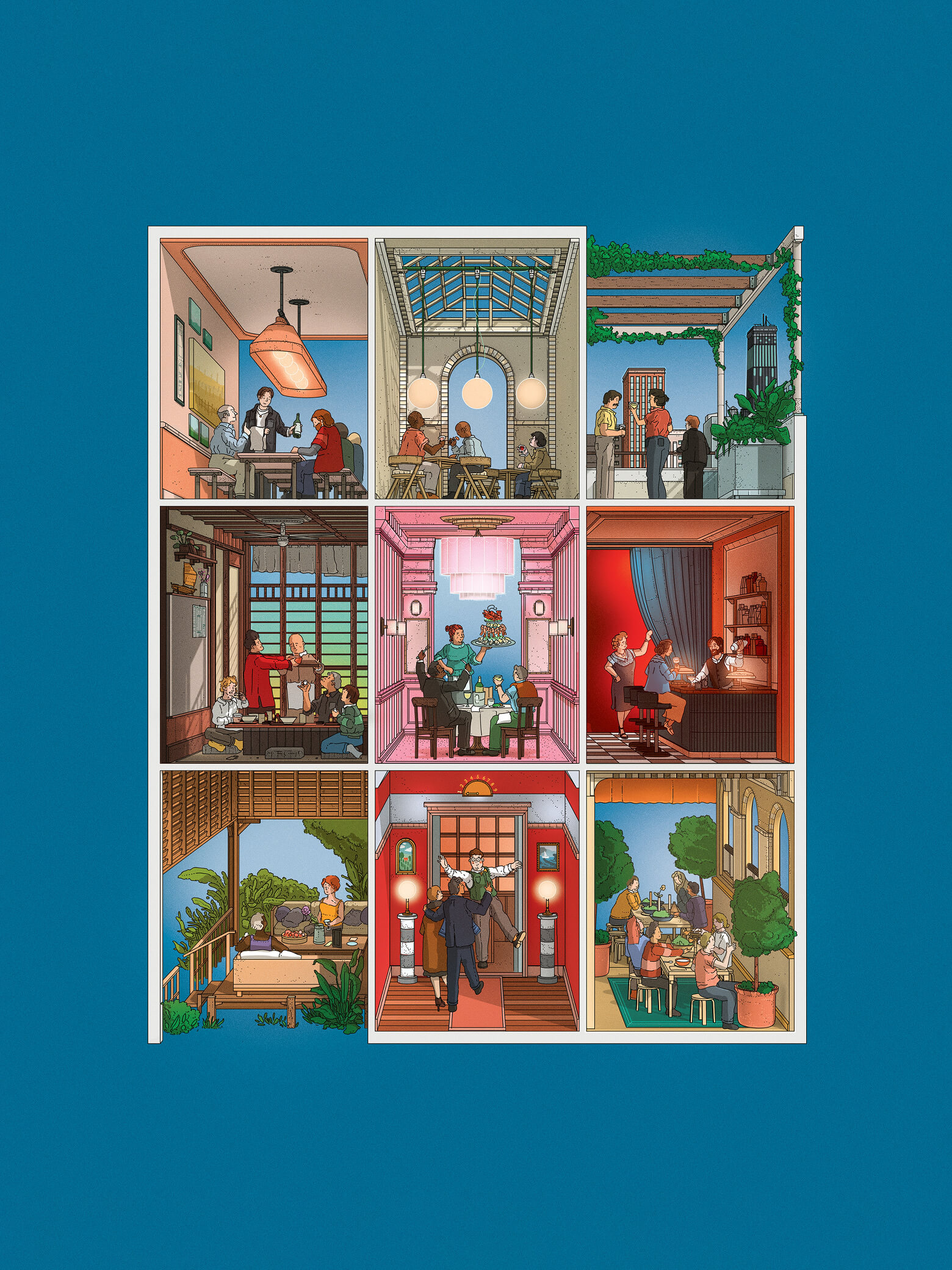
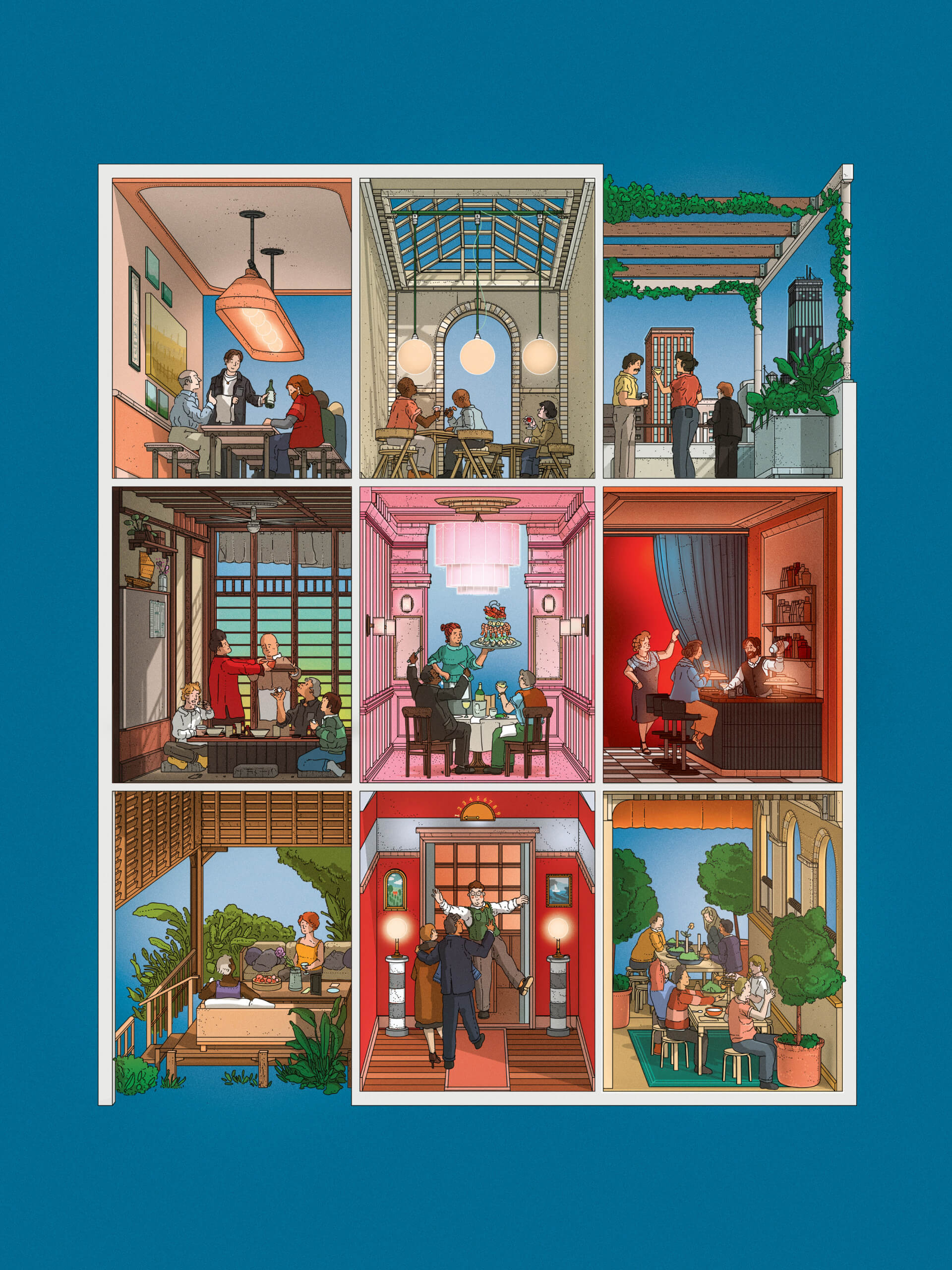
We eat—and drink—with our eyes first, a notion these restaurants and wineries take to heart through their immersive designs. In these environments, we might feel like we’re floating above ground while we nibble appetizers or that we’ve been absorbed by a massive art installation that doubles as a tasting room—all in service of crafting a delicious, hospitable experience we’ll never forget.
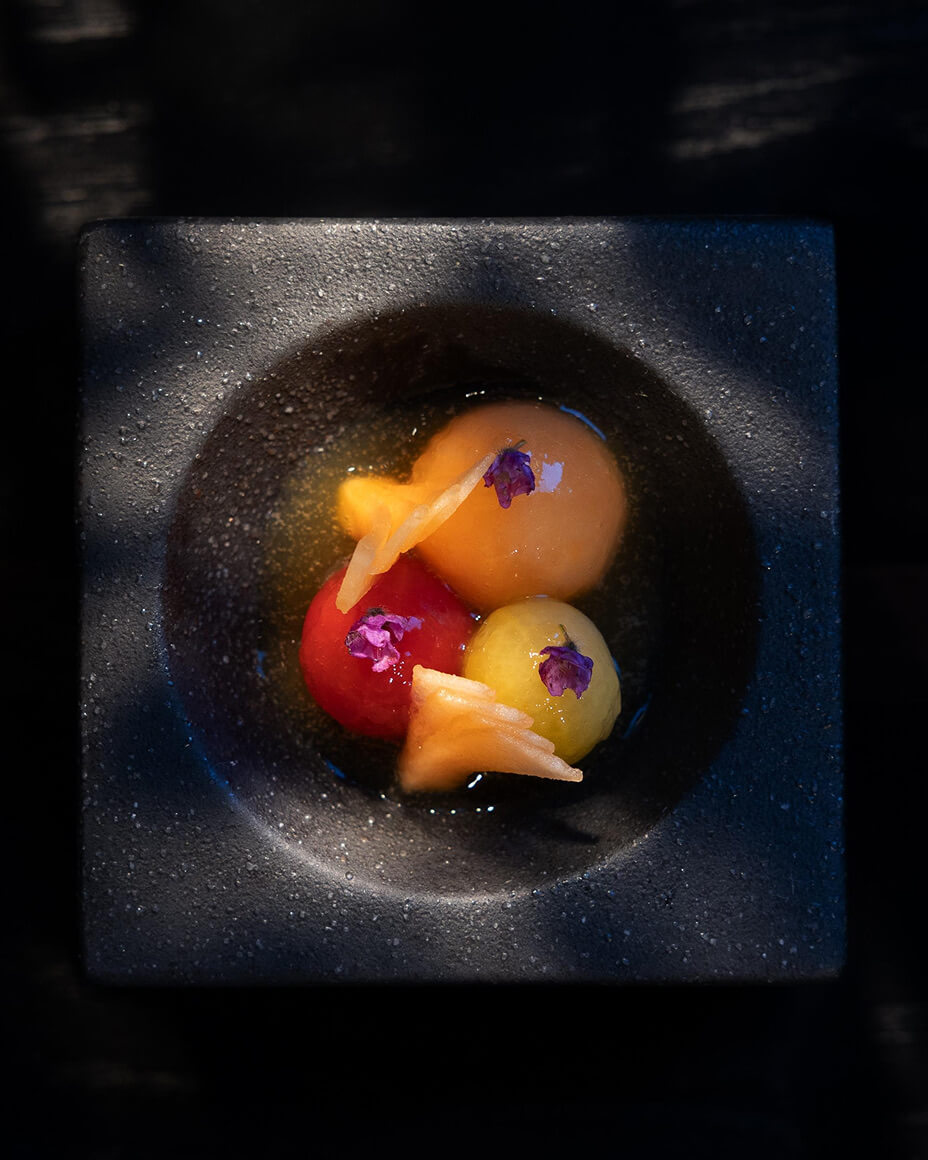
n/naka
Los Angeles, CA
The design
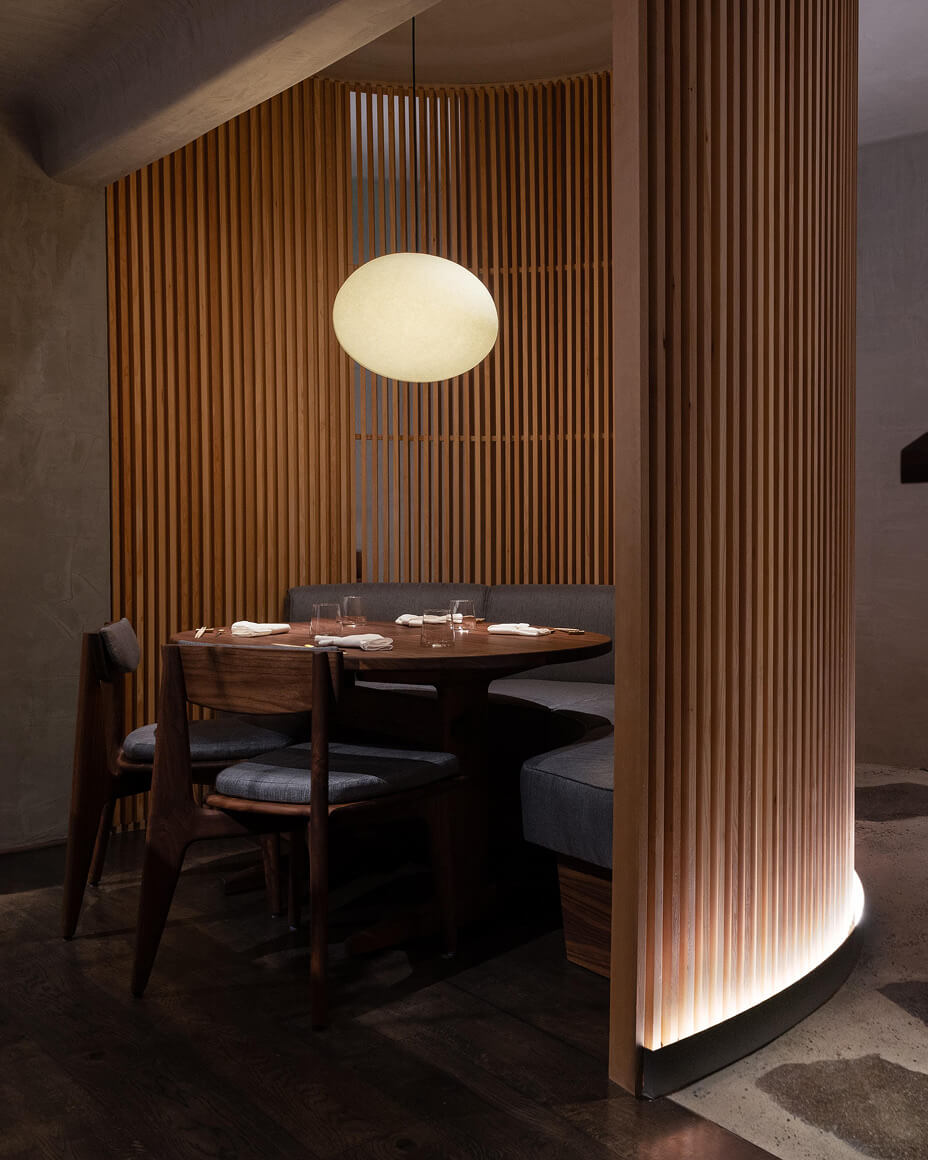
Fourteen years after opening, the pioneering California kaiseki restaurant from Chef Niki Nakayama and partner Carole Iida-Nakayama remains at the forefront of global fine dining—thanks as much to the evolution of its artistry as to the consistency of its execution and service. In 2024, the restaurant underwent its first major design overhaul since opening, which revealed a surer sense of self and softened some harder edges—not unlike what comes with the wisdom of age. Starting at the entryway, a soothing slate palette and subtle details recall a traditional Japanese tearoom. Guests follow a minimalist tobi-ishi–style path into the dining room, where an installation of slender wooden slats frames a circular banquette. Minoru Oyamatsu of Oyamatsu Design Studio and builder Beau Laughlin of Framework oversaw the redesign, which also features gray shikkui lime plaster wall coverings for a softening effect, a wooden slat wall installation, textured wallpaper accents, and handsome walnut furniture by Mano Ya, the artistic collaboration between Zen Sekizawa and Mario Correa.
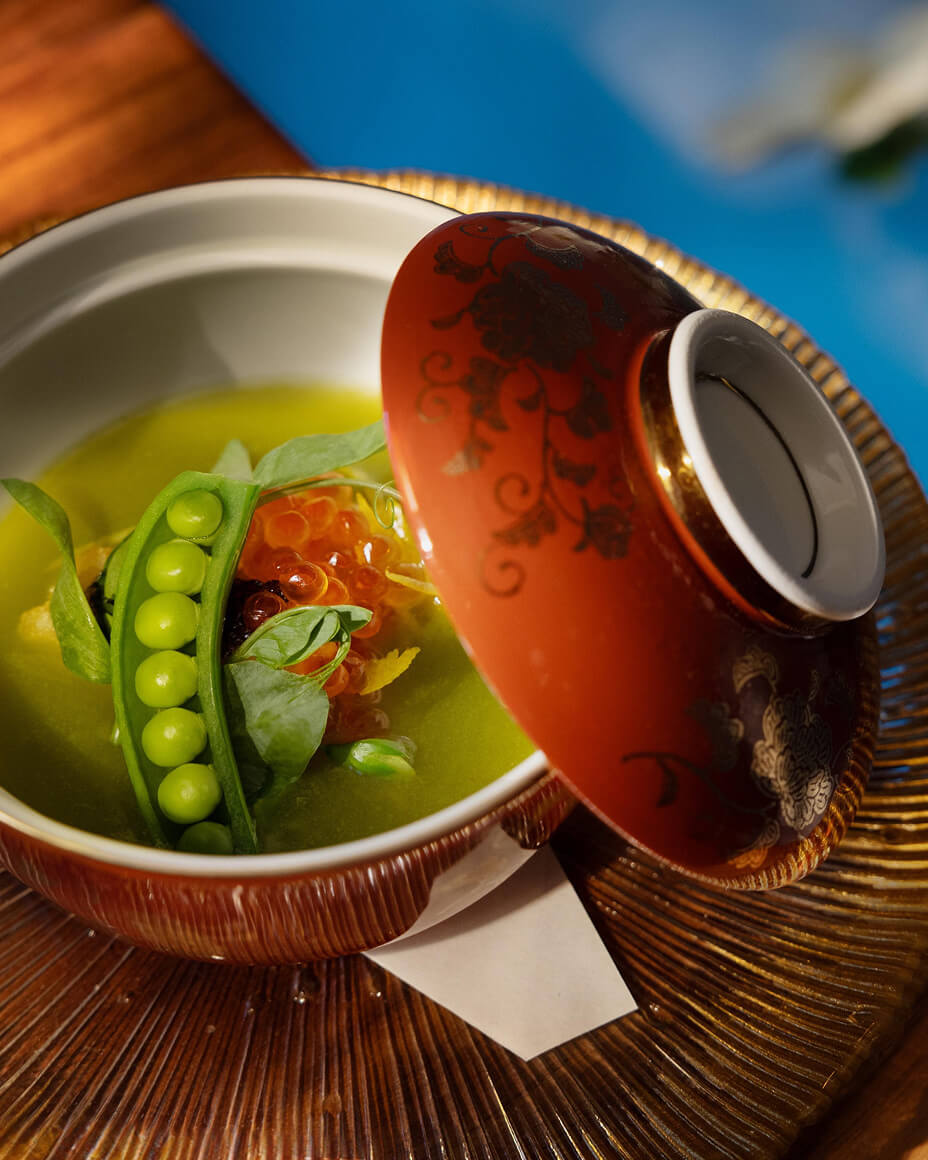
The restaurant has been quietly overhauling its two-MICHELIN–Starred menu to source as much as possible from its home state, deepening its identity as a Japanese restaurant with feet firmly rooted in California soil and sea. The tale unfolds across 13 intricate, seasonal courses in carnivorous and vegetarian formats that seamlessly flow between traditional and inventive bites.
Creatively important as ever, n/naka remains a place to let the world outside go and retrain our focus on the moment we’re in and the invigoratingly delicious beauty around us.
The Donum Estate
Sonoma, CA
The design
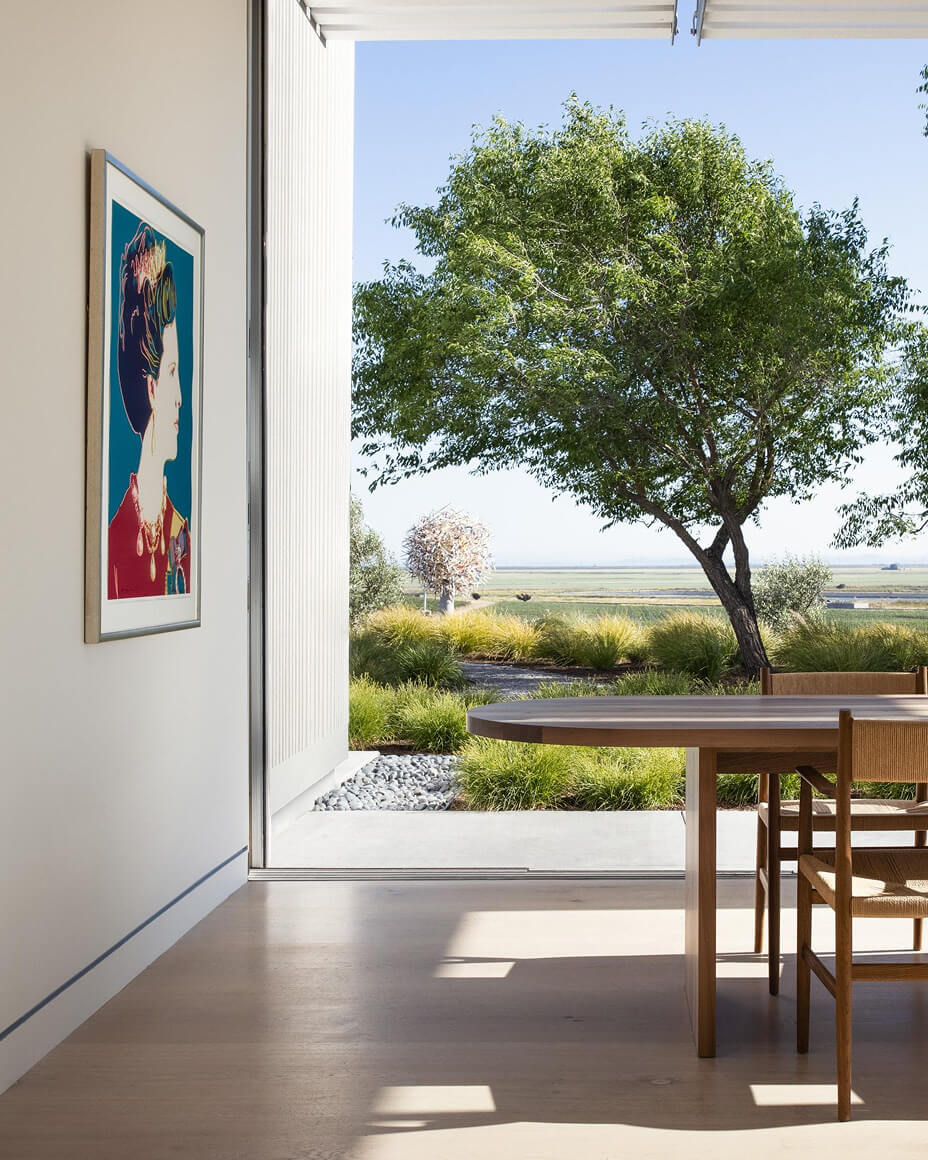
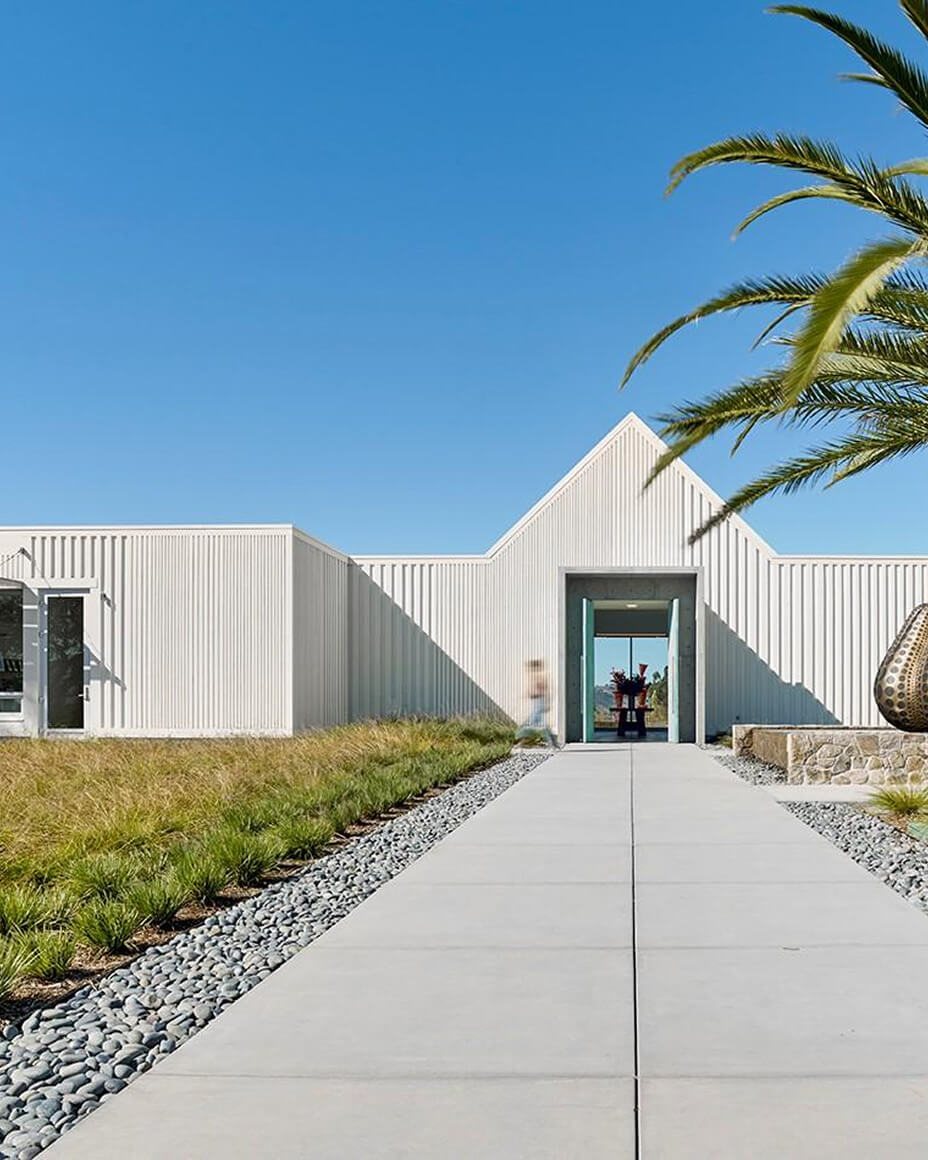
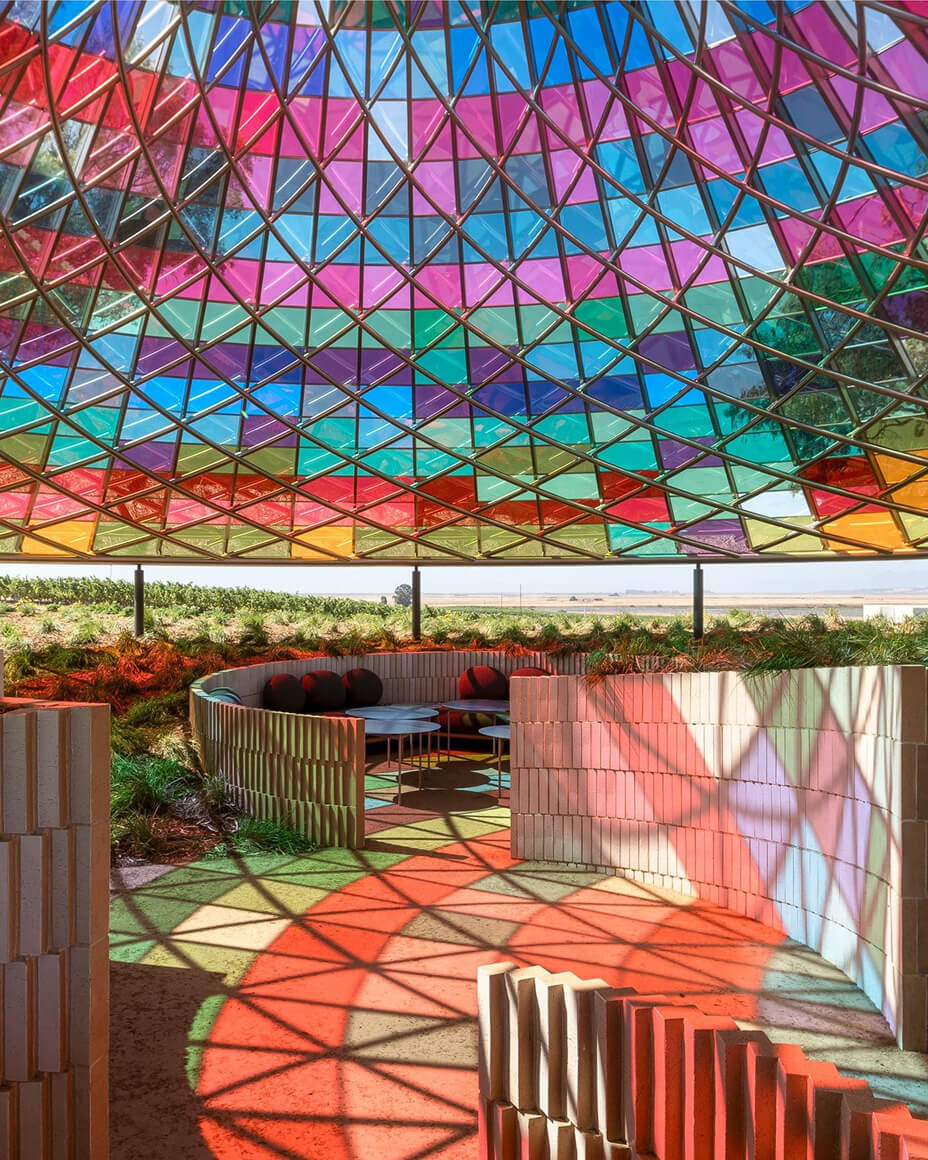
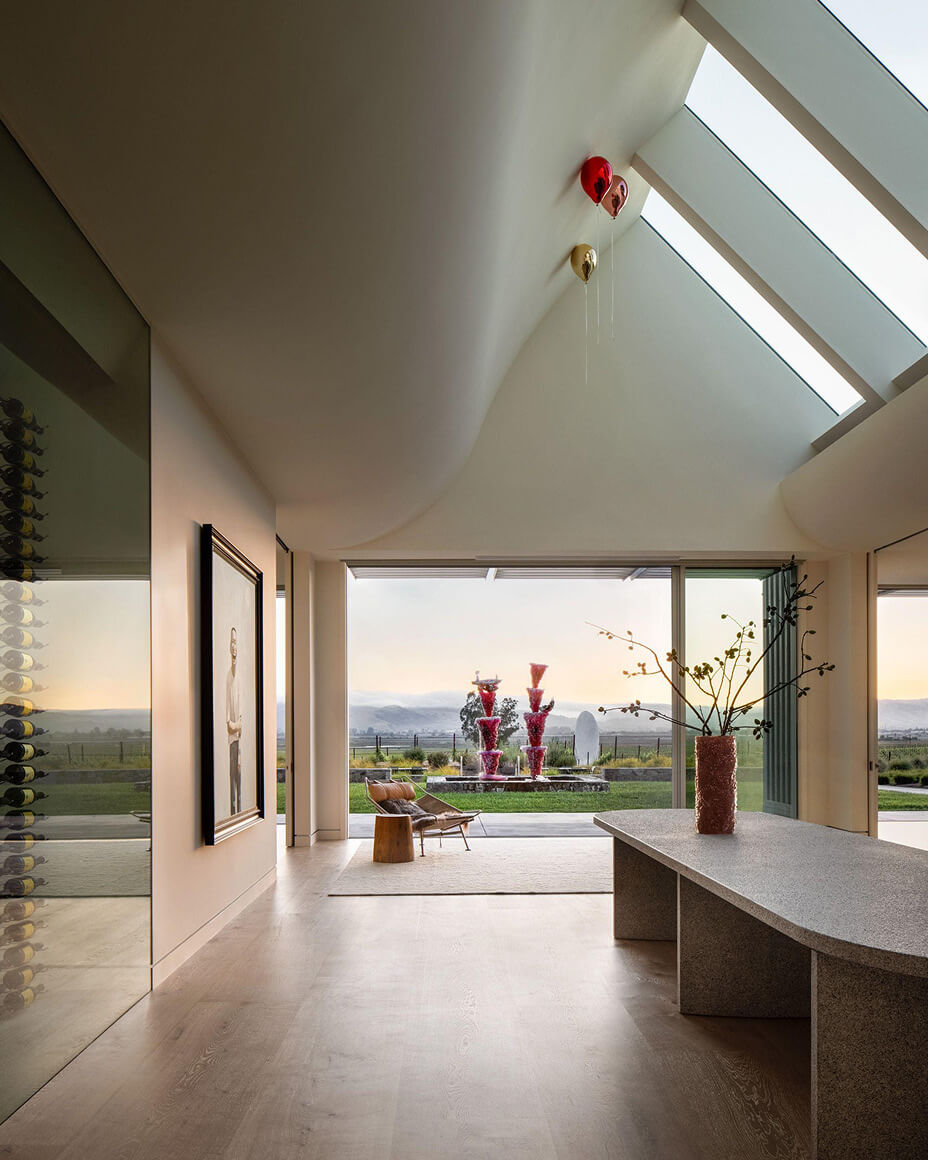
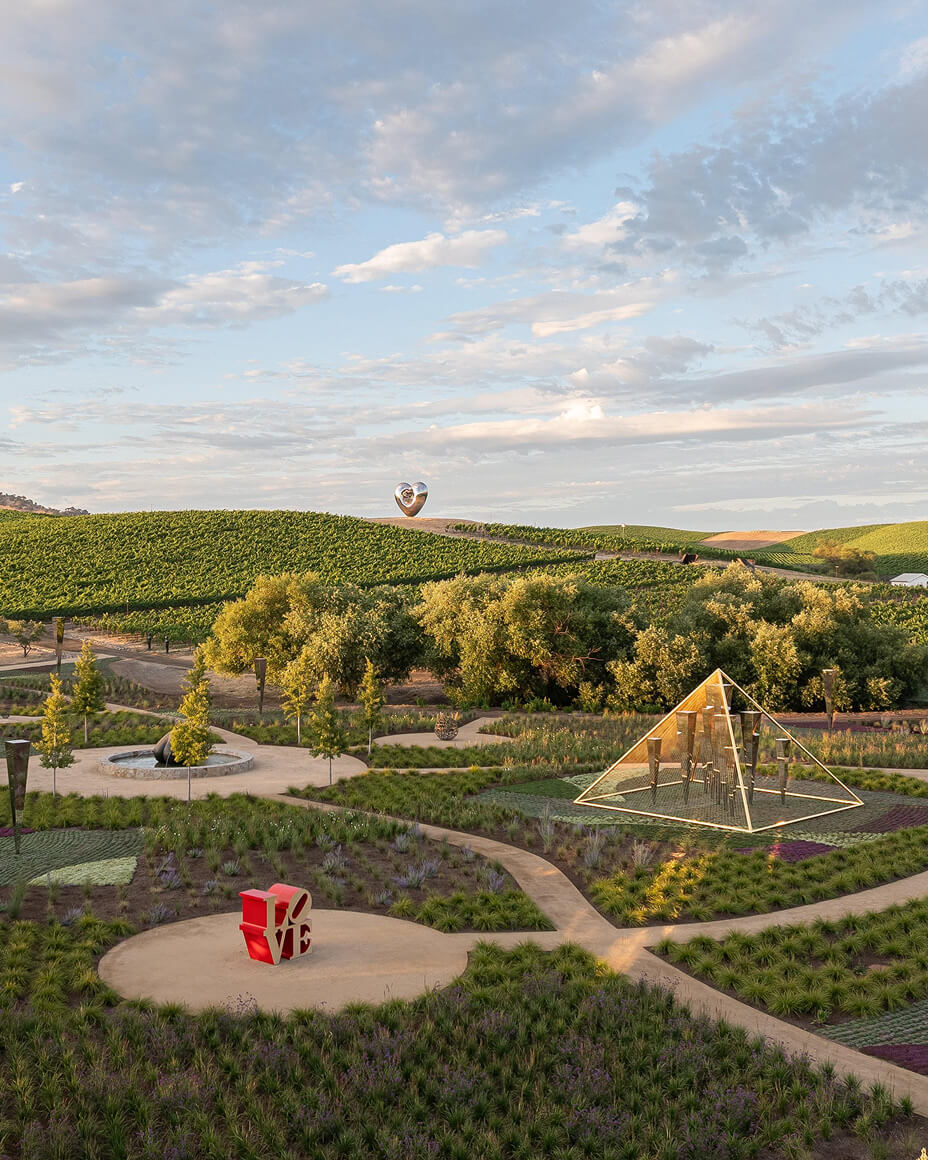
Nestled in the acclaimed wine region of Carneros between Sonoma and Napa counties, this quarter-century-old winery has always sought to balance complex, terroir-driven wines, regenerative organic farming, and fine art. The latter’s proverbial heart unfurls across more than 60 monumental outdoor sculptures integrated throughout Mei and Allan Warburg’s 200-acre estate. The owners’ evolving collection dates back to 2011 and represents a community of artists from 18 nations across six continents, including Subodh Gupta, Louise Bourgeois, and Ai Weiwei. Of course, natural beauty factors mightily into the Donum experience, too, reflected in the minimalist Scandinavian redesign and expansion of its hospitality center, which Danish architect David Thulstrup completed in 2022. Thulstrup added three tasting rooms with expansive windows gazing out at southern Sonoma’s undulating hills. The judicious use of light wood and a mix of midcentury and modern accents creates serene and inviting spaces. Unsurprisingly, impressive artworks accent the interior too, including a site-specific piece by Jeppe Hein featuring three mirrored balloons that gently sway in the wind, creating subtle tricks with the light.
Winemaker Dan Fishman’s portfolio of Pinot Noirs and Chardonnays displays a concentration of flavor and vibrancy that derives from the land in which they are grown. All Donum wines are made with organically grown grapes. Among the tasting options, the Discover experience includes a tour of the culinary gardens and working farm, plus a sampling of wines alongside seasonal canapés made from estate-sourced ingredients.
It’s not every day one can sip superb, single-appellation Pinot Noir while traipsing among one of the largest accessible private sculpture collections on the planet.
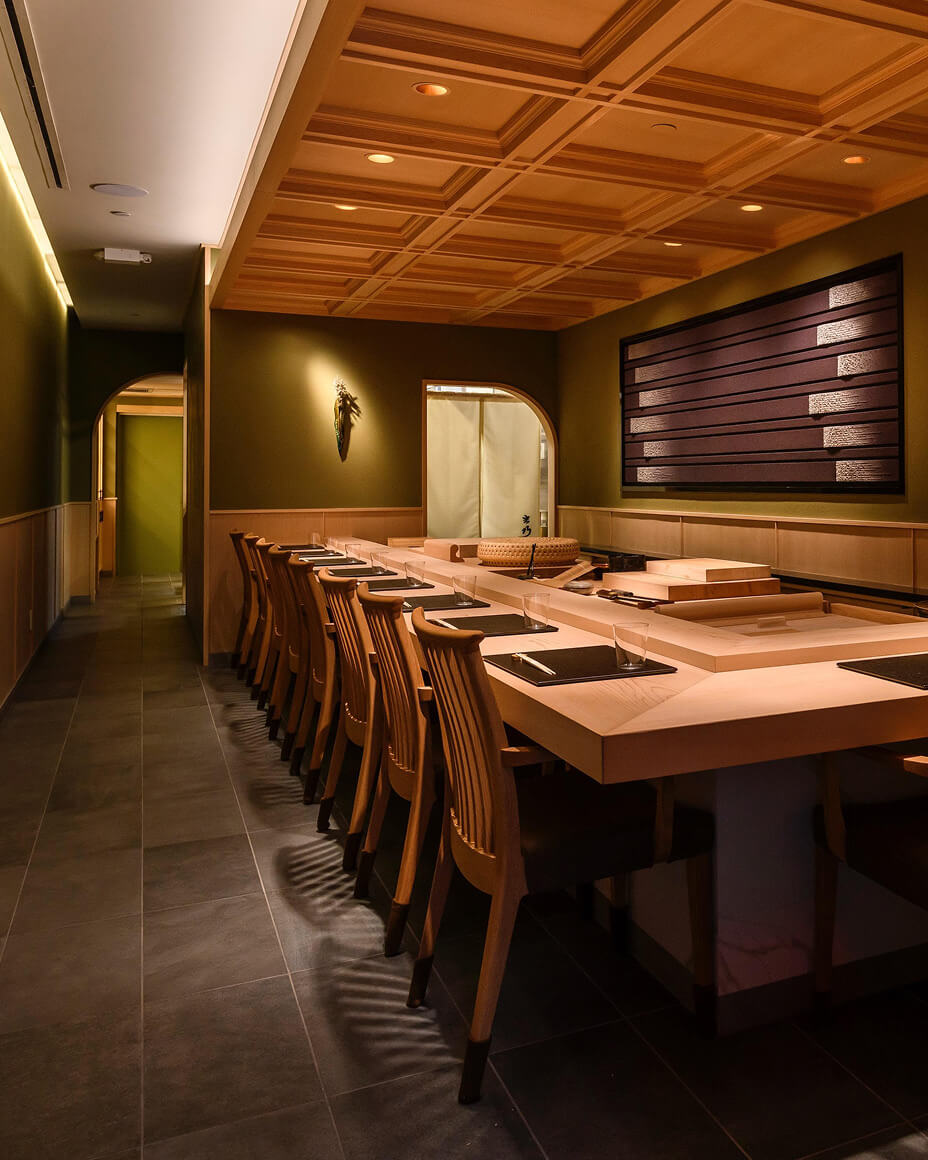
Photo by Eric Medsker
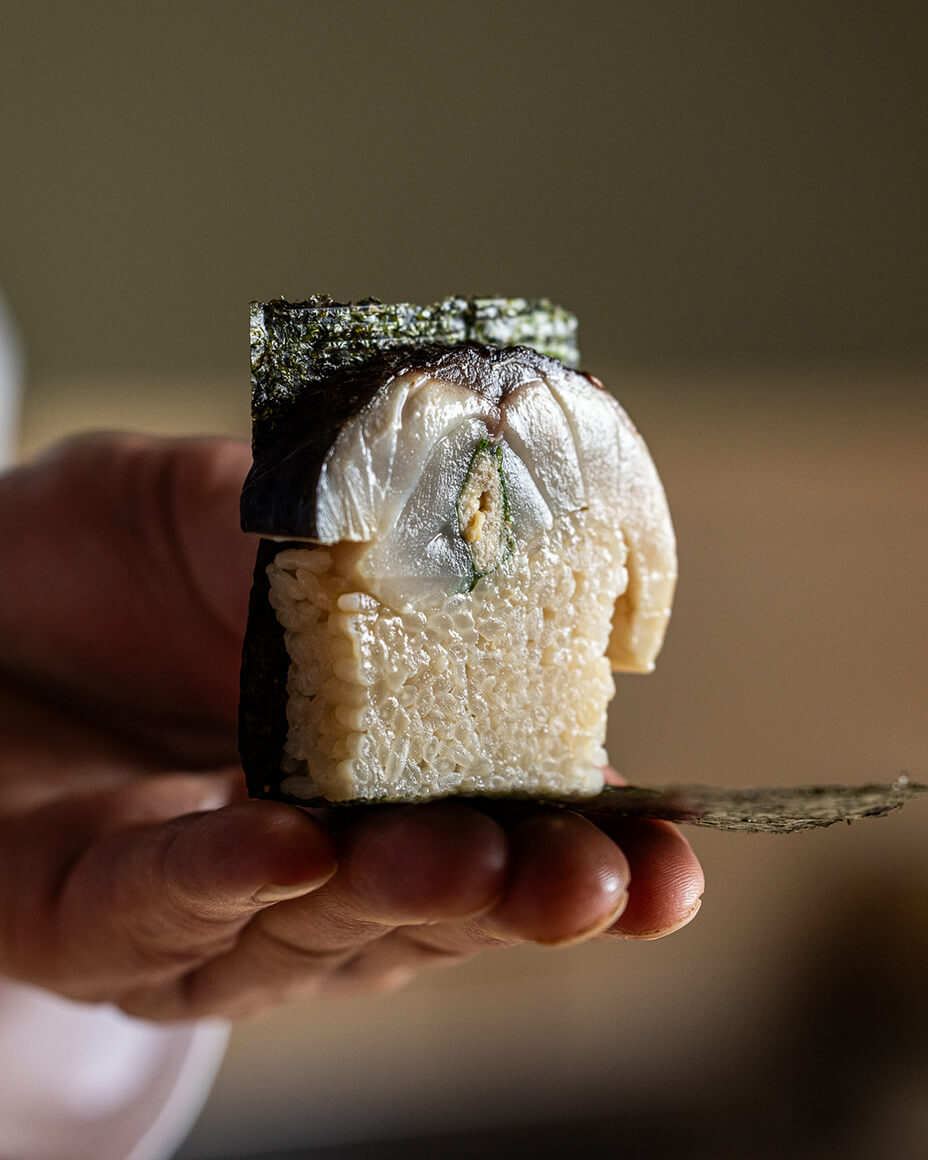
Photo by Eric Medsker
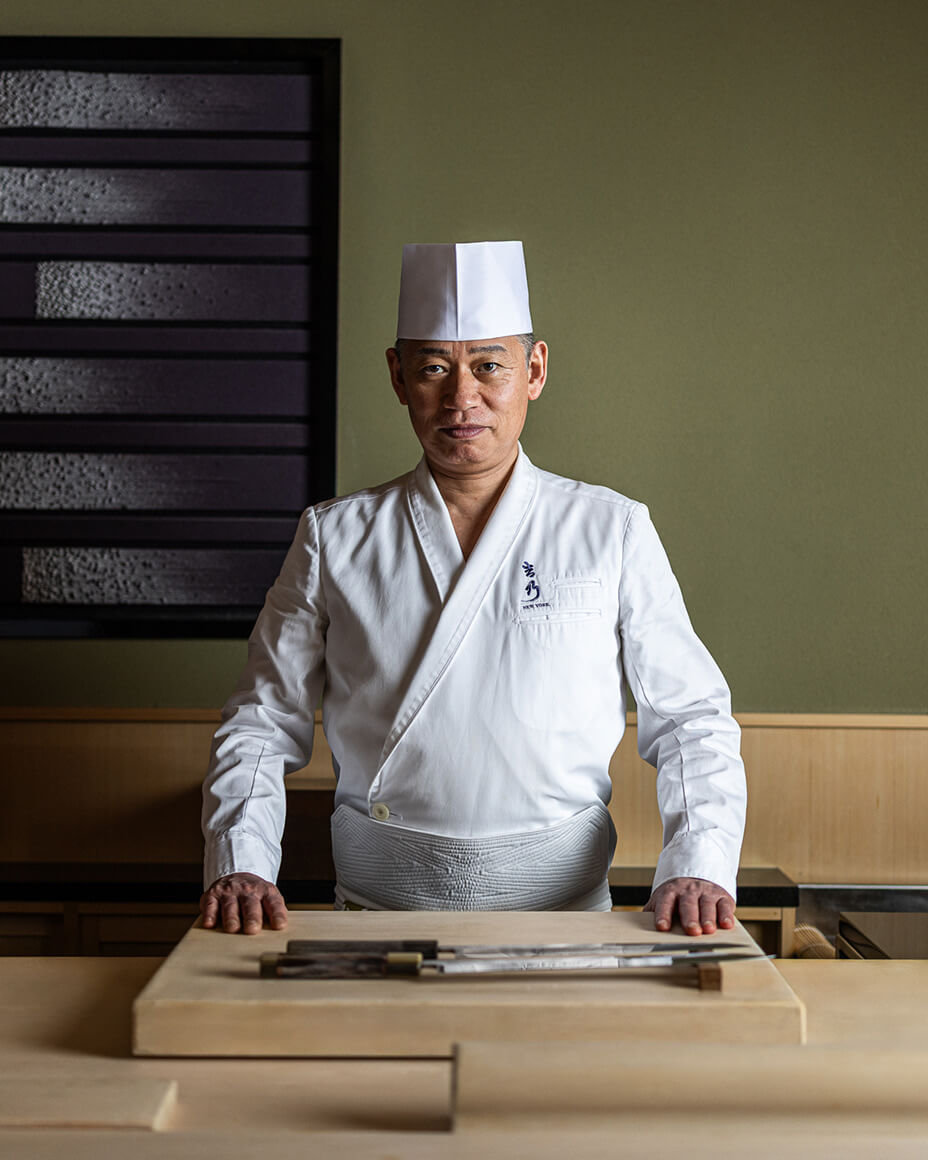
Photo by Eric Medsker
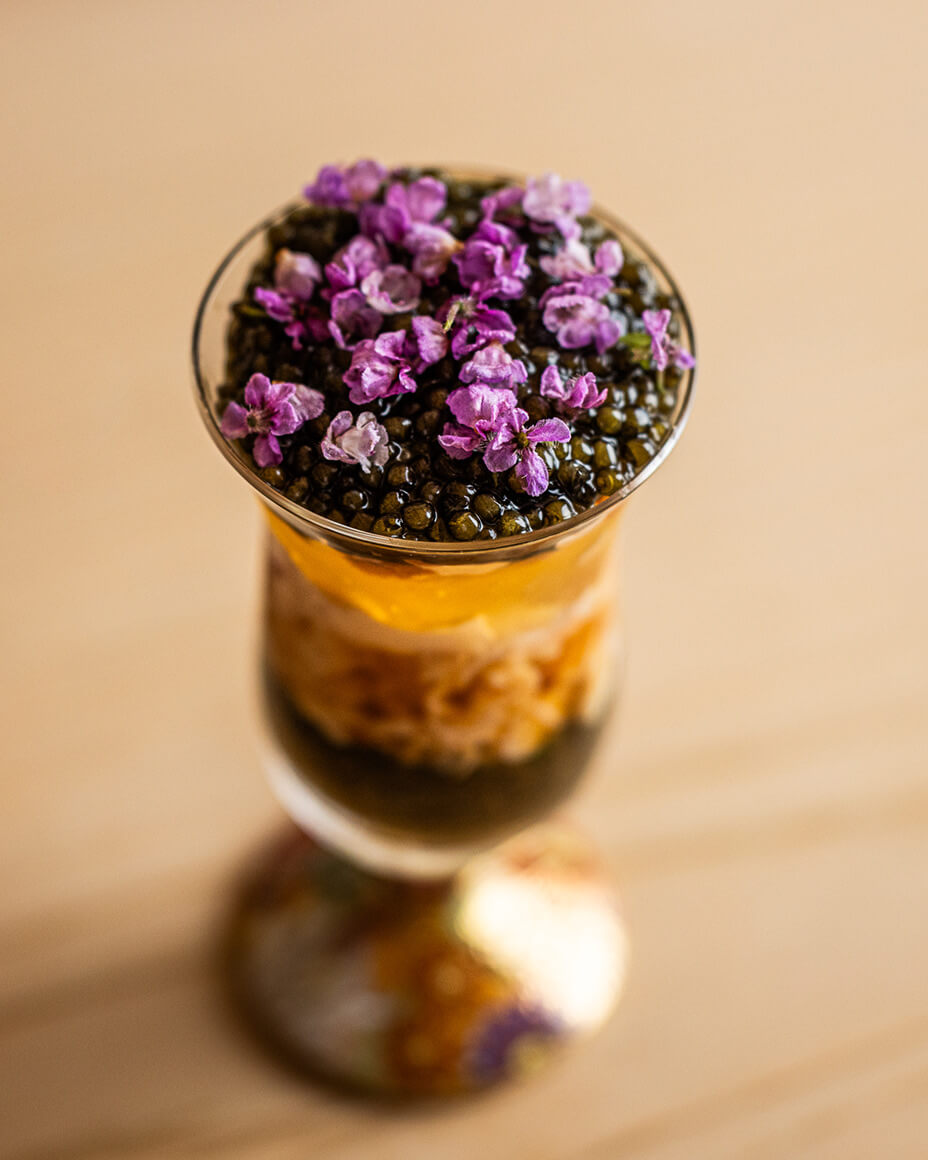
Photo by Eric Medsker
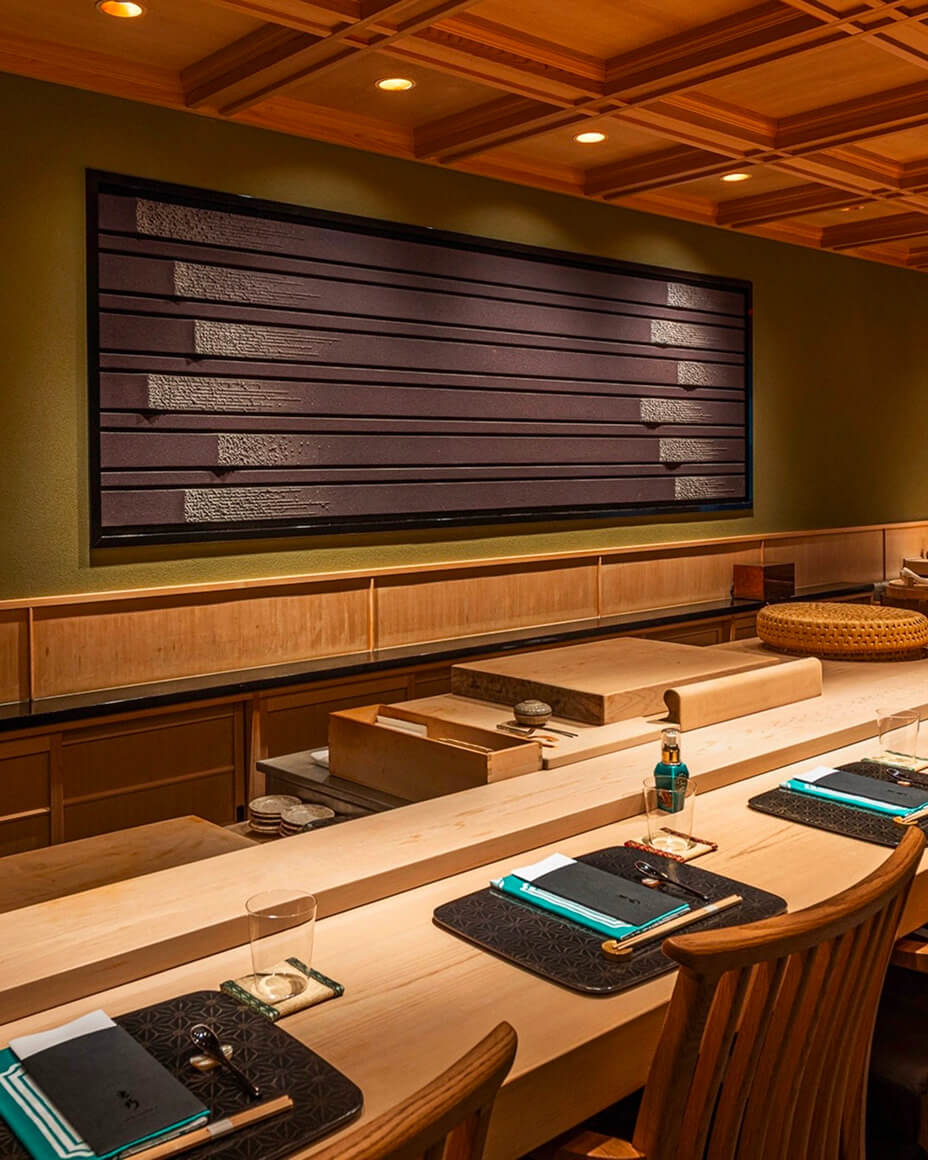
Photo by Eric Medsker
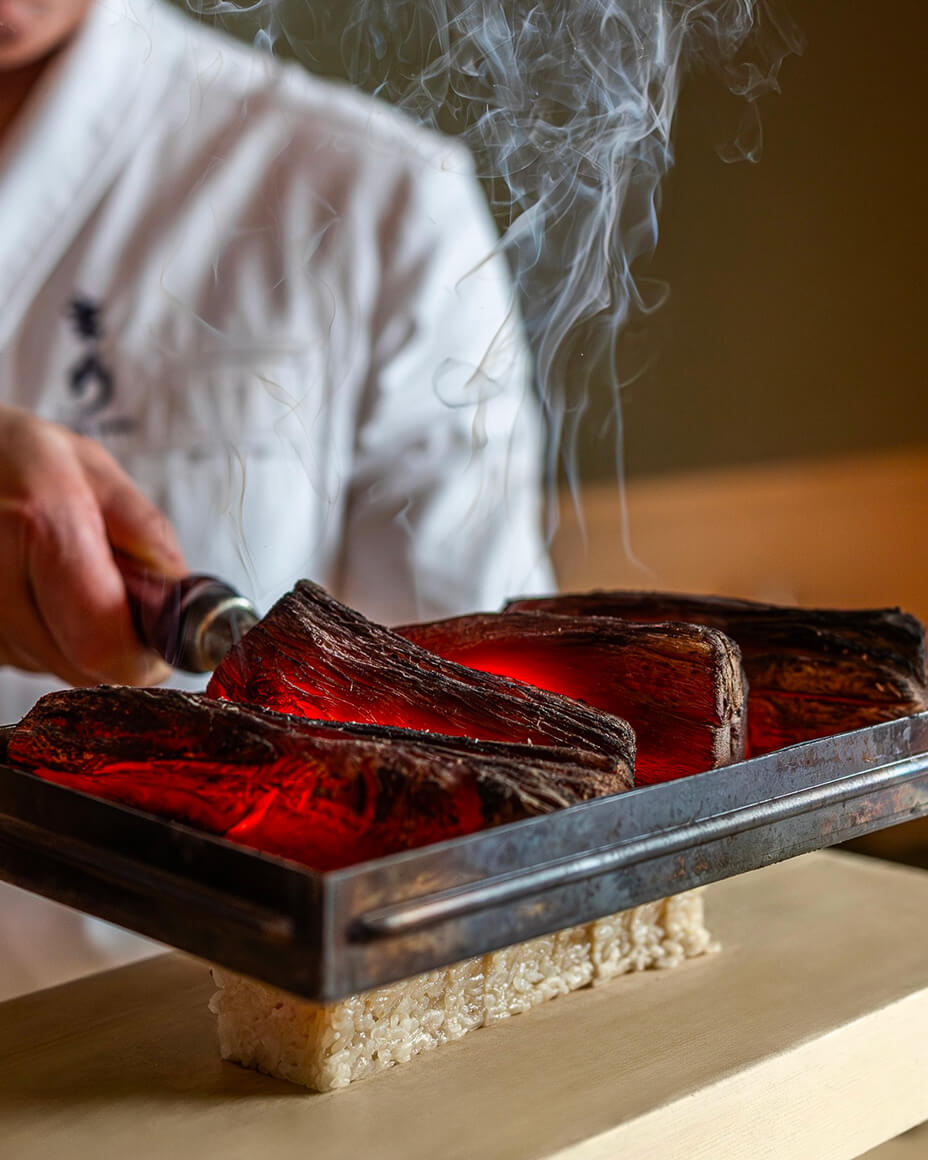
Photo by Eric Medsker
YOSHINO
New York, NY
The design
Precision defines every element of Chef Tadashi “Edowan” Yoshida’s exhilarating omakase counter—including Kentaro Eba’s design, constructed by Tomoya Hayakawa, which evokes an escape into a private, wondrous world. The anticipation mounts as you ring the doorbell outside of the locked front door. A host guides you past the entryways’ intricate kumiko woodwork then tucks you into your comfy Hinoki wood chair, made by hand in the Hida Takayama region of Gifu Prefecture. The Japanese cypress sushi counter on which your elbows rest is itself 300 years old, cured for 50 years after being lumbered, from the same tree found within the halls of Tokyo’s Imperial Palace. If you can bear to take your eyes off the culinary theater before you, glance up at the gotenjo ceiling, also made from Kiso cypress and featuring the same traditional coffering used in ancient Japanese castles. Watching the chefs deftly slice ruby slabs of tuna belly, you might be unsurprised to learn the knives were crafted by a master from Saga Prefecture.
Yoshida’s one-MICHELIN–Starred meal is a thrilling sensual journey—through bites like subtly sweet hairy crab, uni, and caviar followed by a mullet fish roe mochi umami bomb. Viscous sauce is ladled over fried monkfish; a smoky glass dome unveils a lobe of perfectly smoked salmon. It crescendos with the nigiri portion, a dramatic buildup of subtler, leaner bites before the chiaigishi chutoro (fatty tuna belly) mic drop.
One of the most expensive omakases in already pricey NYC concludes with a souvenir befitting of the thoughtful artistry on display here: a napkin designed by the chef every season and hand-dyed in Japan.
Los Milics Vineyards
Elgin, AZ
The design
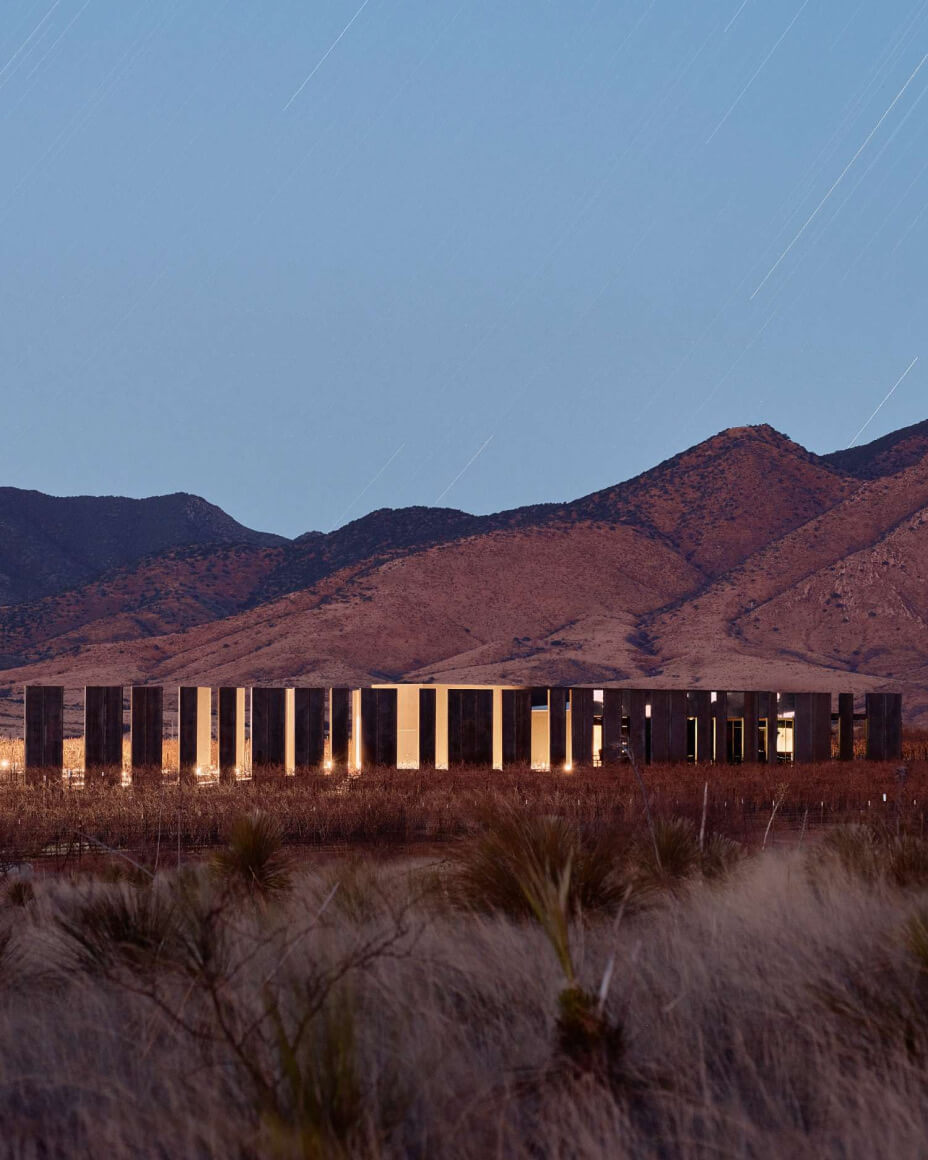
Like a fantastical, steel-clad Stonehenge, Los Milics Vineyards rises into view amid neat vineyards and Southern Arizona’s rocky, shrubby Mustang Mountains. This Chen + Suchart Studio-designed tasting room was indeed intended as sculpture first, and space to sip a dozen-odd wines amid the dramatic landscape second. Los Milics’ partners bought the land in 2018 and started transforming the 20 acres formerly used for cattle grazing into a vineyard and production facility. But the tasting room would be their pièce de résistance. Entering a narrow courtyard through the vineyard, the tasting room comes into view between the steel monoliths. Once inside the 3,400-sq.-ft. space, glass walls display expansive views of the vineyards and mountains. Simple, modern furniture from interior designer Vivian Ullman complements the architecture and keeps the focus on the landscape.
Small-production reds, whites, and rosés express the elegance and minerality that’s become a hallmark of the Sonoita region, which is recognized as the state’s first AVA and benefits from intense sunshine, monsoon rains, and well-draining soils. Think silky big Graciano-Grenache blends and puckering yet supple Petit Manseng. Pair them with tapas-style plates and charcuterie in the tasting room. Better yet, drink them with tomatoey stewed chicken thighs or New York strip draped in béarnaise sauce at The Biscuit, the onsite restaurant named for the Mustang’s distinctly domed tallest peak.
The Sucharts also designed nine casitas for overnight guests. Nestled in the heart of the vineyards, each features a modern, open layout, where living spaces transform into beds at the push of a button, and a private patio offers sweeping vineyard and mountain views.
Cyrus
Geyserville, CA
The design
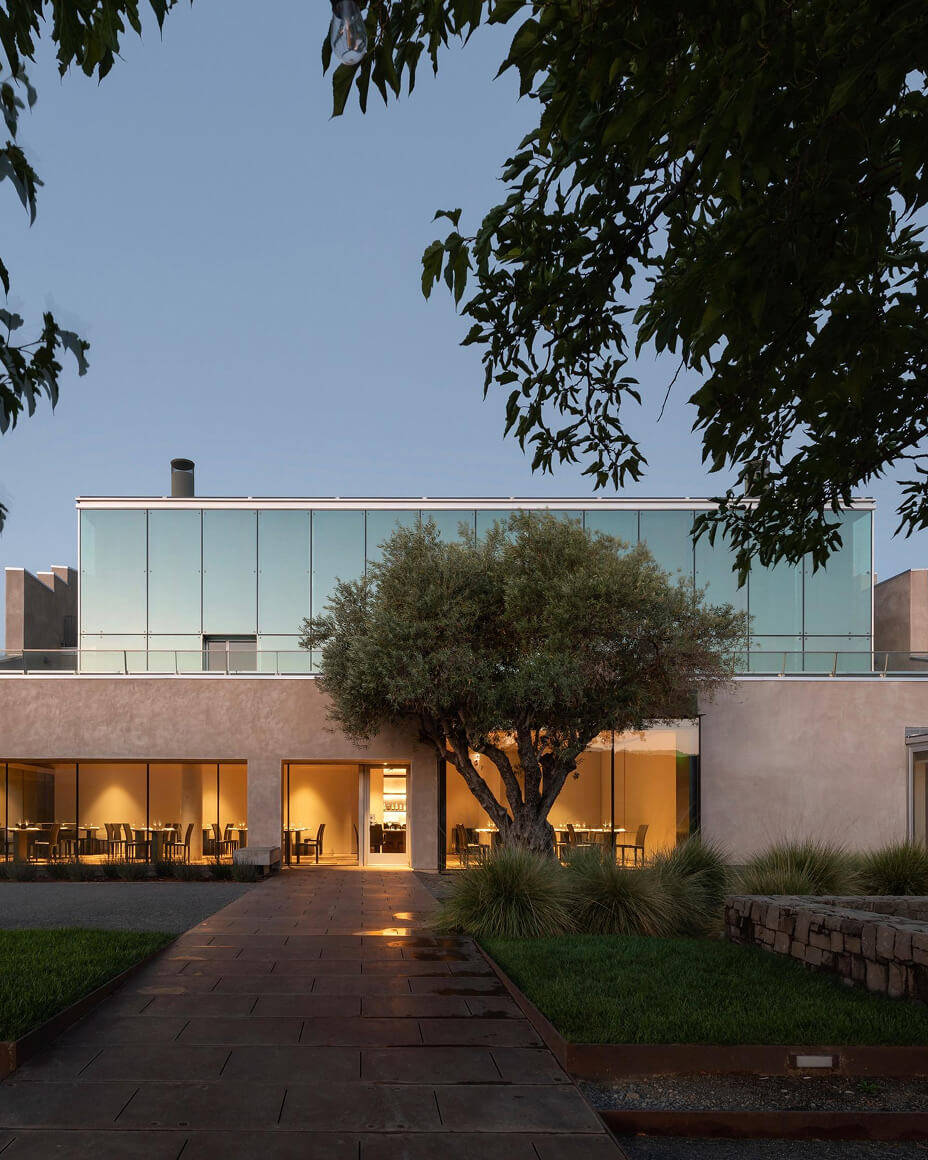
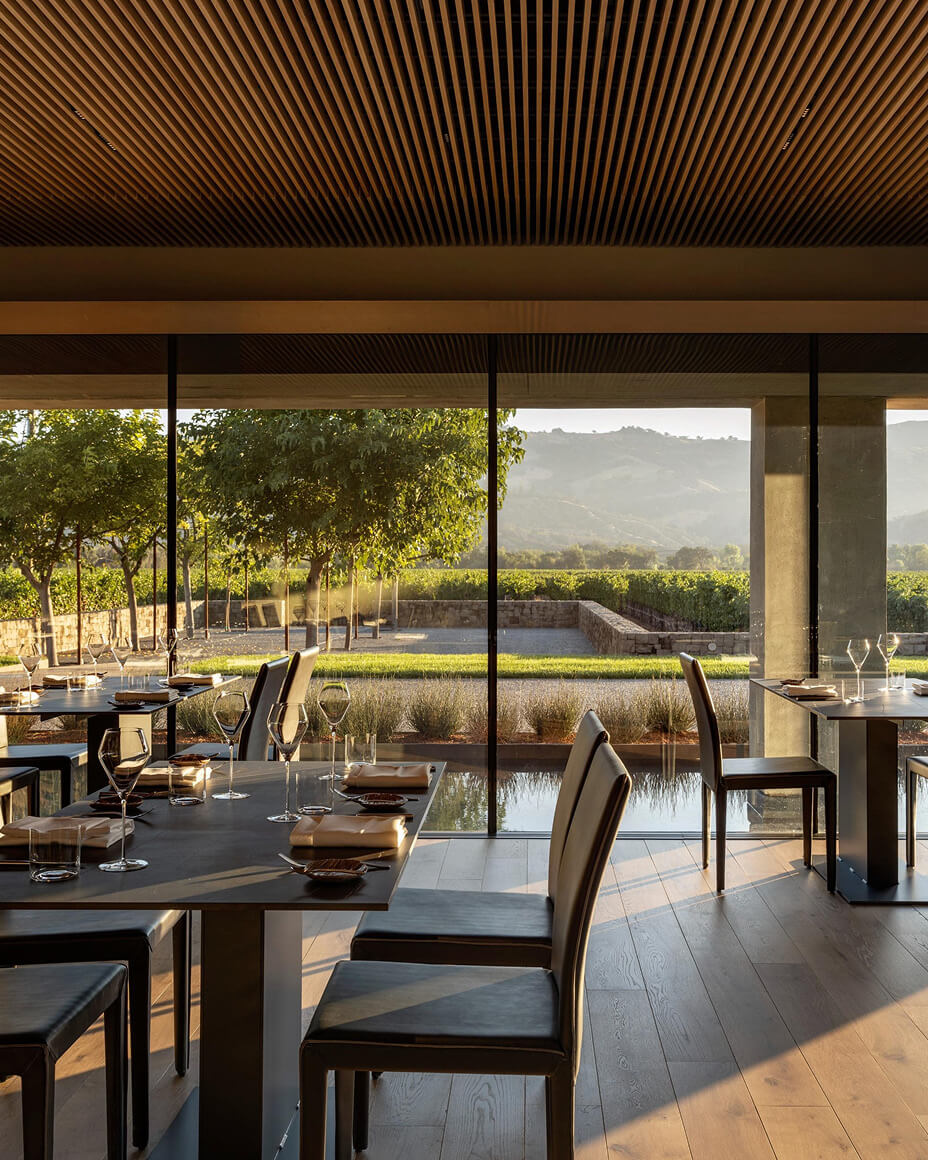
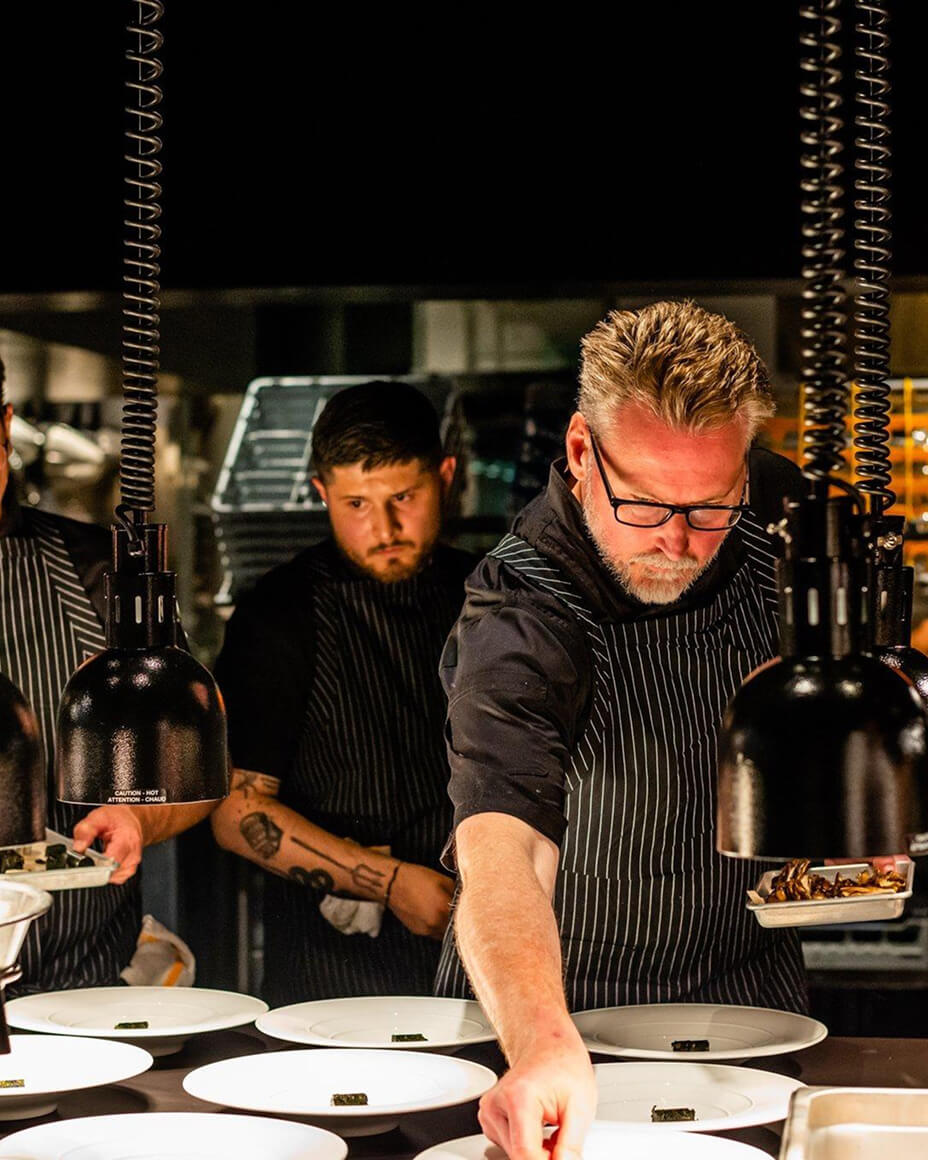
A decade after Chef Douglas Keane closed his acclaimed Healdsburg restaurant Cyrus, the concept was reborn as an ebullient, progressive dinner party in the quaint wine country town of Geyserville. Olson Kundig designed the restaurant inside a former prune packing plant; an old-growth plum tree in the courtyard nods to its past life. The modern, concrete and glass structure sits just above the ground level to lend the illusion of floating above the surrounding vineyards. Through a custom steel door, a dozen diners begin their tasting menu experience with bubbles and canapés in an informal lounge overlooking the rolling landscape. They stroll past a transparent wood and glass wine room into the main kitchen, where a U-shaped “Kitchen Table” offers unobstructed views of the food prep. There Keane chats a bit while assembling omakase-style courses, which are illuminated by soft spotlights. The final act whisks diners to the warm, subdued dining room with expansive views to outside for a few savory bites and mignardises. But wait! There’s one more stop in the hidden, Willy Wonka-inspired chocolate room for a sweet ender in the company of a custom chocolate fountain wall. This is dinner theater at its finest.
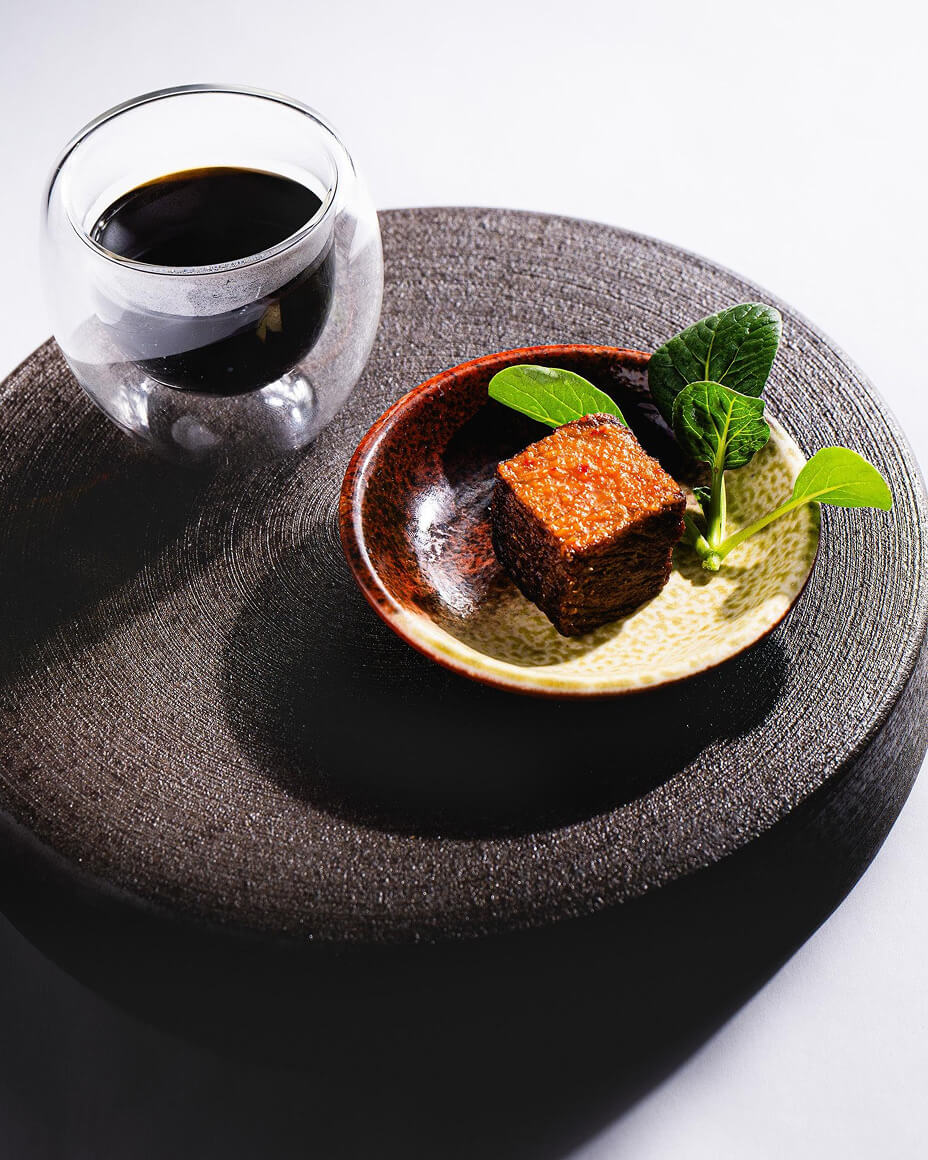
Opening bites on Keane’s thought-provoking, globally tinged menu may include refreshing gazpacho consommé and golden sesame bao buns bedazzled with furikake. Brawnier, but not leaden, plates span popcorn butter-poached lobster with finger lime and shio koji aged striploin with tomato ginger jam before transitioning to a parade of diminutive sweets like bittersweet earl gray canelé and puckering yuzu and olive oil tartlets with shiso meringue.
The highlight of this dining sojourn is without doubt the Kitchen Table, offering not just a glimpse into the process across multiple courses, but also the ethos of this relaxed and equitable workplace.
Mable's Restaurant & Patio
Marshall, CA
The design
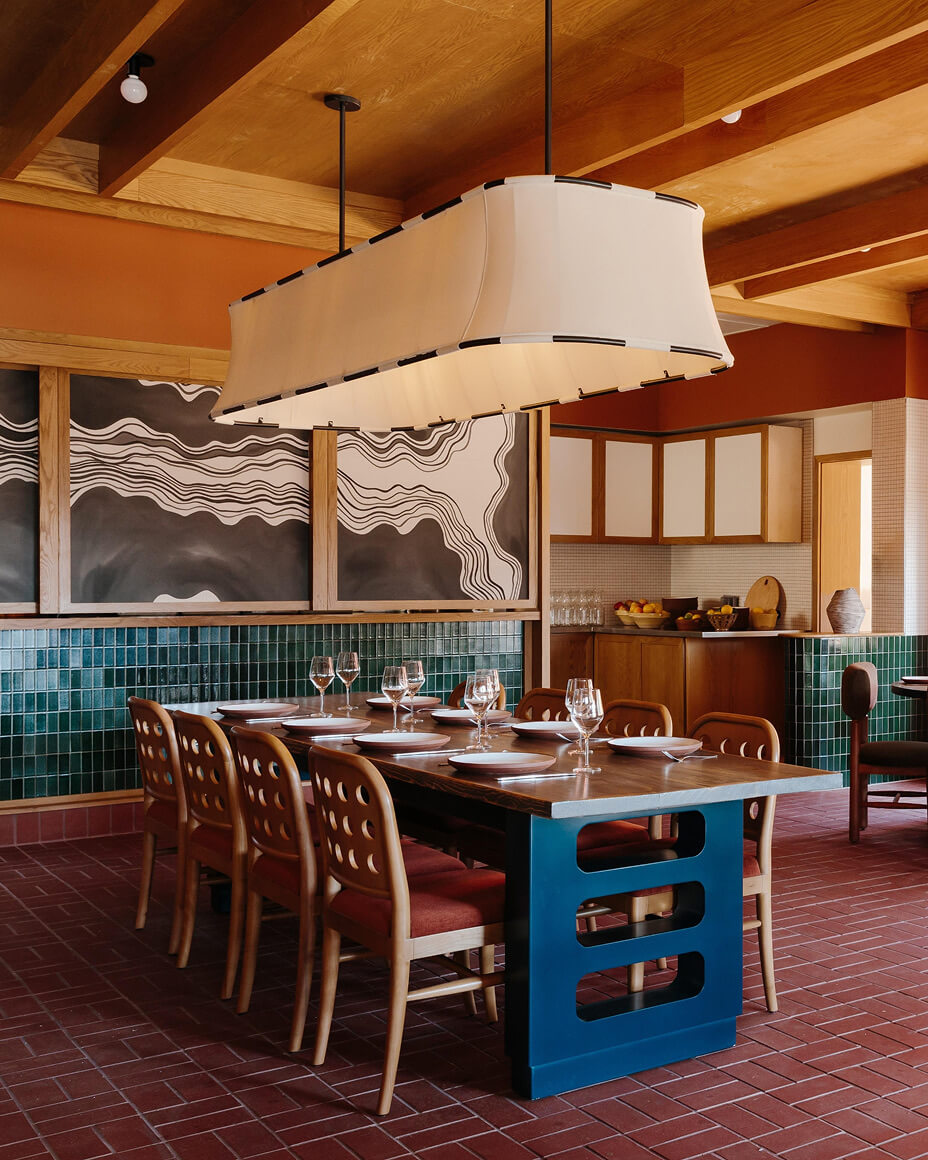
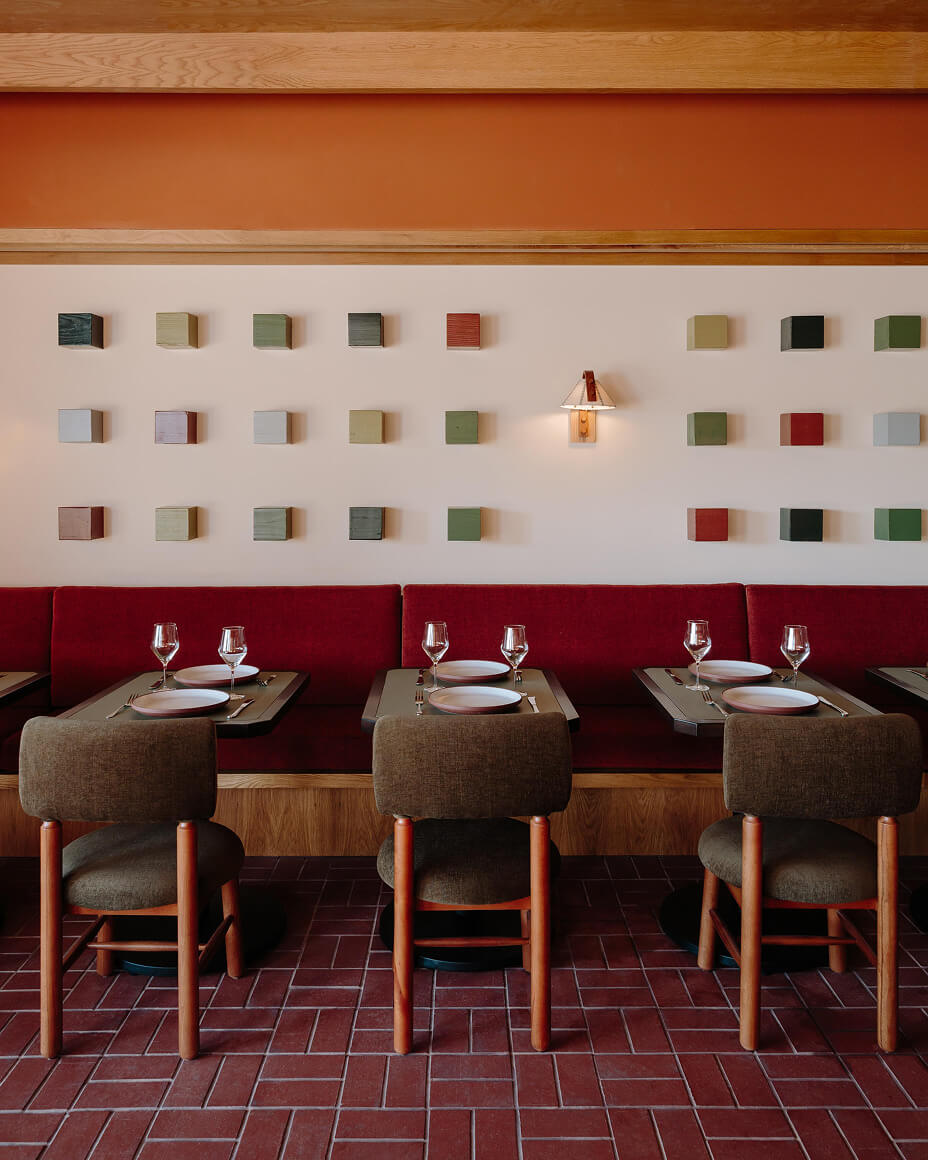
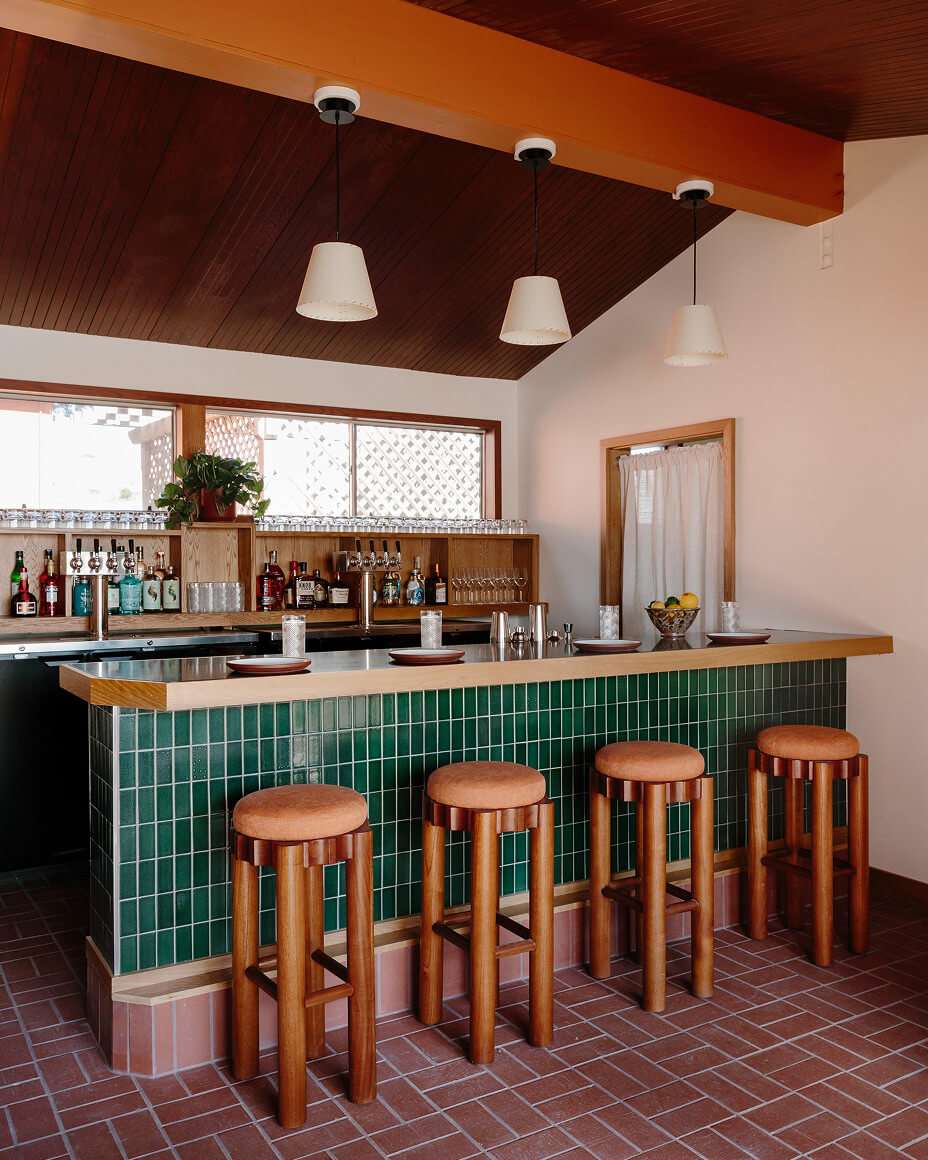
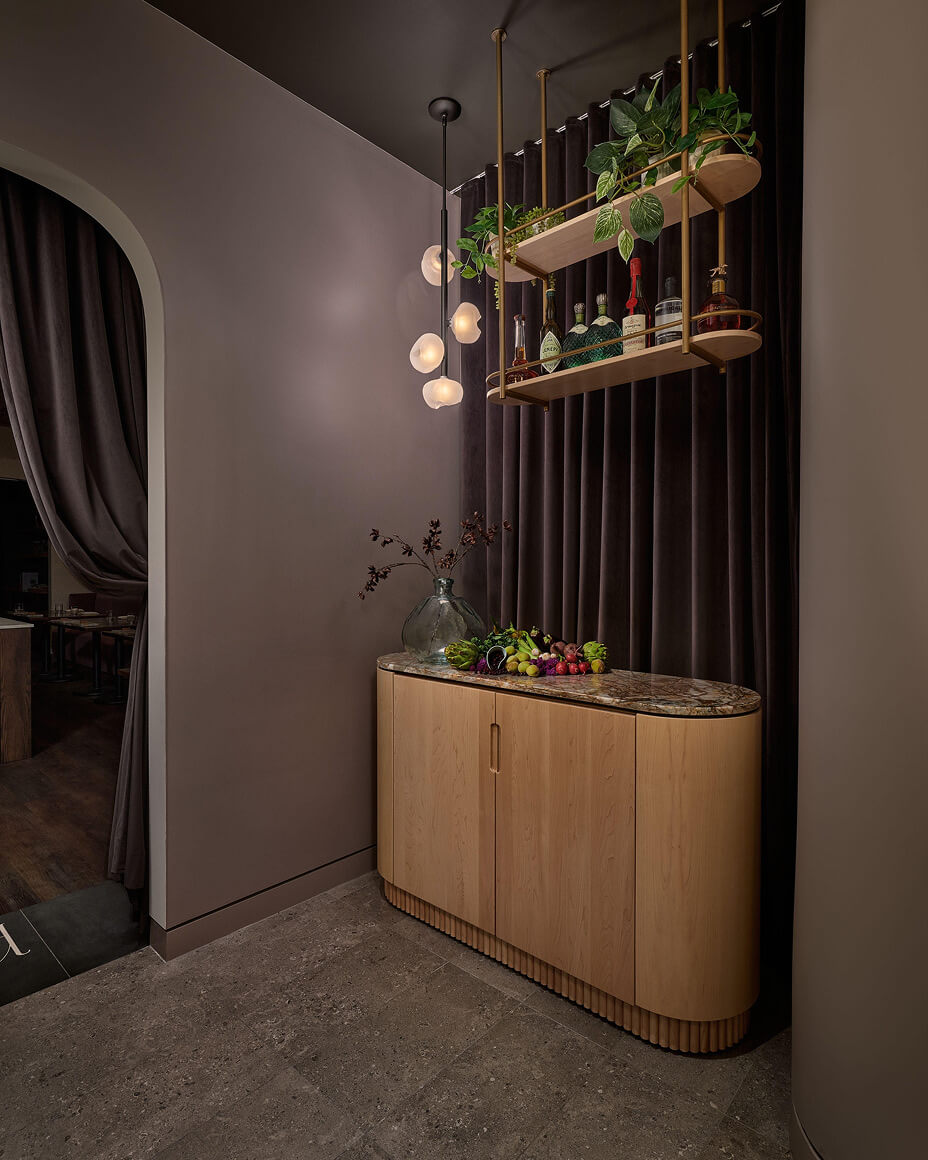
Beneath the marine layer of Northern California’s Tomales Bay is a beguiling slip of water that straddles Point Reyes National Seashore on one side and vast swaths of grazing acreage on the other. No wonder the renovated Lodge at Marconi and its in-house restaurant—designed by New York’s celebrated firm, Home Studios—took inspiration from the otherworldly surroundings. The 100-seat restaurant takes a decidedly midcentury modern, coastal bent, incorporating bespoke dining chairs, tables, and barstools. The color palette homages West Marin’s stunning natural landscape via warm woods, adobe reds and rich, oceanic blues. The space makes thoughtful use of local materials, including cedar paneling, extensive millwork, and Bay-area-made Heath Ceramics tiles.
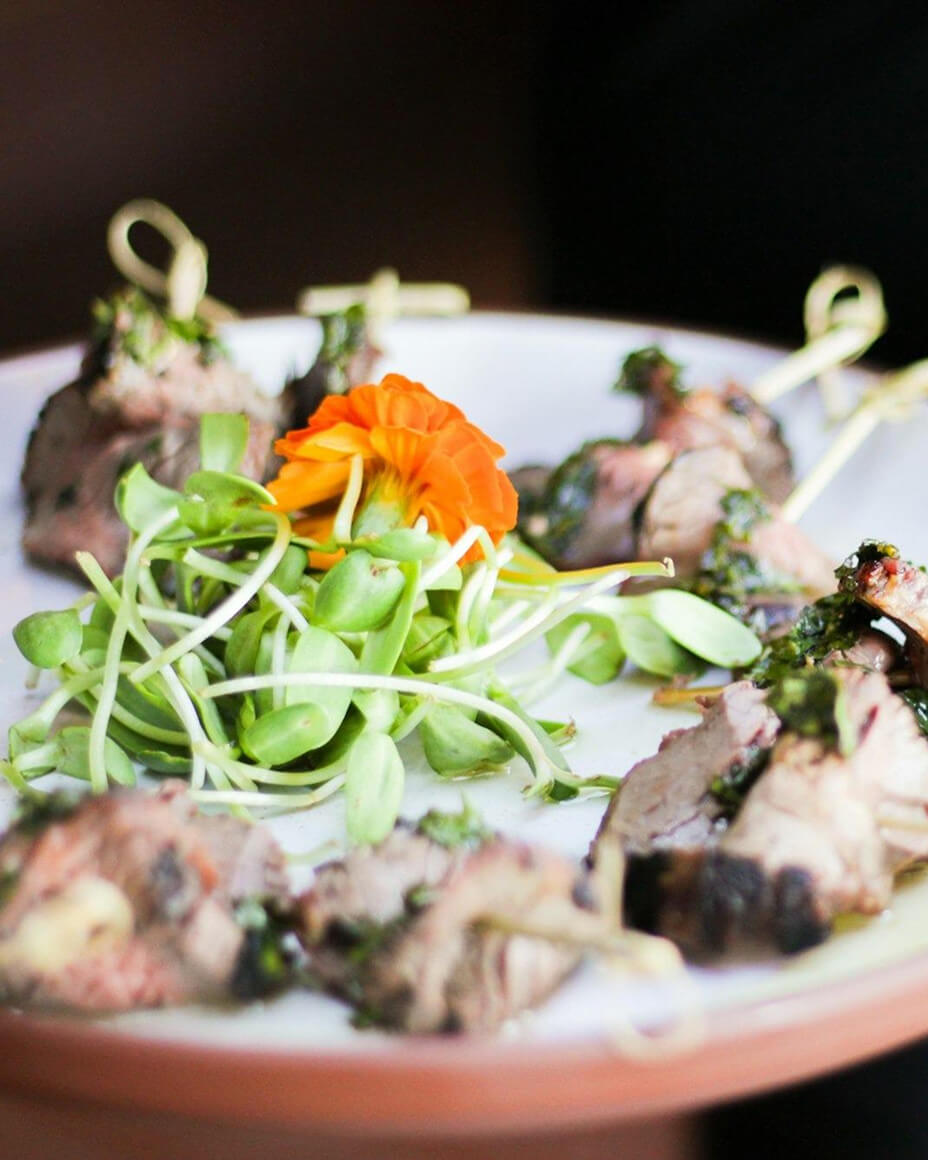
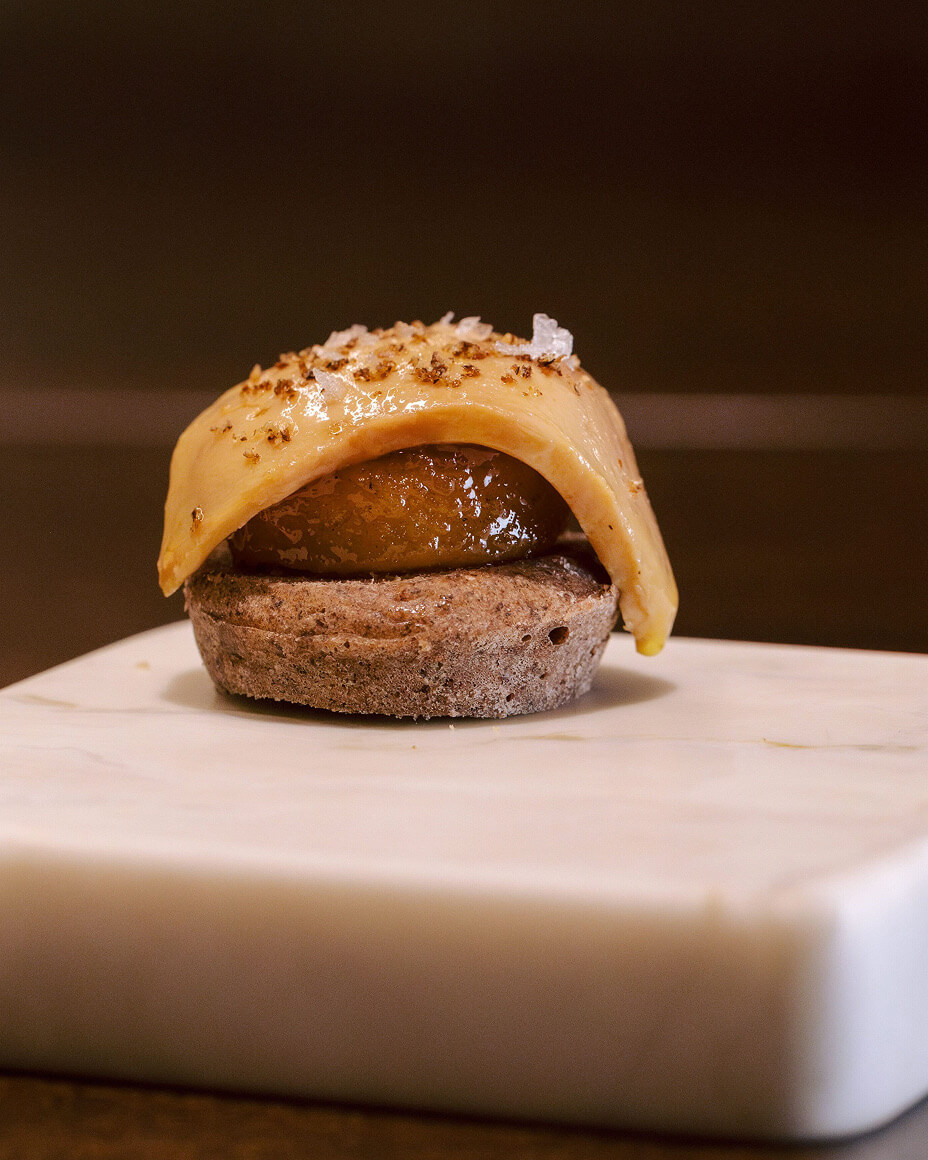
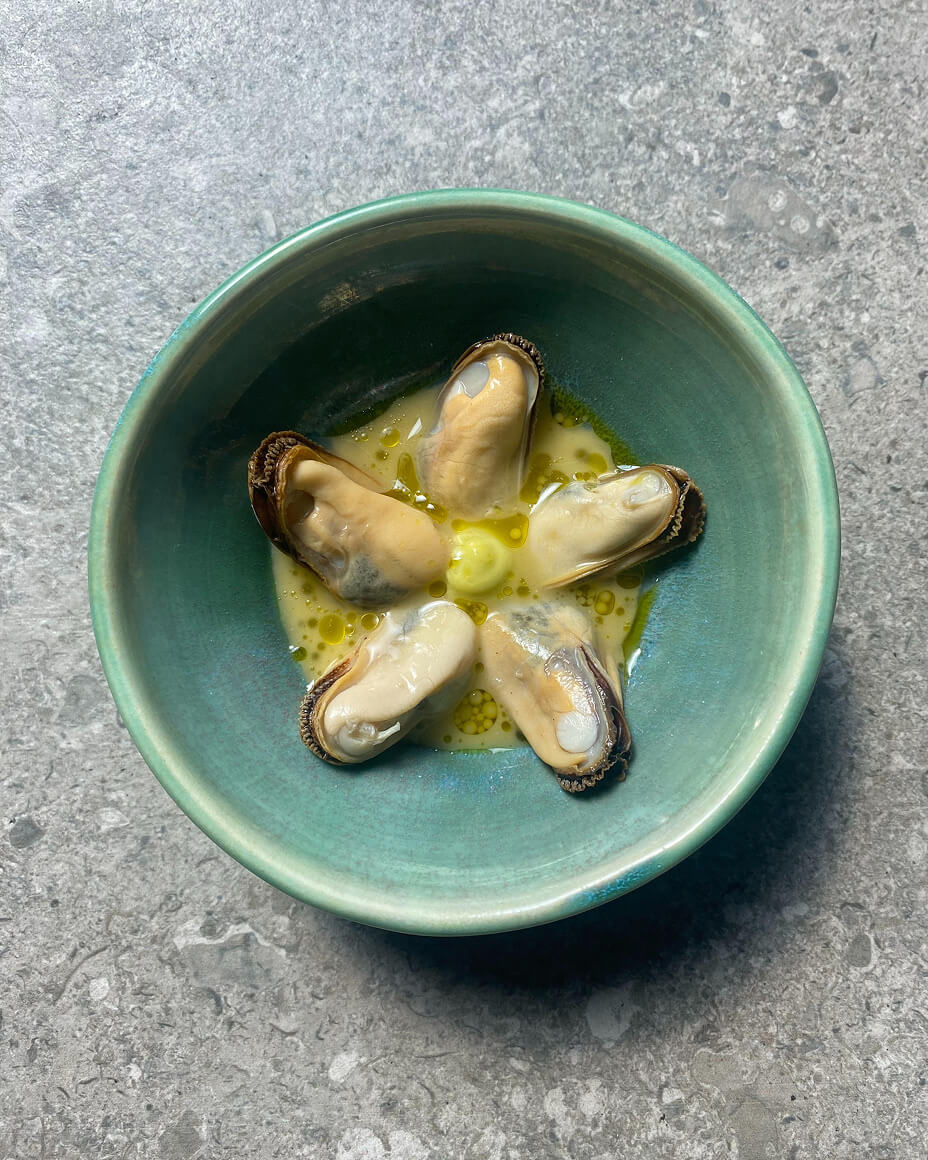
Executive Chef Les Goodman’s fine-dining menu leans heavily on the abundance of Tomales Bay, tinged with influences that flit seamlessly from France to the Mediterranean to Japan. Think hot-smoked Mcfarland Springs trout and housemade clam and mussel escabeche with fried saltines and giardiniera; sprouted hummus tinged with za’atar and harissa; and grilled local beef picanha with charred heirloom summer squash and romesco sauce. Don’t get too attached; this hyperseasonal menu changes as fast as the mischievous, rolling fog.
A 1,300-square-foot wrap-around outdoor patio overlooks the surrounding nature and glittering Tomales Bay, when the weather cooperates, that is.
Feld
Chicago, IL
The design
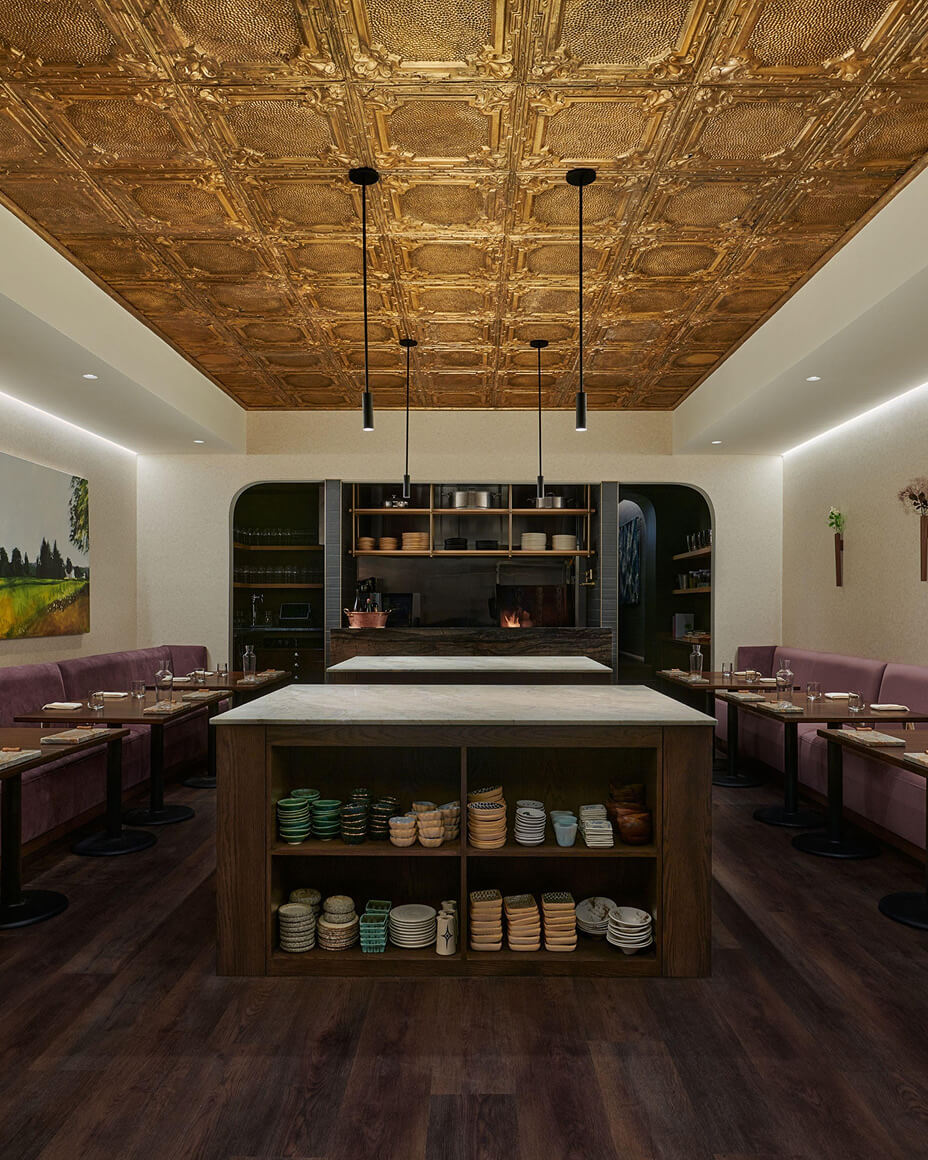
Chicago native (and TikTok sensation) Jacob Potashnick, never intended to open a typical restaurant. So why should the design of this 20-seat, relationship-to-table eatery follow the rules, either? Enter through the foyer and pass a display of that day’s ingredients, sourced from mostly within a four-hour radius, mind you. In the dining room, Chicago-based design firm Variant Collaborative reimagines the counter seating made popular by omakases by taking cues from theatrical traditions and moving seating to banquettes that hug the walls and place food prep front and center as if on a stage. Ambient and focused lighting amp up the sense of spectacle as diners move from the entry to the dining room, while the neutral color palette and use of natural materials mirrors the unfettered raw ingredients dotting the menu.
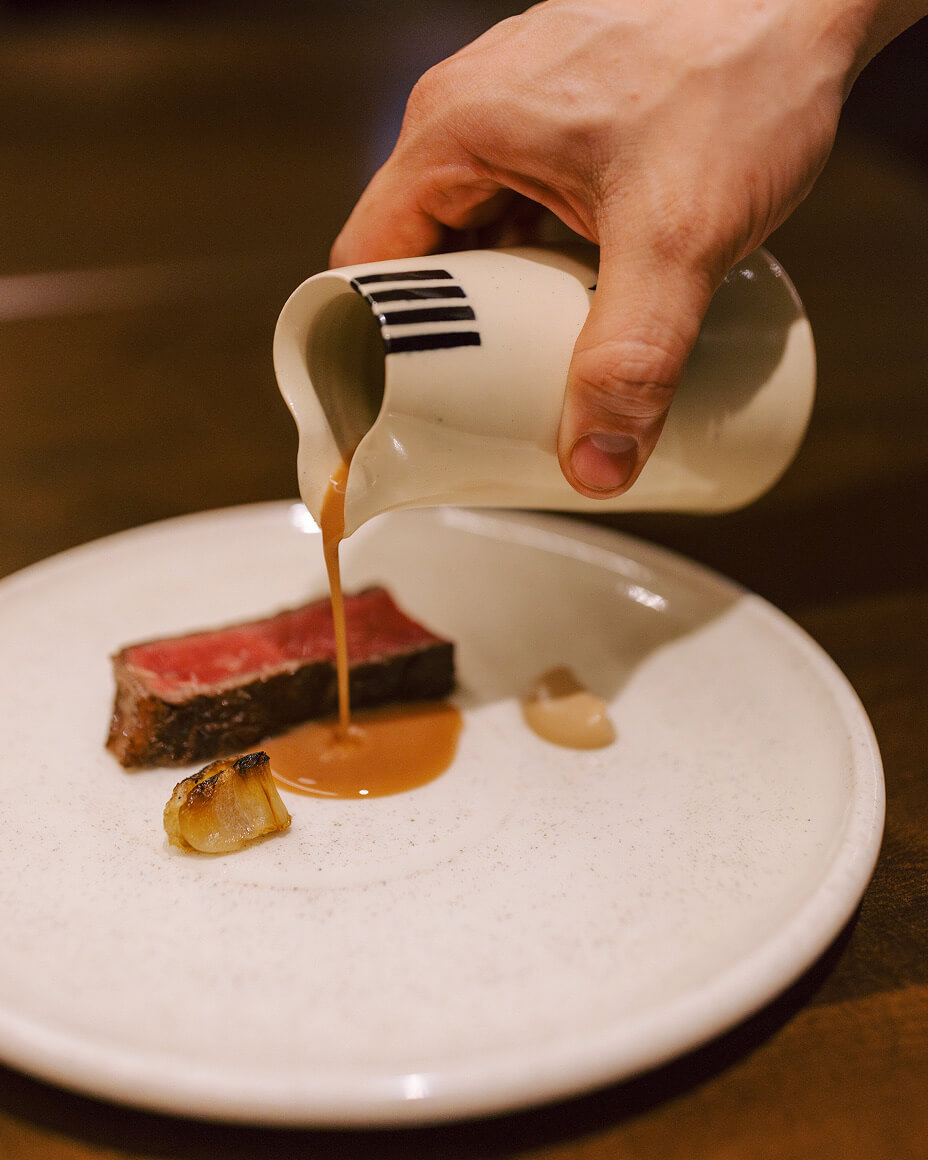
Potashnick’s daring tasting menu is an experiment in genuine seasonality—highlighting product carefully sourced from Feld’s network of growers, ranchers, fishermen, and dairy farmers that’s prepared and plated with no separation from diners. Ten one-biters might land at once—including a corn fritter, artichoke tart, and three types of melon draped in ruby prosciutto. Another course might bring Monterey abalone slivers swimming with a single fat, airy dumpling in ham broth, or foie gras with alliums.
Almost no other experience drops us in a fleeting, hyperseasonal moment in time like a meal at this ambitious restaurant.
The Monarch Bar
Kansas City, MO
The design
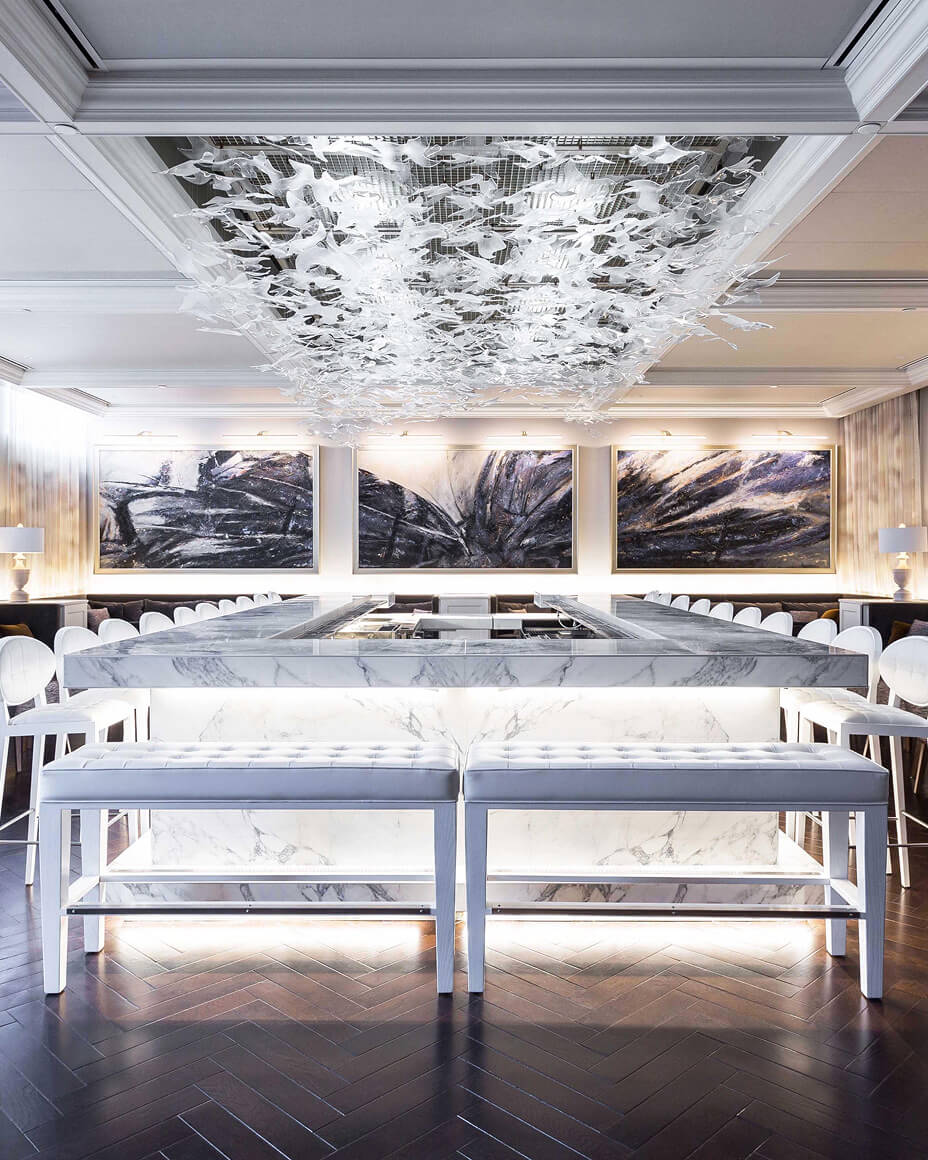
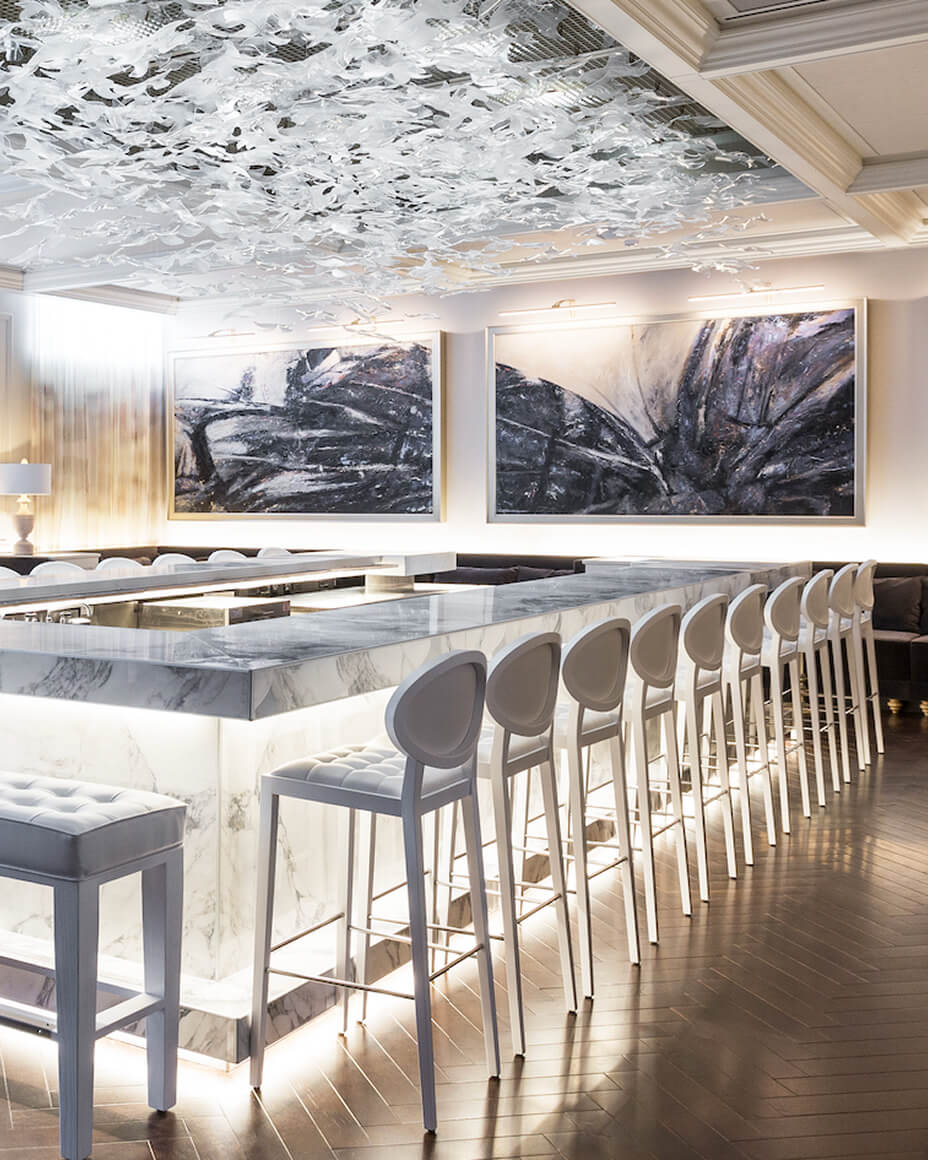
During his many globetrotting work travels throughout the 2010s, David Manica, architect and owner of Kansas City-based Manica Architecture (which also has outposts in London and Shanghai), couldn’t help but notice a theme of beautifully design-forward bars. So, he decided to build one himself in Kansas City. He teamed up with Brock Schulte, Kenny Cohrs, and Mark Church of Liquid Minded Concepts to create this singular concept inspired by the migratory patterns of monarch butterflies, which opened in 2018. A glistening installation of 1,000 acrylic butterflies floats over the central marble-topped bar, which is edged by comfortable velvet and leather seating and modern art. The space breaks out into the open Main Bar, approachable from all sides with no back bar to obstruct sightlines; a stylish all-seasons patio; and a private parlor room—each with original cocktails to match. Not only is the place routinely heaving with locals and tourists alike, but it keeps collecting accolades. A semifinalist for the James Beard Award® for Outstanding Bar Program and Tales of the Cocktail’s Best American Cocktail Bar, the bar was also named North American Cocktail Bar of the Year by Nightclub & Bar in 2019.
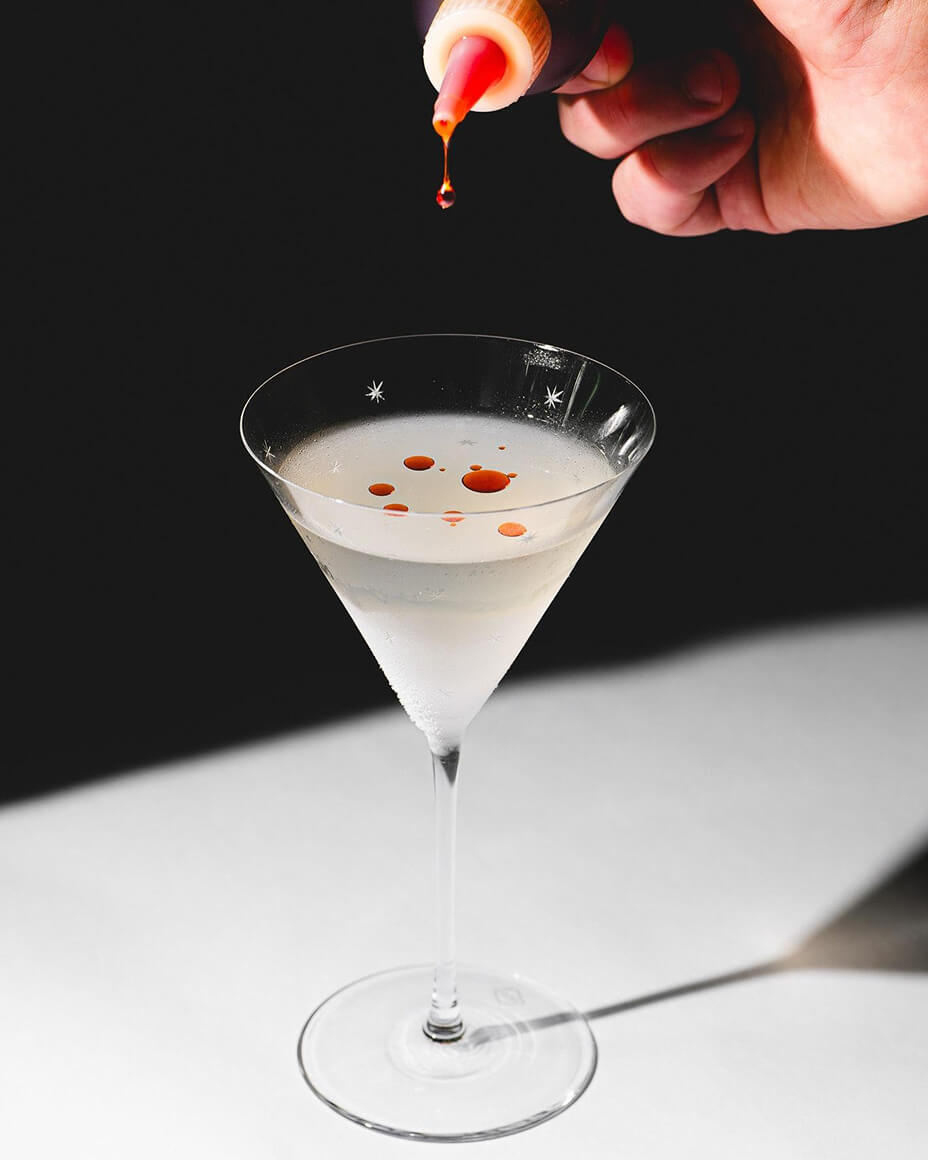
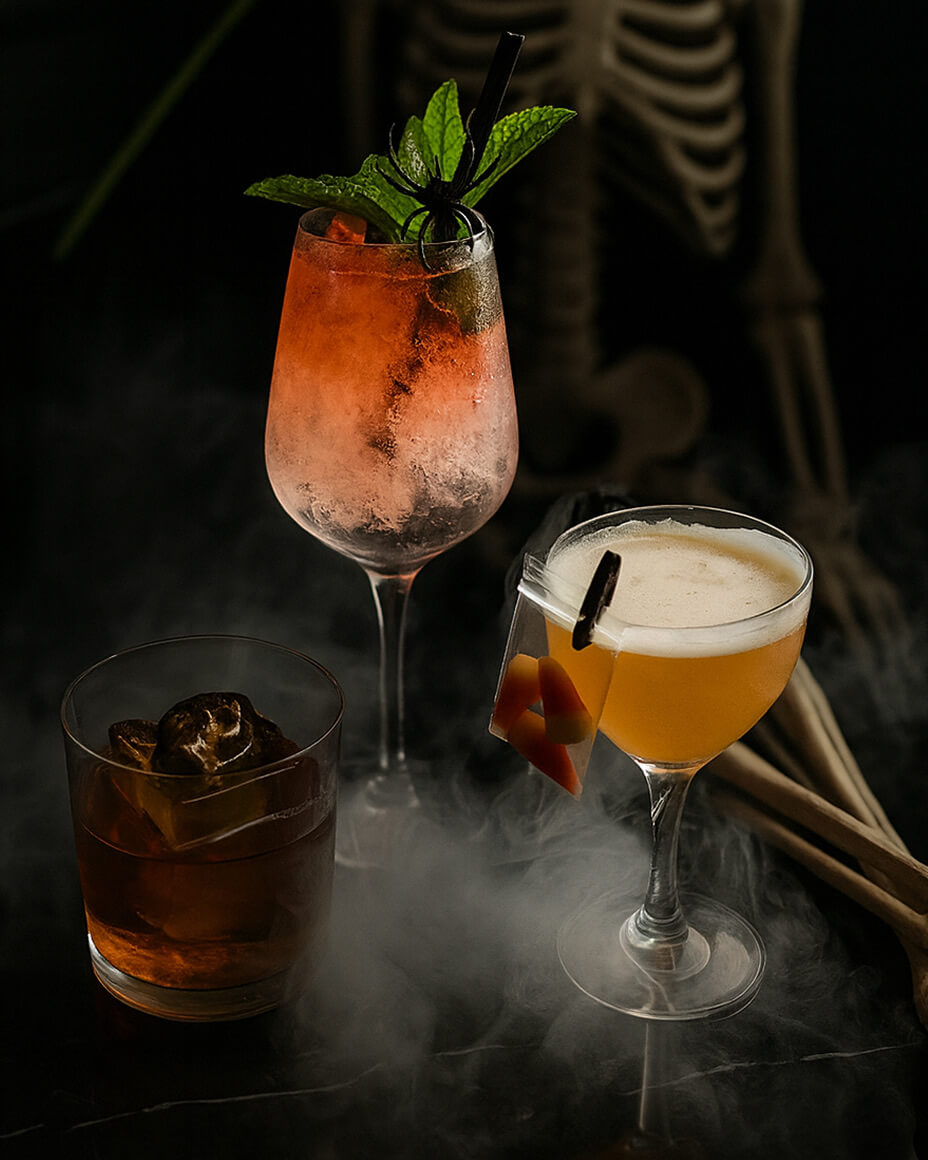
The Monarch Bar’s tasteful environs are mirrored by its sophisticated, inventive cocktails, whose components are inspired by indigenous monarchs worldwide. Think pisco-backed Lilac Butterfly punch with genever, vodka, Biscoff, lavender, honey, lemon and vanilla foam, and the smoky, Old Fashioned-esque Big Country Breakfast, with bacon fat-washed single-barrel bourbon, maple nut bitters and applewood smoke. Snackish upmarket bites, like baked elote cheese dip and barbacoa banh mi, satisfy while keeping the spotlight on the drinks.
This is a place to slowly savor the art of the cocktail, where the ingredients are elaborate and each drink is meant to be an experience.
Bella Union Winery
St. Helena, CA
The design
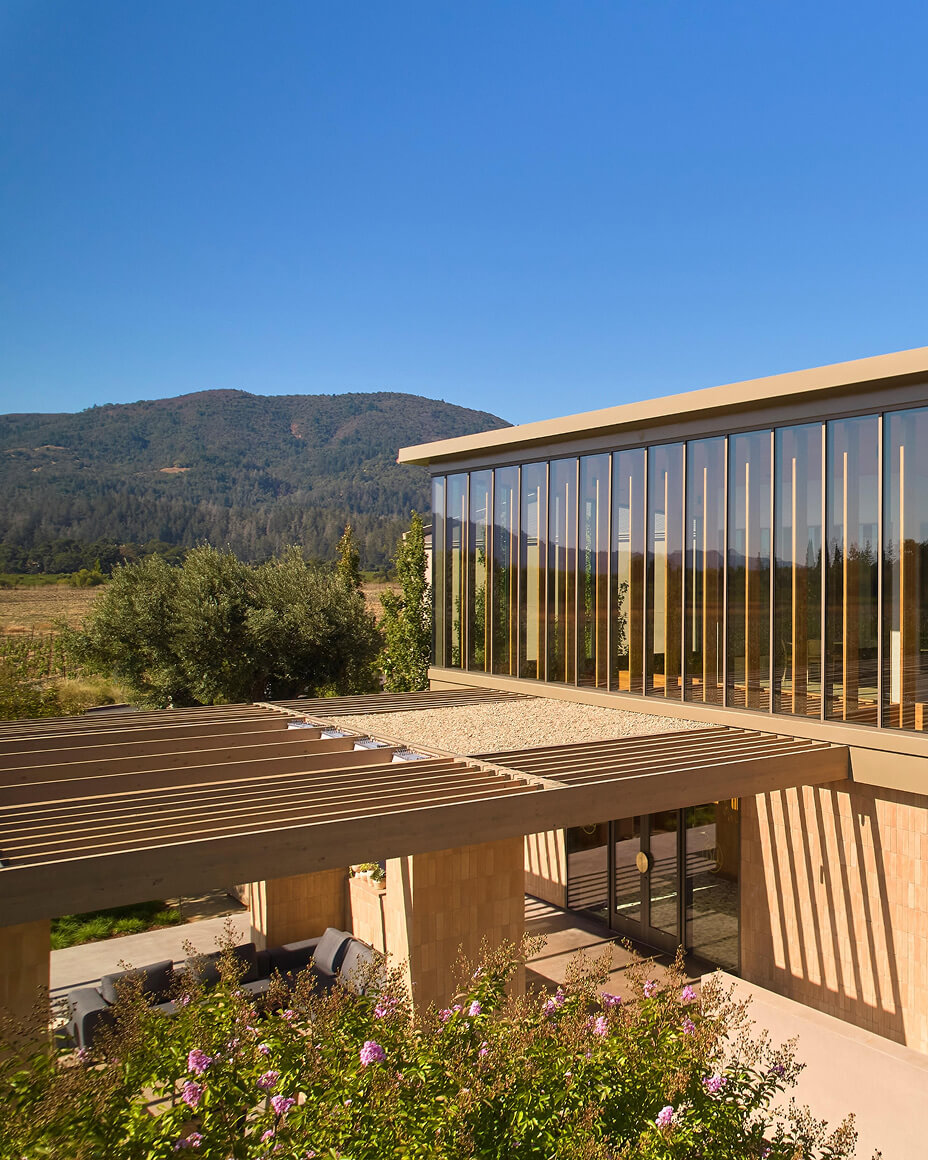
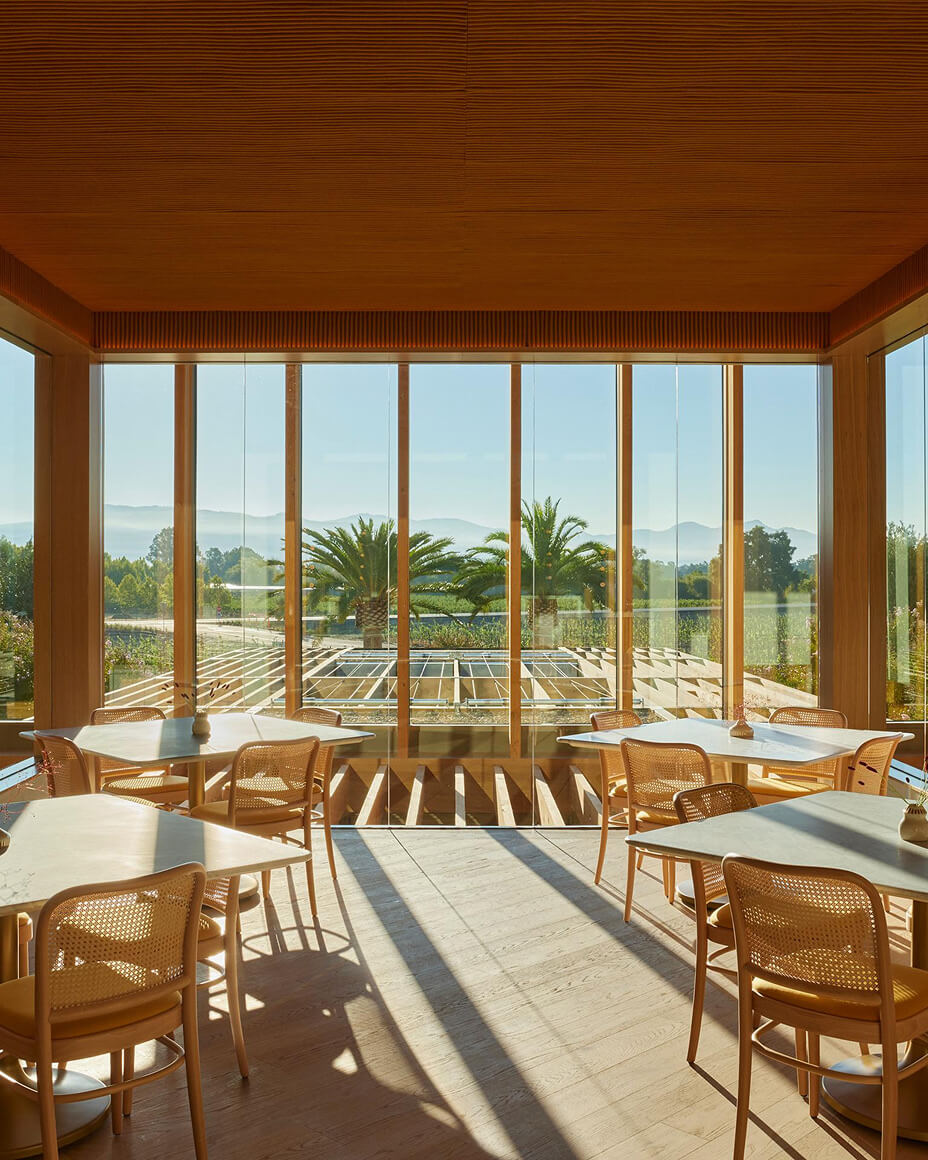
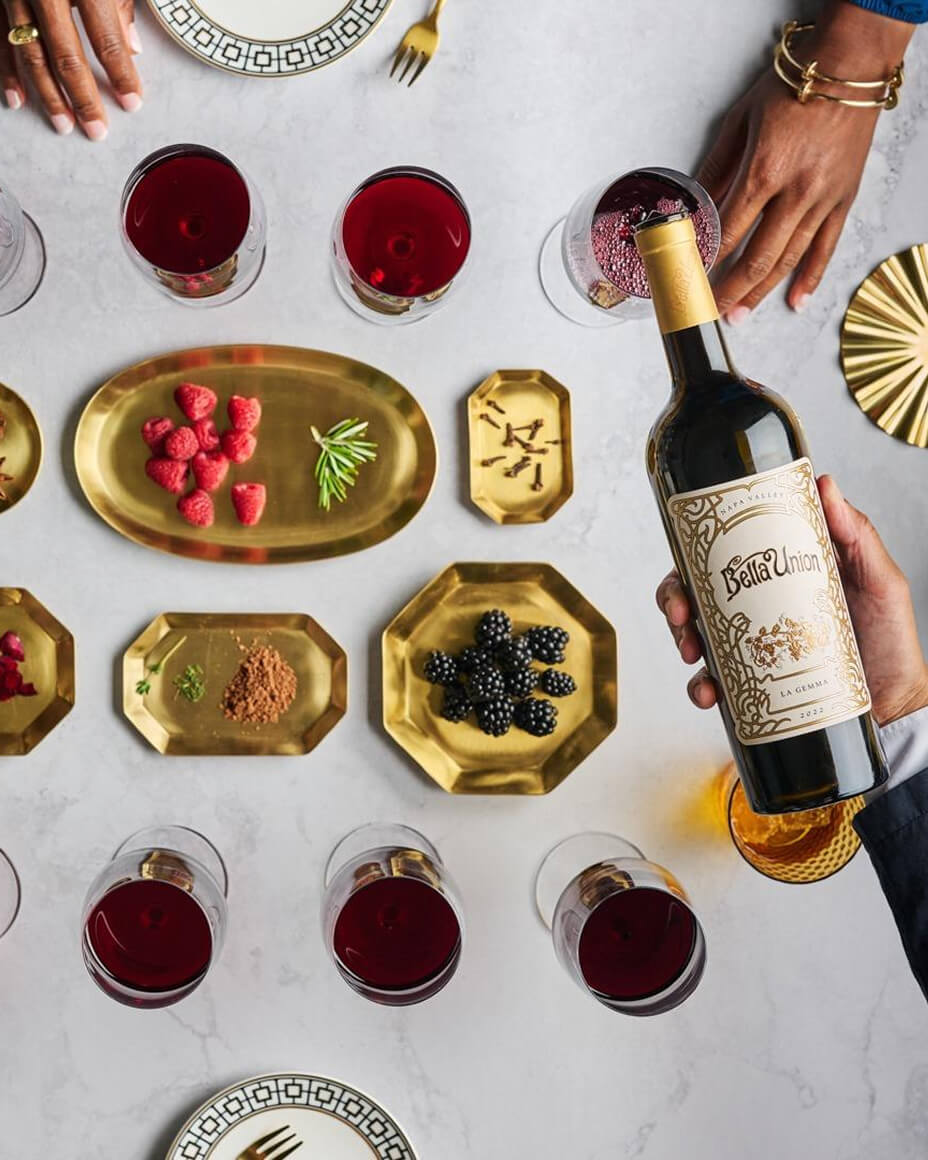
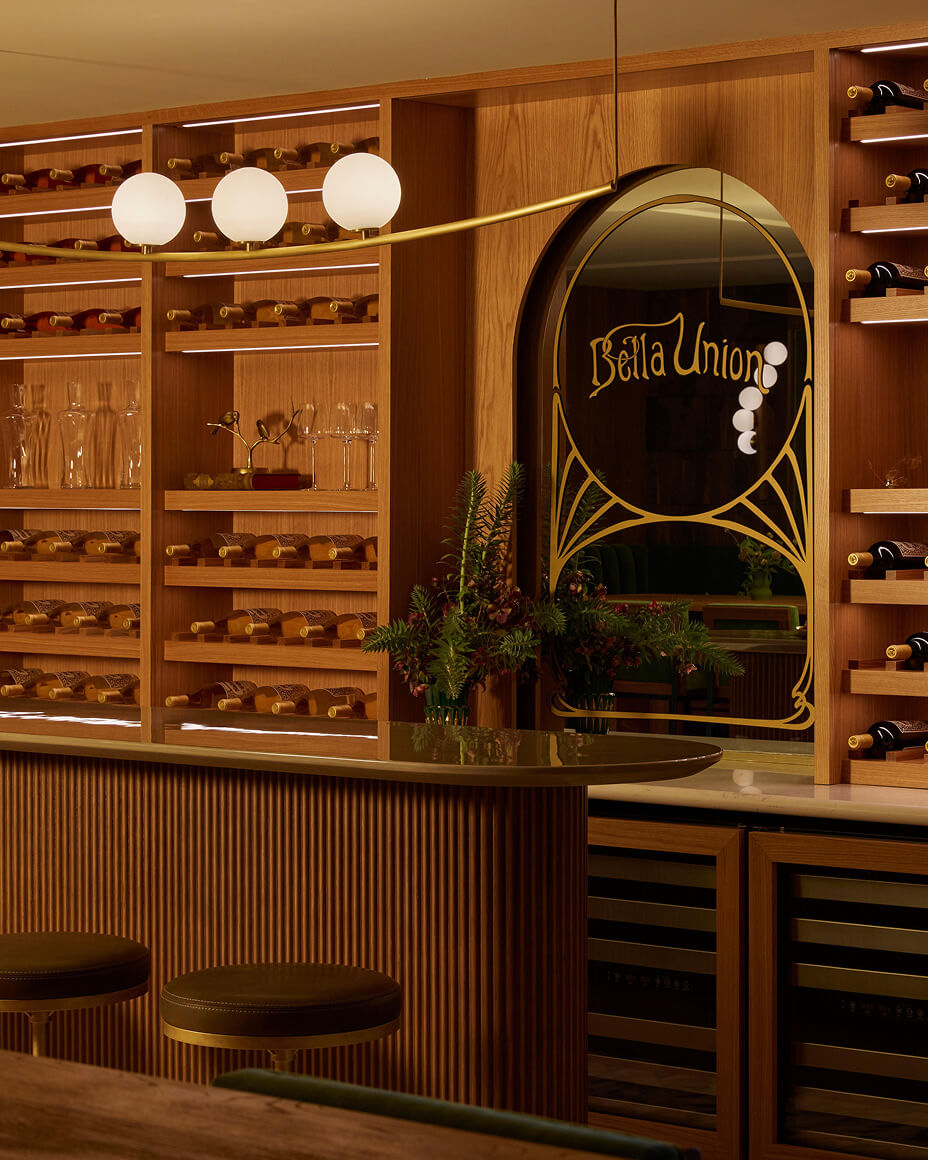
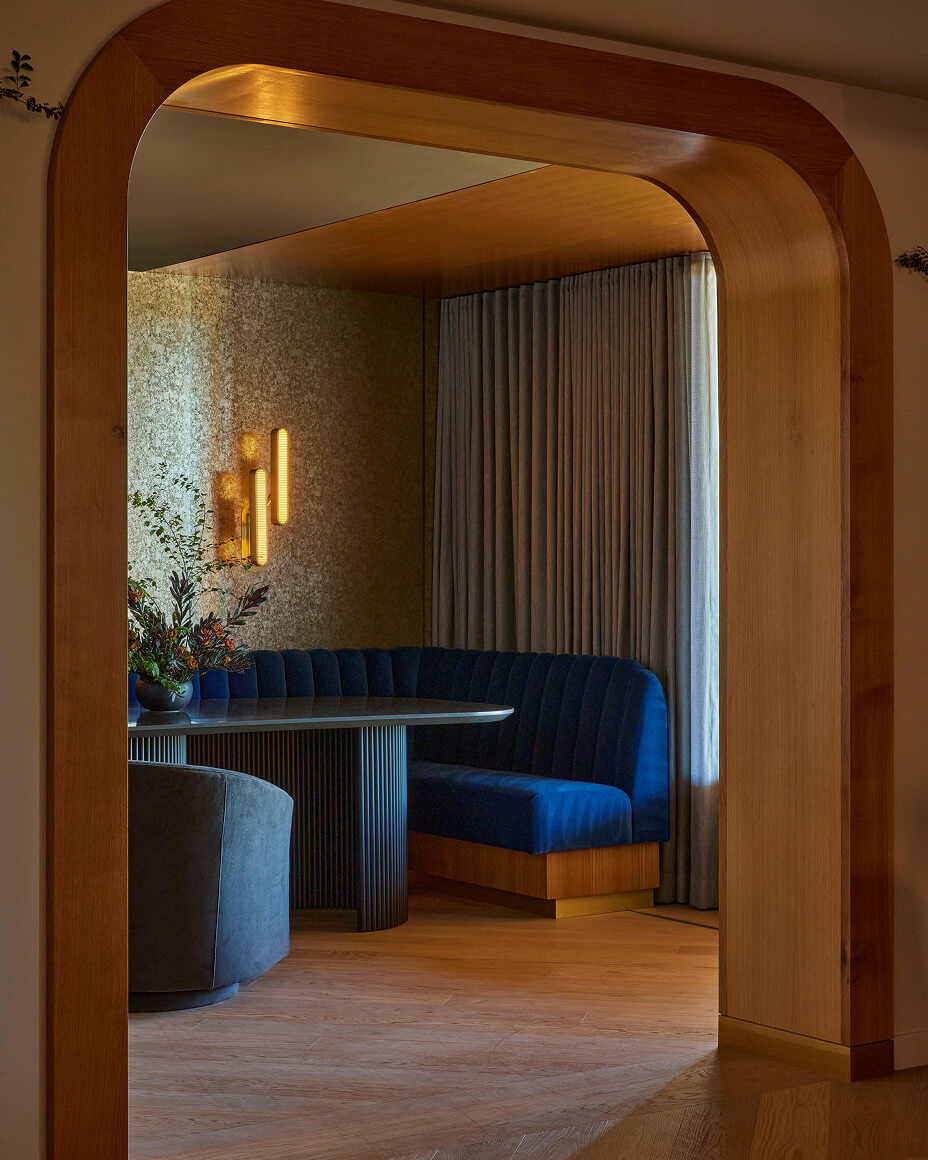
First opened in 2012 in a different space, Bella Union Winery’s current location used to be unceremoniously known as the “big red box,” an industrial eyesore lining the Highway 29 wine tourist route. Architect Mike Neimann of Pacific Building Workshop and JK & Co. dramatically transformed the property with a contemporary facade sans pretense—with the goal of creating a chill place to have a good time over delicious wine. Just inside the entrance, the signature tasting room, the Atrium, recalls a Belle Epoque-style brasserie dressed in blonde woods. Spaces of varying shapes and sizes encourage different experiences, like the intimate Salon, outfitted in plush green velvet, and The Gallery overlooking the barrel room. The literal jewel in the redesigned crown is the Jewel Box, a glass-walled tasting room on the second floor with sweeping views of the famed Rutherford district.
Splurge on the Jewel Box’s signature tasting—including limited-production blends of Cabernet and Rutherford Cabernet Sauvignon—with seasonal food pairings for $175 while learning about the artistry of winemaking with knowledgeable wine educators.
Vibes abound at Bella Union’s pretty, lively outdoor patio The Wren, where daily social hours offer moderately priced wine by the glass or bottle alongside house-marinated olives. Sipping amid the play of a water feature and lovely landscaping, is there a happier happy hour?
Tsukimi
New York, NY
The design
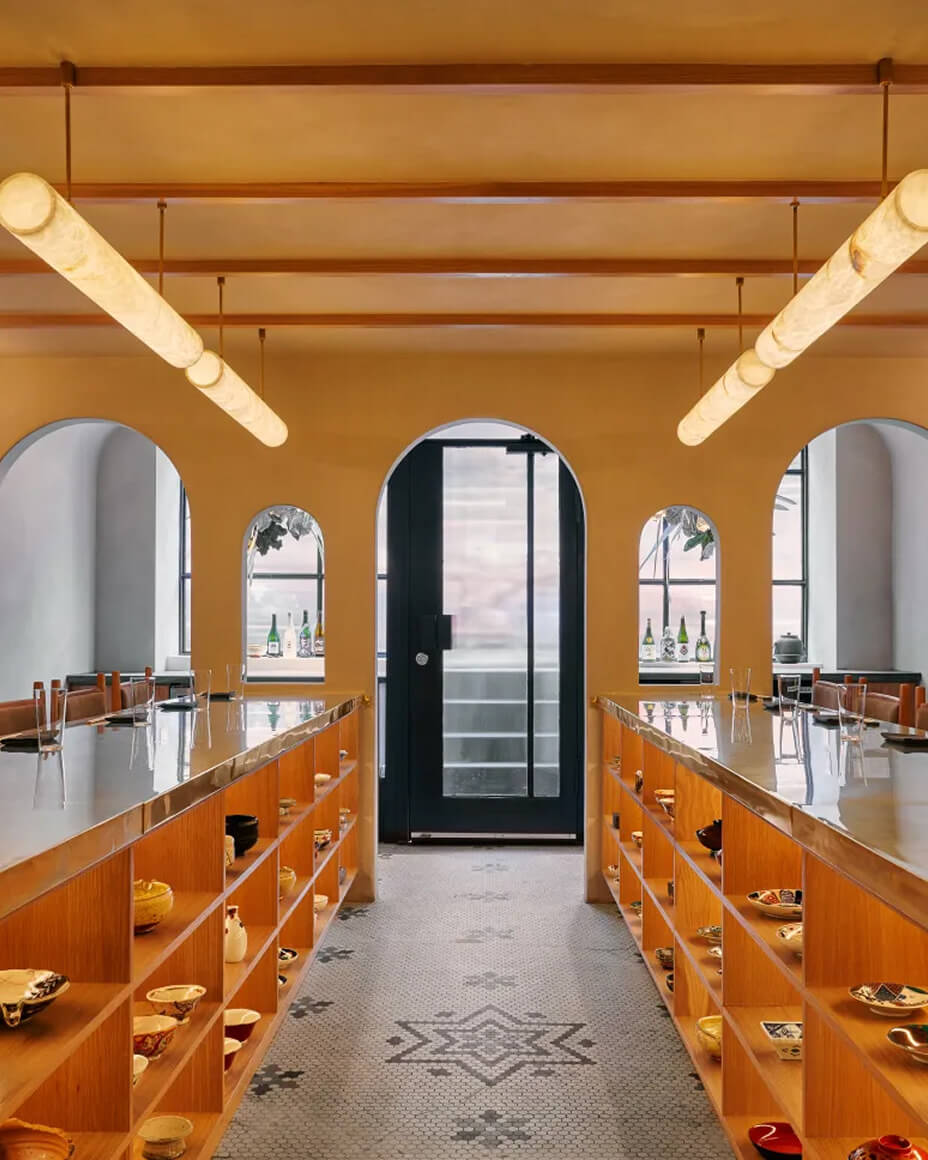
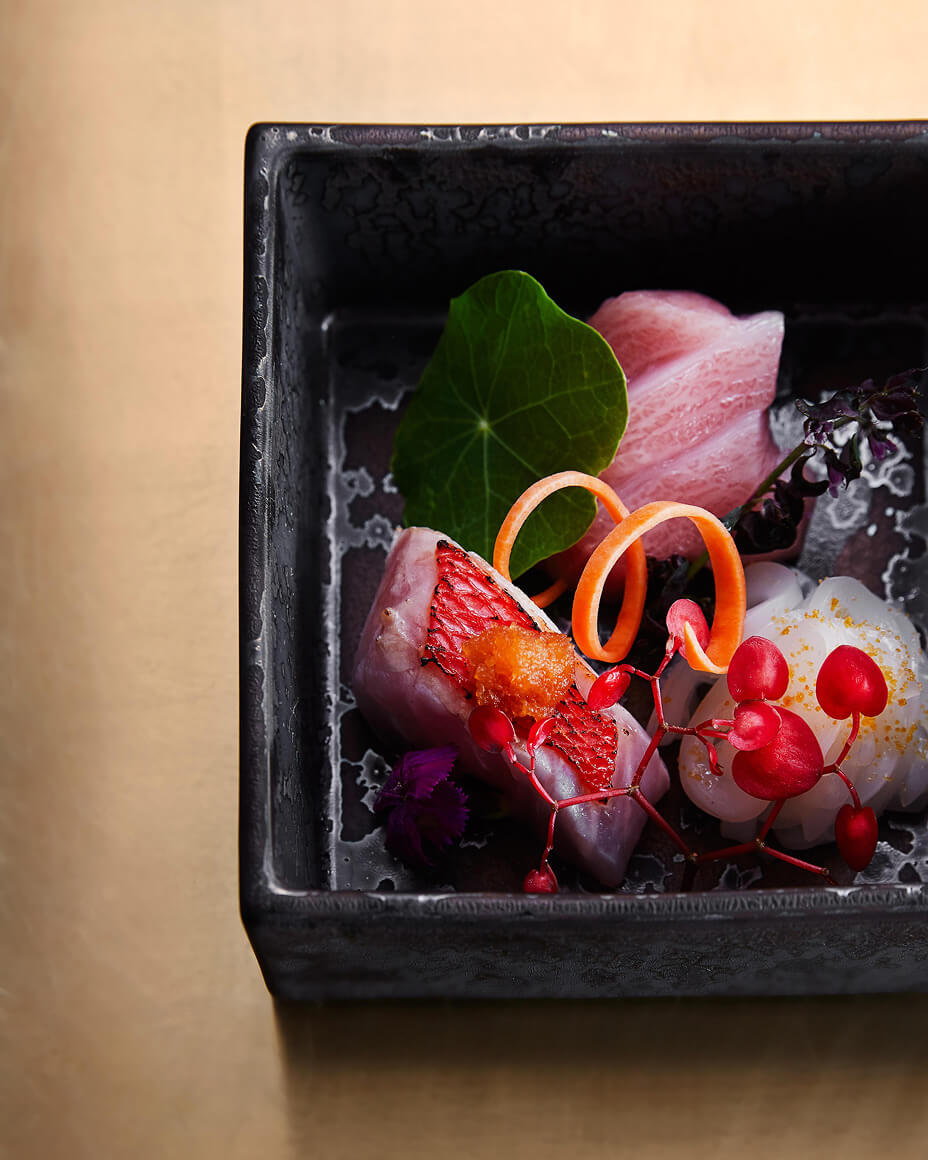
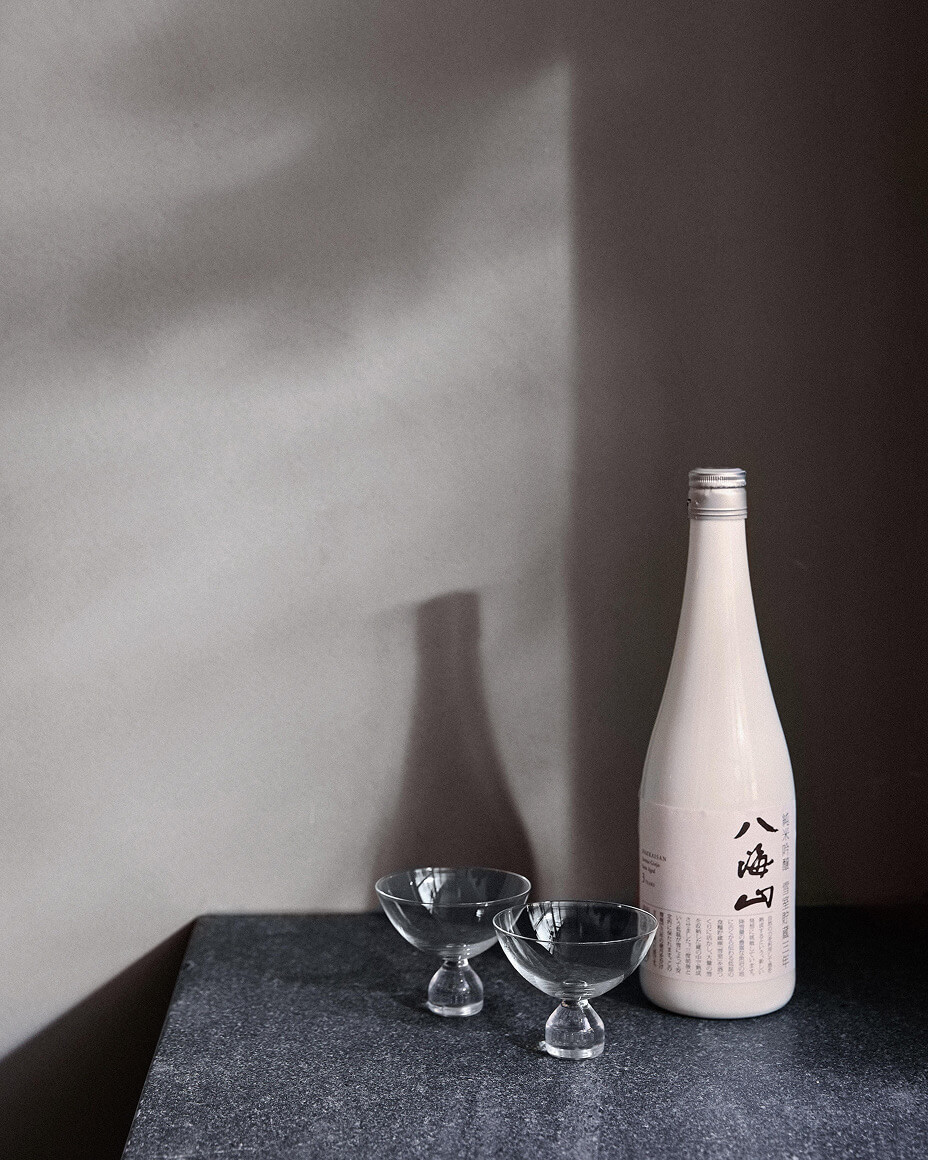
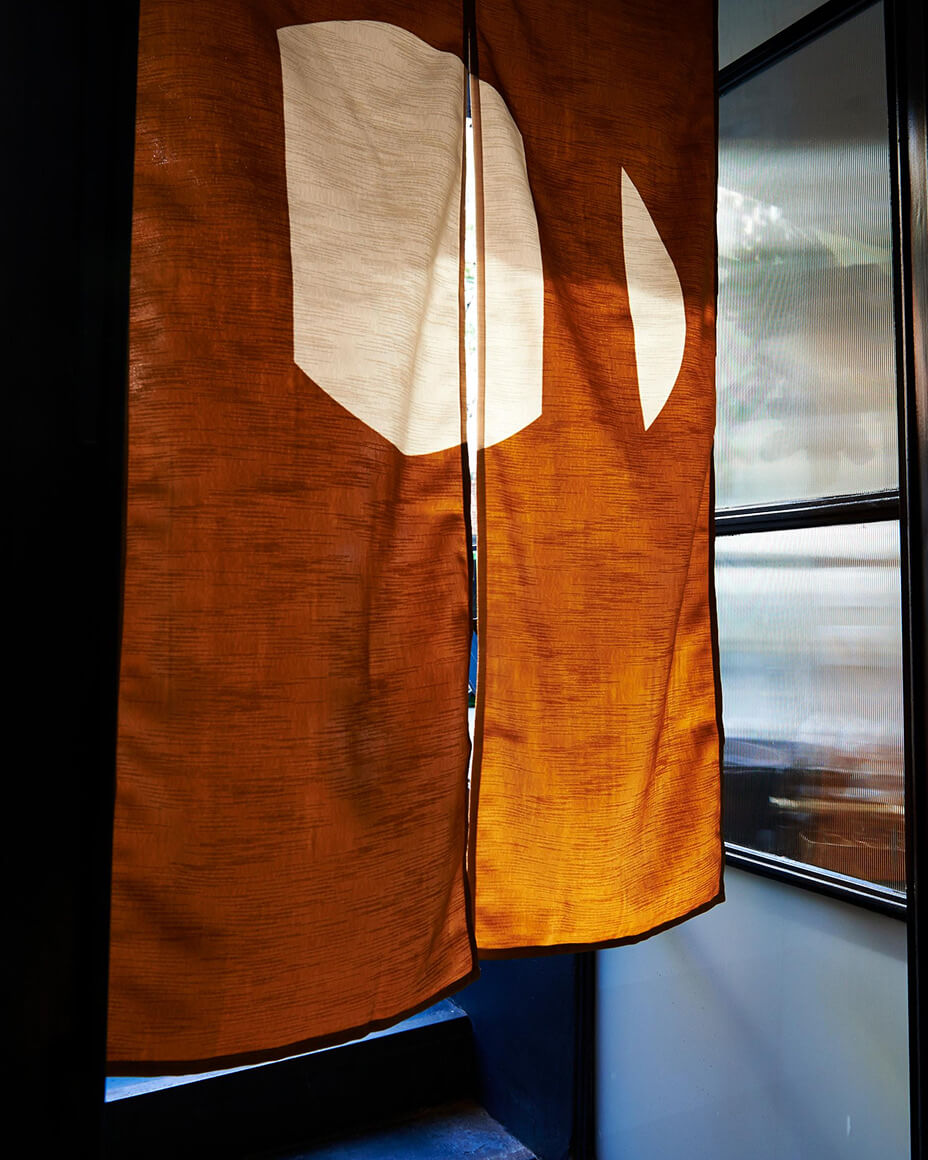
Japan’s long held harvest festival of Tsukimi (which translates to “moon viewing” and celebrates the moon at its fullest and brightest) is notable for its quiet reflectiveness—a ritual observed at home with loved ones. Takanori Akiyama and Karen Lin’s 12-seat, East Village kaiseki counter of the same name takes inspiration from these themes of contemplation, gratitude, and meaningful gathering in every aspect of the elegant design and whimsical food. Tsukimi’s interior, designed by Studio Tack, uses repeated circular patterns to establish a focused visual field aimed at slowing the mind down. Diners sit at long counters in framed seats, symbolizing permanence and purpose. Mirrored panels and illuminated shelves bearing ceramics mimic the diffused, reflected light of the moon as it appears on landscapes and in water. Meanwhile, the old brick facade and mosaic tile floors from the previous restaurant remain as narrative reminders of the inevitability of change.
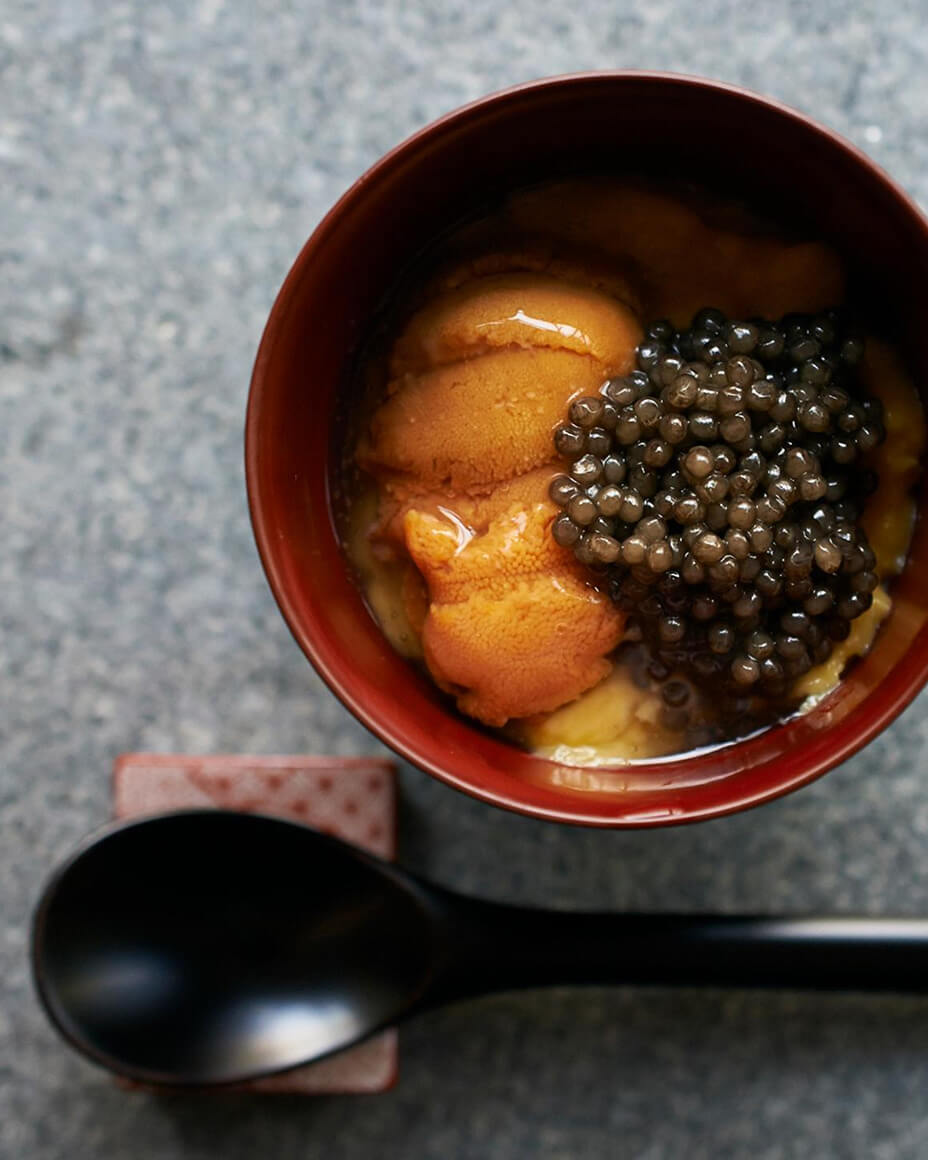
Executive Chef Akiyama’s imaginative, one-MICHELIN–Starred menu shifts with the seasons and typically encompasses around ten courses. Think ayu (aromatic Japanese sweetfish) kissed on the charcoal grill followed by chilled caviar with custardy eggs, silky uni, and potato. Later, blanched snow-white hamo or pike conger eel joined delicate sōmen noodles, okra and baby corn in refreshing chilled broth.
Impeccable, anticipatory, and kind service takes this experience over the top.
Words by Maggie Hennessy
Maggie is a Chicago-based food and drink writer. She got her start in business journalism, and has been writing about the culture and business of eating and drinking for almost 15 years.
Illustration by Doug John Miller
Doug is an illustrator and concept artist currently working in London. His drawings explore stories and experiment with colorful and highly detailed compositions of surreal and fantastical architecture.