Celebrating the people, passion, and stories behind great hospitality with Tock 10.
Abaita
New York, NY
The concept
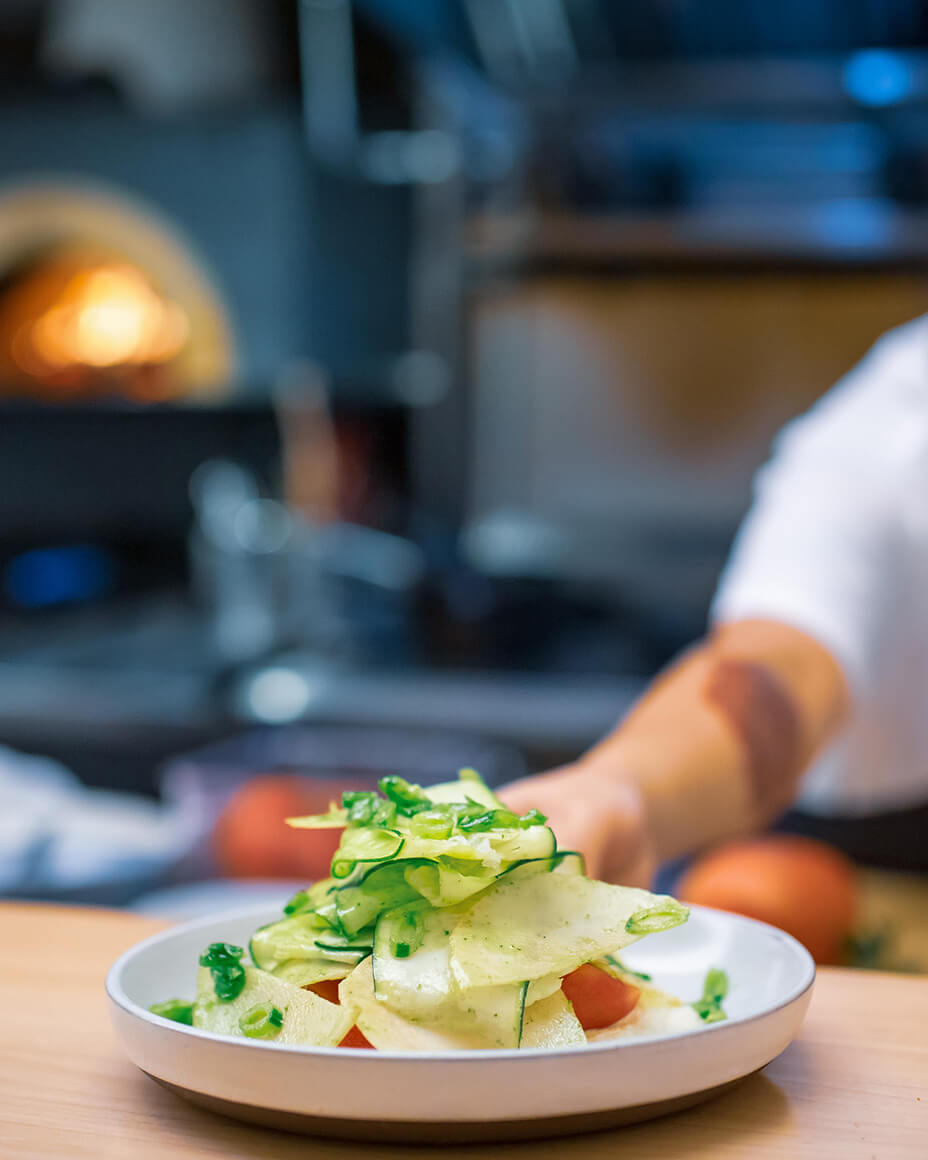
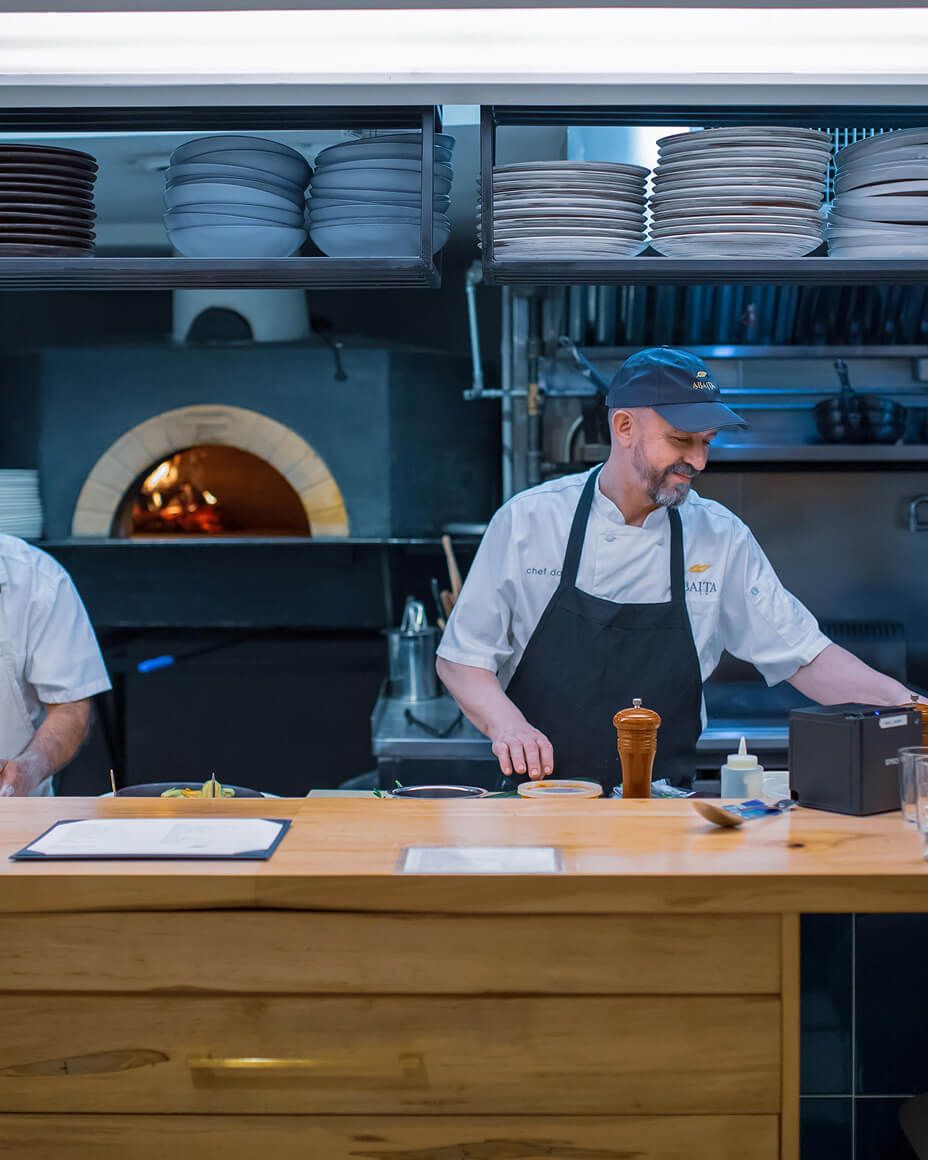
Abaita means “home” in both North Italian dialect and Hebrew, the very union that defines this kosher dairy restaurant in Midtown Manhattan. Two chefs, David Donagrandi (who grew up the son of a butcher in the shadow of the Italian Alps) and Sruli Subar, who was raised in Northern Italy, founded Abaita in 2018 with a vision to redefine the kosher dining experience while emphasizing the handmade and personal approach to Italian cuisine.
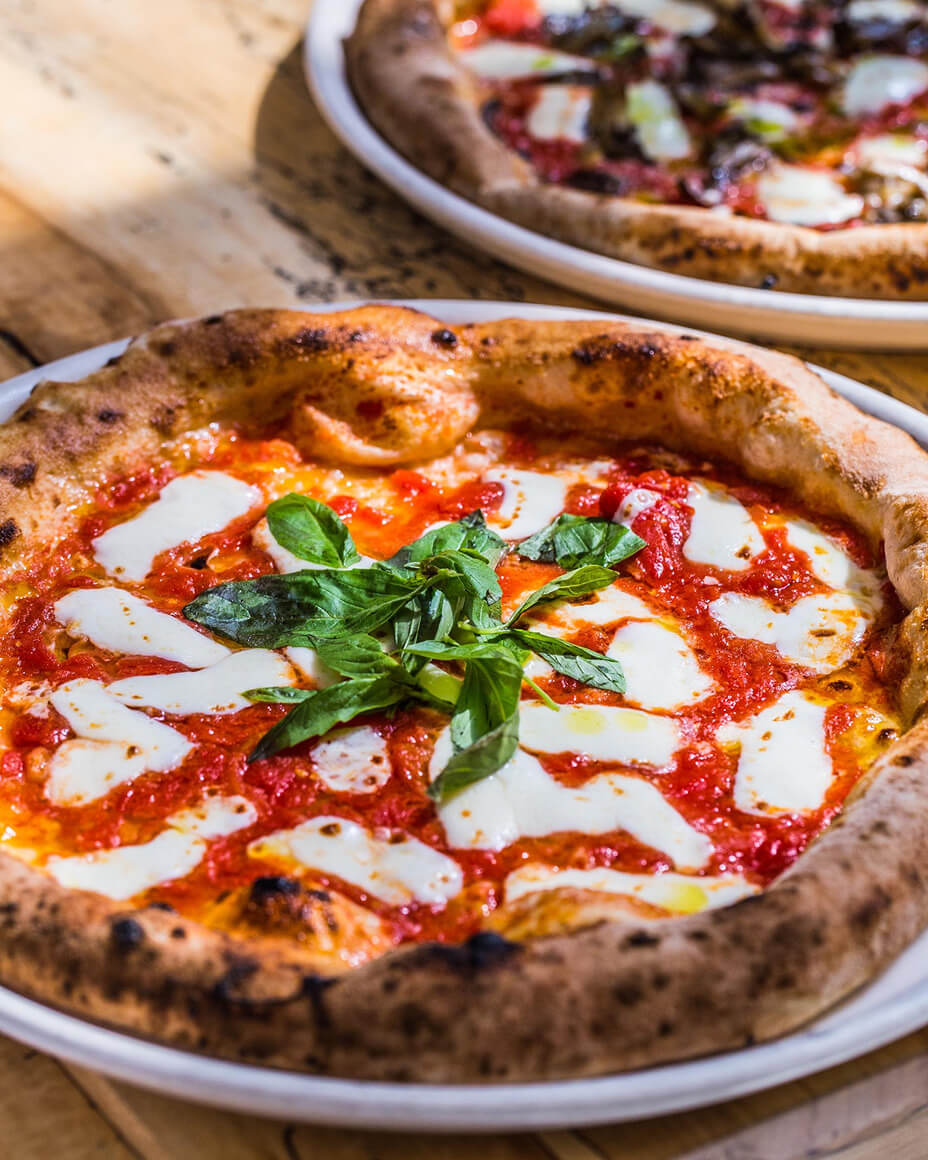
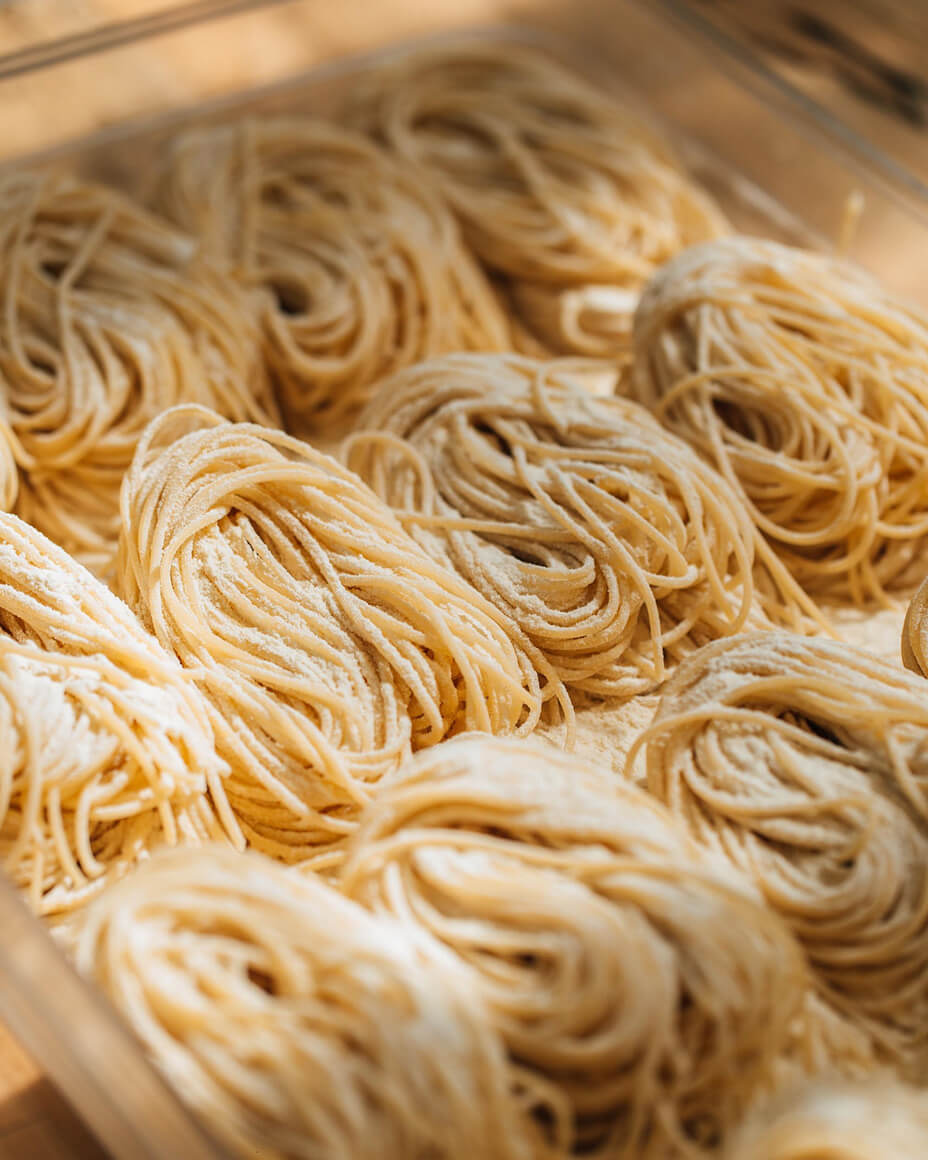
A wood-burning oven anchors the open kitchen, bringing handcrafted pizzas alive with flavor. Those pizzas start with housemade, naturally fermented dough that gets a perfect blistered charred edge. Many items on the menu feel the fire, from wood-roasted beets to flame-kissed salmon and halibut. Even pasta preparations, like the oven-fired lasagna benefit from the distinctive heat.
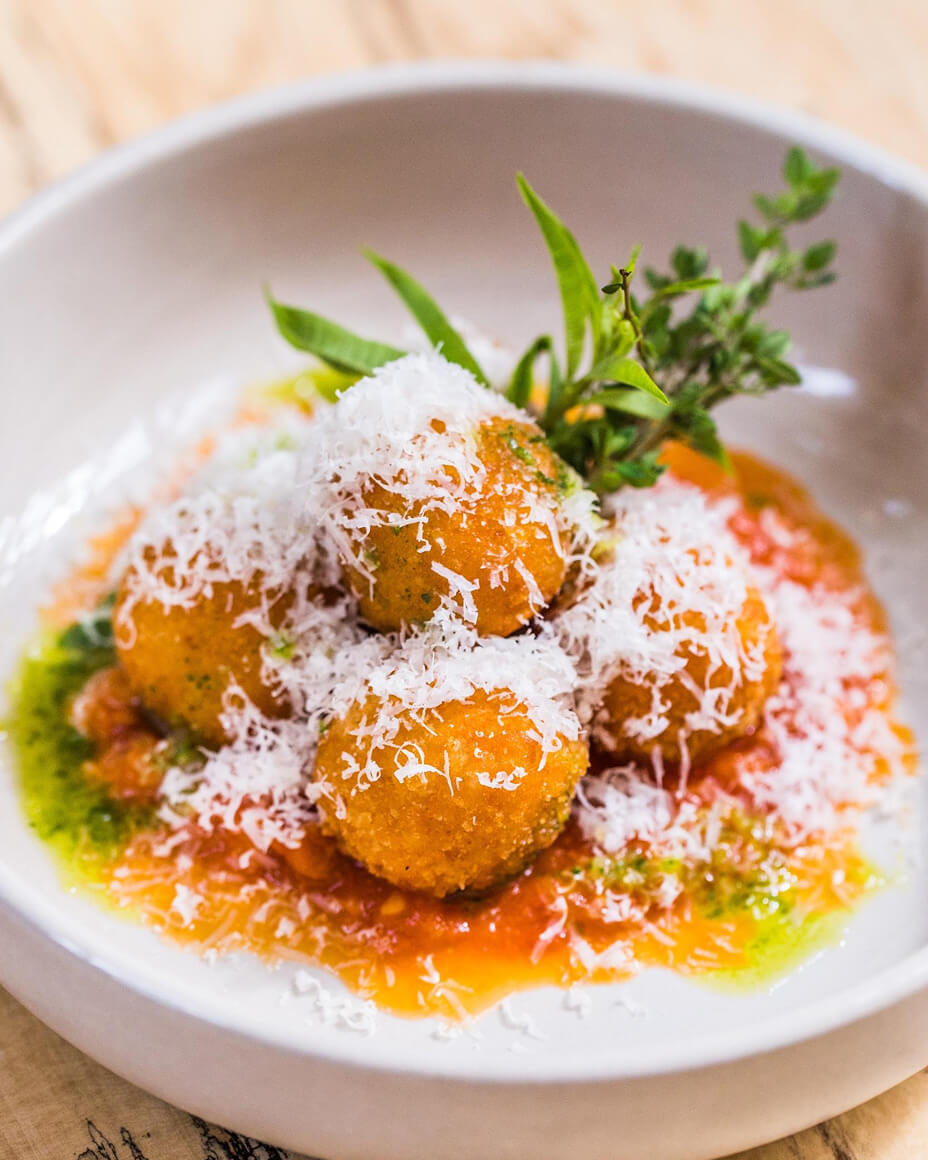
Being kosher at Abaita isn’t a limitation—it’s a source of intention. That care begins with house-made ingredients, from pizza dough to pastas like the much-loved black fettuccine with wood ear mushrooms and black truffle. It continues in the respect shown to the kosher community, who find not just a meal here, but a sense of belonging. It’s proof that fire and faith can come together in powerful ways.
Death & Co Denver
Death & CO LA
Death & Co
NYC, LA, DC, and Denver
The concept
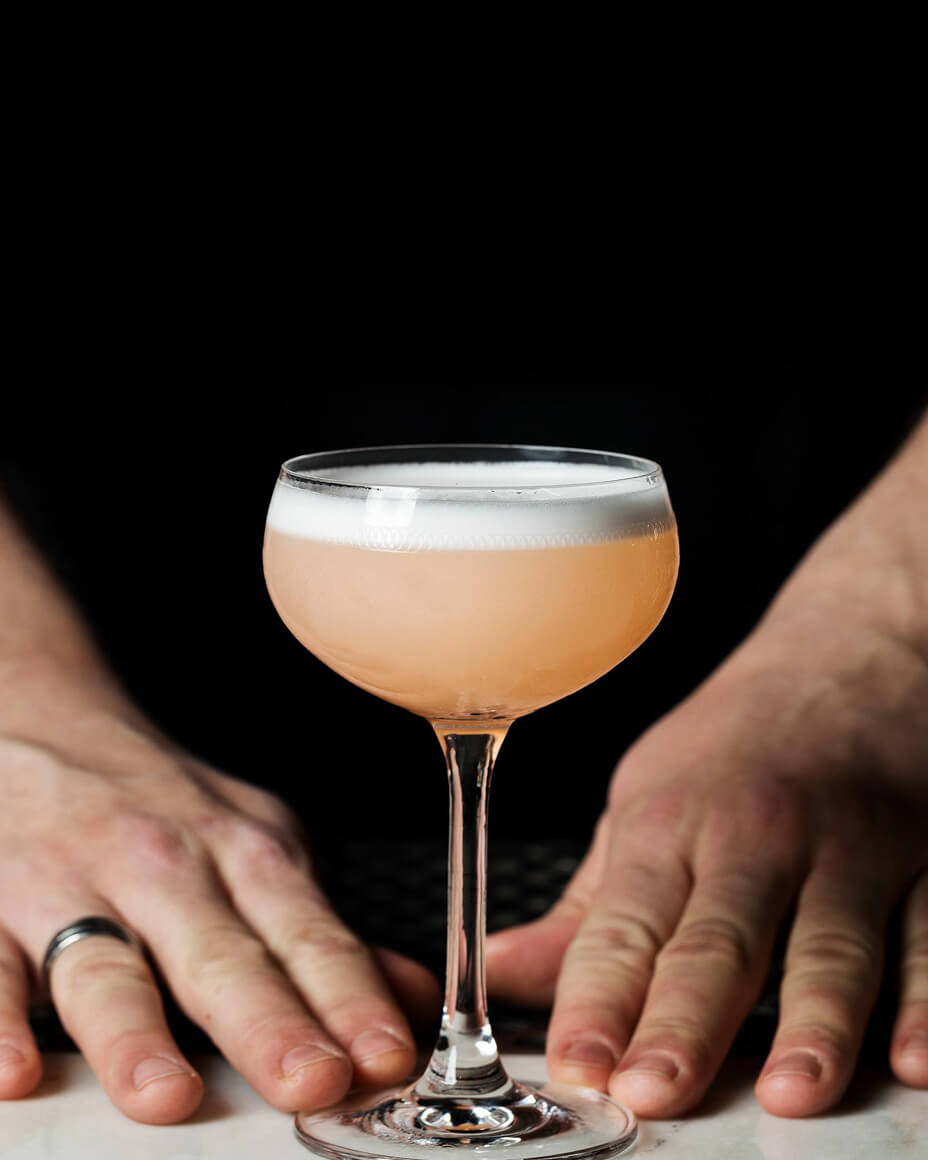
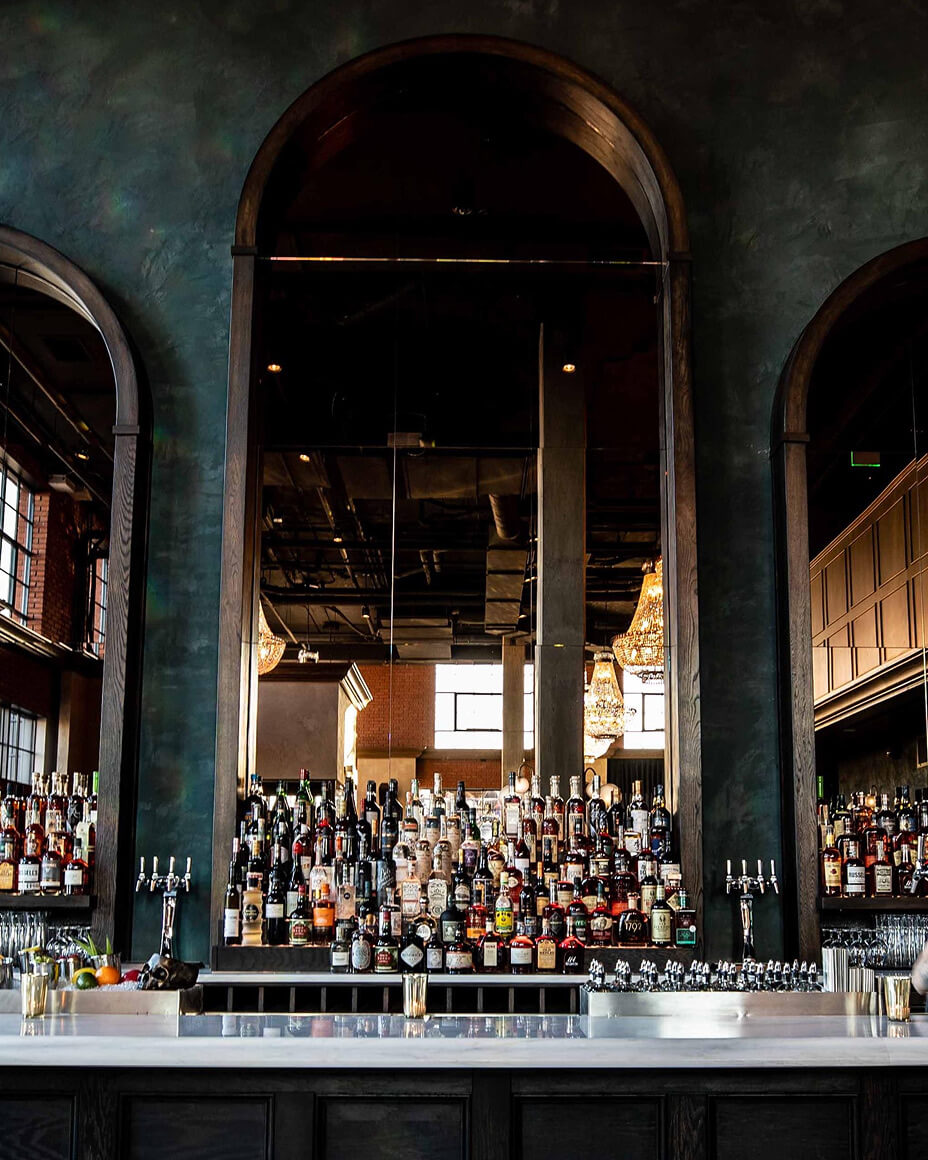
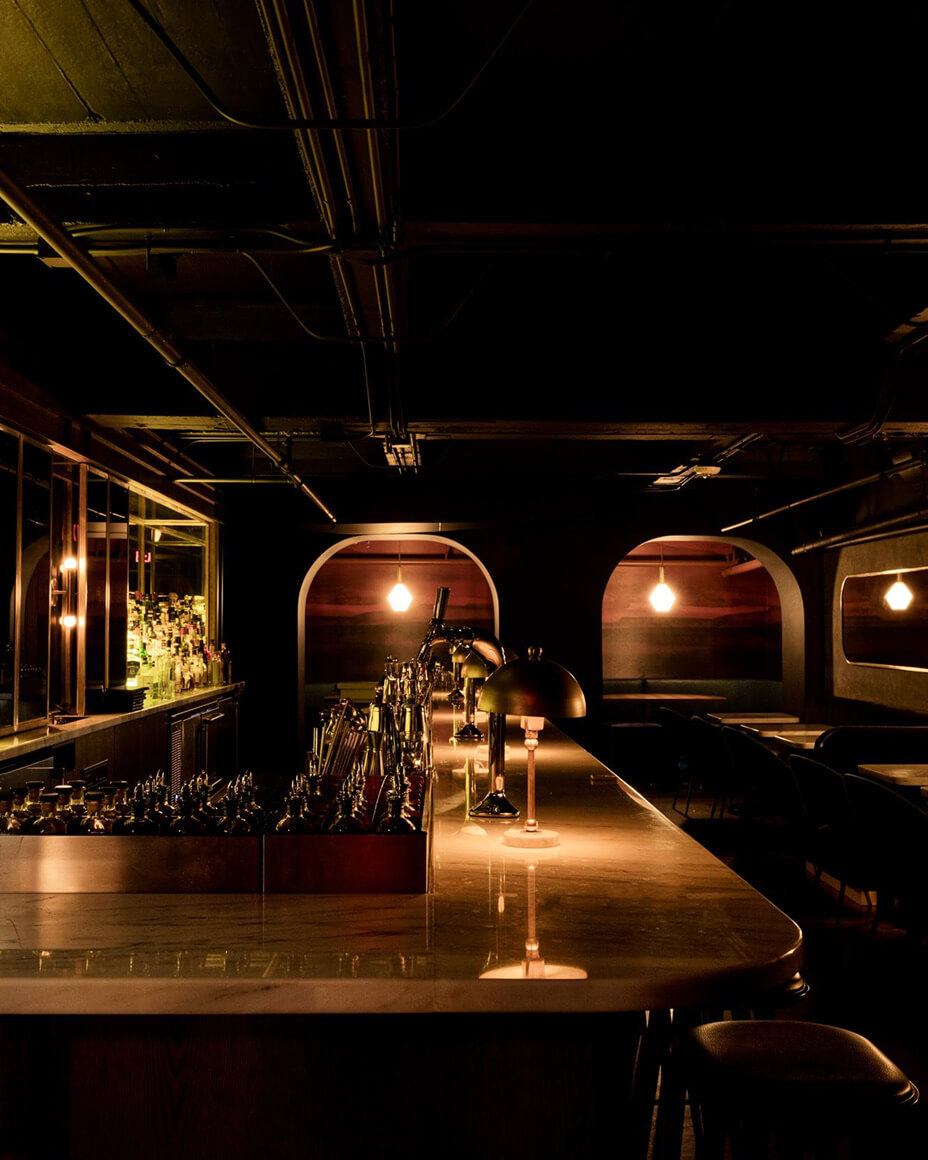
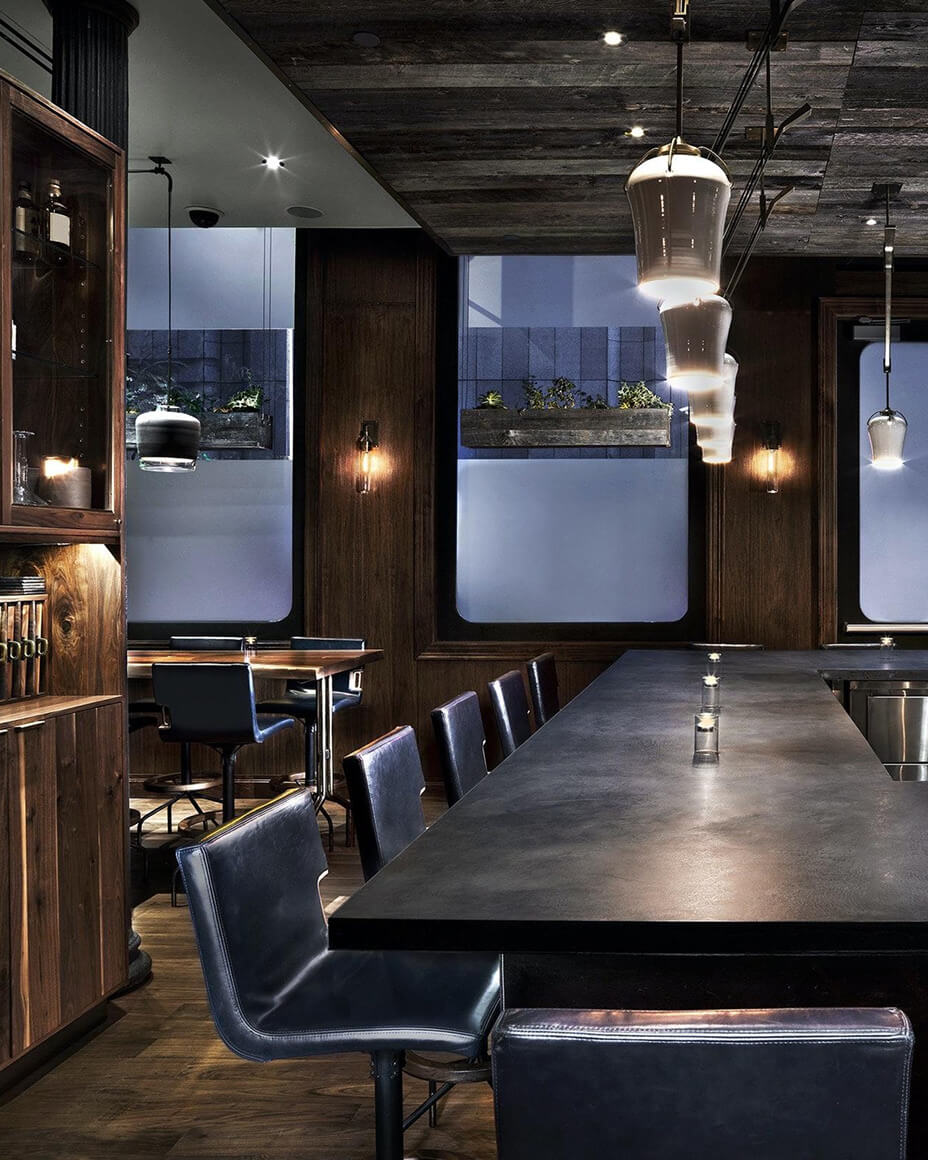
When Death & Co opened on New Year’s Eve 2006 in Manhattan’s East Village, it almost instantly became a cocktail institution. With its moody aesthetic, marble-topped bar, leather booths, and unbridled creativity, it helped define the modern craft cocktail movement. In 2010, it earned both Best American Cocktail Bar and World’s Best Cocktail Menu at Tales of the Cocktail’s Spirited Awards, later securing a spot on the World’s 50 Best Bars list in 2012. The bar introduced now-iconic drinks like the Oaxaca Old Fashioned and the Naked and Famous—recipes that appear on menus around the world. Its team has since authored influential books, including Cocktail Codex, winner of a James Beard Award® in 2019. What began as a single, dimly lit bar with exposed brick and bartenders in bow ties has evolved into something unprecedented: the rare hospitality brand that expanded without ever losing its soul.
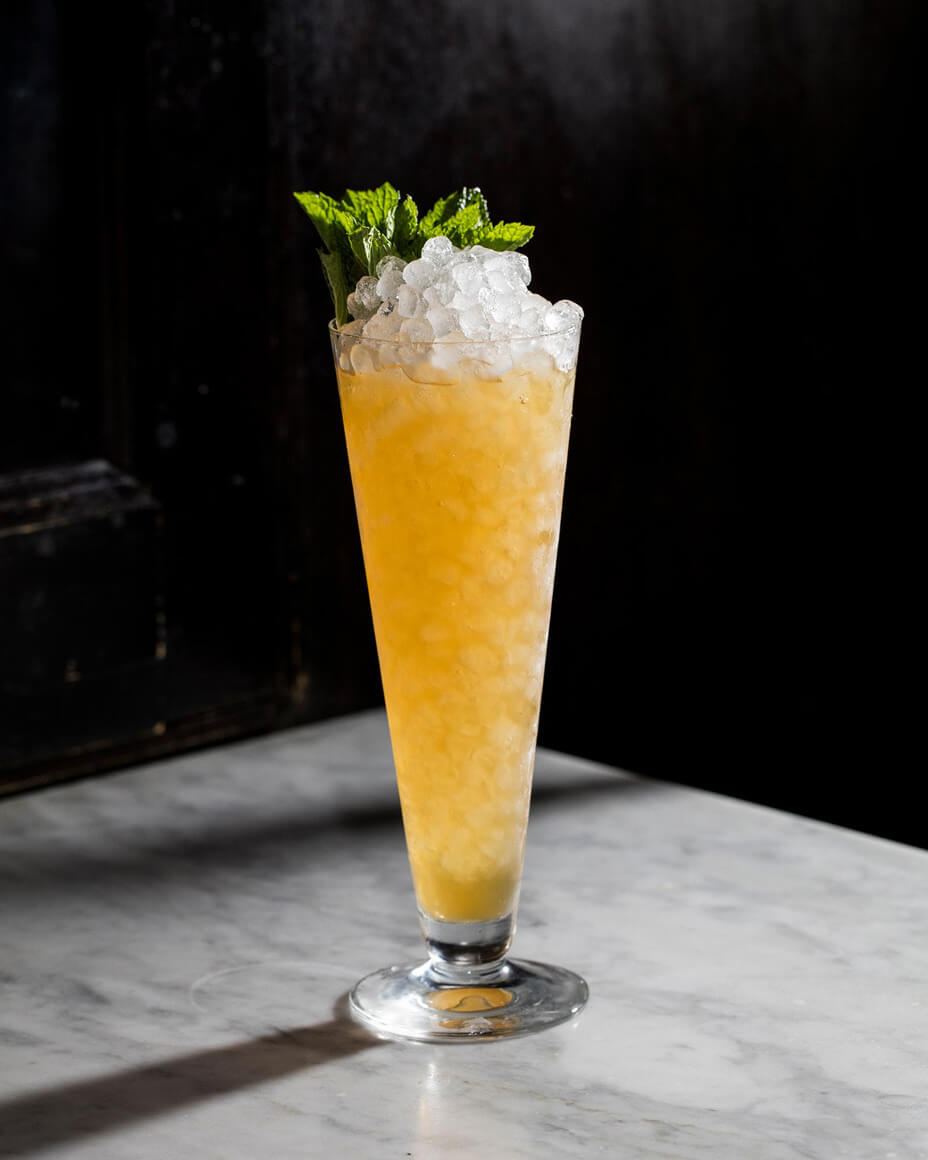
Following the runaway success and influence of the New York location, partners David Kaplan and Alex Day have since formed hospitality group Gin & Luck. They’ve opened Death & Co outposts in Denver, Los Angeles, Washington D.C., and soon to be Seattle, each location unique while retaining the essential Death & Co DNA. The menu changes twice yearly, cocktails are built with precision, and the dark, intimate atmosphere is welcome in every season. Each city’s location adapts to its context while maintaining the quality and creativity that made the original a destination.
For the consistency across evolution. Death & Co proved a cocktail bar can expand without sacrificing quality, training generations of bartenders while remaining as relevant today as it was nearly two decades ago.
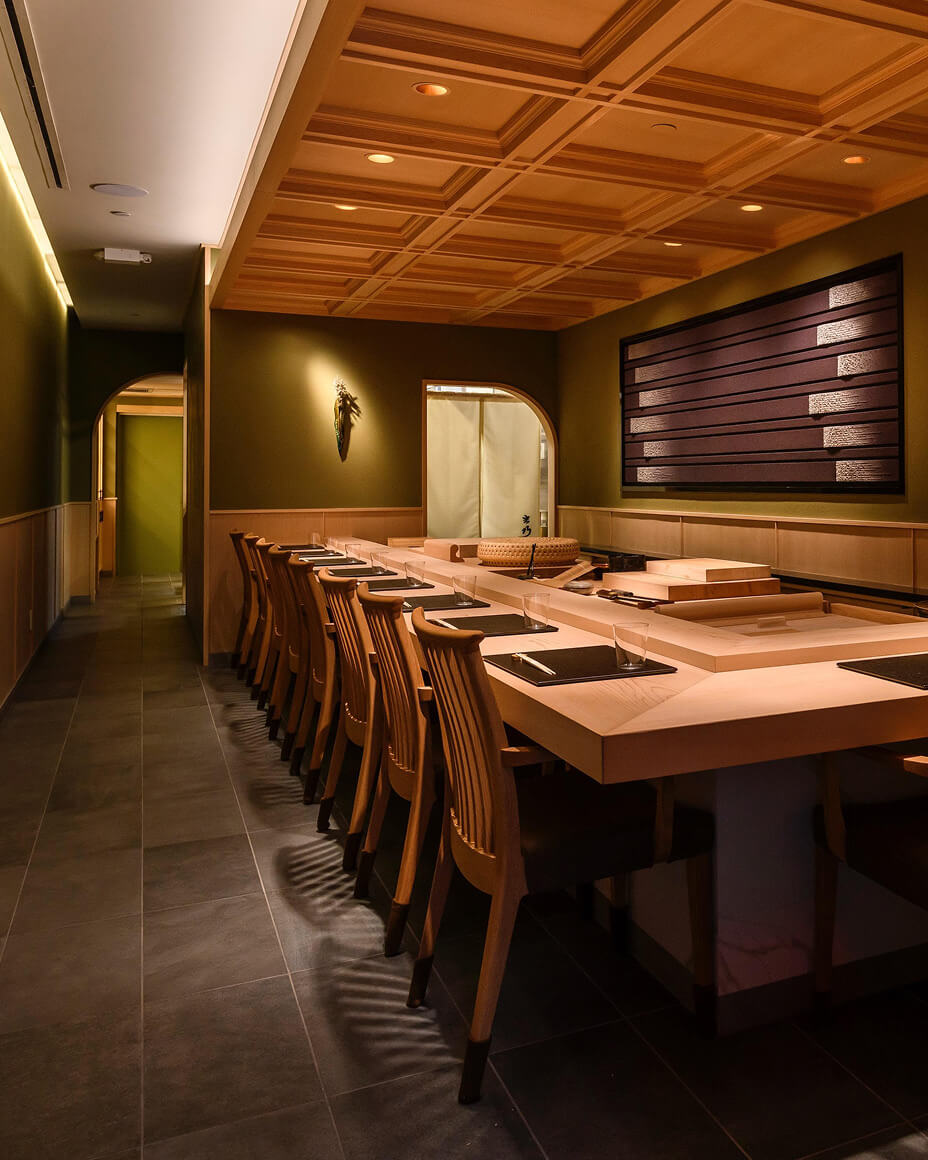
Photo by Eric Medsker
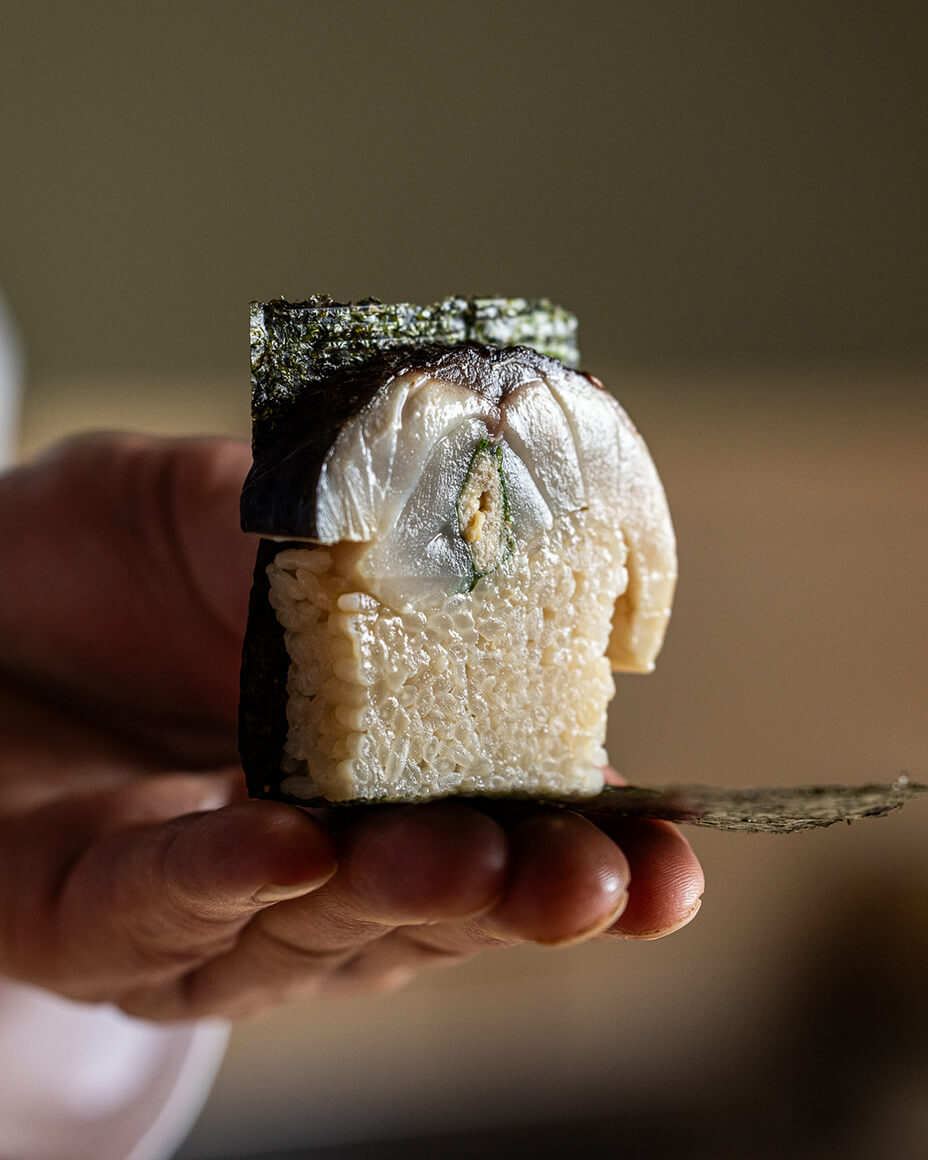
Photo by Eric Medsker
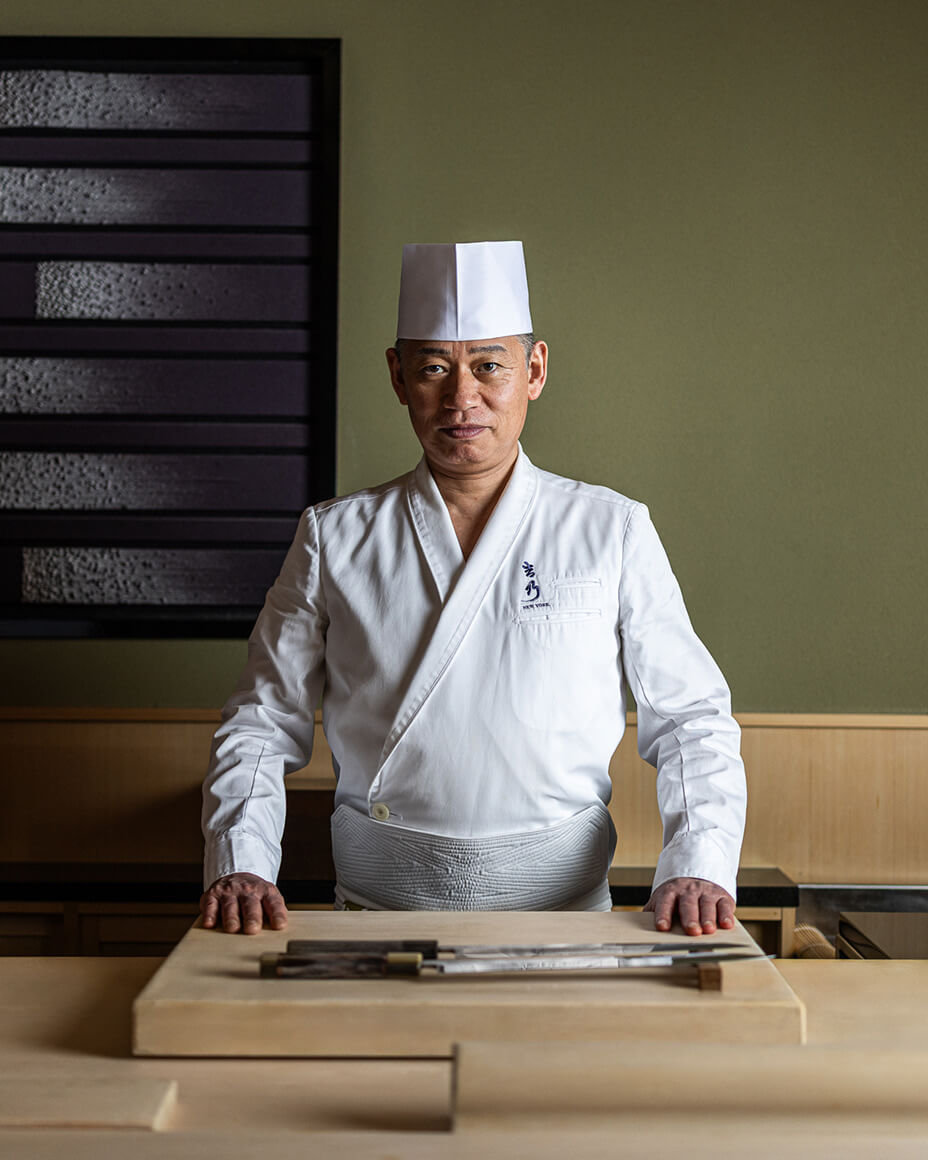
Photo by Eric Medsker
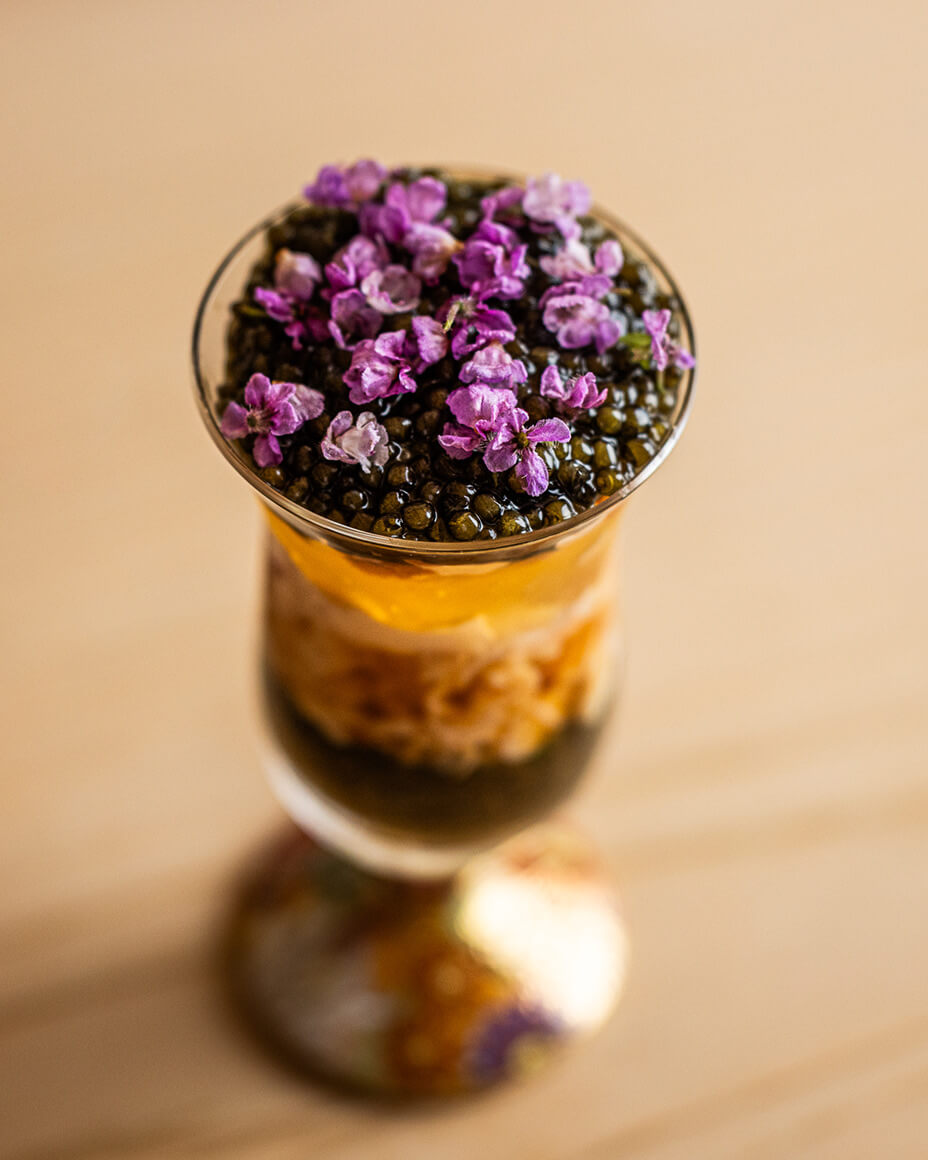
Photo by Eric Medsker
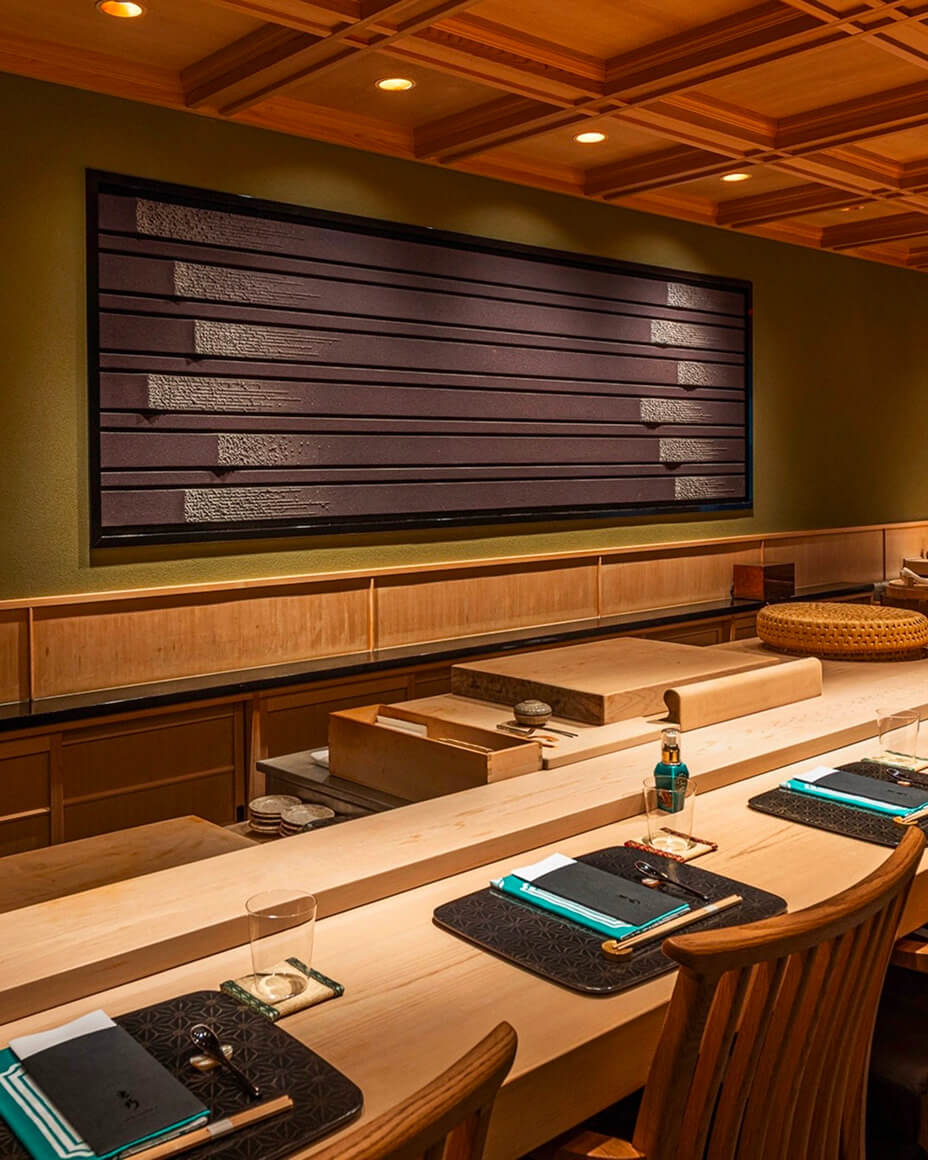
Photo by Eric Medsker
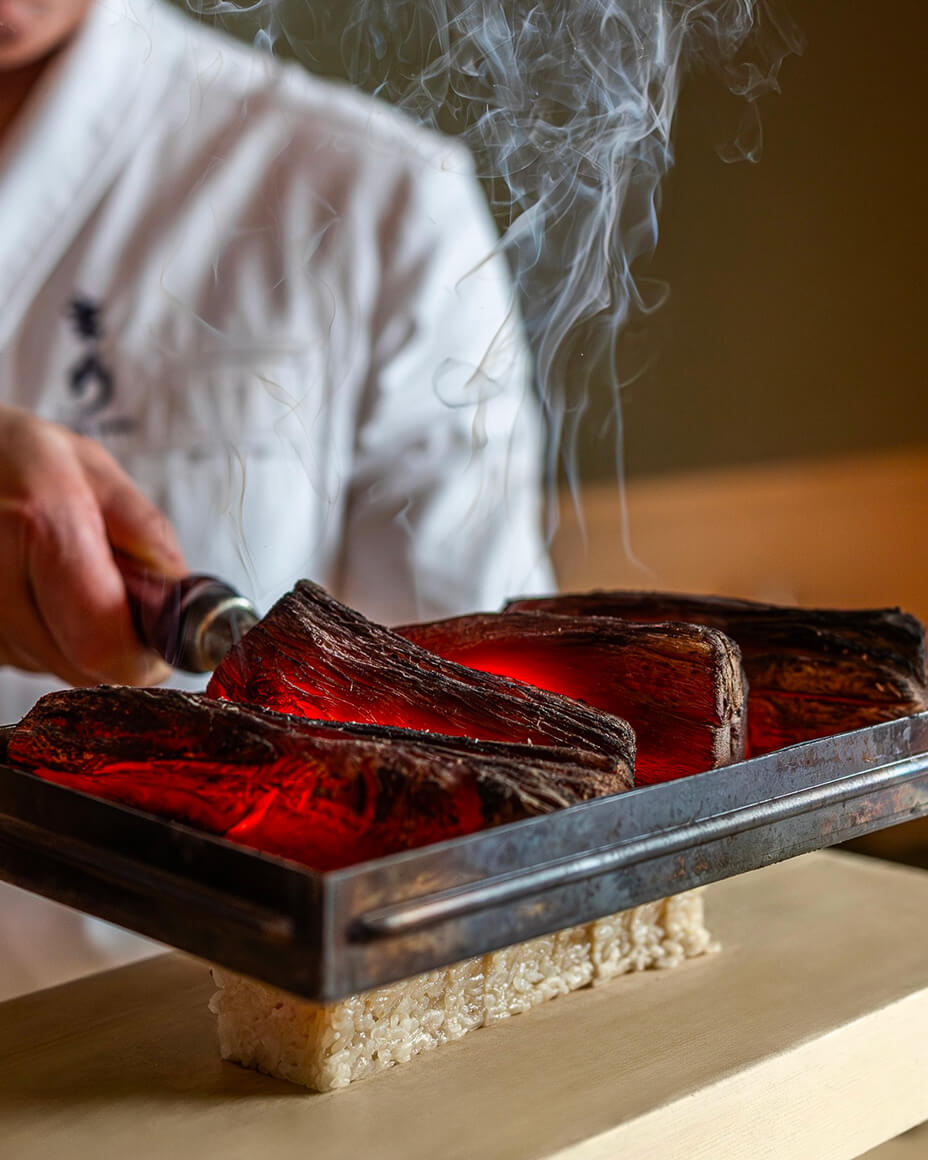
Photo by Eric Medsker
YOSHINO
New York, NY
The design
Precision defines every element of Chef Tadashi “Edowan” Yoshida’s exhilarating omakase counter—including Kentaro Eba’s design, constructed by Tomoya Hayakawa, which evokes an escape into a private, wondrous world. The anticipation mounts as you ring the doorbell outside of the locked front door. A host guides you past the entryways’ intricate kumiko woodwork then tucks you into your comfy Hinoki wood chair, made by hand in the Hida Takayama region of Gifu Prefecture. The Japanese cypress sushi counter on which your elbows rest is itself 300 years old, cured for 50 years after being lumbered, from the same tree found within the halls of Tokyo’s Imperial Palace. If you can bear to take your eyes off the culinary theater before you, glance up at the gotenjo ceiling, also made from Kiso cypress and featuring the same traditional coffering used in ancient Japanese castles. Watching the chefs deftly slice ruby slabs of tuna belly, you might be unsurprised to learn the knives were crafted by a master from Saga Prefecture.
Yoshida’s one-MICHELIN–Starred meal is a thrilling sensual journey—through bites like subtly sweet hairy crab, uni, and caviar followed by a mullet fish roe mochi umami bomb. Viscous sauce is ladled over fried monkfish; a smoky glass dome unveils a lobe of perfectly smoked salmon. It crescendos with the nigiri portion, a dramatic buildup of subtler, leaner bites before the chiaigishi chutoro (fatty tuna belly) mic drop.
One of the most expensive omakases in already pricey NYC concludes with a souvenir befitting of the thoughtful artistry on display here: a napkin designed by the chef every season and hand-dyed in Japan.
Tsukimi
New York, NY
The design
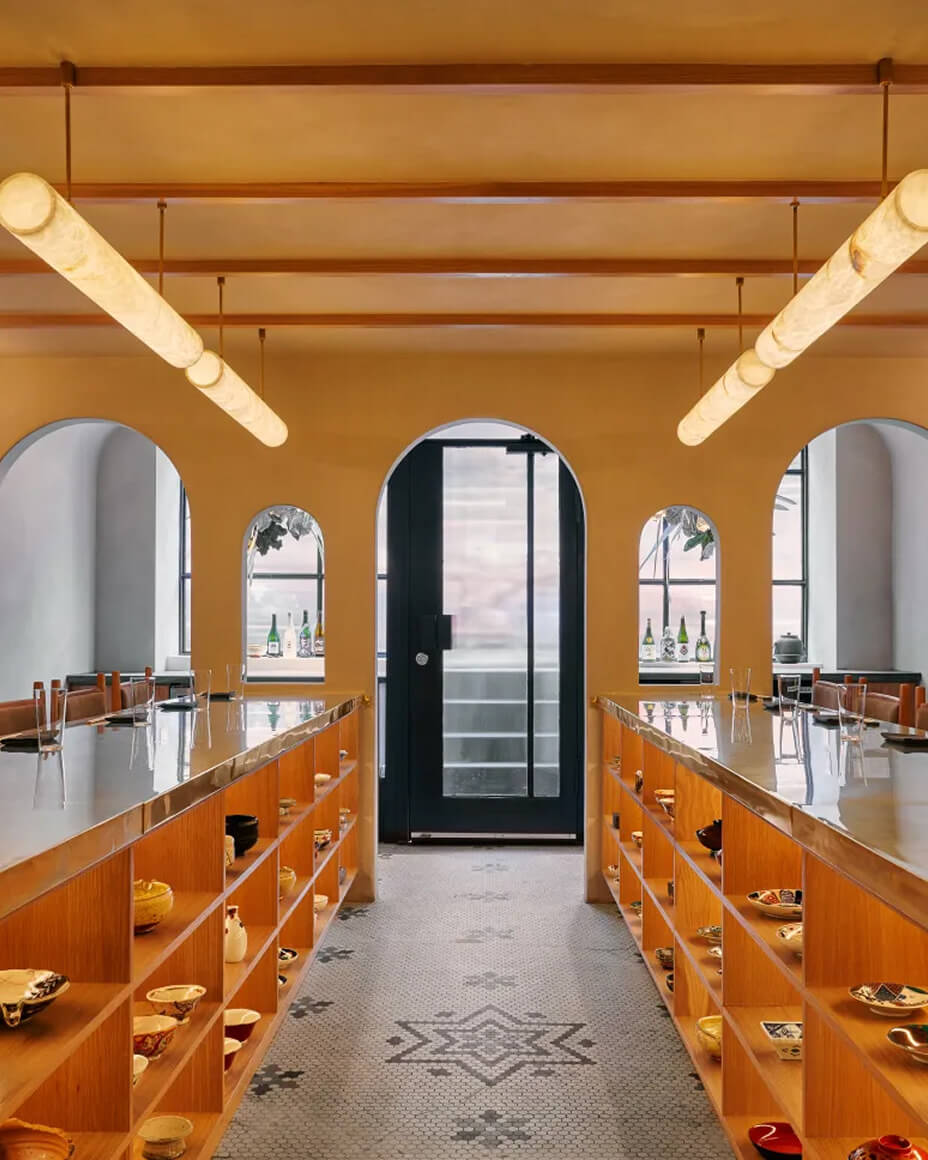
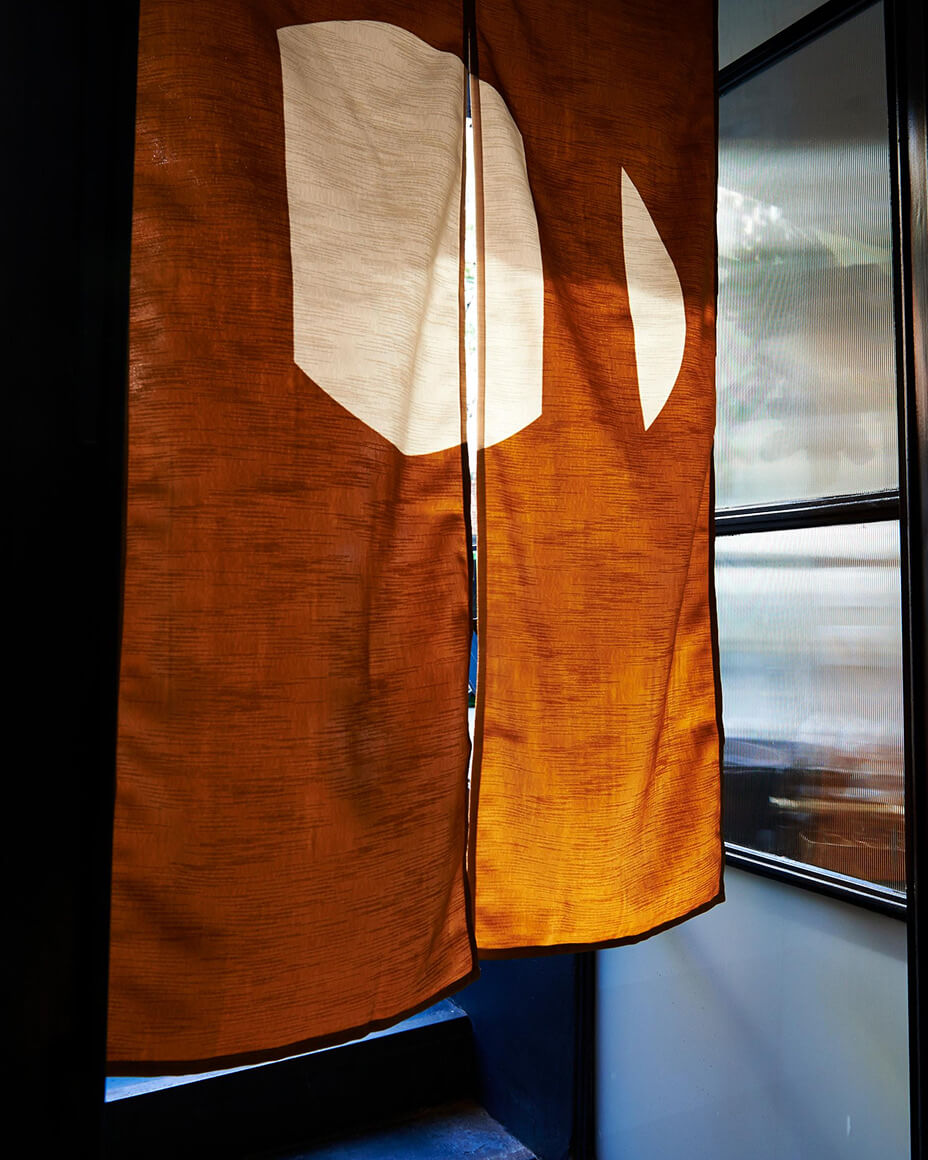
Japan’s long held harvest festival of Tsukimi (which translates to “moon viewing” and celebrates the moon at its fullest and brightest) is notable for its quiet reflectiveness—a ritual observed at home with loved ones. Takanori Akiyama and Karen Lin’s 12-seat, East Village kaiseki counter of the same name takes inspiration from these themes of contemplation, gratitude, and meaningful gathering in every aspect of the elegant design and whimsical food. Tsukimi’s interior, designed by Studio Tack, uses repeated circular patterns to establish a focused visual field aimed at slowing the mind down. Diners sit at long counters in framed seats, symbolizing permanence and purpose. Mirrored panels and illuminated shelves bearing ceramics mimic the diffused, reflected light of the moon as it appears on landscapes and in water. Meanwhile, the old brick facade and mosaic tile floors from the previous restaurant remain as narrative reminders of the inevitability of change.
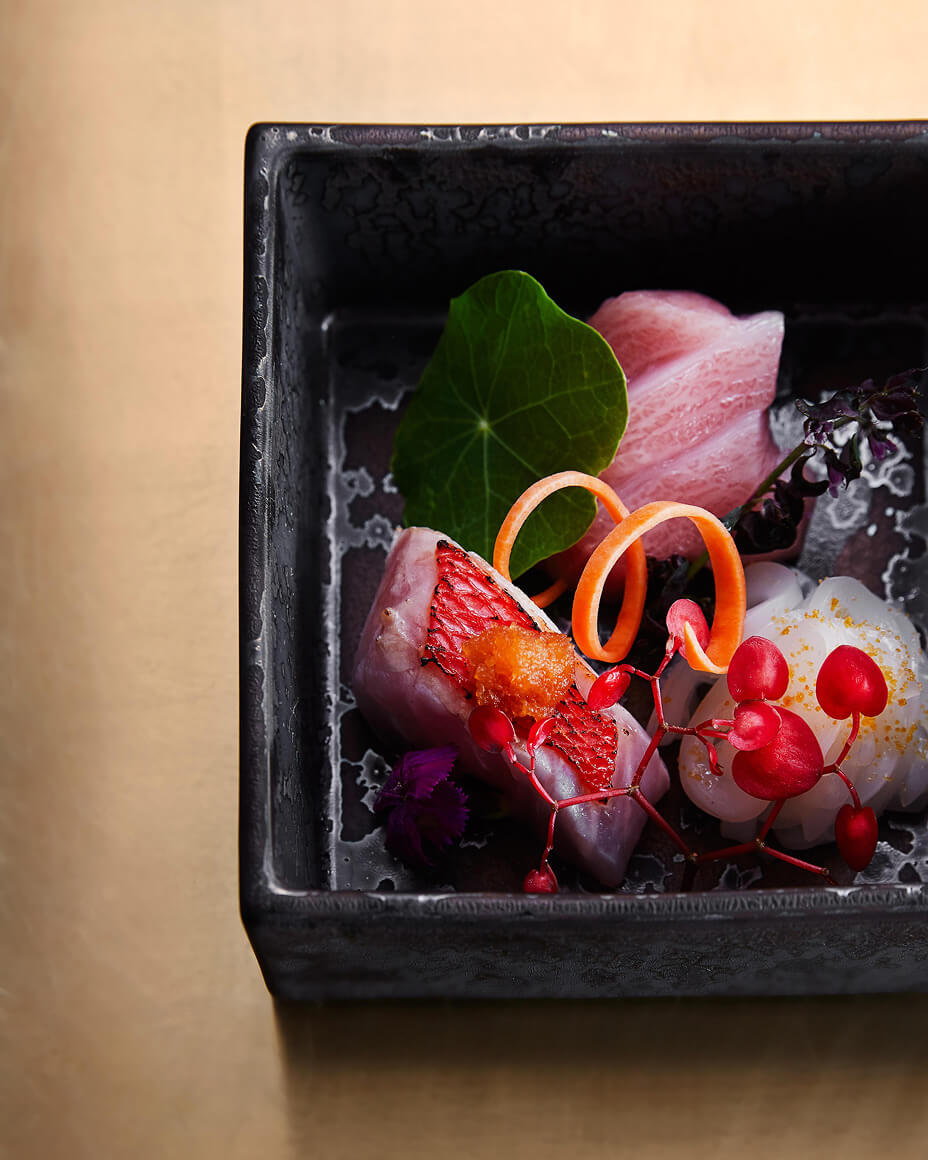
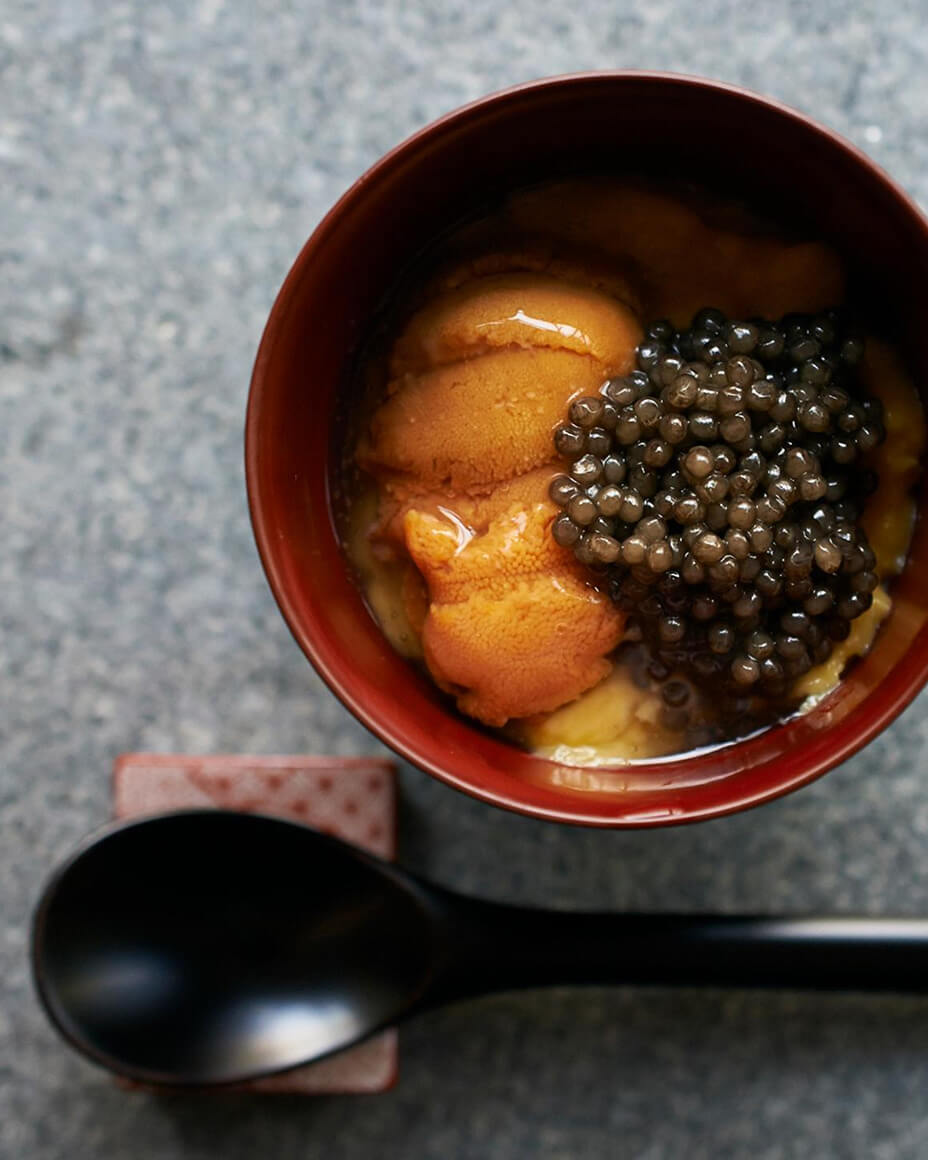
Executive Chef Akiyama’s imaginative, one-MICHELIN–Starred menu shifts with the seasons and typically encompasses around ten courses. Think ayu (aromatic Japanese sweetfish) kissed on the charcoal grill followed by chilled caviar with custardy eggs, silky uni, and potato. Later, blanched snow-white hamo or pike conger eel joined delicate sōmen noodles, okra and baby corn in refreshing chilled broth.
Impeccable, anticipatory, and kind service takes this experience over the top.
FREVO
New York City
The concept
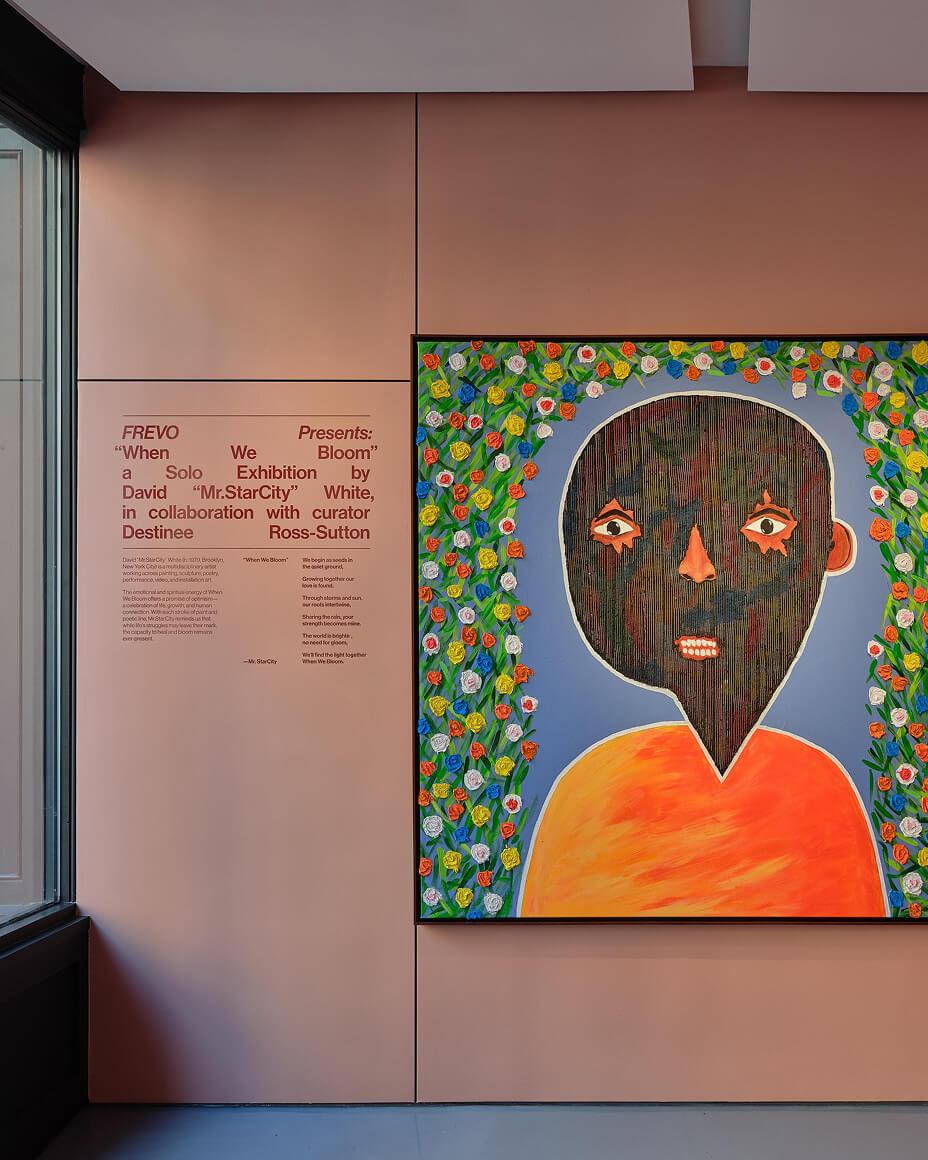
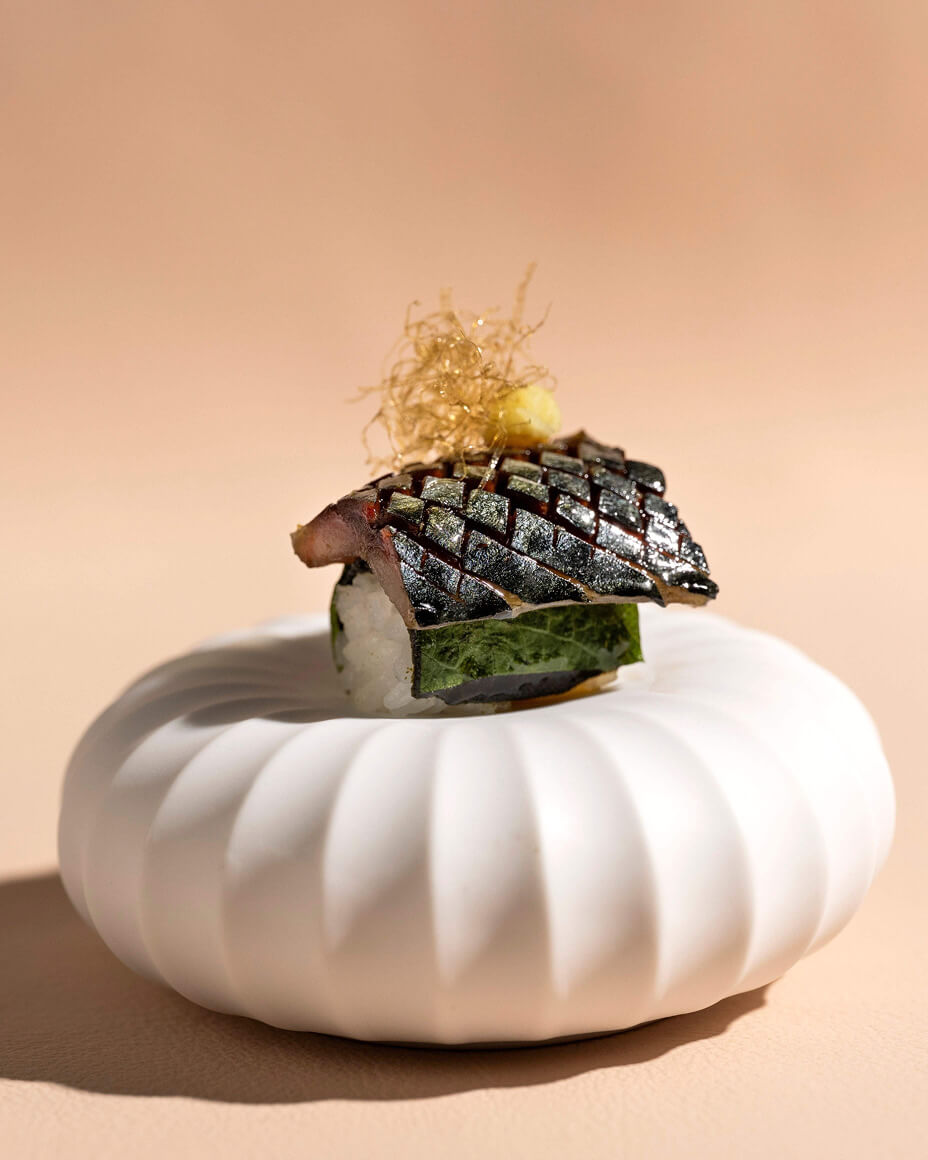
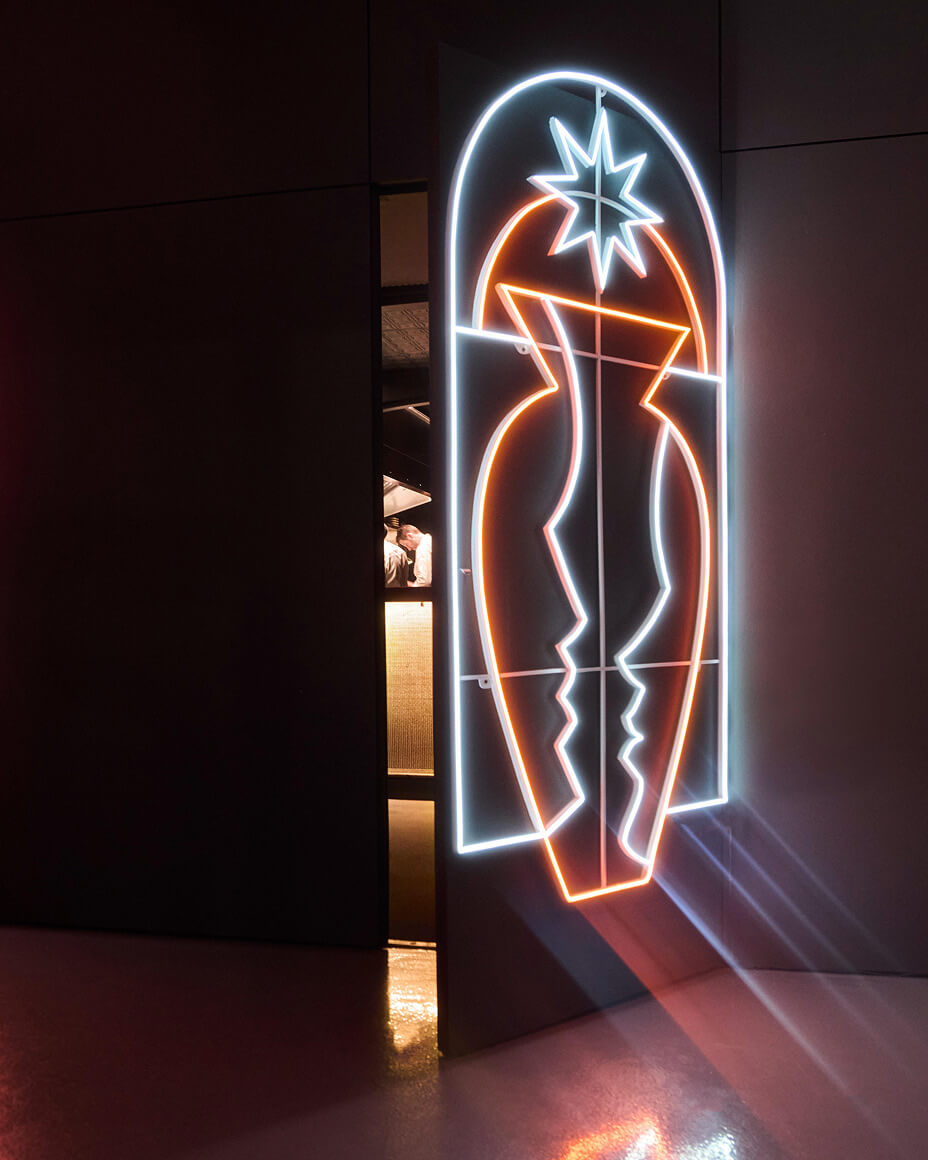
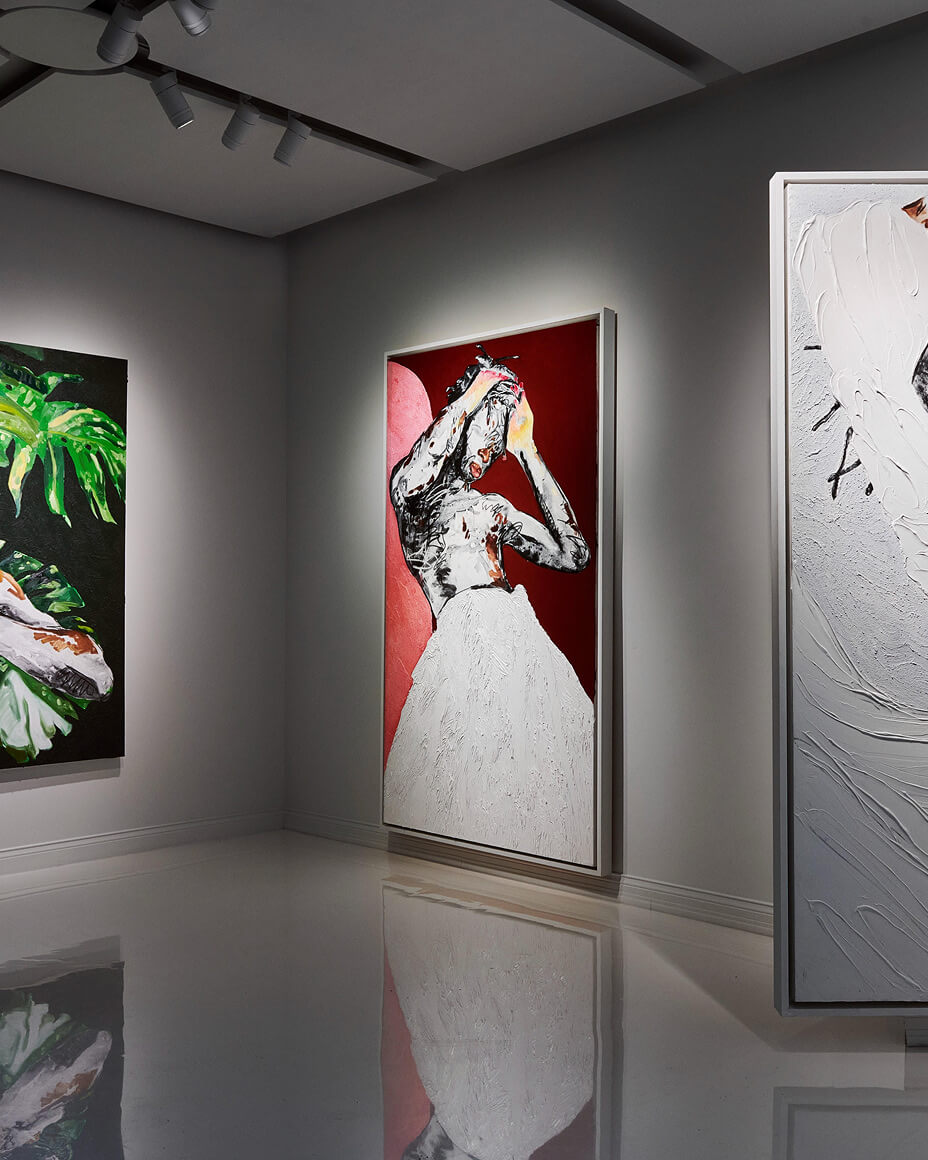
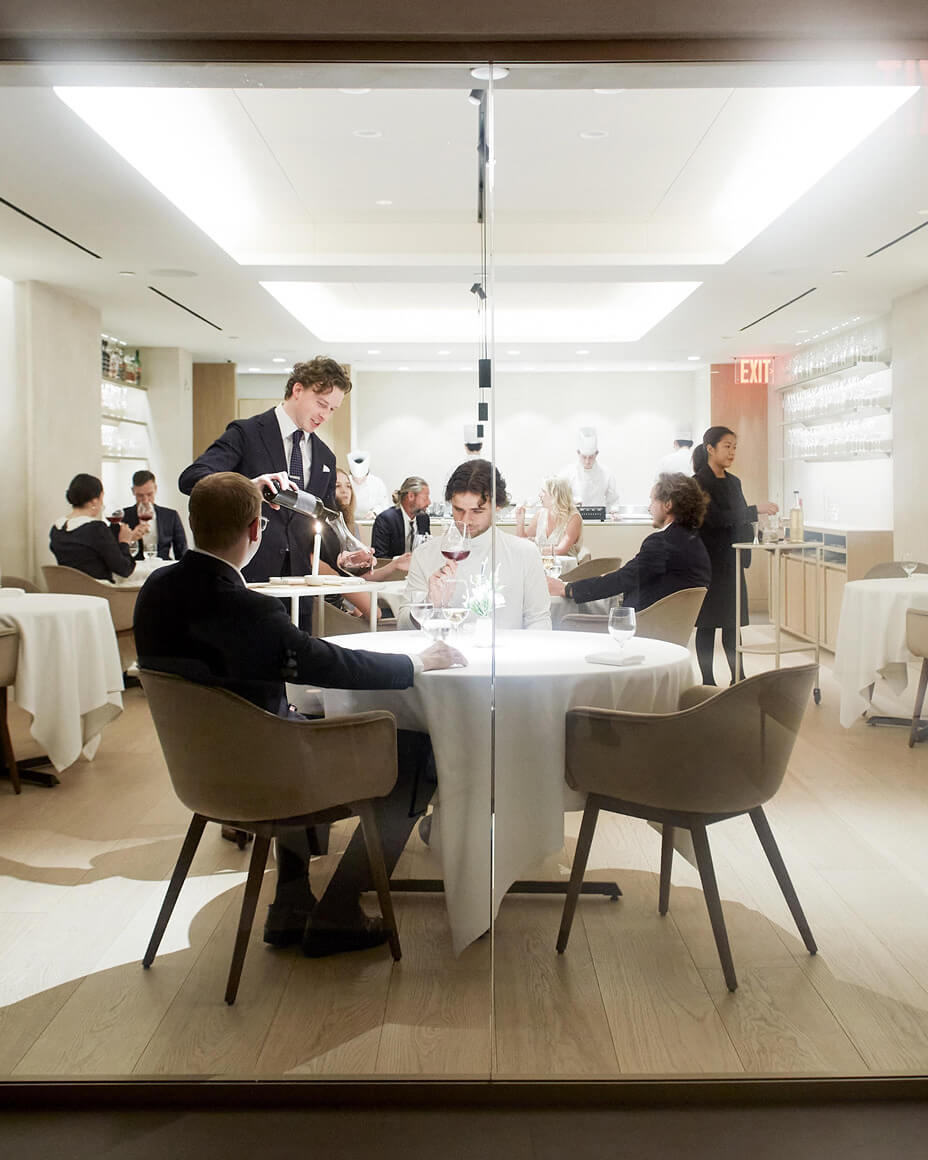
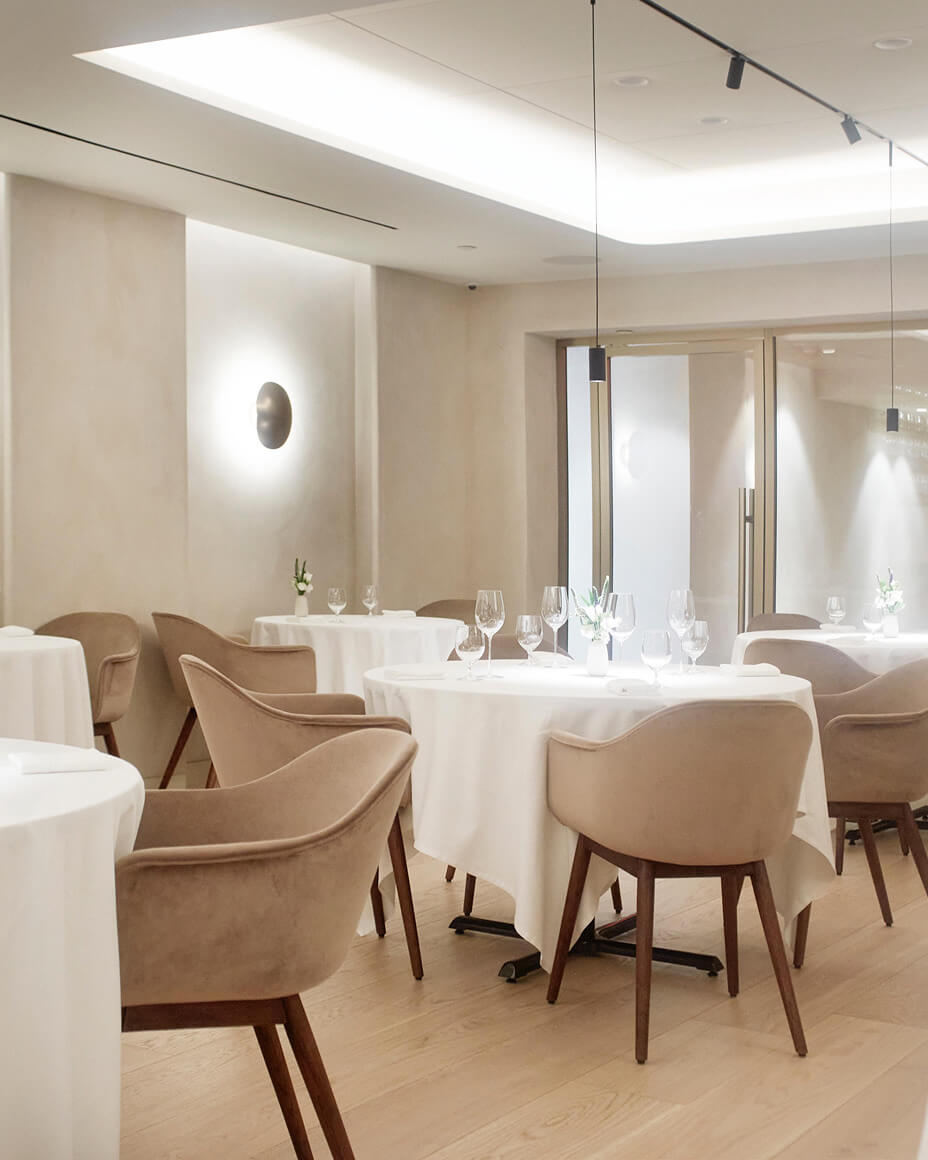
Your experience at this avant-garde restaurant begins in an art gallery. Enter through the front exhibition space before being ushered into the dining room through a discreet, art-covered door. The shift in atmosphere creates a dramatic transition as guests settle at the 18-seat chef’s counter. Brazilian-born and French-trained chef Franco Sampogna fuses visual storytelling with flavor, building each plate like an abstract work of art.
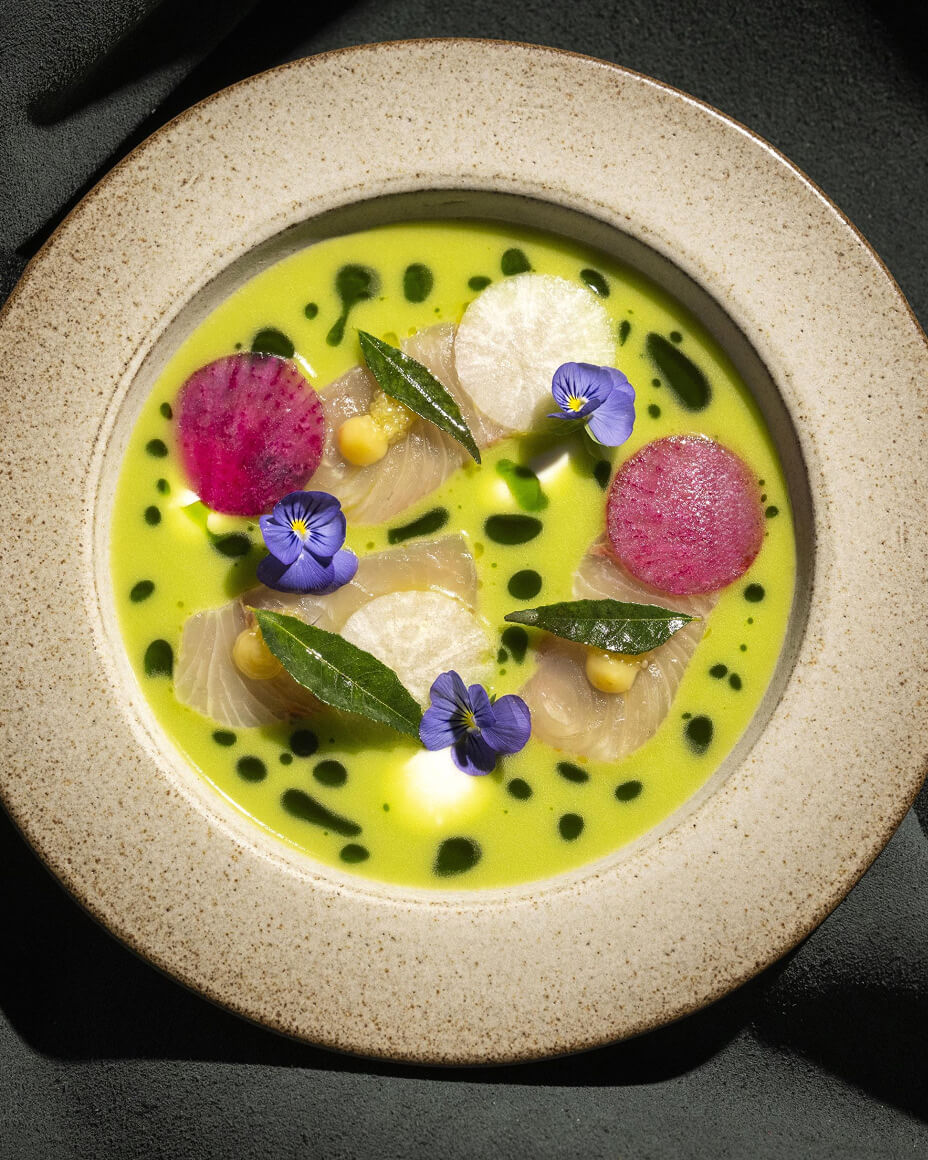
The art on display often inspires the tone or details of a dish. For example, a recent When We Bloom exhibition by Mr. Star City features bold florals and vibrant greens, inspiring Sampogna’s use of edible flowers and the integration of ingredients like jalapeño gazpacho and crispy curry leaf with amberjack for visual and flavor harmony. It’s a subtle but intentional exchange between mediums. Sampogna’s creativity results in unexpected riffs, like a pretzel served with smoked tofu—or 36-month aged Comté cheese shaved over honey ice cream with freeze-dried honeycomb.
For the drama. Book the counter, otherwise known as “the main stage” to watch the chefs preparing the menu live in front of you.
Atera
New York City
The concept
A chef’s counter in a dark and moody dining room sets the stage for a culinary performance by Danish chef Ronny Emborg, who has been leading the kitchen at Atera for a decade. Emborg honors the poetry of nature with a continuously evolving tasting menu, constantly tweaking dishes rather than sticking to a list of greatest hits. Dining here feels like watching a plein air artist at work. This is the rare New York tasting menu establishment open every day of the week, including lunch on Saturday.
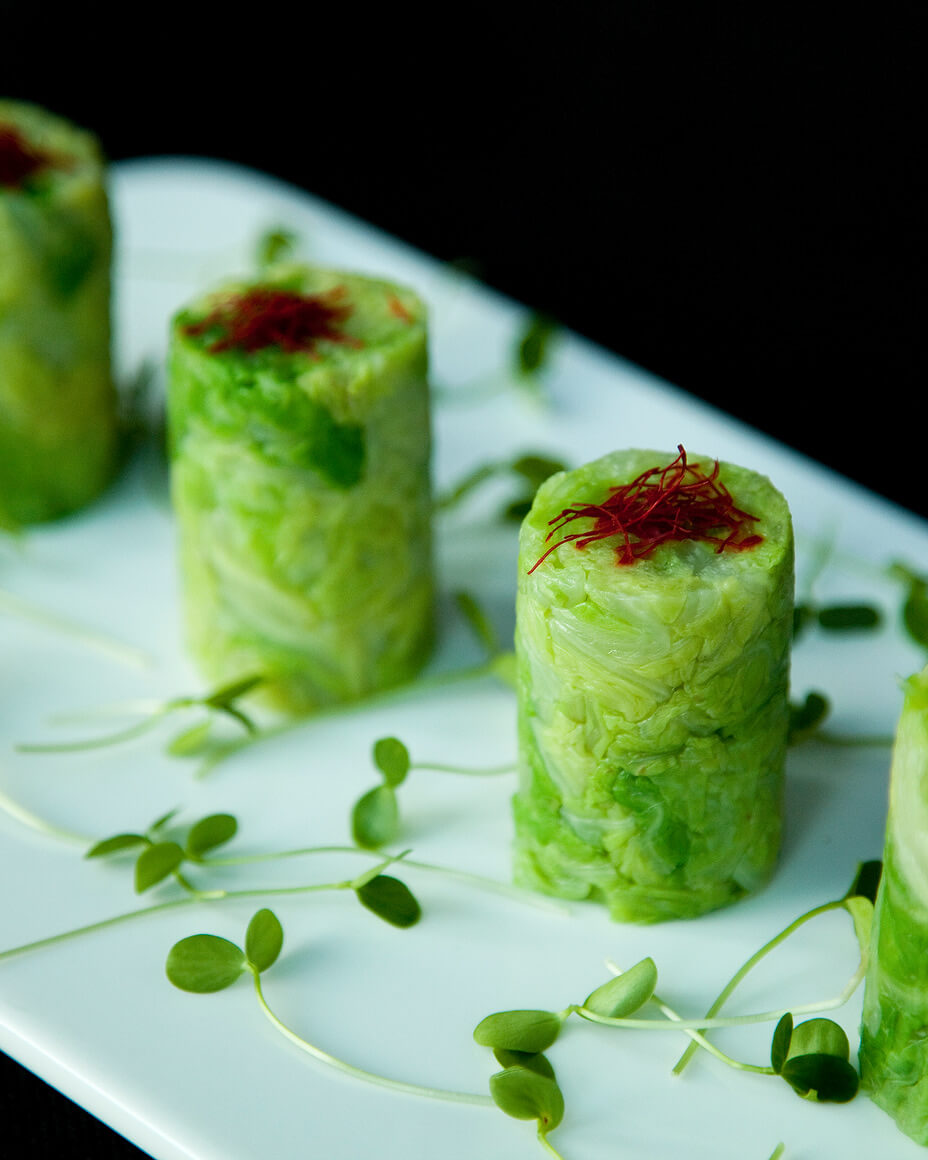
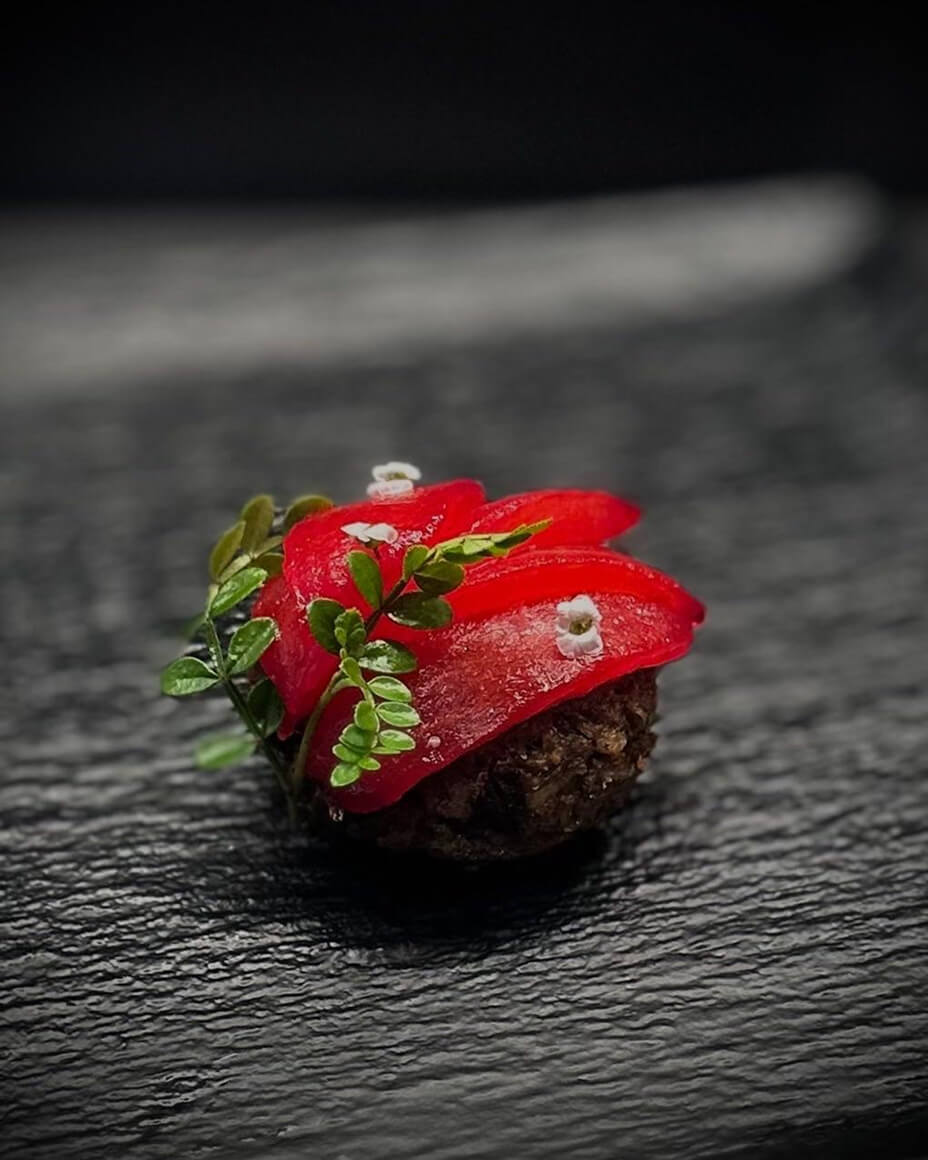
Æbleskiver with truffle and Comté cheese is an indulgent opening bite, with a nod to Emborg’s Danish roots. Weird and wonderful combinations might include a corn cappuccino with shrimp broth, heaps of Ibérico ham and saffron mushroom ravioli. Totemic luxury ingredients abound, from foie gras and Wagyu beef to ungodly amounts of caviar atop silky custard with smoked olive oil. Desserts end on a light note, including a trio of doll-sized mignardise.
A lively soundtrack of Rihanna, Snoop Dogg, and Kesha shatters any fine dining pretension.
Bodai
New York City
The concept
Chinese imperial dining with a vegetarian twist, Bodai is a tiny, plant-based temple nestled within the chef’s eponymous tasting menu restaurant. The name Bodai is derived from Sanskrit, signifying enlightenment and wisdom. Chef Guo Wenjun blends ancient Chinese traditions with natural ingredients to present modern cuisine that incorporates vivid hues and artistic sensibility. Vessels are chosen with harmony in mind. Even the sound of a dish is taken into consideration, as a way to narrate the stories behind each dish.
Buddha Jumps Over the Wall is a soup typically reserved for special occasions, chock-full of rare seafood ingredients like abalone, sea cucumber, and dried scallops. Here, the plant-based version features a plethora of mushrooms, baby bok choy, and plump goji berries instead. In fact, mushrooms appear in nearly every course, while the menu continuously evolves. Servers explain the nutritional benefits of each dish, including how it affects your qi and immune system.
For the strong sense of identity. Chef Guo hones in on a truly original vision he has been refining for decades.
Aquavit
New York, NY
Origin
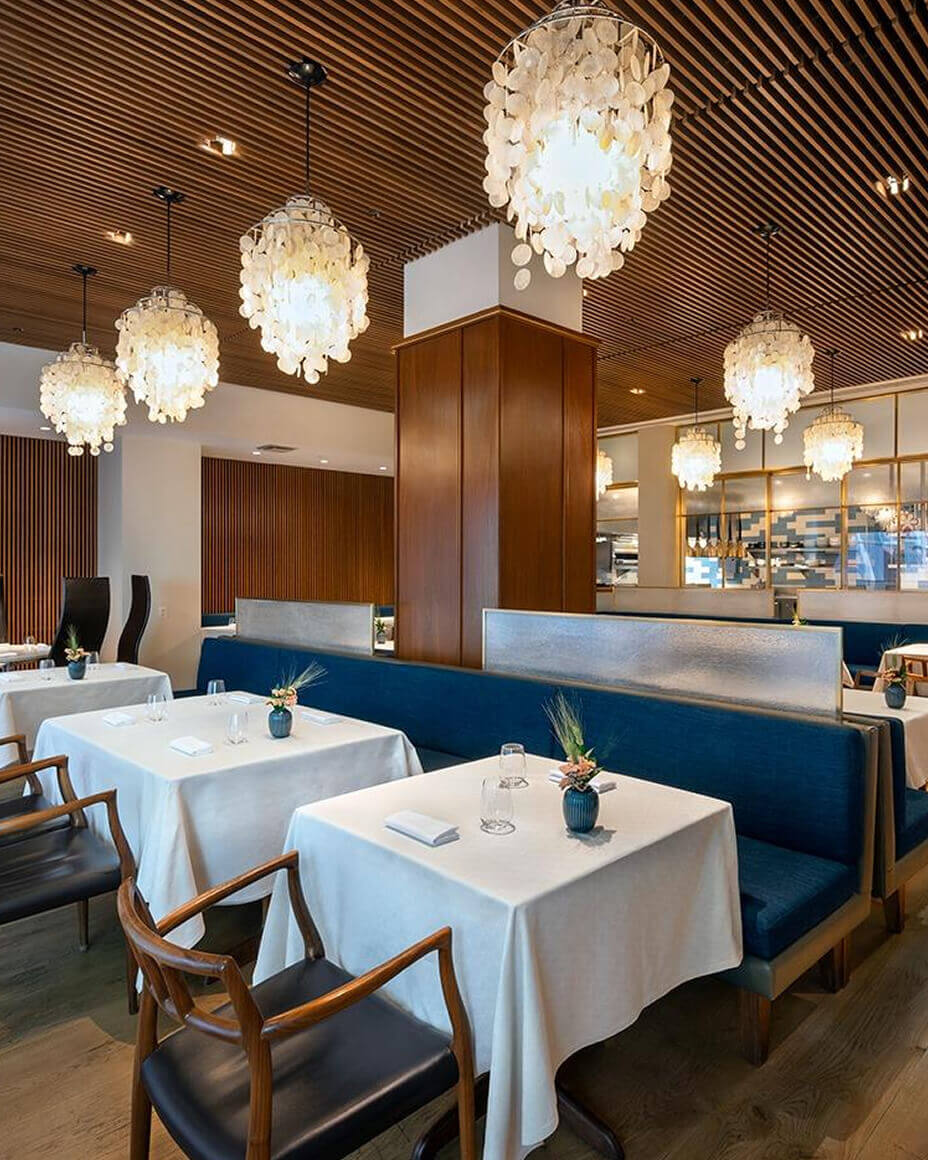
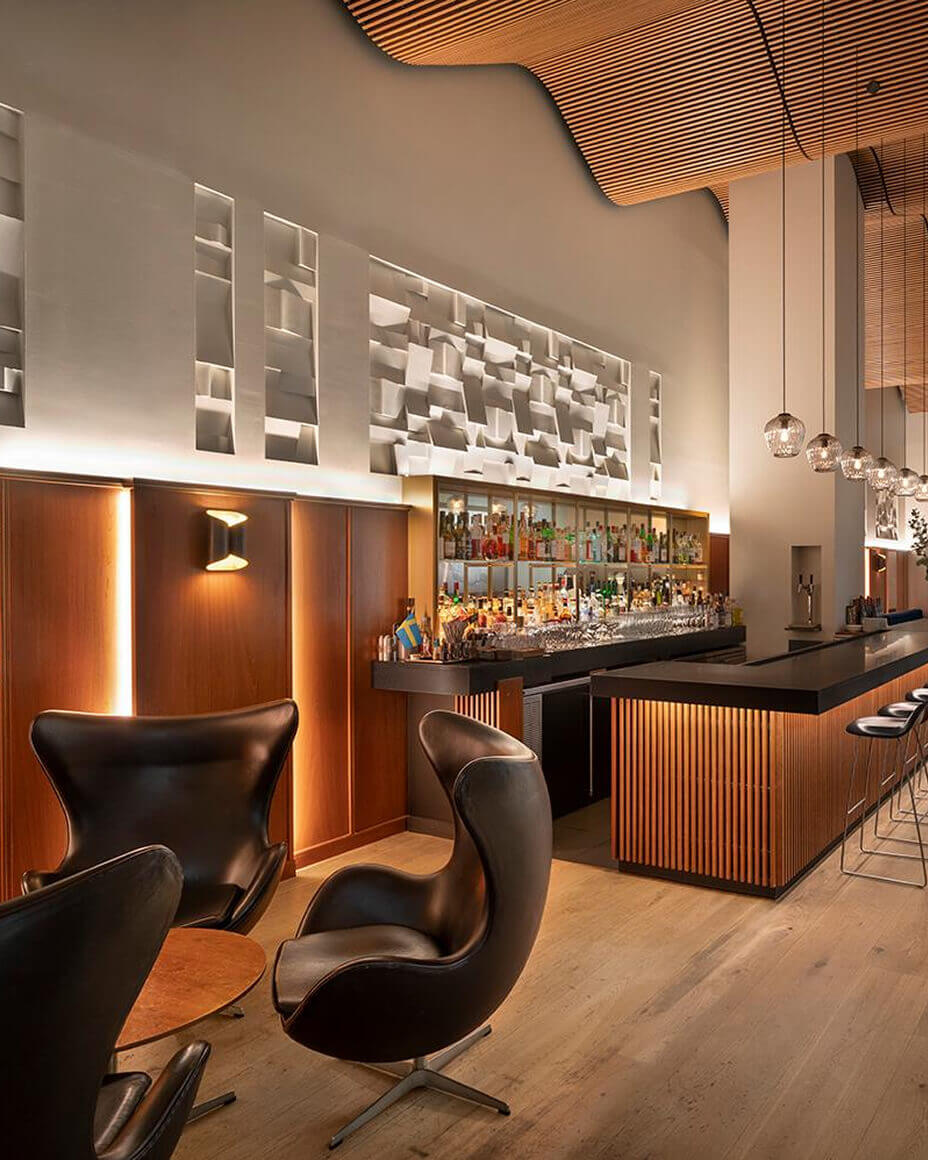
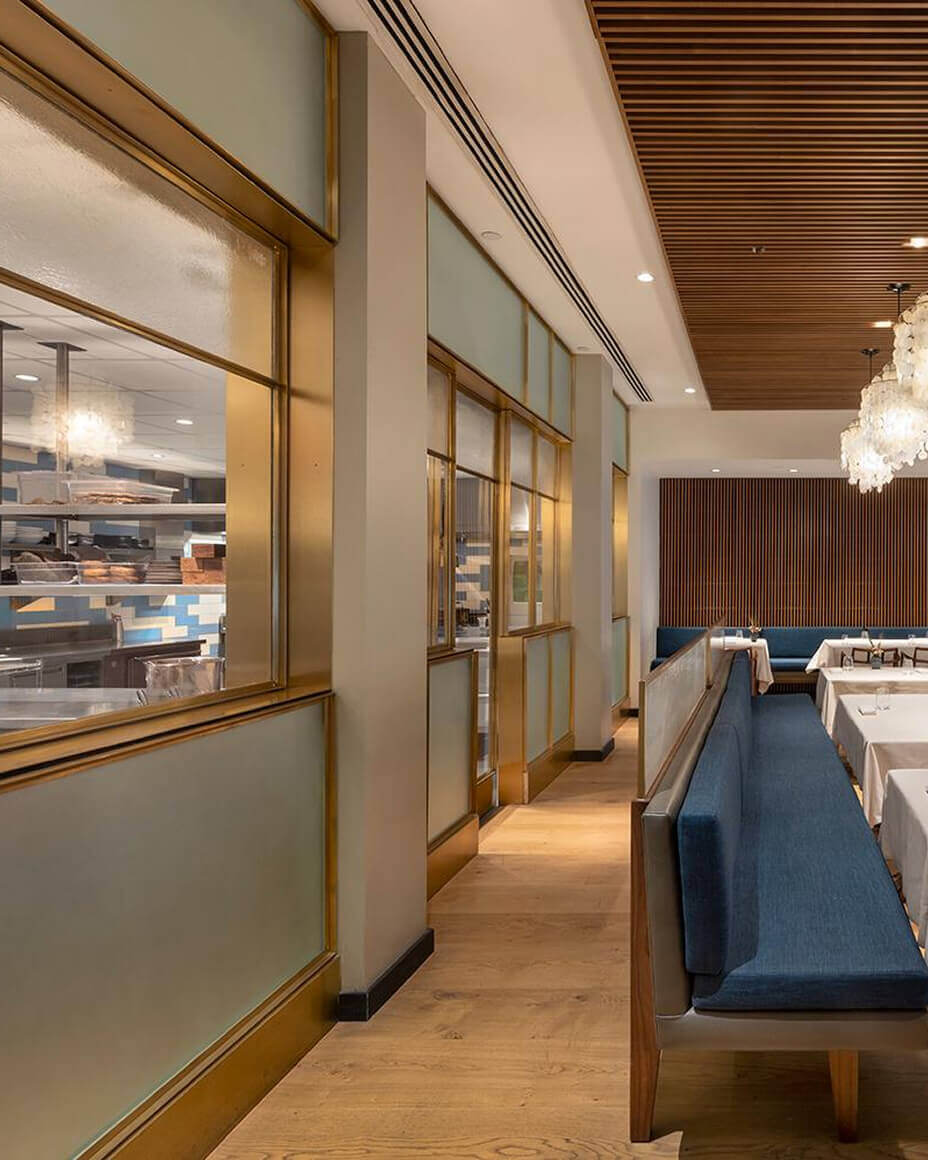
Aquavit introduced modern Scandinavian fine dining to New York in 1987, inspired by Stockholm’s Operakällaren. Owner Håkan Swahn created two distinct experiences: a casual rustic café and an upscale innovative tasting menu restaurant. Both reflected minimalist Nordic essence matched by beautiful, uncomplicated cuisine celebrating the region’s foraging culture, quickly becoming America’s premier showcase for Nordic cuisine.
A few years after opening, Swahn hired 24-year-old Marcus Samuelsson, who led the restaurant to three New York Times stars, making him the youngest chef ever to achieve that recognition from the paper. As Samuelsson’s fame grew through cookbooks and TV, he eventually departed to open Red Rooster in Harlem. Swedish chef Marcus Jernmark then took over, earning a MICHELIN Star before leaving in 2014. Swedish pastry chef Emma Bengtsson then ascended to head chef, earning Aquavit a second MICHELIN Star and becoming the first female Swedish chef to attain that status and the second woman in the U.S. after Dominique Crenn.
Their rotating celebratory cocktail tasting menus are extraordinary. The latest “I Love NY Cocktail Tasting” ($125) reimagines New York favorites—bagel and lox, a bodega BEC (bacon, egg, and cheese) sandwich, pastrami on rye, a black and white cookie—with luxurious Swedish twists, each paired with savory cocktails. Aquavit previously honored Chicago through a cocktail tasting menu, demonstrating its continued innovation in both cuisine and hospitality.
Blue Hill at Stone Barns
Tarrytown, NY
Origin
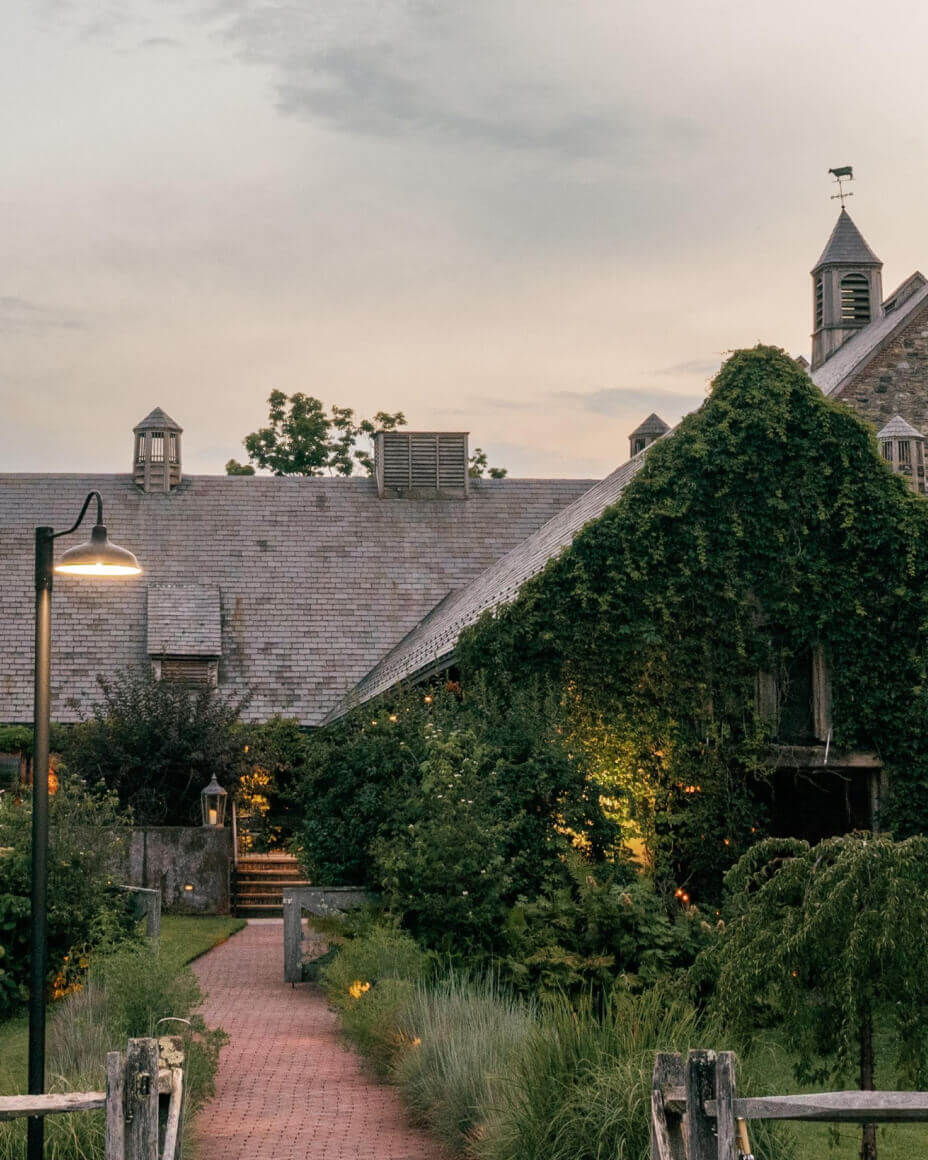
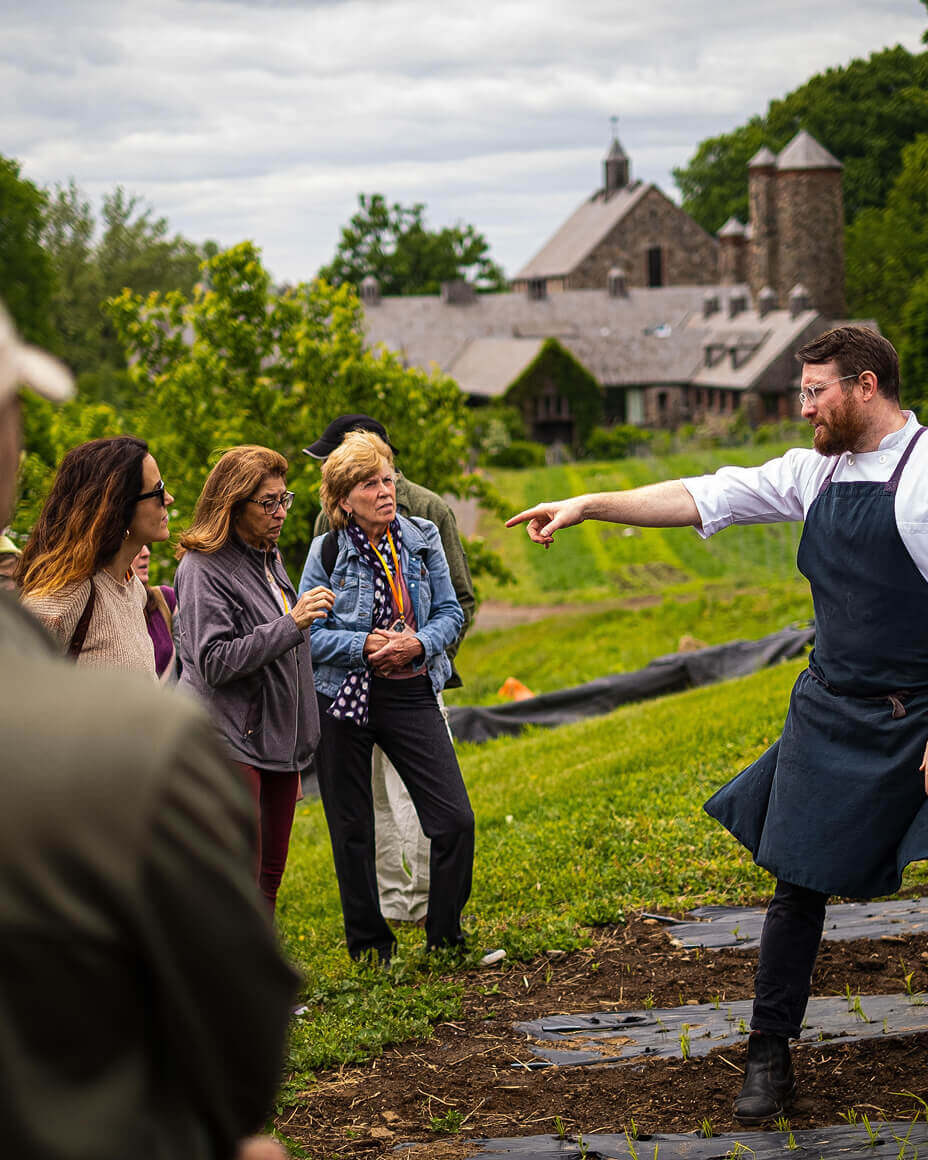
Co-founded by Dan Barber, his wife Laureen, and brother David at Stone Barns Center for Food and Agriculture an hour north of Manhattan, Blue Hill created a revolutionary dining model: guests seated within a working farm, eating produce they can literally walk to. This blurred lines between kitchen and field, weaving sustainable farming and cooking together unlike ever before.
To emphasize the importance of culinary sustainability and guardianship, Dan Barber has delivered TED talks, served on President Obama’s health and nutrition council, and was once named one of Time’s 100 most influential people. Blue Hill’s impact reaches wide, but not far. The team works with dozens of local farms, procuring a third of winter menus in fall for storage, preservation, and fermentation, while sourcing 80% of seafood from Long Island day boat fishermen. This has earned the restaurant numerous accolades including two MICHELIN Stars and a MICHELIN Green Star as a four-season working farm, educational center, and restaurant.
Here, there are no written menus. Guests enjoy multi-course feasts highlighting the best of the day’s bounty. Imagine 30 dishes over four hours, sampling on-site peppers, berries, rye, and root crops. Panna cotta made with milk from a retired dairy cow. This elegant, experimental meal keeps one foot firmly in the field, reminding diners that great food starts from the earth beneath our feet.

Meju
Long Island City, NY
The concept
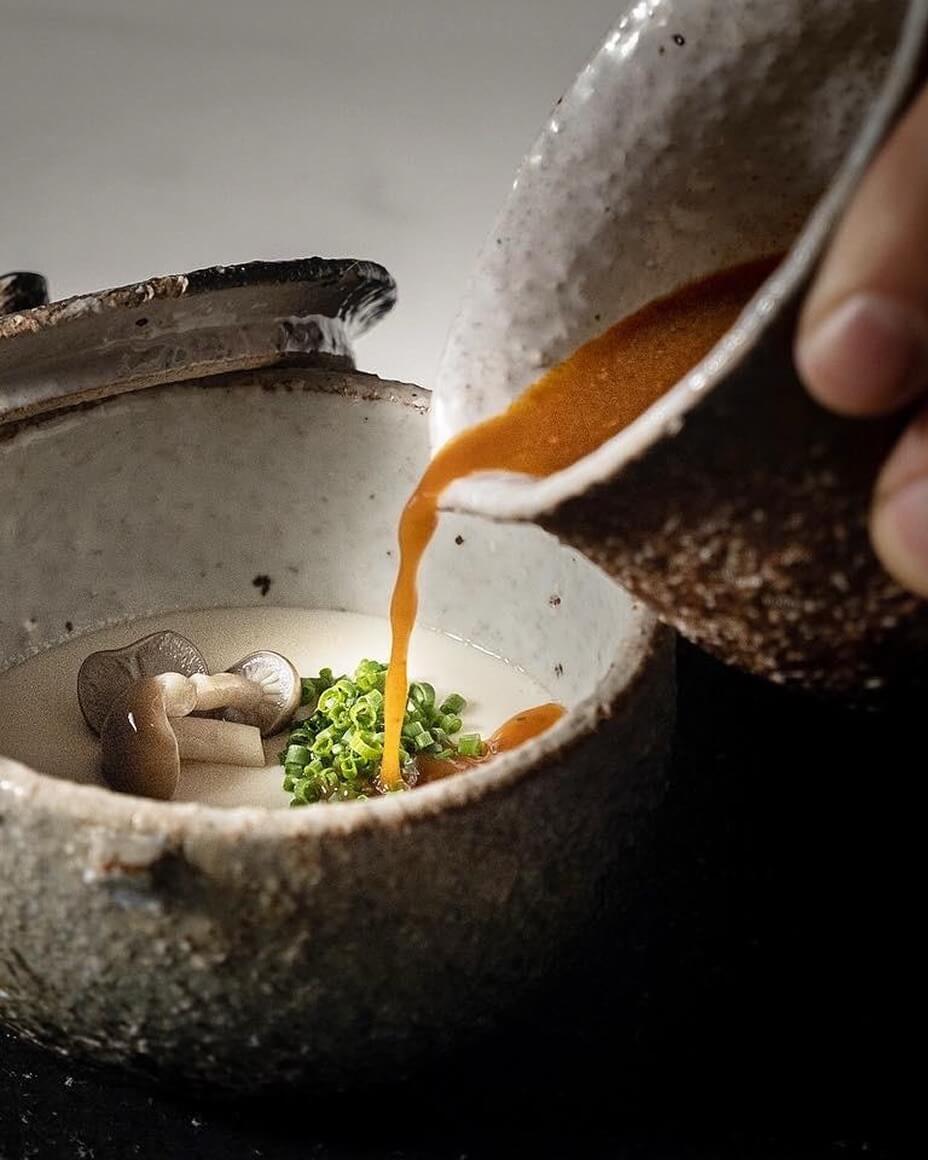
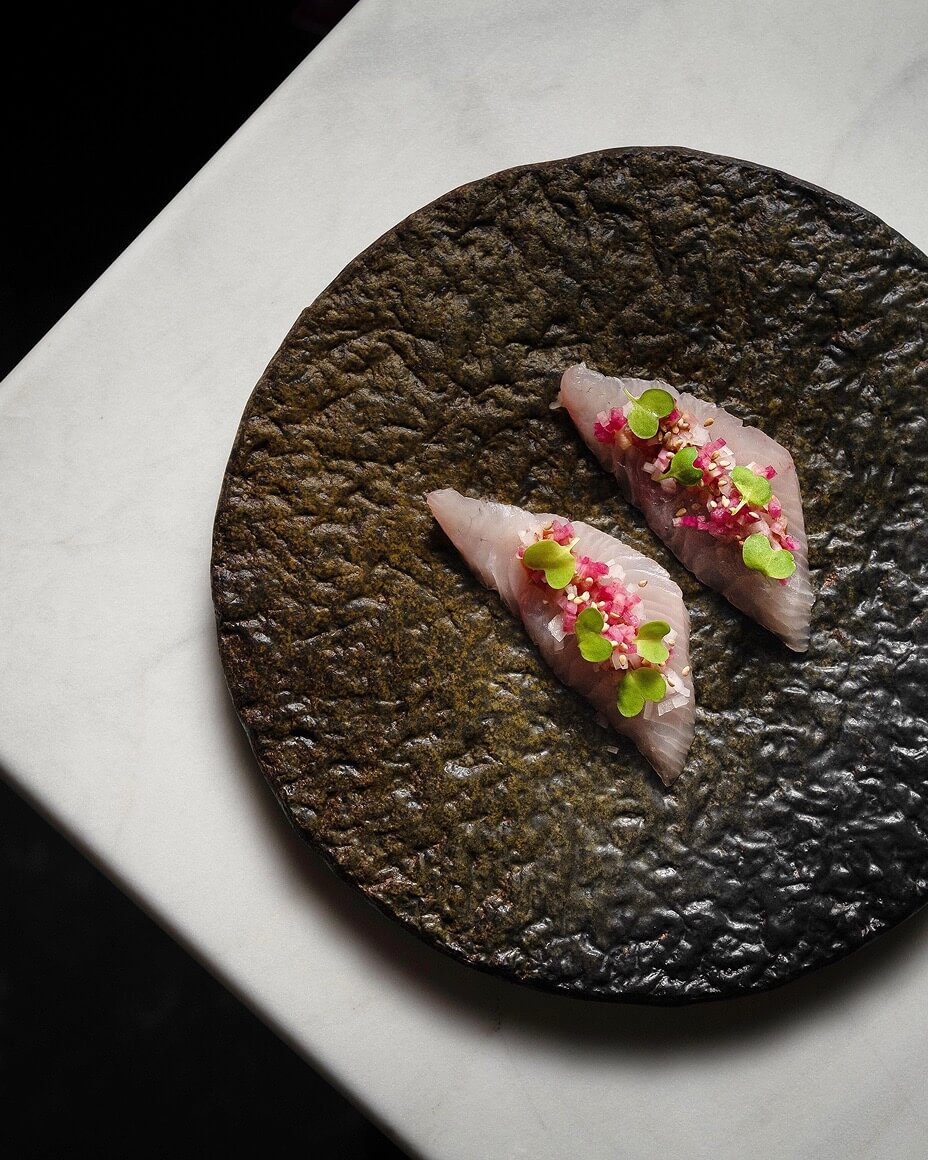
Across the East River from Manhattan, Long Island City is known for its affinity for culture and diverse population, including a significant number of Asian residents and businesses. It’s fitting then, after making history at Danji—the first Korean restaurant awarded a MICHELIN star—Chef Hooni Kim chose this Queens neighborhood for Meju, his intimate eight-seat counter restaurant. Named for the dried soybeans used in the fermentation of jangs (traditional Korean seasoning pastes), Meju begins every dish with this integral ingredient.
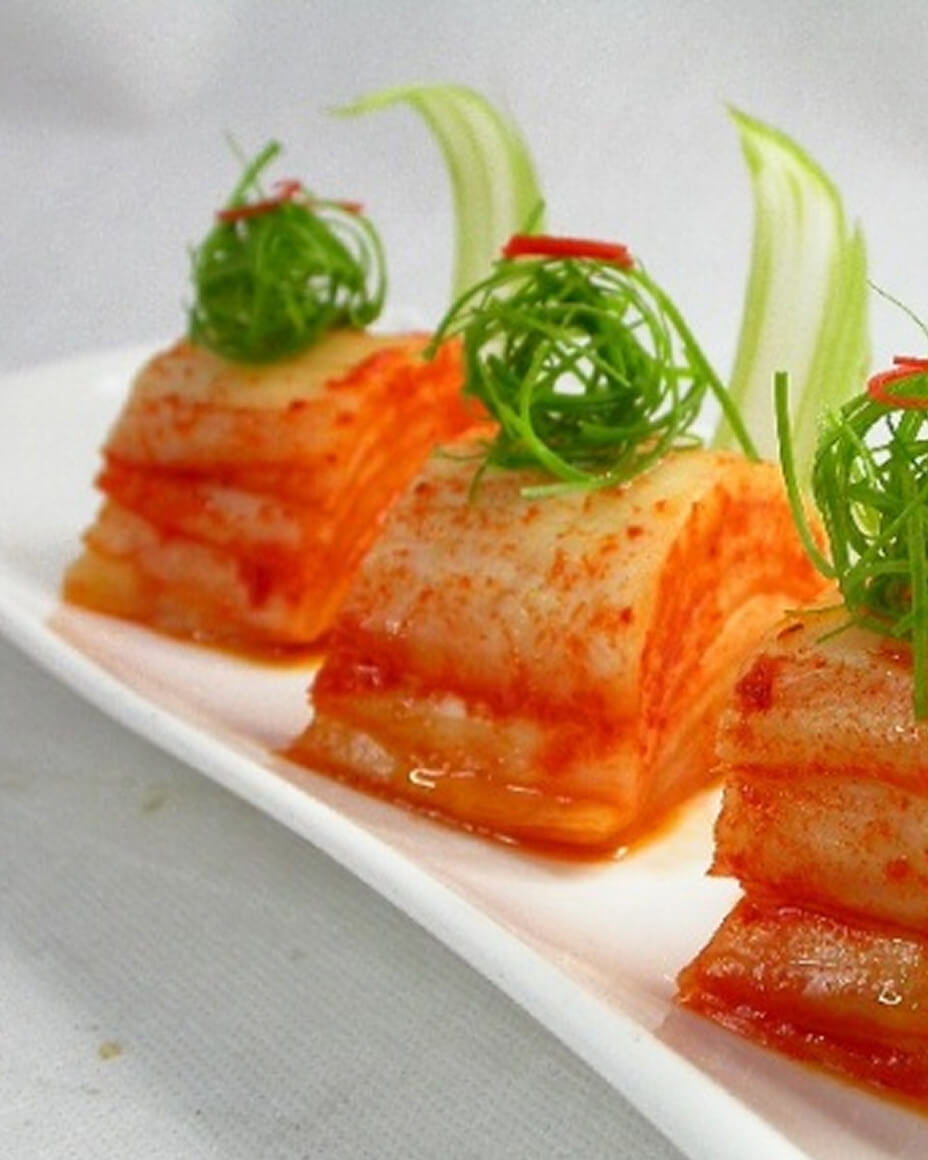
While only 500 steps from views of the Manhattan skyline, entering 49th Street’s Little Banchan Shop feels worlds away. Browse shelves stocked with milk bread, kimchi, crispy skin fish chips, and make a mental note to return for a bottle of bibimbap sauce. Finally, it’s time to enter yet another world: the minimalist Meju, located behind the shop. Here, those same ingredients are transformed into dazzling renditions of Korean food—a showcase of wild fermentation, plated on handmade clay service pieces—that will forever change your brain chemistry.
As an homage to his family’s traditions, Kim prepares the all-natural jangs, along with jeotgal and kimchi—a true culmination of his personal and professional history, as well as his culinary prowess.
odo
New York, NY
The Concept
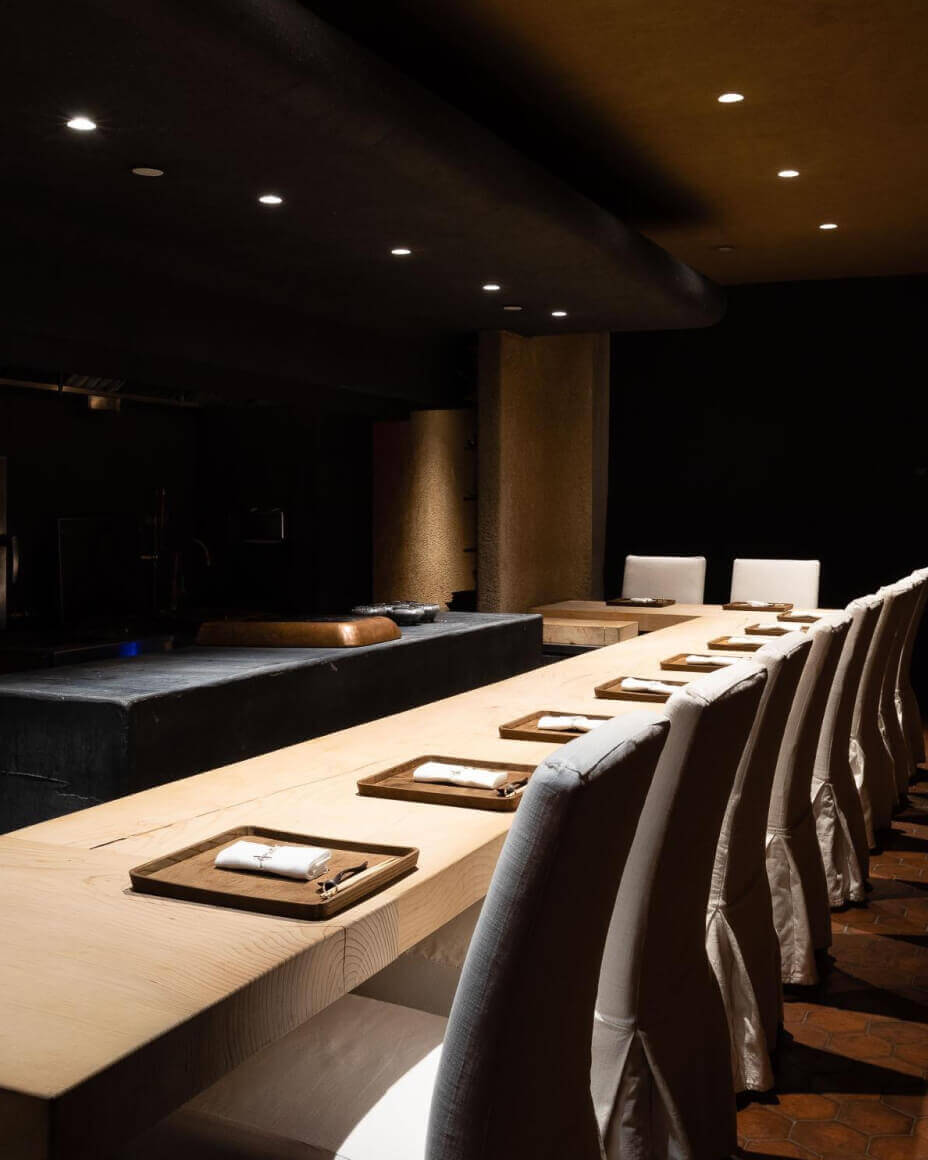
This 14-seat traditional kaiseki counter is discreetly located behind all-day cafe and cocktail bar HALL, operated by the same team. Chef Hiroki Odo trained in Japan at legendary kaiseki restaurant Kyoto Wakuden before moving to New York in 2012. At odo, he’s a Japanese culinary ambassador of the highest level, connecting with local fishermen, butchers, and farmers to bring in the best product.
Chef Odo strictly adheres to kaiseki ryori standards at his eponymous restaurant, with each course showcasing a different cooking method, from otsukuri sashimi and owan (warm soup) to yakimono (grilled) and takiawase (simmered). Odo previously received a MICHELIN star at Kajitsu for his vegan Buddhist cooking, so he knows how to let the delicate flavors of vegetables shine. Chef Odo also enjoys introducing ingredients from his hometown in the Kyushu region, like horse mackerel and sardines.
For the zen vibes. This is the closest approximation you’ll find to traditional Japanese kaiseki in the United States and the carefully orchestrated meal is a meditative atmosphere with quietly attentive service. With no music, your attention is squarely on the food.
Restaurant Yuu
Brooklyn, NY
The Concept
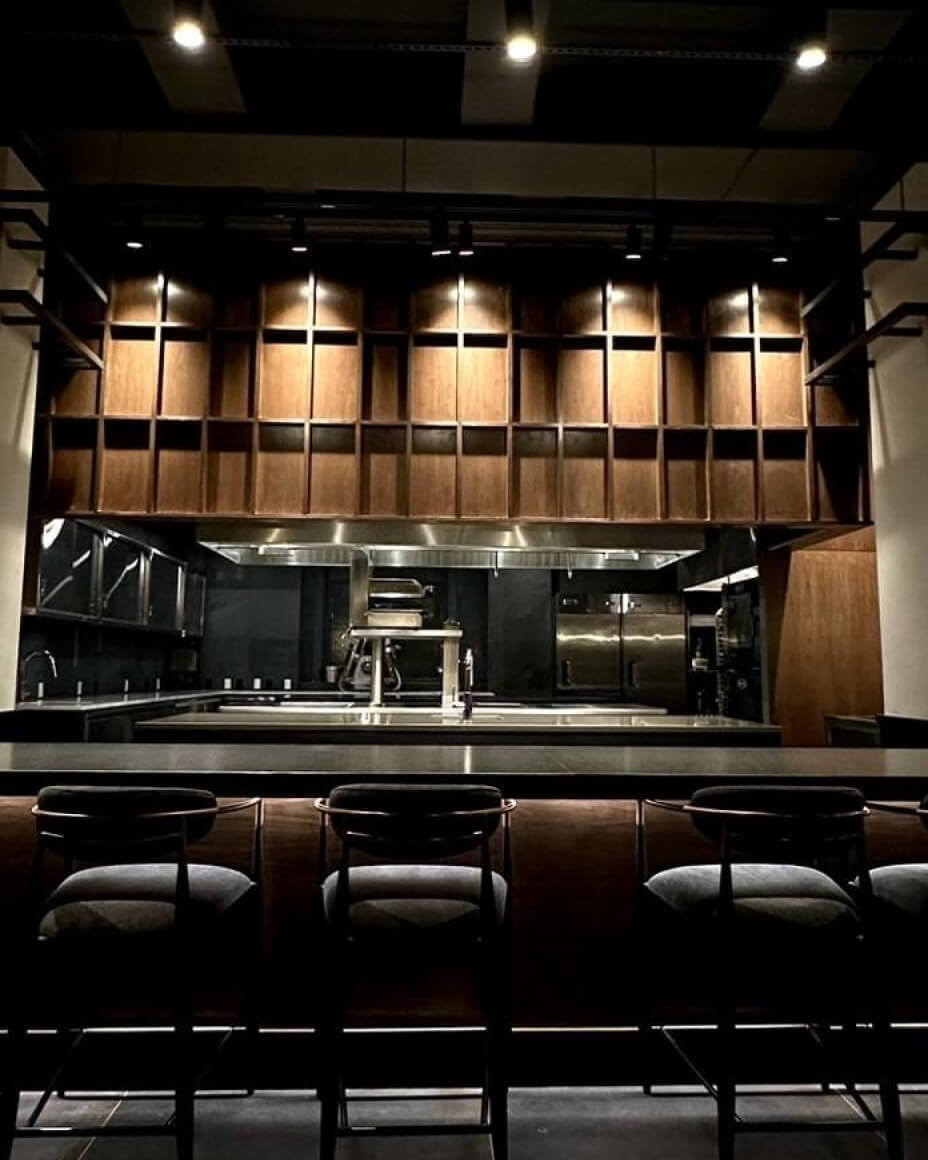
The kitchen is a stage at Chef Yuu Shimano’s Brooklyn-based, French-Japanese restaurant. Guests are seated at a sleek black stone counter in an industrial brick building with a soaring ceiling. Start with bite-sized snacks and chilled or warm hinoki-infused oshibori before the thick velvety curtain is suddenly whisked open and the kitchen revealed. Shimano’s team of chefs introduce themselves and the show begins.
Pristine seasonal Japanese seafood plays a starring role, from Hokkaido uni served in its shell to firefly squid, while classical French sauces, including vin blanc, bring Shimano’s food to life. The one dish that never leaves the menu? Canard en croûte—layers of 45-day dry-aged duck breast, foie gras, minced duck leg, mushroom, and spinach wrapped and cooked in artfully adorned puff pastry. After such a rich crescendo, desserts are light and ethereal.
For the dramatic presentation. Courses like veal, baked with thyme and sage, and Shimano’s signature duck en croûte are proudly presented before they are sliced and plated. Shimano and his team happily answer questions and explain the method of preparation to curious diners.
Atomix
New York, NY
The name
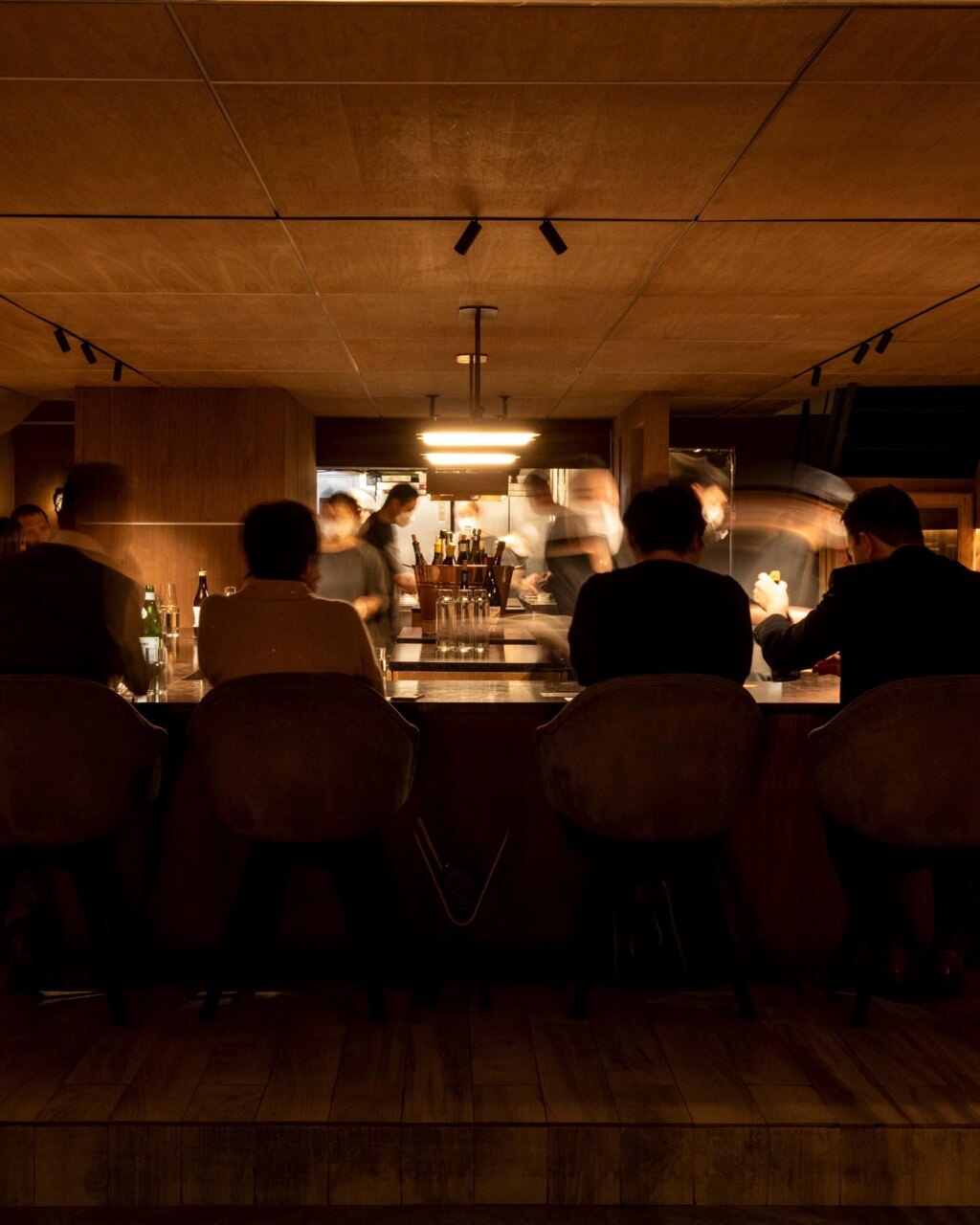
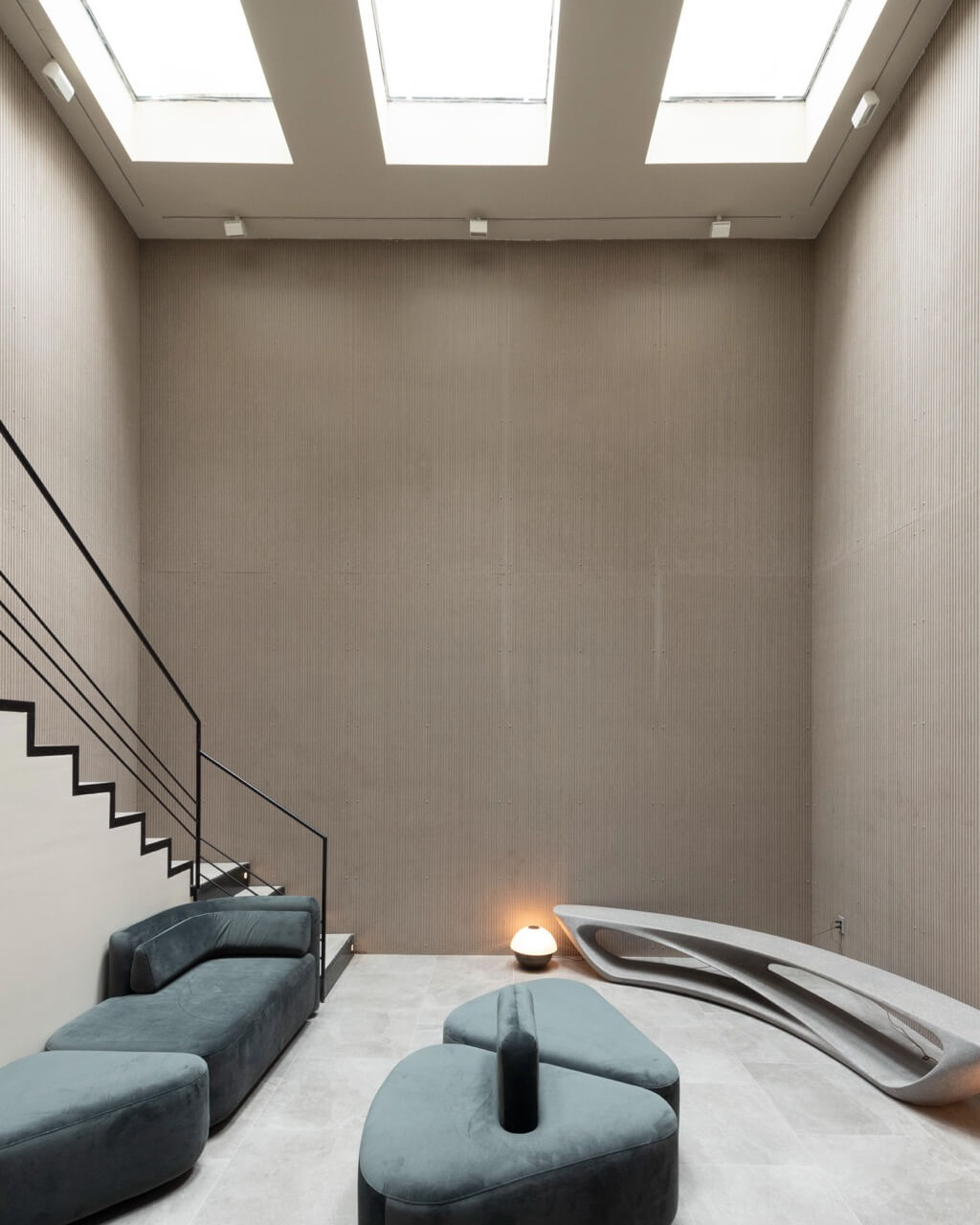
After wowing New York with Atoboy, their casual Korean-inspired restaurant highlighting banchan, Chef Junghyun “JP” Park and his wife Ellia, who oversees front of house operations, raised the stakes with a 14-seat, two-Michelin-starred tasting menu concept called Atomix. Continuing the theme of “ato,” meaning “gift” in Korean, they aim to create meaningful experiences. “The most important thing for hospitality is to impact someone’s life,” Ellia told Cherry Bombe. “If I can make a small impact, that is our ultimate goal.”
Each course arrives with a beautifully designed card detailing the dish’s ingredients, inspiration, and even the ceramics used, fostering meaningful conversation between staff and guests. The attention to detail extends to personal touches like letting diners select their own chopsticks after enjoying welcome drinks in the subterranean lounge. These elements helped Atomix earn the number six spot on The World’s 50 Best Restaurants list and number four on The New York Times’ 100 Best Restaurants list. Quite a gift.
Top critics have described Atomix as seamless, perfect, moving, beautiful, and joyous—and we couldn’t agree more. The Park’s vision of presenting stunning food in unpretentious ways delivers “ato” each night.
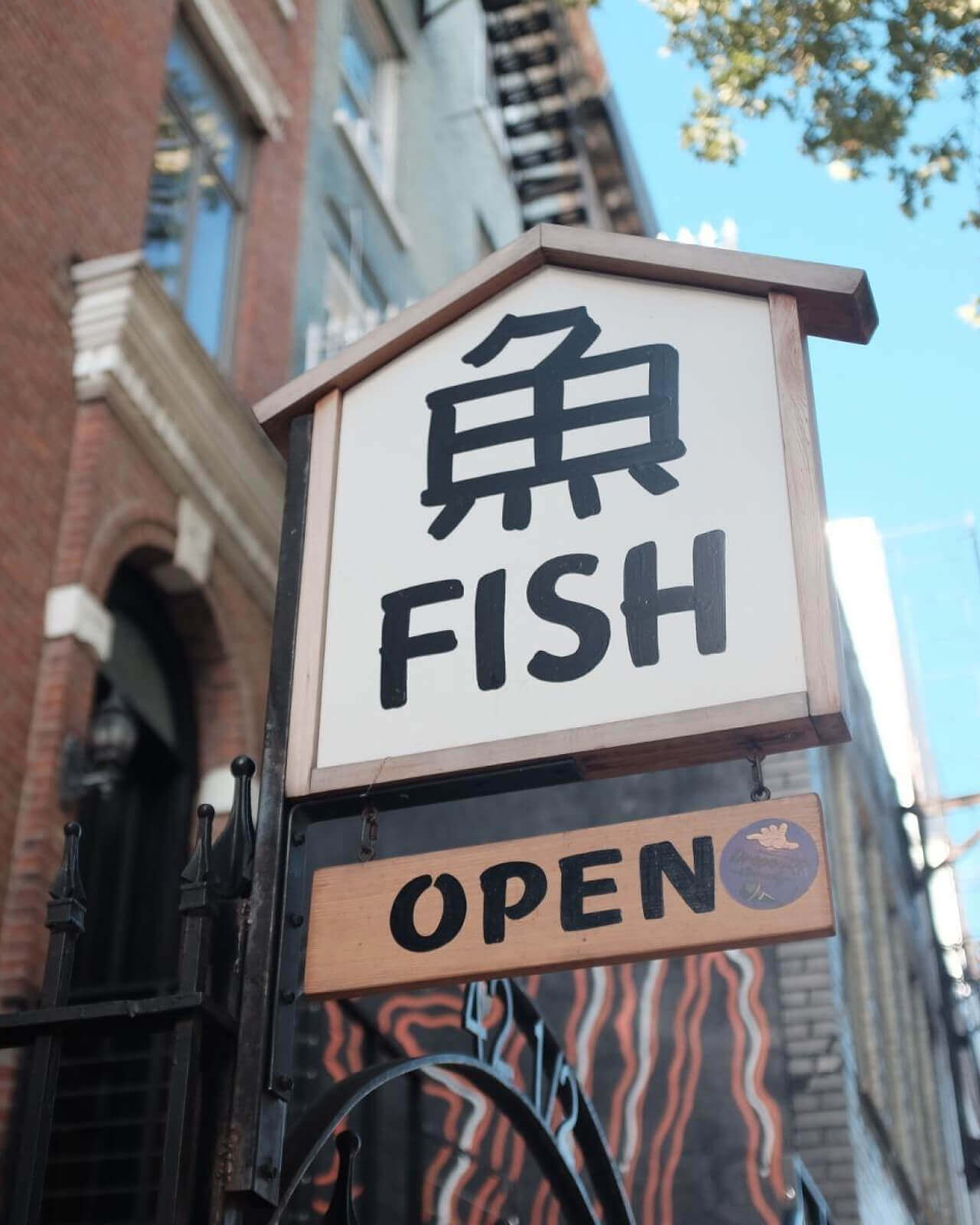
OSAKANA
New York, NY
Origin
Chef and former fish wholesaler Yuji Haraguchi founded OSAKANA in 2016 to fill an obvious hole in the market. “Witnessing this gap between the quality and potential of U.S.-caught fish and the fastidiousness of Japanese handling practices gave Haraguchi the seeds of an idea,” the New Yorker reported that year. Haraguchi set out to create a pristine fish counter and education center, where he could raise awareness about local catches and Japanese culture through humidity-controlled displays and hands-on classes.
Now approaching their tenth anniversary, OSAKANA, which translates to ‘honor your fish’ remains committed to the highest-quality seafood and the Japanese practice of mottainai, or no-waste. Haraguchi has devoted his career to changing the American perception of the ocean’s bounty. Through his “Fish Bone Revolution” he has been able to upcycle fish bones and reenvision waste in the seafood supply.
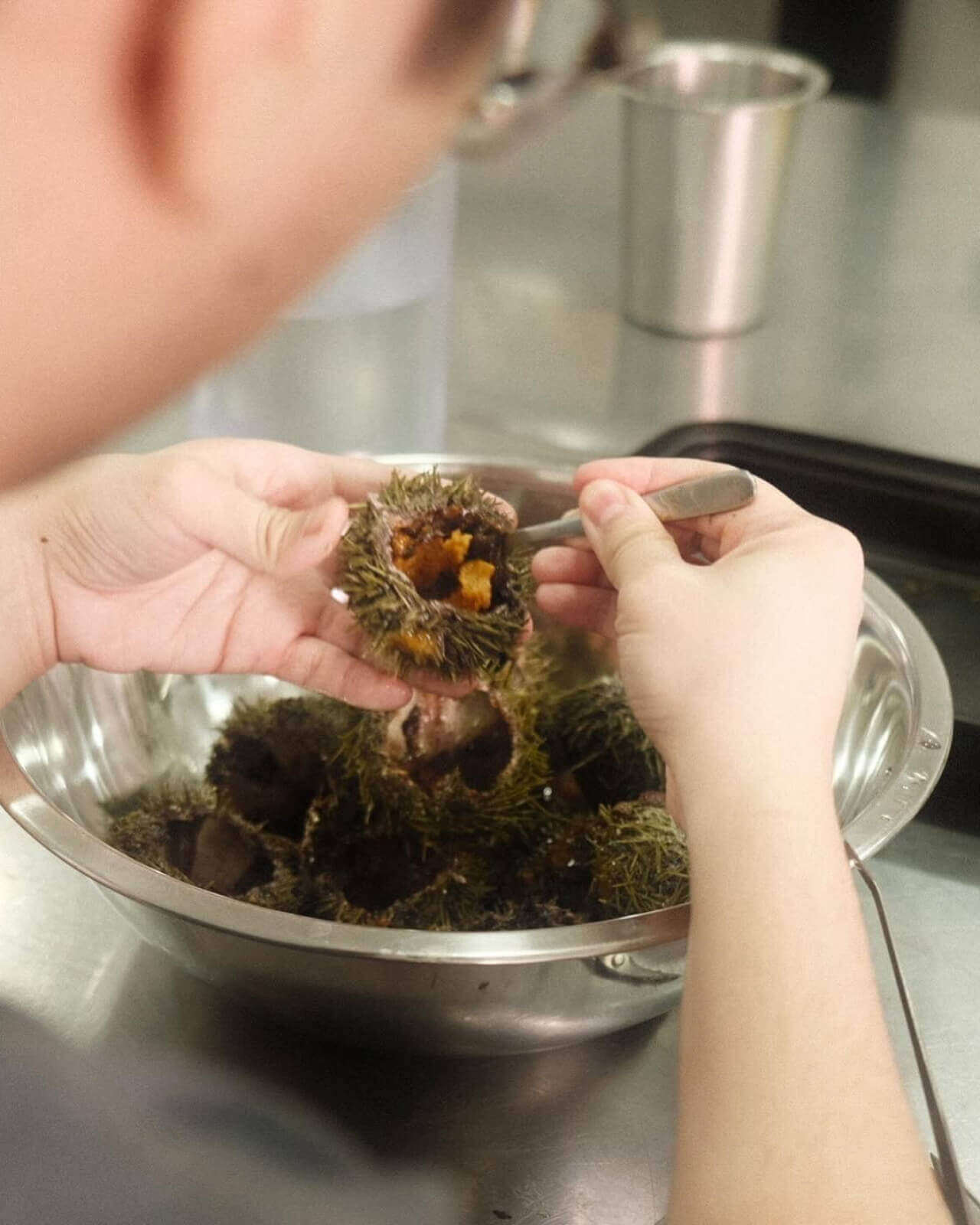
For the immersive classes. Where else can you learn to shuck live uni, flown in that day from the coast of Maine, to make fresh temaki?